Sodium Nickel Chloride batteries
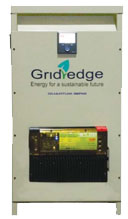 Years ago, Sodium Nickel Chloride batteries were promoted as a potential competitor to early lithium-ion batteries, but the technology never took off. These are very different from the sodium-ion batteries currently produced by Chinese manufacturers for both EVs and home storage. They’re a unique battery type with a number of features in their favour:
– Very broad operating temperature range (-20 C to +60 C, compared to around 0 C to +40 C for some lithium batteries), making them suitable for a range of environments.
– Fully recyclable — no toxic or dangerous chemicals are used in their manufacture.
– No fire risk, due to the chemistry of the batteries
– Requires no internal cooling system (larger lithium-ion battery systems have active cooling).
Their disadvantages mainly relate to their expected cycle life and cost. The GridEdge Quantum battery, for example, had an extimated cycle life of 3,500 cycles at 80% depth of discharge, compared to over 10,000 cycles at 95%+ depth of discharge for some lithium ion batteries.
How much did a sodium-nickel-chloride battery setup cost?
GridEdge used to sell their Quantum 9.6kWh battery, which is an all-in-one unit, for around $20,000 installed, but it’s no longer on the market. This was more expensive cost-per-kwh than lithium-ion batteries of similar capacity at the time they were sold, and considerably more now.