


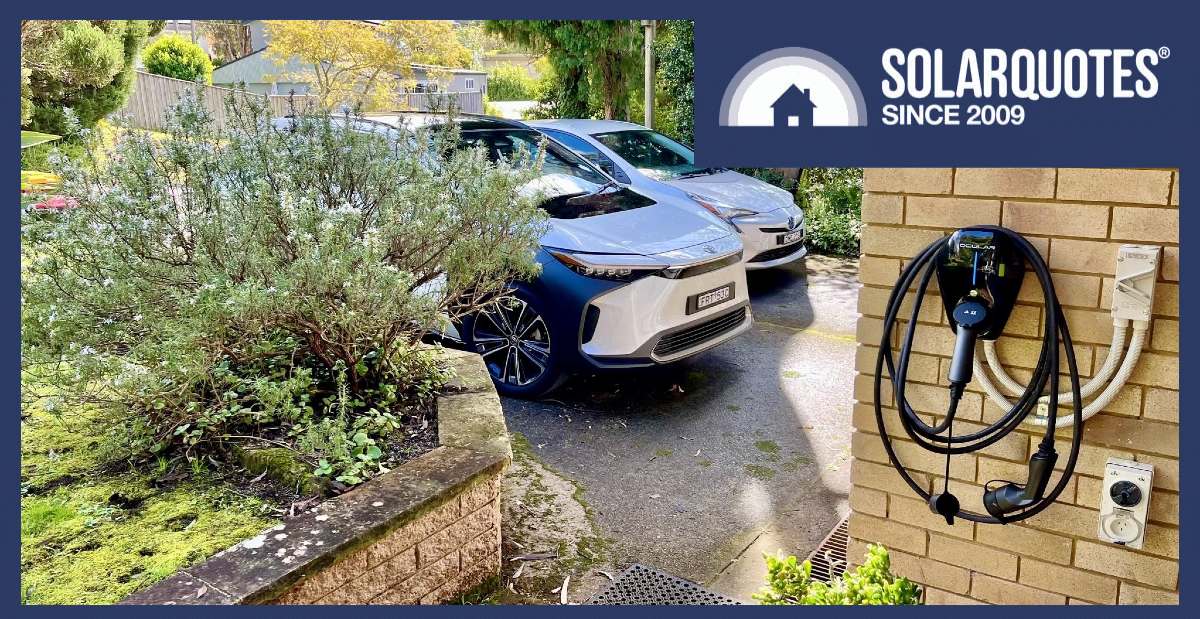
Surging EV and home battery uptake has insulated many Australians from global oil and gas price shocks, but more can be done to maximise their benefit to the grid.
So heard attendees of All Energy Australia 2026, with the country’s largest clean energy conference converging on the Melbourne Convention and Exhibition Centre October 28-29 to chew over the big issues facing the power grid.
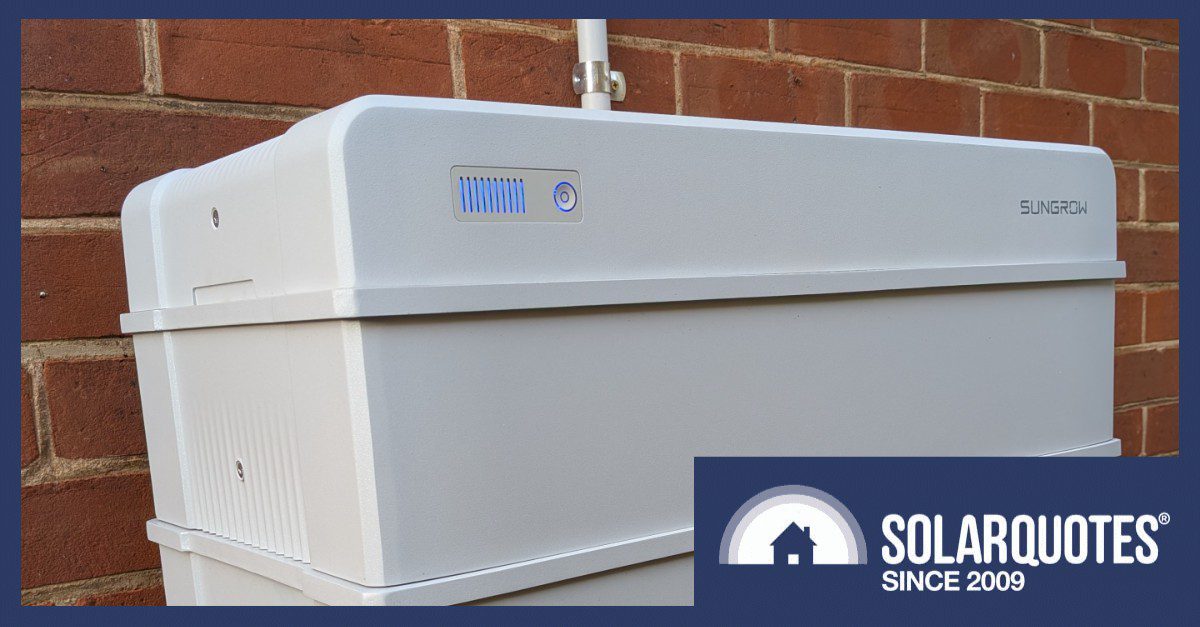 The minimum level of charge a battery will keep up its sleeve can be customised to best suit your priorities – whether it’s maximising energy trading profits, blackout protection or reducing degradation. You can even tweak it temporarily in response to unusual conditions – as I found during a power price surge earlier this week.

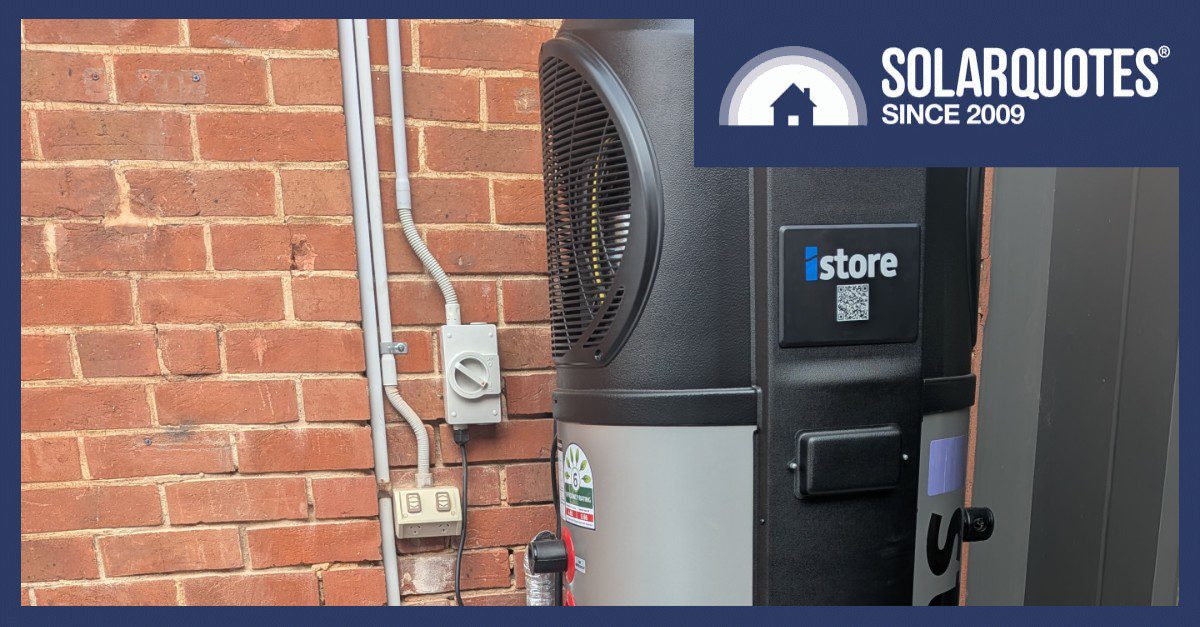 Getting off gas is a multi-year process for many households – replacing hot water, heating and cooking appliances can be an expensive initial outlay to get done all at once. But as I found with my first gas bill after getting a hot water heat pump, even getting just one appliance upgraded can make a big difference.
 A Queensland homeowner got a solar-battery system under a Power Purchase Agreement (PPA) through ShineHub, expecting it could be expanded later. Just a couple of years into a 10 year contract, the homeowner says he was told to throw away his battery and inverter and start again if he wanted more capacity — even though the system still worked.
 If you’re getting scalded by the water pouring out of your taps or suffering through underwhelmingly tepid showers, there’s a likely culprit: the tempering valve.
 Are you a journalist with experience covering renewables, or a solar fanatic with professional writing experience? We might have just the role for you.
 RSS - Posts






Currently Raging Debates: