
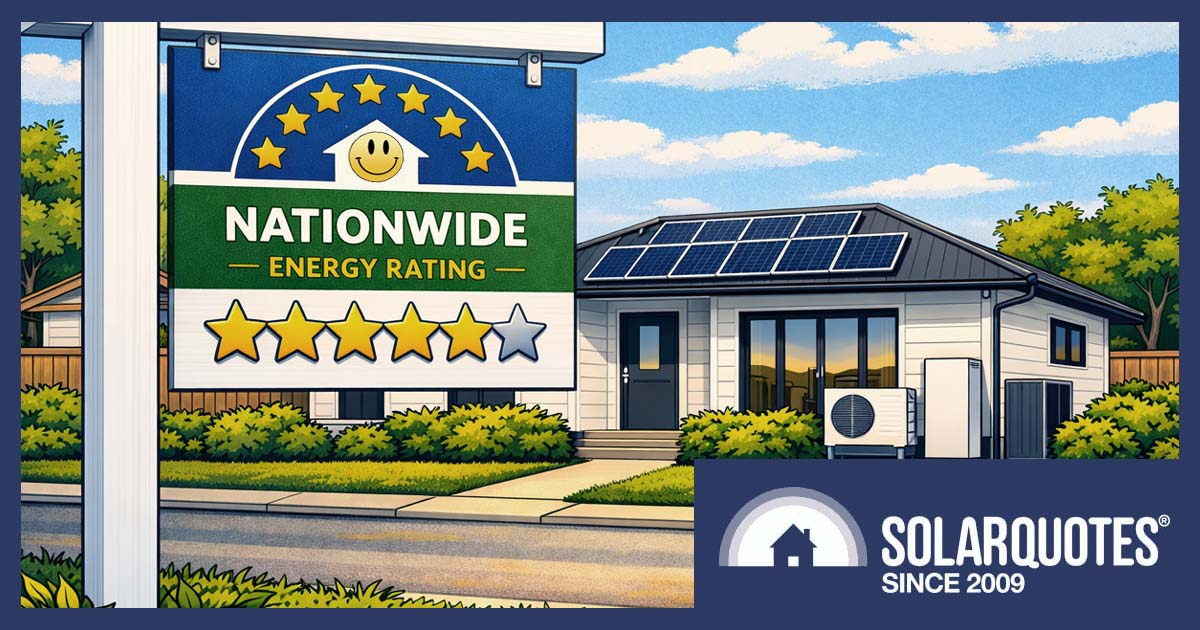
NSW is quietly setting the stage for a major change in property marketing: home energy ratings could eventually become mandatory for all homes listed for sale or rent. Starting from mid 2026, sellers and landlords can voluntarily include NatHERS energy ratings in listings, but the government’s policy signals that mandatory disclosure is likely the next step.
How Will NSW Change The Way Homes Are Sold?
While NSW is leading the latest push, the concept isn’t new in Australia. The ACT already requires energy ratings when homes are sold or rented, giving buyers and tenants visibility of likely running costs.
In 2024, Australia’s state, territory and federal energy ministers released a national Home Energy Ratings Disclosure Framework, providing guidance for states on how to introduce energy rating disclosure at the point of sale or lease.
NSW is now testing its own phased rollout and voluntary pilot, which will allow sellers and landlords to include NatHERS ratings in listings from mid 2026, although no official launch date has been confirmed.
The Role Of Real Estate Agents
One initiative aimed at preparing the market is the Energy Smart Agents Program, a pilot training scheme designed to help real estate agents understand and use Home Energy Ratings in property listings.
The NSW government says the program is part of broader efforts to ensure the real estate sector is ready “when NSW transitions to mandatory Home Energy Rating disclosures.”
In theory, this could help buyers and renters better understand a home’s running costs and comfort levels. In practice, the idea of turning sales-focused real estate agents into de-facto energy advisers may raise a few eyebrows. Still, the pilot suggests the government sees agents as a key gateway for bringing energy performance into everyday property conversations.
Linking Ratings to Upgrades
Complementing the ratings rollout, NSW’s Energy Security Safeguard includes programs like the Energy Savings Scheme (ESS) and Peak Demand Reduction Scheme (PDRS). These schemes incentivise energy-efficient upgrades through accredited installers, generating certificates for measures such as heat pump water heaters, efficient air conditioners, and battery systems.
Thousands of upgrades have already been installed — including over 2,800 AC units and 635 hot water heat pumps — demonstrating uptake is happening and providing a practical path for homeowners to boost their energy ratings, which could make their homes more attractive in listings.
What This Means for Homeowners
For NSW homeowners, the message is clear: mid 2026 voluntary disclosure is an opportunity to get ahead. A home with solar panels, efficient heating and cooling, or insulation could stand out in listings, attract more buyers, and signal lower running costs.
Buyers gain visibility of a home’s likely running costs and comfort before signing a contract, while renters can better assess energy efficiency for day-to-day bills. Early upgrades could pay off when mandatory disclosure eventually arrives.
Beyond the numbers, the rollout hints at a broader cultural shift: energy efficiency is moving from a “nice to have” to a standard part of property marketing. Homes with poor ratings may not just cost more to run — they could also be harder to sell. For those considering upgrades, combining improvements with participation in Safeguard programs can reduce costs while boosting market appeal.
Take Action Before Ratings Matter
Whether you’re selling, renting, or buying in NSW, start thinking about your home’s energy efficiency now. Simple steps — adding solar panels, upgrading to a heat pump, improving insulation — can cut bills, increase comfort, and enhance appeal in listings. The voluntary phase deadline gives early movers a chance to get ahead, and when mandatory disclosure eventually arrives, energy-conscious homes could be the ones that stand out.
Want to boost your home’s efficiency before ratings matter? Check out our guide to energy efficiency in a solar home.
 About Kim Wainwright
 RSS - Posts





Speak Your Mind