Is it OK to put East and West facing panels on a single input inverter?

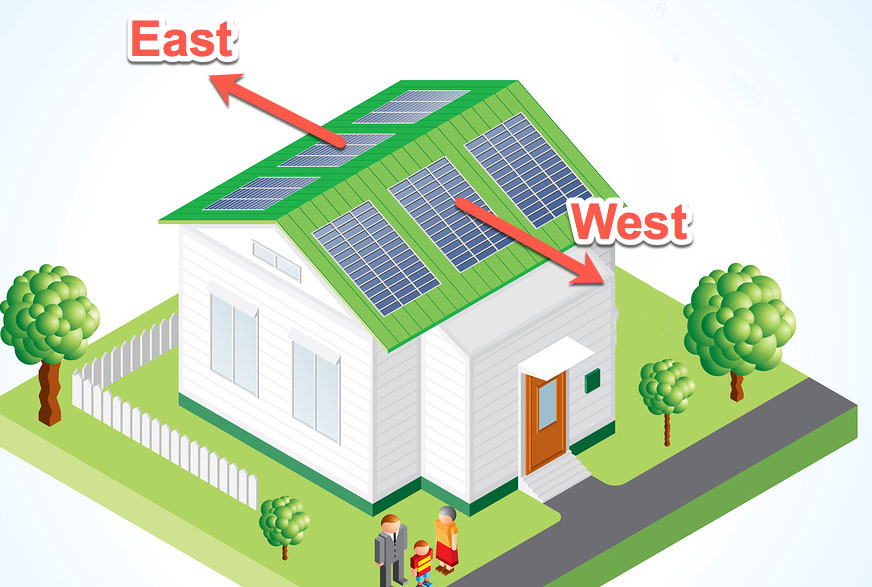
Is it OK to put East and West facing panels on a single input inverter?
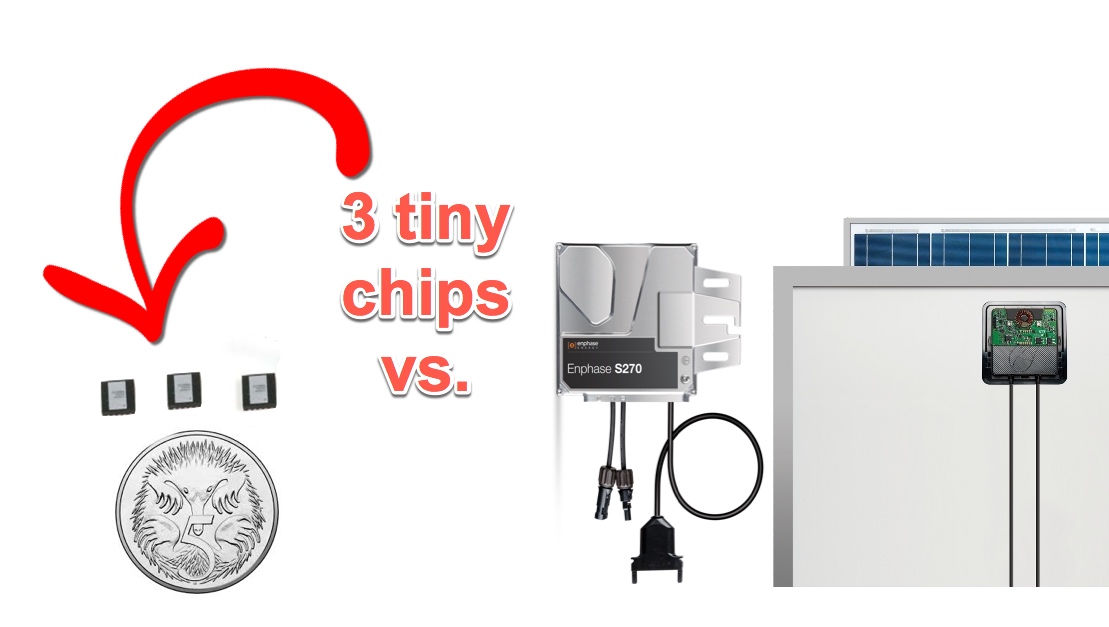
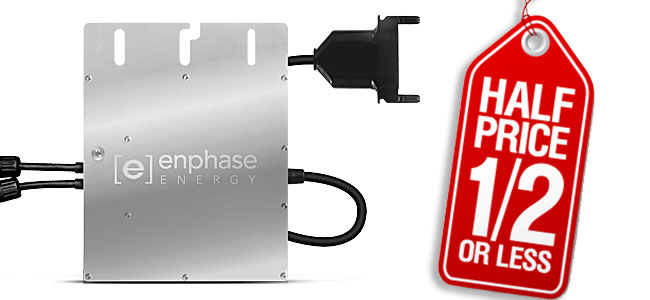
When it comes to Australian solar installations, conventional string inverters tower over the competition like a current converting colossus. But microinverters, which are tiny in both physical size and market share, are shaping up to beat string inverters on both price and reliability. Enphase, the world’s largest producer of microinverters, plans to beat conventional inverters on price within two years. If they meet their goal of cutting micro inverter costs in half, it will change the way Australians install solar power. [Read more…]
Part 1 of an interview with Enphase VP of Quality & Reliability: Ciaran Fox
In my experience solar installers either really love microinverters, or are incredibly wary of them. There seems to be very little middle ground.
Those who love them talk about their ease of installation, increased power output, flexibility of panel layout, panel level monitoring and shade performance.
Those who are wary of them generally worry about their reliability.
A microinverter is a box of sophisticated electronics that sits on your roof (under each solar panel). In Australia your roof gets hot! And if a microinverter fails, replacing it means climbing on the roof and removing the panel. So installers’ concerns are understandable.

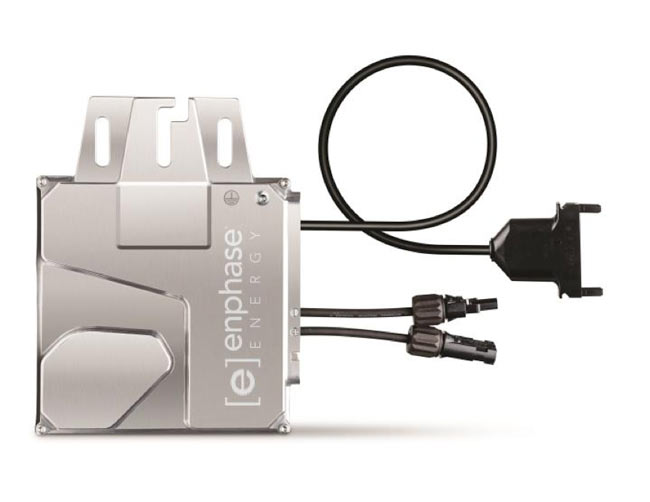
A microinverter. You generally use one per solar panel instead of a single large central inverter. They are about as big as an iPad mini
To get some authoritative answers, I asked installers that I know to send me their toughest questions about microinverter reliability.
I then put those questions to Ciaran Fox who is the Vice President of Quality & Reliability at the world’s biggest microinverter manufacturer, Enphase. [Read more…]
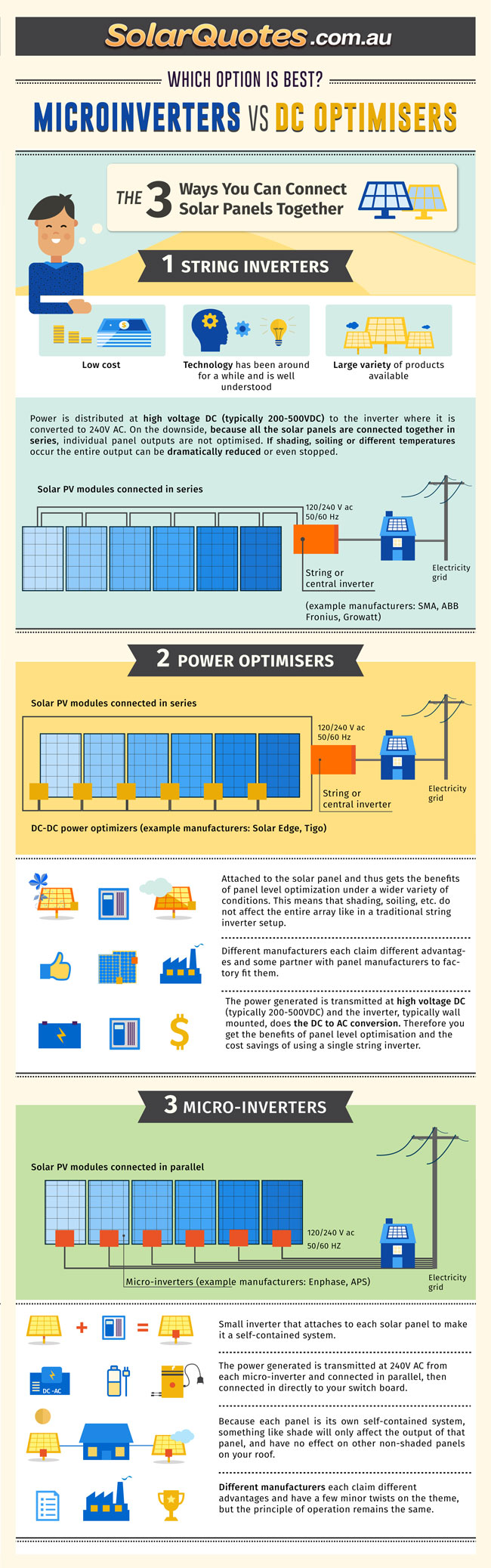
For those of you that want an easier way to understand the differences between microinverters (such as those manufactured by Enphase or APS) and DC optimisers (such as Solar Edge or Tigo), and don’t want to read this long post I published a couple of weeks ago then this 2 part infographic is for you!
The first part explains the difference between conventional, string inverter systems, DC optimised systems and microinverter systems (seasoned solar nerds may want to skip this and scroll straight down to part 2)
Part 2 goes into the pros and cons (and even picks a winner based on my humble opinion).
If you want to republish any of these infographics, no worries. All I ask is that you link back to this original post. I also have higher res versions which I can provide. Just ask!
* Note: the 2nd graphic has been updated to include 2 features of full Solar Edge systems (i.e. systems with Solar Edge optimisers coupled to Solar Edge Inverters) . Specifically Arc protection and individual fault bypass circuitry.
** This is only an opinion! If you vehemently disagree with my analysis, please leave a comment, or even write a well articulated blog post with your differing opinion, and I will happily publish it.

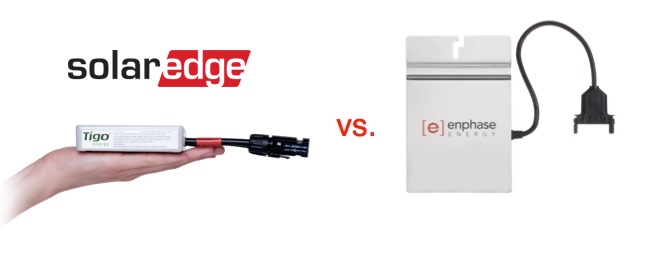
If you’ve decided on panel-level optimisation, which is the better choice, microinverters or optimisers?
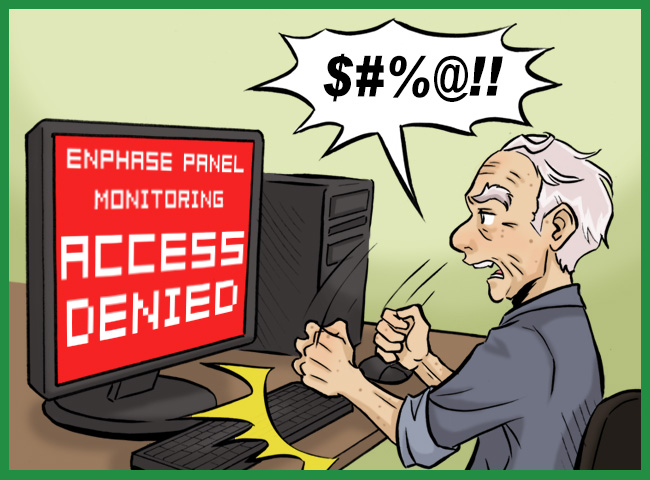
Good grief this article is going to get me into trouble with some solar installers. Why? Because by the end of it I will give my humble opinion on whether microinverters (e.g. Enphase) are better than DC optimisers (e.g. SolarEdge or Tigo). [Read more…]
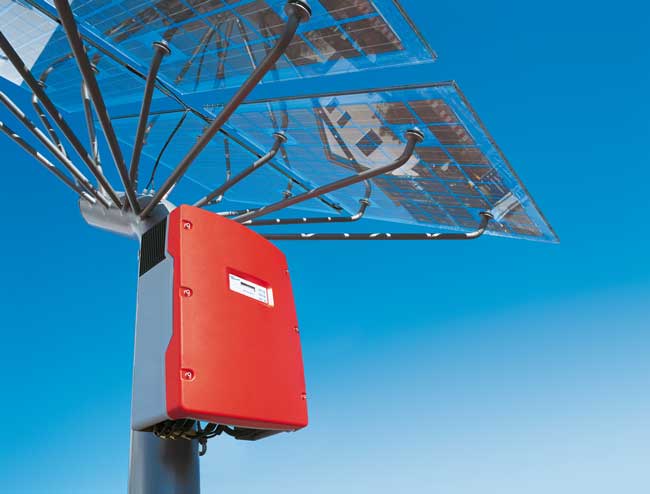
Picking great inverters; Tier 1, 2 or 3?
Savvy solar customers are quickly realising that there is a very real difference between the quality of products and services you can find in the solar industry.
As a general rule, the old adage “you get what you pay for” generally holds true but the plethora of offers and solar companies can make selection tricky. Here at SolarQuotes I’ve helped make this choice a little easier by developing its own ranking system for installation companies.
But how do you choose a great inverter? [Read more…]

May the (electromotive) force be with you!
I’m thinking of writing a screenplay. The movie’s name is “3-Phase Solar Wars : The Phantom Imports”. Here’s the opening scene:
“Quite soon in the future, in a suburb not very far away….
It is a period of civil war. Solar owners, striking from over a million rooftops, have won their first victory against the evil Electricity Empire.
During the battle, these plucky rebel homeowners managed to get their electricity bills down so low that they are on the cusp of destroying an entire electricity retail industry.
But now the Empire’s sinister agents have a plan:
I’m getting reports that lots of solar owners in Adelaide have seen their inverters shut down over Christmas.
No, the inverters are not taking a break to eat mince pies and open their presents – they are shutting down because the grid voltage seems to be regularly going higher than 257V. Many inverters are designed to shut down when the grid gets this high, in order to protect the inverter electronics.
According to the Australian Standard (AS 60038-2012), the grid should be kept at 230V -6% / + 10%. So the highest it should get is 253V. [Read more…]
Bad news for fans of Solarmax inverters as its parent company, Sputnik Engineering, has just filed for insolvency.
Solarmax are a 20 year old Swiss inverter manufacturer who made fantastic quality inverters at a great price. It seems, with hindsight, that the price was a little too great!
If you were considering buying a Solarmax, then you should probably change brands so that your warranty is with a solvent manufacturer. Go for a big brand like SMA, Fronius, Sungrow, ABB, Zeversolar, Delta, Enphase or Solarbridge (feel free to leave any big brands I’ve missed out in the comments!)
If you already have a Solarmax on your home, then don’t panic! [Read more…]
Can you use a micro inverter off grid? Or even for grid connect with batteries?
With the growth in the use of micro inverters, I’m starting to get more and more emails asking: can micro inverters be used in off grid (or hybrid) solar power systems? [Read more…]
Get free quotes for solar, batteries,
EV chargers or hot water heat pumps
Before You Go..Download the first chapter of The Good Solar Guide, authored by SolarQuotes founder Finn Peacock, FREE! We respect your privacy and you can opt out from the newsletter at any time. |
Currently Raging Debates: