
New rules affecting rooftop solar and battery installations have started taking effect in NSW, with emergency backstop requirements being introduced progressively across the state’s electricity networks.
What Is NSW’s Emergency Backstop Mechanism?
The changes introduce a mechanism that allows electricity distributors to temporarily reduce solar exports or generation when directed by the Australian Energy Market Operator (AEMO).
The emergency backstop is intended as a last resort to protect the grid during rare periods of very low electricity demand and high solar production.
There’s more to the NSW changes than occasionally putting the brakes on solar. The new rules bring equipment compatibility, internet connectivity and network approval requirements that homeowners planning an installation or upgrade should be aware of. Depending on the circumstances, there could also be implications for how much electricity they can export.
When Does NSW’s Emergency Backstop Come Into Force?
NSW’s three electricity distributors (Ausgrid, Endeavour Energy and Essential Energy) are rolling the requirements out progressively by postcode.
A new Consumer Energy Resources (CER) Installer Portal is also being introduced to register and commission new and upgraded solar and battery systems.
The key dates are:
- Endeavour Energy: The installer portal and first backstop requirements commenced on 2 November 2026. Full rollout is scheduled for 1 February 2027.
- Essential Energy: The portal and postcode-based rollout begins on 23 November 2026, with full rollout expected by early February 2027.
- Ausgrid: The portal becomes mandatory on 23 November, with backstop requirements beginning in selected postcodes on 30 November. Full rollout is scheduled for 22 February 2027.
The portal’s commencement doesn’t necessarily mean every installation must immediately comply with the backstop. That depends on the property’s postcode and the relevant connection requirements.
All three distributors provide postcode information on their websites, so homeowners planning an installation should check when the changes apply to their area.
Existing Solar And Battery Upgrades
If you already have solar and aren’t making any changes, the new emergency backstop requirements won’t affect you.
The rules apply to new solar installations and certain upgrades to existing systems, such as upgrading to a different type of inverter. For homeowners adding a battery, it depends on how the battery is connected:
- AC-coupled battery: Adding a battery with its own inverter to an existing solar system doesn’t, by itself, trigger the emergency backstop requirements.
- Hybrid solar-battery system: New solar and battery installations using a hybrid inverter must comply with the backstop requirements once they apply in that postcode. Replacing an existing solar inverter with a hybrid model may also trigger compliance.
Your installer will still need to arrange the necessary network approvals and registration, even if the battery doesn’t trigger the backstop requirements. There are also exemptions for some like-for-like inverter replacements, including certain warranty replacements.
Your installer should be able to confirm which requirements apply to your planned installation or upgrade.
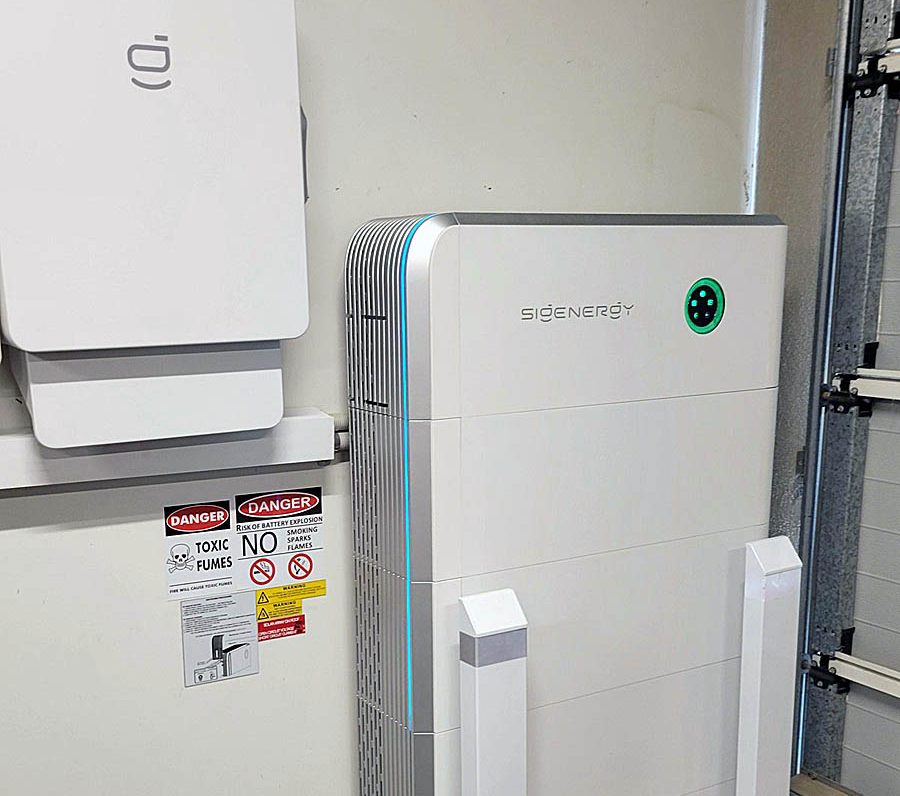
Adding a battery to existing solar doesn’t necessarily trigger NSW’s new emergency backstop requirements.
Why Internet Connectivity Matters
New backstop-enabled solar systems must use compatible equipment capable of communicating with the electricity distributor over the internet.
The technical standard is called CSIP-AUS, but homeowners don’t need to become experts in communications protocols. What matters is that the equipment and its communications arrangement are supported by the relevant network.
If the installer selects equipment that isn’t supported by the electricity distributor, the homeowner could face export restrictions even when there’s no emergency backstop activation.
For example, Essential Energy says equipment that hasn’t been onboarded to its utility server will be restricted to a fixed 1.5 kW export limit until the necessary support is available.
A 1.5 kW export restriction also applies where a new backstop-enabled installation doesn’t have reliable internet connectivity, or where an existing connection is lost for an extended period. Normal export limits can resume once communications are restored.
This doesn’t mean your solar panels stop generating electricity for household use. The restriction relates to how much surplus electricity can be sent into the grid. For a household expecting to export several kilowatts during the day, that could mean less feed-in tariff income.
The message for buyers is simple: make sure your installer has confirmed compatibility with the network, not just that the inverter is advertised as CSIP-AUS compliant.
The Upside: Flexible Solar Exports
There’s a potential upside to the new communications requirements. The same technology used to implement the emergency backstop can also support flexible exports, where the amount of solar electricity permitted into the grid changes according to available network capacity.
Essential Energy, for example, offers eligible customers flexible export arrangements with upper limits of 5 kW or 10 kW per phase, depending on their connection approval. Endeavour Energy is also introducing flexible exports alongside its backstop rollout.
Unlike a traditional fixed export limit, a flexible arrangement may allow households to send more electricity into the grid when there’s sufficient capacity. It doesn’t guarantee higher exports all the time, but it’s worth asking about when comparing solar quotes.
For New Builds, Solar Approvals Could Expire Before You Move In
The new emergency backstop rules come with deadlines that could affect new builds that are taking longer than estimated. It’s about timing the commissioning. This could catch out homes that don’t have internet installed by handover.
In Ausgrid’s area, solar approved before 23 November 2026 must be commissioned by 22 May 2027. In Endeavour Energy’s area, systems approved before 1 February 2027 must be installed by 30 April 2027. If a homeowner or builder misses the cut-off, a new application is needed under the new rules.
What Should Homeowners Check Before Installing?
It’s the installer’s responsibility to ensure the system meets the technical requirements, so homeowners shouldn’t have to navigate the regulatory details themselves. However, before going ahead with a new solar or battery installation, it’s worth confirming three things:
- Whether the new rules apply to your installation, particularly if you’re upgrading existing solar or adding a battery.
- Whether the proposed equipment is compatible with your electricity distributor’s requirements.
- What export limits will apply, including any restrictions if your internet connection fails.
The emergency backstop itself is expected to be activated only rarely. For most homeowners, the new rules should make little difference to how they use their solar or battery system day to day.
If you’re considering solar or a battery in NSW, SolarQuotes can help you find reputable local installers who understand the new requirements.
For more on how similar rules work in other states around the country and what these rules are for, read our guide to the emergency backstop mechanism.
 About Kim Wainwright
 RSS - Posts






Speak Your Mind