
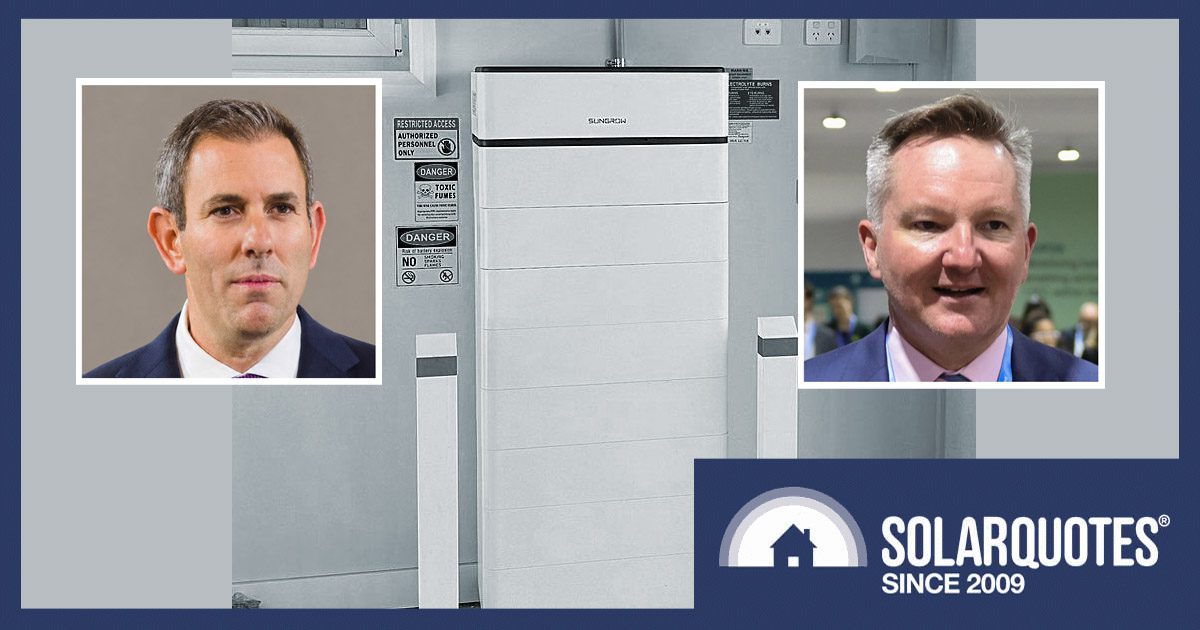
The federal Treasury is preparing savings measures as pressure grows to cut the federal battery rebate and EV subsidy in the face of inflation, but clean energy advocates warn such a move would be counterproductive given the measures are putting downward pressure on electricity and fuel prices.
Why Are Battery & EV Incentives Under Pressure?
Inflation reached 4.3% in the year to September – prompting the Reserve Bank to hike interest rates for the fifth time this year.
Some economists think the government should reduce federal battery and EV incentives to help curb inflation.
The Opposition wants to go further. In October, it released a plan to axe both programs completely, should it win the next federal election in 2028.
In the meantime, shadow energy minister Dan Tehan is keeping up the pressure.
“If Treasurer Chalmers wants to seriously tackle inflation, he should start by stopping [Energy Minister Chris Bowen]’s batteries blowout – and then continue with Labor’s Net Zero agenda,” Tehan said.
Treasury Looking At Battery Rebate Cuts
The Australian Financial Review reports that Treasury is preparing options to scale back the $7.2 billion Cheaper Home Batteries Program, including further reductions to the upfront subsidy available to households. The move could put Treasurer Jim Chalmers’ cost-cutting drive at odds with Bowen, who has continued to publicly defend the scheme.
More than 600,000 battery systems have been subsidised since the scheme launched in July 2025, a milestone Bowen celebrated on social media on Friday. And demand shows little sign of slowing, with take-up happening far quicker than originally anticipated.
Despite changes introduced in May to reduce subsidies and rein in government spending, around 35,000 home batteries are still being installed every month.
The government first set aside $2.3 billion for the program. In December 2025, it raised that to $7.2 billion.
Treasury’s options reportedly include lowering the subsidy available on the upfront cost of a home battery or requiring participation in a virtual power plant.
With Chalmers now searching for savings ahead of December’s Mid-Year Economic and Fiscal Outlook (MYEFO), the battery subsidy has attracted renewed attention.
Ministers Defend The Scheme
Environment Minister Murray Watt confirmed on Saturday that ministers had been asked to identify savings across their portfolios, but praised the battery program as “phenomenally successful”.
Speaking in Brisbane, Watt said potential savings were still being considered through the government’s Expenditure Review Committee.
Meanwhile, Bowen has continued to promote the benefits of the battery program, arguing that widespread household storage is helping reduce electricity costs, including for people who don’t own batteries.
What About The EV Incentive?
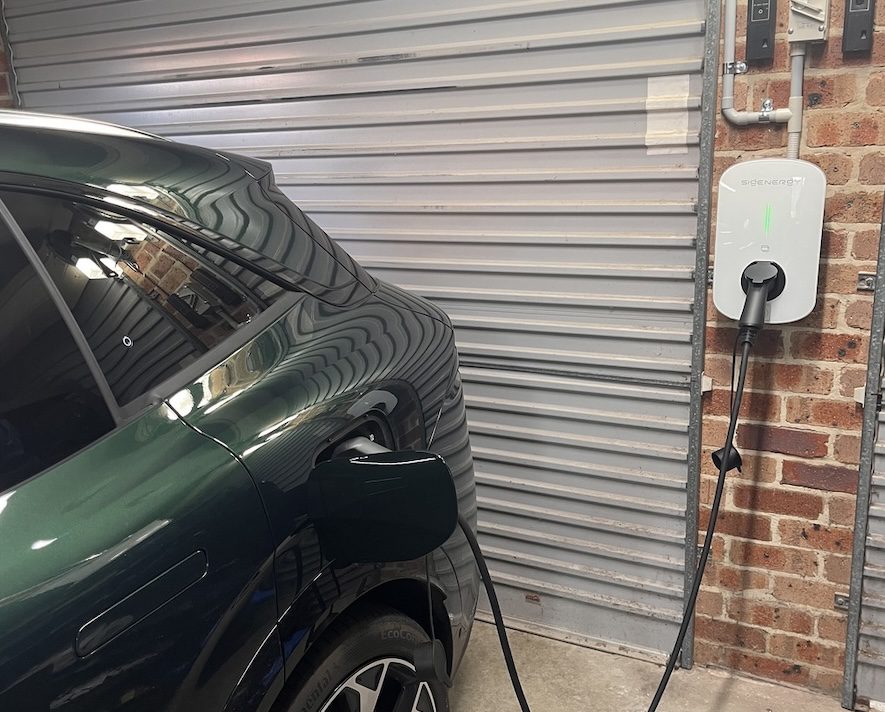
Calls are growing to cut a tax break for EV owners. Image source: Summit and Shore Energy
There is also growing pressure to slash a tax break for novated leases, which allows the cost of a car lease to be taken directly from an employee’s salary, before taxes are taken out. With a petrol car, a separate tax called Fringe Benefits Tax shrinks the savings, but EVs are exempt.
The EV tax break has cost far more than planned. When the tax break was introduced in 2022, it was expected to cost $205 million over four years. Instead, it cost $2 billion in its first three years, the government’s own review of the scheme found.
Critics say it mostly helps people on high incomes. That’s because the higher your tax rate, the more the tax break is worth. The government’s review cites an industry-commissioned report that found that about 48% of EV buyers earn over $150,000. Only 35% of Australian drivers earn that much.
Prime Minister Anthony Albanese over the weekend declined to rule out means-testing subsidies for both home batteries and electric vehicles.
Would Cutting Either Program Backfire?
Supporters of the two schemes argue that both incentives are curbing inflation, not fuelling it.
Petrol is one of the biggest drivers of fuel prices, which jumped almost 15% in August and another 9% in September – the surge of Australians flocking to EVs is reducing pressure on fuel stocks curtailed by conflict overseas.
Gas price rises are also a contributing factor to inflation, while the battery rebate has helped drive wholesale electricity prices down.
Clean energy advocacy group Rewiring Australia is pushing back against the prospect of cuts.
“The inflation spike of the last few years was powered by fossil fuel prices. Every household still running on petrol and gas is exposed to the next price shock, but a home that electrifies is protected from it,” Rewiring Australia founder Saul Griffith said.
Here’s how his main arguments stack up:
- Fuel is driving inflation. Petrol prices were a major factor in the latest inflation figure.
- Batteries lower power prices. Home batteries help, but so do big grid batteries. And wholesale prices are only one part of your power bill.
- Paying off an EV or battery slows spending.
“A household that sacrifices salary for an EV, or takes a loan for a battery, has less money to spend elsewhere in the economy for years. That’s the opposite of a cash handout,” Griffith added.
National Automotive Leasing and Salary Packaging Association CEO Rohan Martin meanwhile says the tax break is helping families in the outer suburbs.
“These aren’t inner-city elites. They’re families in Werribee, Tarneit, Kellyville, and Marsden Park who have a mortgage, a long commute, and are counting every dollar,” he said.
Changes Are Already On The Way
Both the battery and the EV subsidy are already scheduled to be reduced, under changes introduced over the past year.
Battery rebate changes:
- In May, new rules for the scheme came in which particularly reduced the incentive for large batteries, which triggered a stampede for batteries – about a fifth of all the battery storage installed under the rebate so far was installed in April 2026, just before the cut;
- After the cut, buyers chose smaller batteries. The average size fell from 36 kWh in April to 23 kWh in May and June, the Clean Energy Regulator says.
- The next scheduled cut comes on 1 January 2027. This reduction is already locked into the rebate timetable and is separate from any further cuts Treasury may be considering. Use our battery rebate calculator for an exact figure.
EV incentive changes:
- The full EV tax break stays until 31 March 2027.
- From 1 April 2027, EVs costing more than $75,000 receive a smaller 25% discount instead.
- From 1 April 2029, all EVs get the smaller discount.
- Existing leases won’t change;
- The government says these changes will save $1.7 billion over five years.
For details of the current discounts and eligibility requirements of the federal battery rebate, see our guide to the Cheaper Home Batteries Program. To see if switching from a petrol car to an EV is worth it for you, use our EV Charging Costs Calculator.
SolarQuotes writer Jacob Boyd contributed to this report.
 About Kim Wainwright
 RSS - Posts





Speak Your Mind