
I reckon this is my 100th Phase Shift, and I’m running out of fat to chew when it comes to home electrics. So I’m gonna write about mountain biking instead.
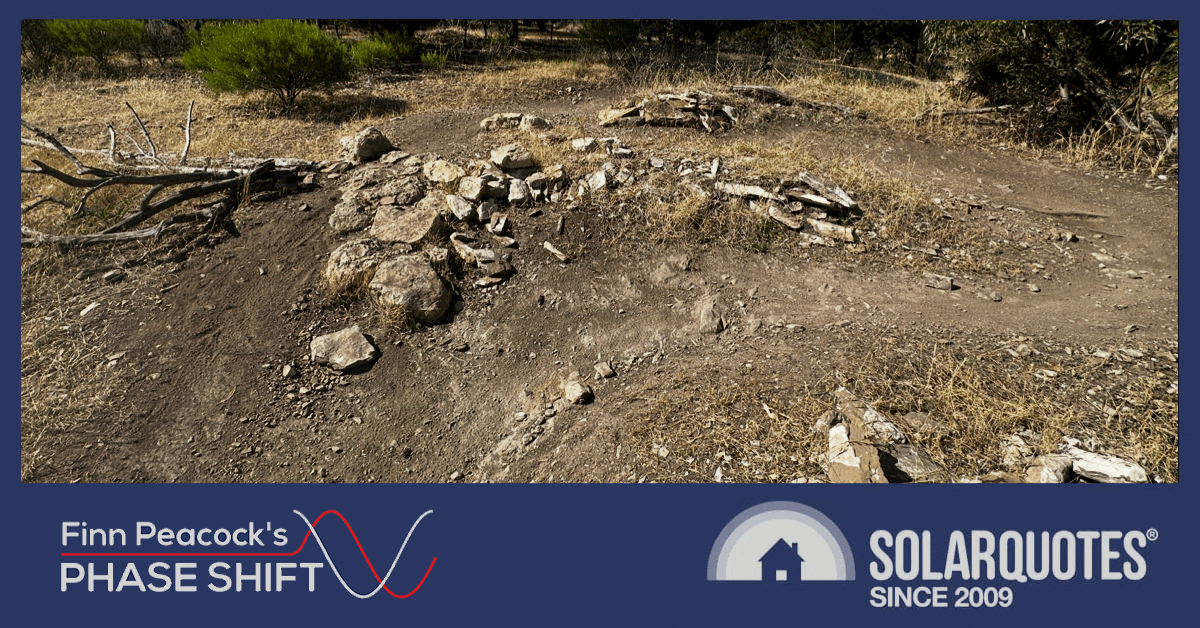
A third of the way up a mountain bike trail near me is a little rocky climb with two lines.
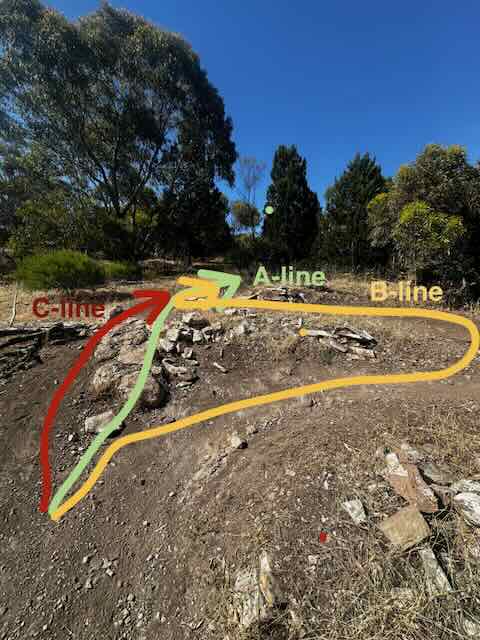
One is the A-line – straight up the rocks. It’s a little technical, but pretty straightforward when you find the right gear and work out where to shift your weight. Tricky in the wet, though.
The other line, the B-line, does a short detour to the right and is a much easier but slightly slower route. Riders call this the chicken line. The whole thing is designed as a choose-your-own-adventure.
Lately, though, there’s a third option: the C-line. A dirt chute on the left side that skips the rocks and the single-track switchback. It hasn’t been put there by trail builders, but by the riders themselves. It’s cheating, and it risks making the whole rock feature pointless.
Battery installers face the same three options whenever someone asks them to install a backup system.
A few weeks ago, I wrote that you absolutely do need backup. This post is about which path your installer will choose to get you there.
The A-Line: A Well-Designed Partial-Backup System
With a good installer, you’ll start by figuring out what you need to keep running when the grid goes down. Some examples of critical loads might include your fridge, lights, internet, bedroom split system, and bore pump. The non-critical loads, such as the pool heater, oven, EV charger and ducted air, can safely be excluded.
During a power outage, the only electricity you’ll have is coming from your batteries and solar panels. If you have a large load on your backup system, you might trip your inverter if it’s too power-hungry (more kW than your inverter can handle), or you might drain your battery in the time it takes for the grid to come back (too many kWh). A properly designed partial backup system will avoid both problems by simply excluding these loads.
Does your pool heater really need to be on during a power outage? Of course not. What you want is a system that keeps your essential loads running until the grid returns. This path requires a skilful installer who knows how to size your system to the loads you’ve chosen and the continuous and surge ratings of your inverter. It usually involves moving the circuits you’ve decided to use to a separate, backed-up section of the switchboard and requires more thought and labour than a rushed subbie might be willing to give.
It’s the best solution for most houses, as I wrote back in January.
The B-Line: Whole-home Backup
Alternatively, you can buy a big inverter (kW maxxing) and a big stack of battery modules (kWh maxxing), add a backup gateway, forget about segregation and just back up the whole enchilada.
Right now, a maxed-out Sigenergy system is the popular choice.
With a gateway, it’s super easy for the installer because they don’t need to do any circuit-by-circuit rewiring; they just put the gateway between the grid and your switchboard.
It’s a good, but expensive solution. And as a bonus, under normal circumstances, you can sell excess battery energy into the grid in the evening for a premium feed-in tariff.
The C-Line: No Backup
This is the line you take when your installer tells you backup is too difficult, will void your warranty, or just isn’t worth the trouble, and installs a system that dies when the grid goes down. This is the easiest installation and the cheapest quote. A growing number of cheapskate retailers are going this route.
How The C-Line Spoils It For Everyone
On the mountain bike trail, the shortcut makes the rock garden pointless. On the battery market, it’s worse.
The installer who quotes you for a well-designed backup system suddenly looks more expensive than the retailer who doesn’t do it, and many people just don’t understand why.
Taxpayers have subsidised half a million home batteries through the Cheaper Home Batteries Program. Thousands of them will die the moment the grid does, not because the batteries can’t provide backup, but because someone couldn’t be bothered to wire up the backup.
I bet those same installers take the C-line on their mountain bikes too.
Phase Shift is a weekly opinion column by SolarQuotes founder Finn Peacock. Subscribe to SolarQuotes’ free newsletter to get it emailed to your inbox each week along with our other home electrification coverage.
 About Finn Peacock
 RSS - Posts





Speak Your Mind