
A recent solar social post made a vivid point about the economic cost and outright danger posed by bad workmanship and ignorance.
So I thought it would be worth examining here to explain why we have standards and why, in a first-world society, you have to be prepared to employ people who know what they’re doing.
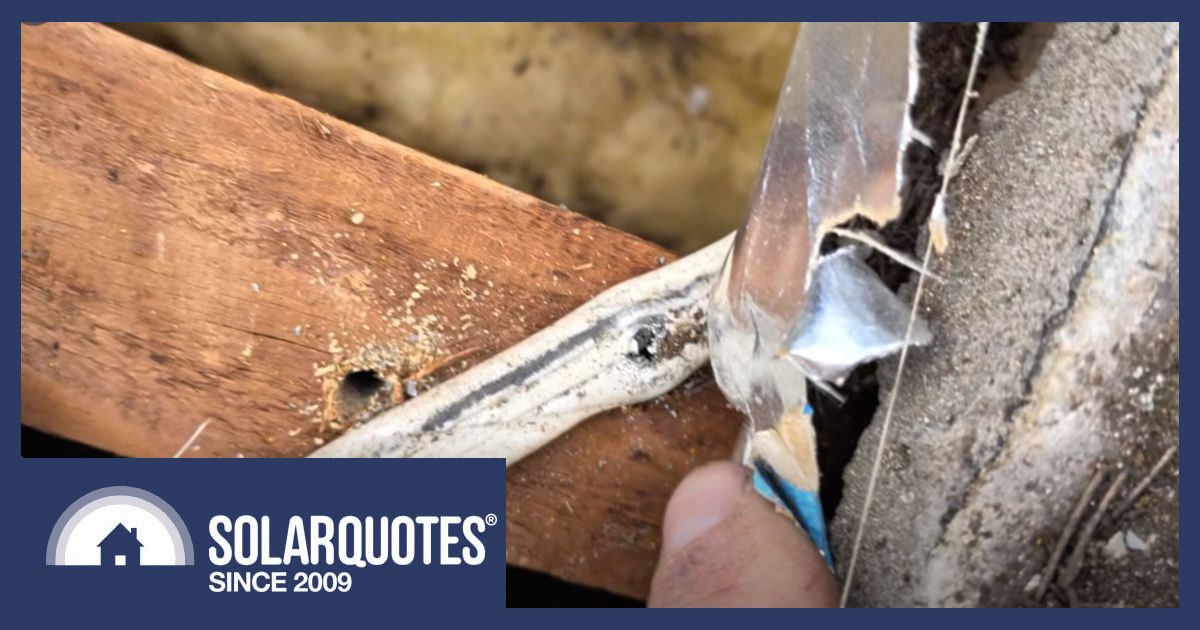
The photo above shows a garden variety AC power cable that was run through a tile roof by a thoughtless imbecile or DIY enthusiast.
That hole you can see punched through the cable was made by a tile bracket screw. To quote the industry professional holding the screw gun, he “nearly [florid expletive] died” in the process and I don’t blame him for swearing.
Why didn’t this bloke with the power tool look where he was pointing it? Well, he did, it’s just that the cable in question was placed illegally and rendered invisible by a conductive layer of foil sarking.
Rules Are There For A Reason
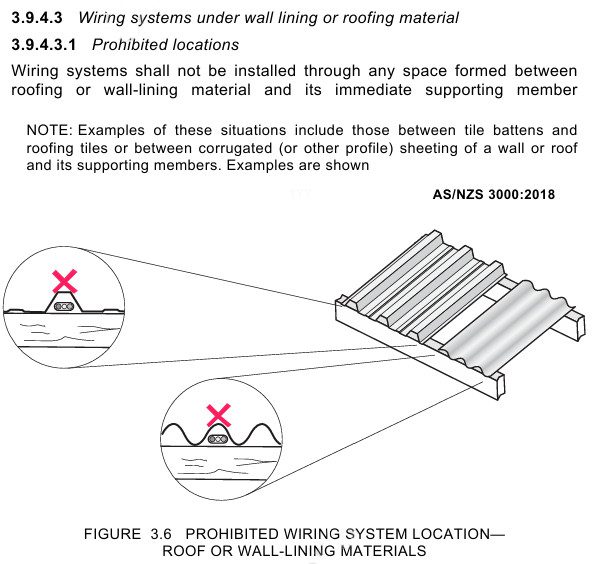
Threading wires over the top of a rafter might be quick and easy, but anyone familiar with AS3000 knows full well it’s a cardinal sin to run wiring within 50 mm of a finished surface, precisely because it’s easy to drive a screw or nail through it when you don’t know it’s there.
Roof tiles are a finished surface, and if you’d like to argue the rafters are 50 mm below it, there’s a special place in hell for you to listen to kids who lost their Dad in an industrial accident. Thankfully, this accident didn’t claim anyone because the circuit breaker tripped as designed, the safety standards were adequate, the system worked.
And that’s just the thing. A true patriot gets a parking fine and rejoices that the system works! So I guess we should be pleased when laws are enforced, and people realise the consequences of their actions, but the grubs who did this little bit of wiring aren’t likely to be caught.
Exceptions Are Few
You can carve a channel into masonry walls, secure wiring, and plaster over the top with sand and cement; that’s acceptable for a single-leaf brick wall on edge or a solid stone wall.
Australian houses are generally framed with 90 mm timbers. Once you add 10 mm of cladding on both sides, there’s enough wiggle room to run a cable down the middle and still be 50 mm from each surface. If your walls are thinner or there’s some obstruction, the wiring must be mechanically protected by at least 2 mm of steel. The easiest way to imagine that is a piece of galvanised water pipe, or in other words, something pretty much nail-proof.
RCD Safety Switches Save Lives
It’s a legality that if you change the supply by adding a battery, everything downstream must be brought up to current standards. Sadly, some unscrupulous operators ignore the requirement or lay it as a trap when offering a cut-price quote.
When considering a solar, or especially a battery system installation, you’ll often need to put aside a separate budget for switchboard upgrades, even if it’s just to make more room. The fact of the matter is that the rules were updated in April 2021, so if you haven’t had an electrician visit in the last handful of years, there’s work to be done. From 30 April 2023, Type AC RCDs were prohibited in new installations, alterations, additions, and certain replacements.
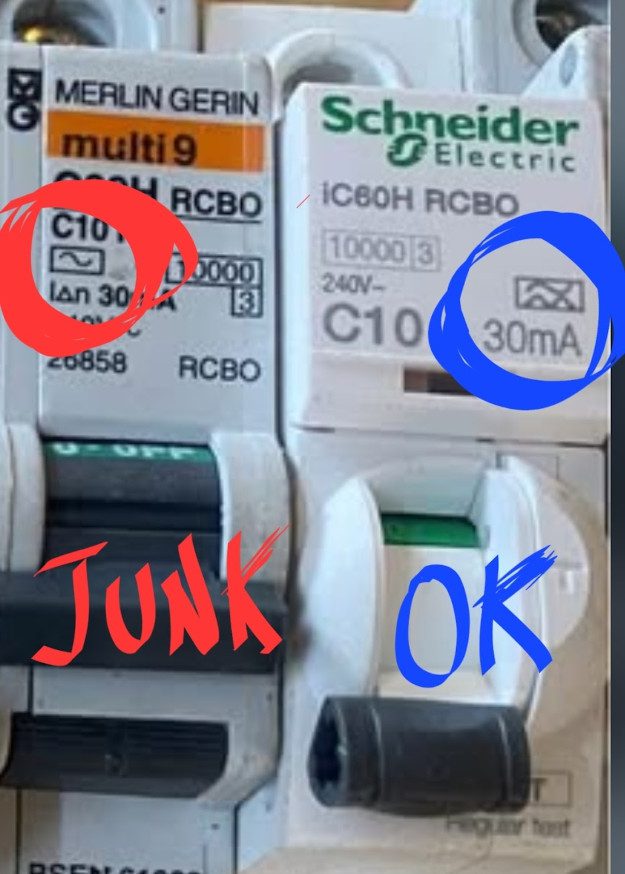
Type AC safety switches (on the left) are better than nothing; however, if you get a quote for a switchboard upgrade over the phone and they ask for pictures, these symbols must be legible. Otherwise, you are better off replacing the whole lot.
Electrical Fires Aren’t Uncommon
I’ve recently attended a house to examine the aftermath of a fire that started under an inverter, next to a battery, in a domestic garage. It didn’t make the news, and when I quizzed the Office of the Technical Regulator, they didn’t really raise an eyebrow. These things happen sometimes, and when you put in large solar power systems, they’ll crop up more often.
Not to be alarmist, it’s just a fact that when you’re using more electricity in a modern all-electric home, there will be more chances for things to go wrong.
Every day is a thermal cycle: every time you use an appliance that draws heavily on the mains, or every day you move lots of power to or from the grid for hours on end, the wiring and connections are heated and cooled. Eventually, the connections can relax, and when things start to get loose, then bad joints under high load cause excess heat, and the vicious circle ramps up until a terminal blowout or blowup.
I digress because that’s a story we’ll cover in more detail soon.
You Don’t Know What You Don’t Know
I’ve written before about standards and about DIY electrical. I’ve been flamed by the handymen in the cheap seats and I get it, you’re out to save money like they do in the UK. The thing is, many don’t appreciate rules, like keeping cables 50 mm away from walls, floors, roofs, or ceilings. Even if they’re not deliberate, they simply don’t know they’re cutting corners.
Electricians, and indeed the general public, rely on everyone adhering to standards, following conventions, and abiding by the law because it keeps us all safe.
And remember, when you buy a few items from the hardware shop, on the shelf with a “licensed trades only” sticker on it, you might not save much. When you ring an electrician and ask for a price, there’s every chance they’ll double the estimate if you say “I’ve already got all the gear” because nobody likes working with cheap junk for cheapskates.
Pics Or It Didn’t Happen
I’ve broken this short video down into the salient points with a few explainers. Shout out to Paul from Brightside Solar for making people aware of this crap.
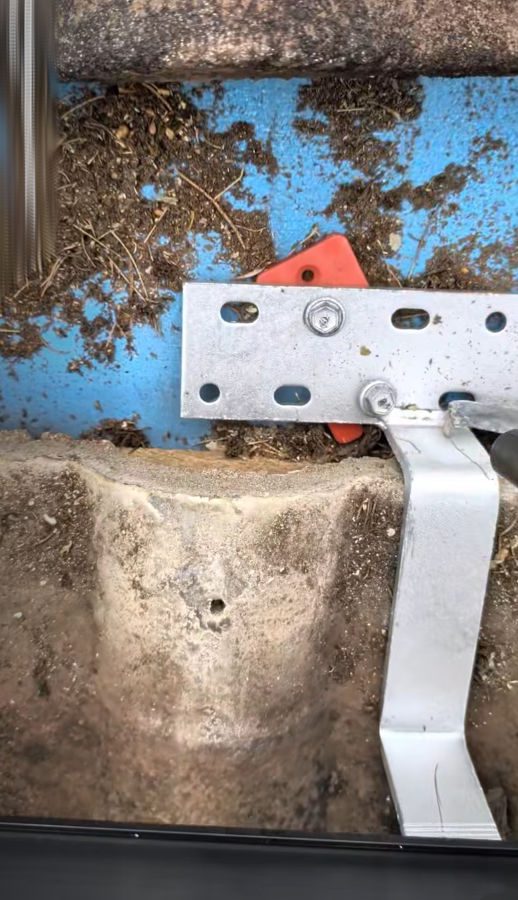
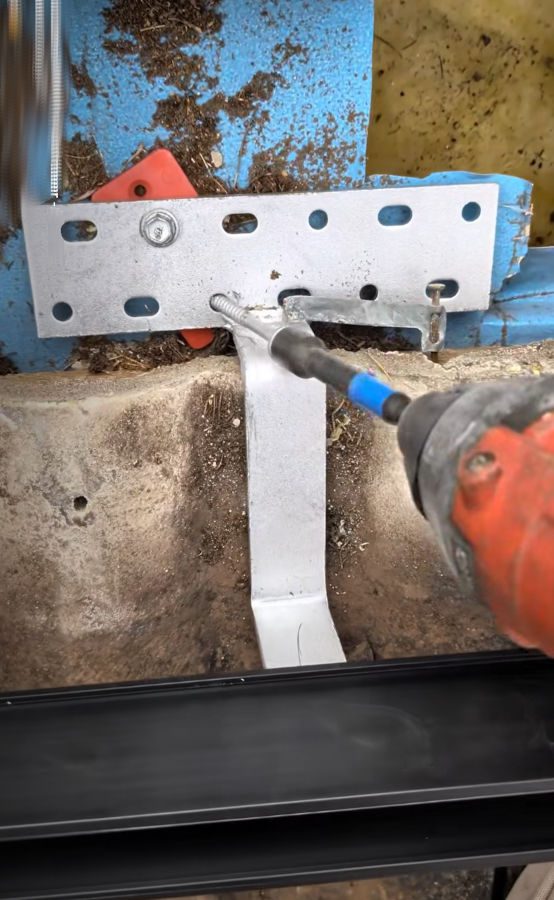
Perfectly standard tile bracket screwed down to a rafter
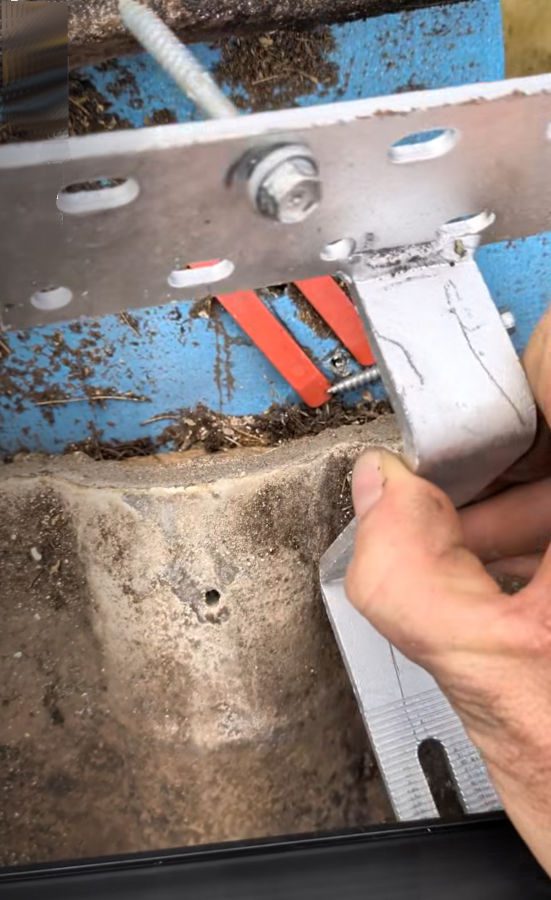
Screw out & zoom out to see the blue foil sarking has been cut to find out what’s going on here
Remove the stainless steel bracket
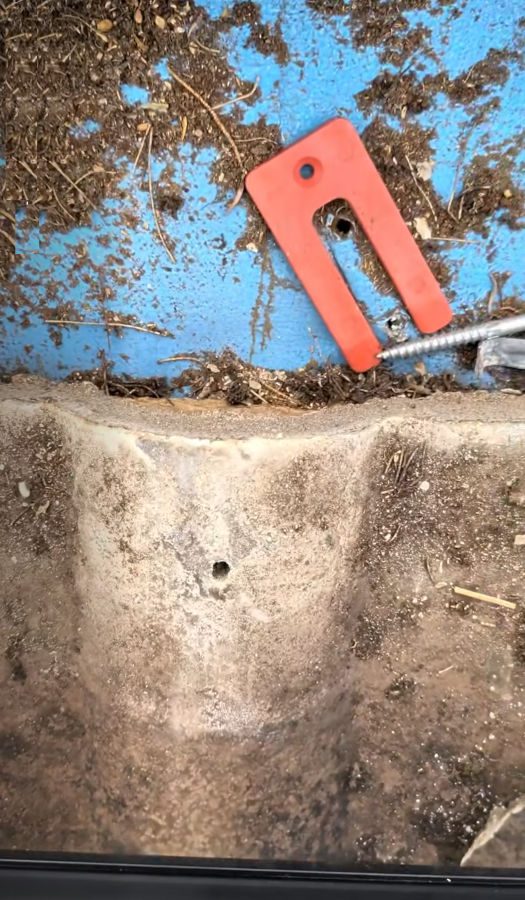
The plastic packer prevents the bracket from crushing & breaking the tile. Different profiles need different spacers or brackets.
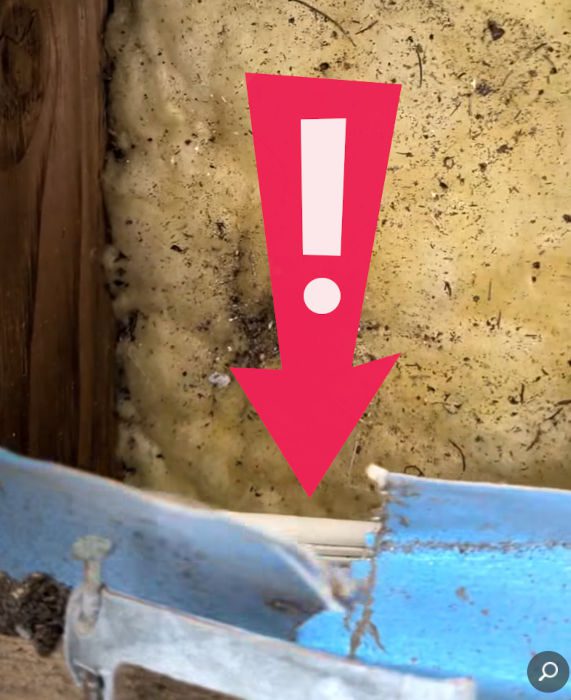
WHAT have we got HERE?
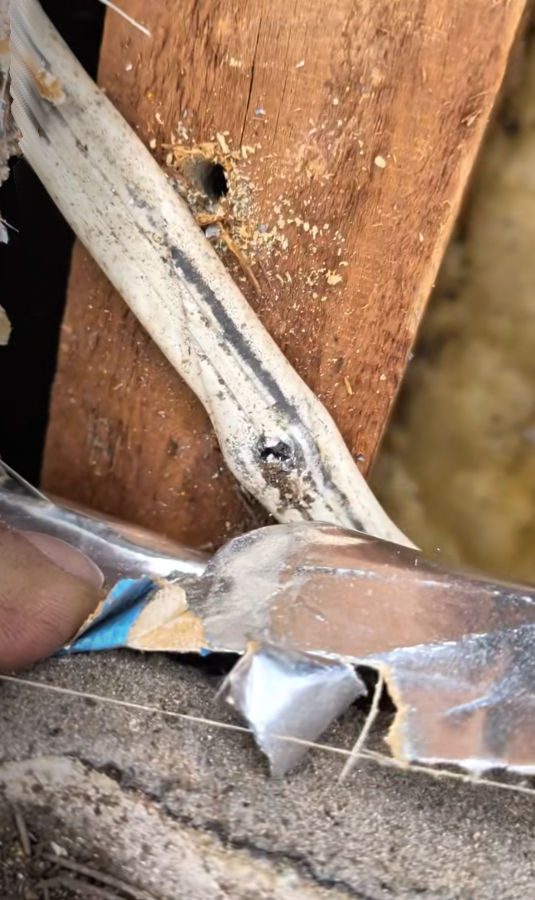
Oh that’s no good. That doesn’t belong there. Hopefully, there’s enough slack to cut and repair this cable.
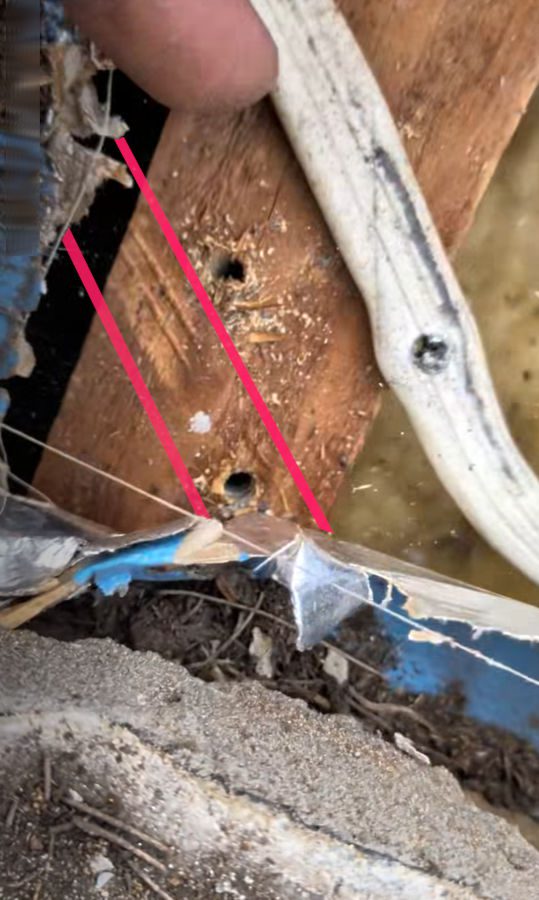
Even if it wasn’t pierced, the cable had been crushed so tightly under the bracket that it’s now impressed a pattern on the timber rafter.
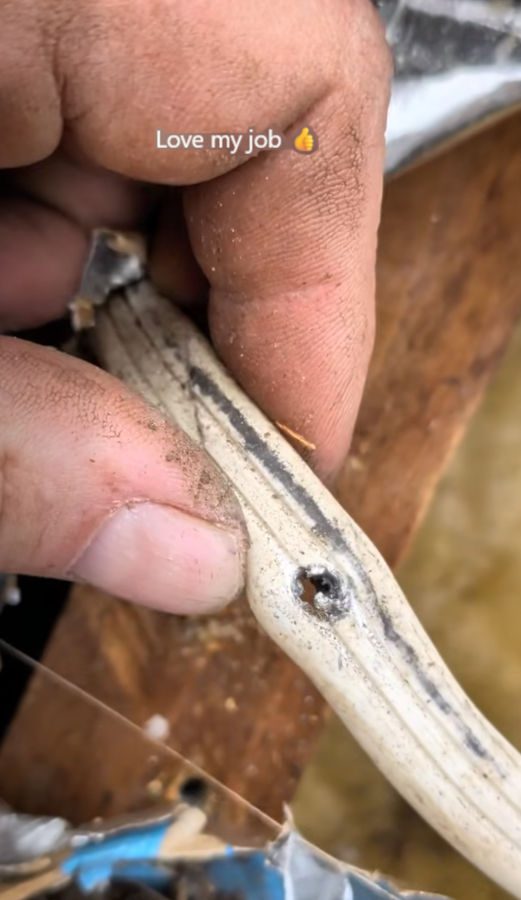
Grubs… It’s the understatement of the year.
What I’d really like to see is better-resourced state government regulators who could inspect and police this sort of practice. While governments have spent well on incentivising the new energy systems we need, they haven’t put additional money into the technical regulators who have the power to impose fines or strip licences from dodgy operators.
If a hidden wiring fault can nearly take out a professional electrician, it’s worth knowing what to ask before anyone touches your switchboard. Standards exist because they save lives. Get quotes from vetted installers who won’t cut corners like this one did.
 About Anthony Bennett
 RSS - Posts





Great article you wrote there.
Gerard
The same people who make political milage out of “too much red tape in the nanny state” also do so from deaths caused by not enough of it; pink battery fiasco springs to mind.
Thanks Anthony.
1000 plusses from here.
Red tape saves lives.
Electricity is useful but very dangerous when abused and let loose accidentally, best to take advice from a professional. Rule one THINK then act.
While I won’t say anything about who but this reminds me of a fairly recent experience of being rather disturbed to find that i as a technically inclined layperson actually knew notably more about the required standards then the electrician we had doing work on my home.
Personally, I think the single biggest failing of the standards are that they are not freely available. They should be easily and FREELY accessible absolutely everywhere- regardless of trade or disposition.
The more people that are aware of what exactly the standards are, the more it can be enforced. Walled gardens breed rot.
Absolutely agree ! I am a retired electrician and know that trying to keep abreast of changes in the Regs costs heaps buying all the updates etc . They should be available on line for free .
I
They will be free shortly. The federal government has committed to make access free for those who need them.
But honestly – the cost of the standards was just another part of doing business that gets passed onto the customers – same as buying consumables, putting fuel in the work truck etc.
In FNQ we don’t have the luxury of changing suppliers for a better deal.
I notice on my last bill that (Lack of) Service fee has risen to over $50 per month ie $500 per year and Feed In Tarif has fallen to $0.06 cents per Kwh.
Wonder if giving Data Centres great deals has anything to do with this.
I also wonder if people with solar panels get jacked off enough and turn off their inverters for a day, week or a month, what would happen.
I got fed up with the pittance they pay for my solar so limited it to max 2kwh
Hi D,
I like to look at it the other way. Every kWh you export hurts the coal industry. Make ’em pay for the pollution they spew.
So wiring run down a wall cavity to retrofit an appliance or run wires to a switch leaving them loose in the cavity are a defect?
Wires left loose in walls for an owners sparky to install appliances after hand over are not compliant either?
As there are no electrical inspections on new houses how many would meet AS3000?
Having met two people who moved their own meter boxes to a new location, nothing surprises me. Yes there was a live overhead connection to houses at the time.
Hi Matt,
Leaving wires loose, so they can move in a wall cavity, is a requirement mentioned in AS3000.
The idea is you either armour cable to protect it, or allow it to move out of the way if an errant screw or nail pierces the wall.
The main requirement is that cables be adequately supported and protected from overload, which varies wildly depending on how well the cable can dissipate heat.
Moving a switchboard is not in any way shape or form legal for DIY.
Today, there is no difference between the DIYs and the trades, both are very risky. Our house was built in 2000 and a few years later the bathroom fan and heater lights started playing up, then they started tripping the breaker. I was going to call a sparky but I thought I should have a look. I’m glad I did as the active wire was twisted and just jammed inbetween the connector and the plastic housing. Every sparky, after tightening would do a test pull on the wire, what went wrong here? Sure have standards, but self regulation is a complete failure. We were very lucky as the wiring was getting to a point of tricking the breaker, which needs to be looked into.
Just because you have a piece of paper, it doesn’t mean a thing, yes have standards but allow house owners to do their own work as well. The insurance covers everyone’s work.
Eric,
Sounds like you’re a fan of the NZ laws. Same AS3000 rules, different interpretation! In a nutshell our Kiwi cousins can wire their own houses as long as they don’t enter the switchboard.
Sounds like a bit of a beat up to me – it is a legal requirement for the power to be off when working in a roof cavity these days.
One would assume if your screwing panels on, you are also running cable through the roof…
Not necessarily Andrew. I have no roof penetrations that go into the roof cavity.
I have also had work done by a licensed electrician who stripped thread on a grubsrew. But left it that way knowing this. His other mistake was telling someone he did this at the time, not me.
His 3rd mistake was jamming a cable between a panel & racking, crushing cable. I couldn’t see this either but was without solar & battery use for a month, & $300, while they figured it out.
His 4th mistake was thinking issue was grub screw on the connector and wouldn’t use a $3 generic part from Jaycar but waited for an oem from China to find this not prob.
Had another install an ev charger that set it up so evse load was registered in Sungrow ap as power being exported to grid. Returned to do properly, had no idea. Someone else also came later, I kept tell him what issue was, where supply to evse had to be in relation to the sungrow meter and ct. “Dont tell me, I know wiring”. 2hrs later penny dropped.