
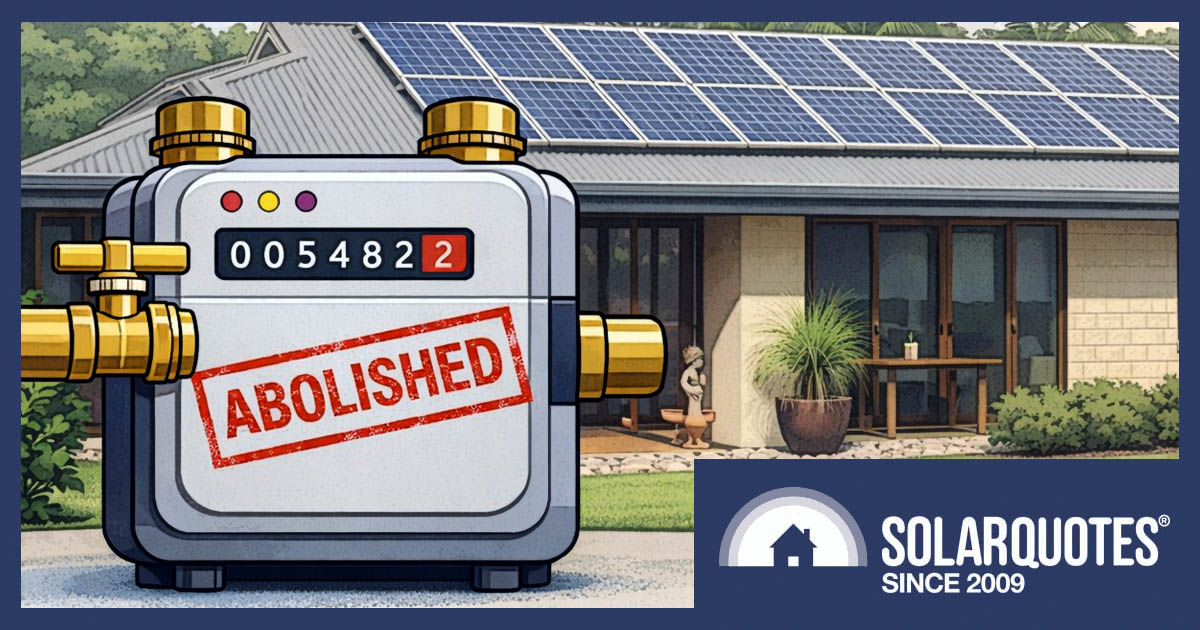
Households looking to disconnect from gas — and switch to electric alternatives — will soon have a clearer and more consistent pathway, following a final determination from the Australian Energy Market Commission (AEMC).
The changes introduce a formal system for “gas abolishment” — the permanent removal of a gas connection — to improve transparency, define responsibilities, and better manage charges as more households consider electrifying their homes.
What Has Actually Changed?
Leaving the gas network is now recognised as a service. Previously, regulations focused primarily on connecting homes to gas, with little guidance on permanent disconnection.
Under the new rules, gas distributors must offer abolishment alongside connection and disconnection, giving residents a consistent process when deciding to exit the network. Formal recognition of abolishment also clarifies responsibilities for providers and consumers, reducing confusion and helping prevent unexpected fees.
“Importantly, these rules do not create a barrier for customers who want to switch away from gas. Customers can make the switch and then decide whether to disconnect or abolish their gas connection based on what is right for their circumstances,” AEMC Chair Anna Collyer said.
A Clearer Approach To Costs
The determination reinforces a “user pays” approach: households requesting a service — including abolishment — cover the efficient cost of that service.
For homeowners, this improves understanding when seeking quotes and reduces uncertainty about what’s involved. It also addresses an underlying challenge for the gas system: as demand declines, fixed infrastructure costs risk being spread across a shrinking customer base. By linking charges directly to customers who trigger them, the Australian Energy Market Commission aims to limit cross-subsidies and ensure fairer cost allocation.
Currently, costs for abolishment vary by state and network. Some jurisdictions have price caps that keep fees low, while others may involve higher amounts. Permanently abolishing a connection can also be significantly more expensive than a standard disconnection, making it important for households to check with their local distributor for the latest pricing.
In states where caps apply, including Victoria and New South Wales, current arrangements are expected to remain in place until the end of existing regulatory periods later this decade, although future pricing will depend on state government decisions.
Guidance For Gas Customers
The new rules introduce obligations for both distributors and retailers to provide better guidance:
- Distributors — must provide quotes, outline expected timeframes, and explain what each service (disconnection or abolishment) involves.
- Retailers — must provide general information and direct customers to their distributor for detailed costs and timelines.
These obligations take effect on 1 October 2026 for distributors and January 2027 for retailers.
Homeowners will benefit from clear, upfront information on costs and processes, making it easier to decide whether to stay connected, disconnect temporarily, or fully abolish their gas connection. While fees aren’t directly reduced, improved transparency and guidance help homeowners plan their transition to electrification with confidence.
Adapting To Declining Gas Use
Beyond immediate consumer impacts, the determination reflects a shift in how the gas network is managed. Regulatory rules have traditionally assumed stable or growing demand, but increasing numbers of households are now leaving the network.
The AEMC emphasises that residents should be able to exit gas while ensuring charges are allocated efficiently and fairly (these rules apply to east coast gas markets; Western Australia operates under a separate regulatory framework).
For more on getting off gas, read our explainer on the costs of gas abolishment versus disconnection, and our deep dive on how much getting off gas can save you.
 About Kim Wainwright
 RSS - Posts





Speak Your Mind