
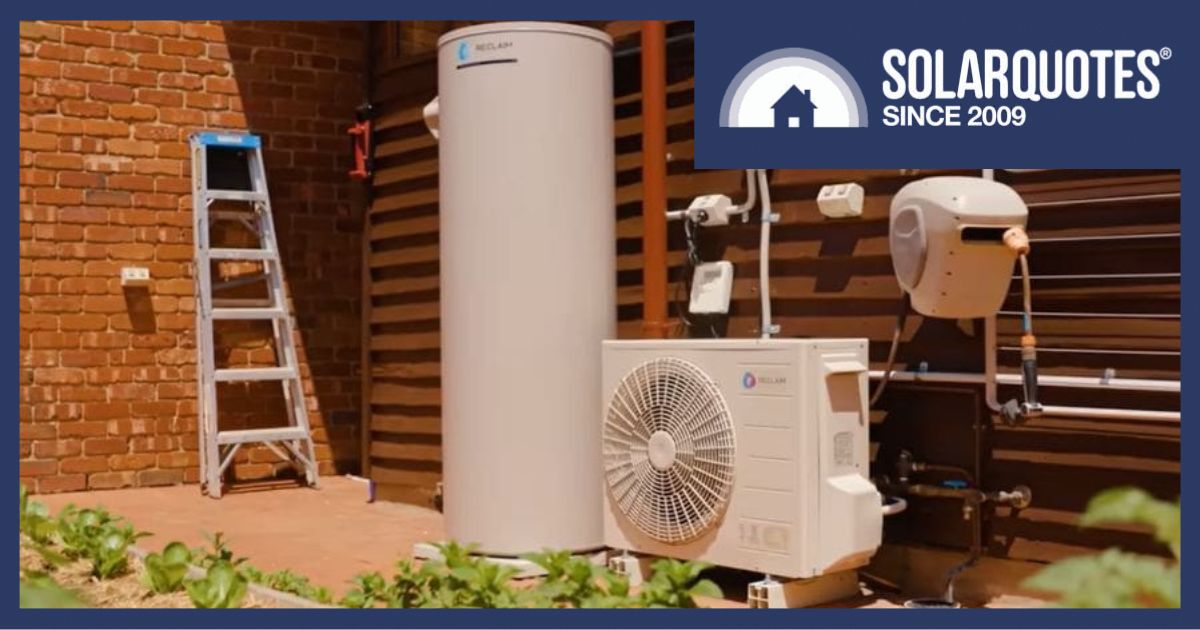
In the colder months of the year, your heat pump hot water system may need adjusting.
Heat pump hot water systems are highly efficient because they don’t generate heat in the same way as traditional electric hot water systems. Instead, they draw heat from the surrounding air and transfer it into the water.
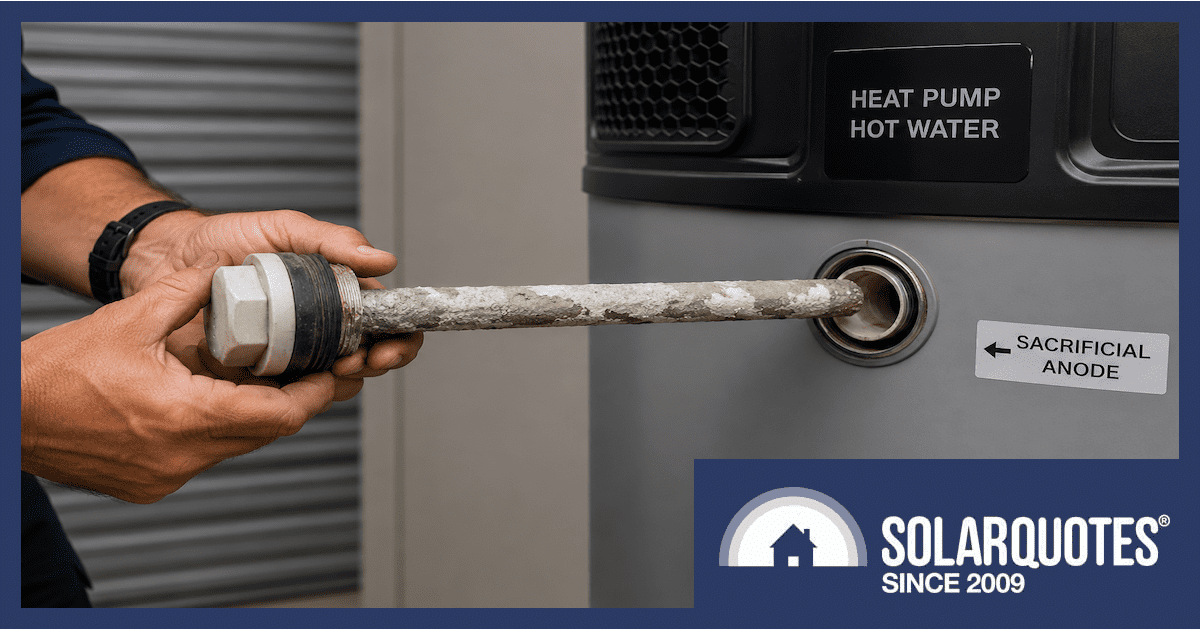 Heat pump hot water systems are the most efficient and cheapest way to heat water for your home. Regular servicing and a few simple checks can help maximise efficiency, extend the life of the unit and protect your warranty.
 If you’re getting scalded by the water pouring out of your taps or suffering through underwhelmingly tepid showers, there’s a likely culprit: the tempering valve.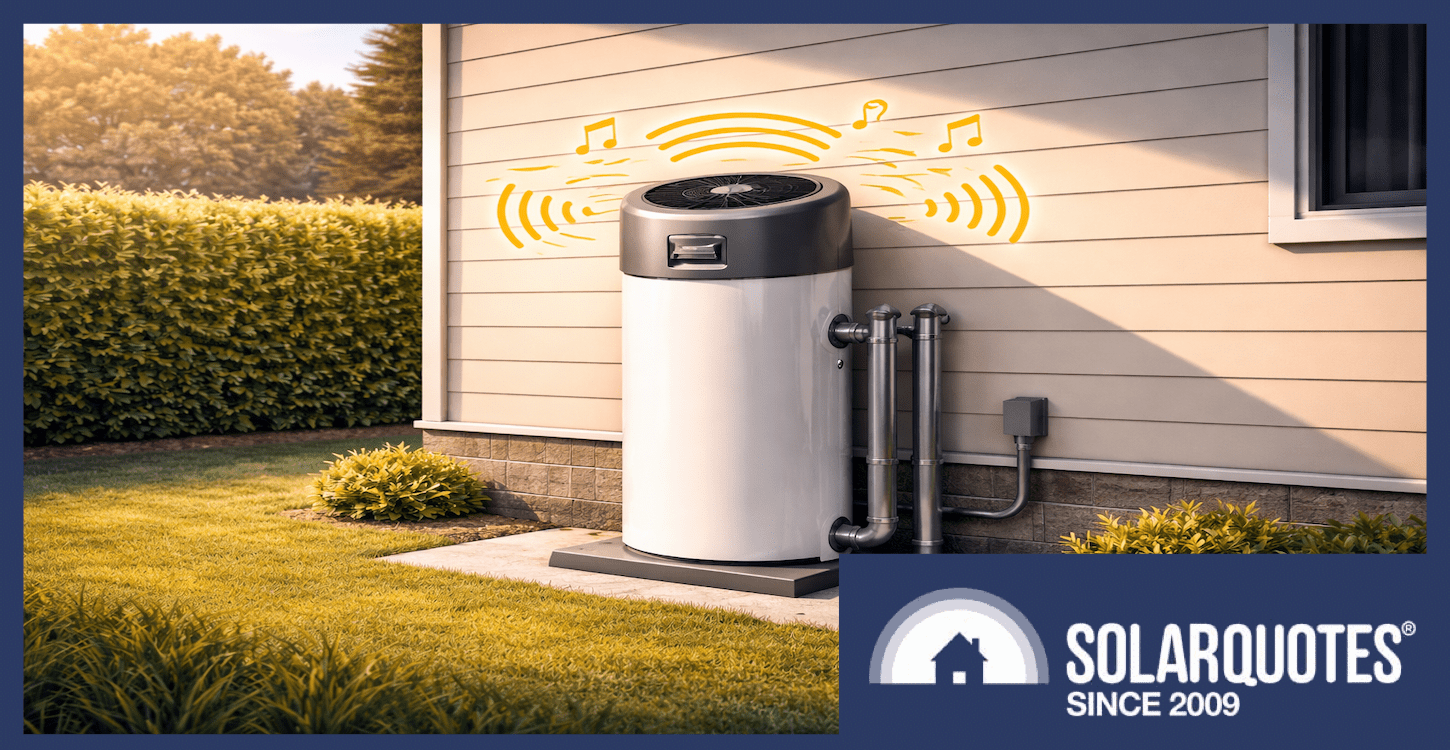
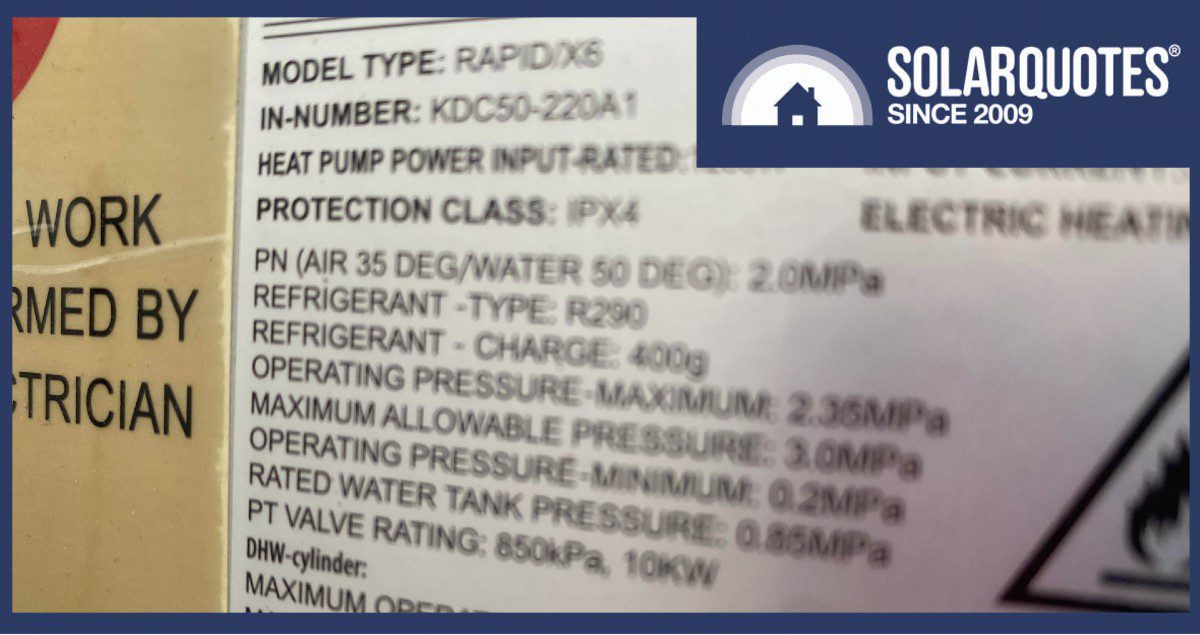 Refrigerants are the invisible workhorses of modern climate control. They play a critical role in the operation of both heat pump hot water (HPHW) units and air conditioning (AC) systems. These specialised chemical compounds cycle continuously to absorb heat from one area and release it into another, and are a large reason why split systems and heat pump hot water units are so efficient and cheap to run.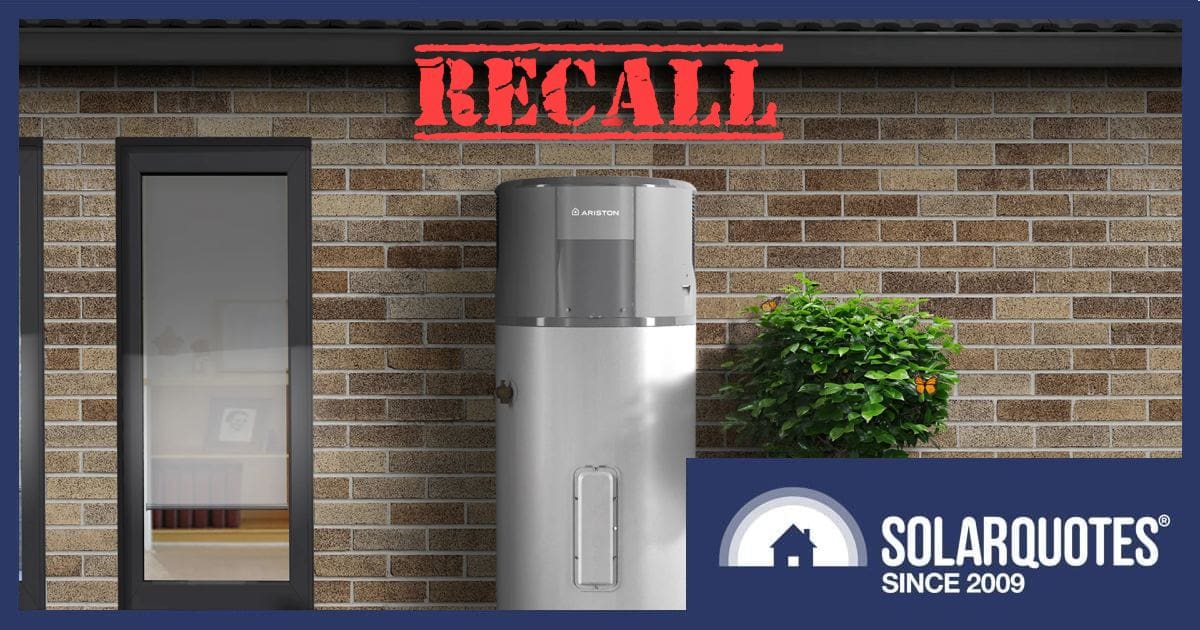
 When it comes to heat pump hot water units, one of the most important decisions you’ll make is choosing a tank big enough for your needs. As I’ve heard one commentator put it, “no one likes being left cold, wet and naked.”
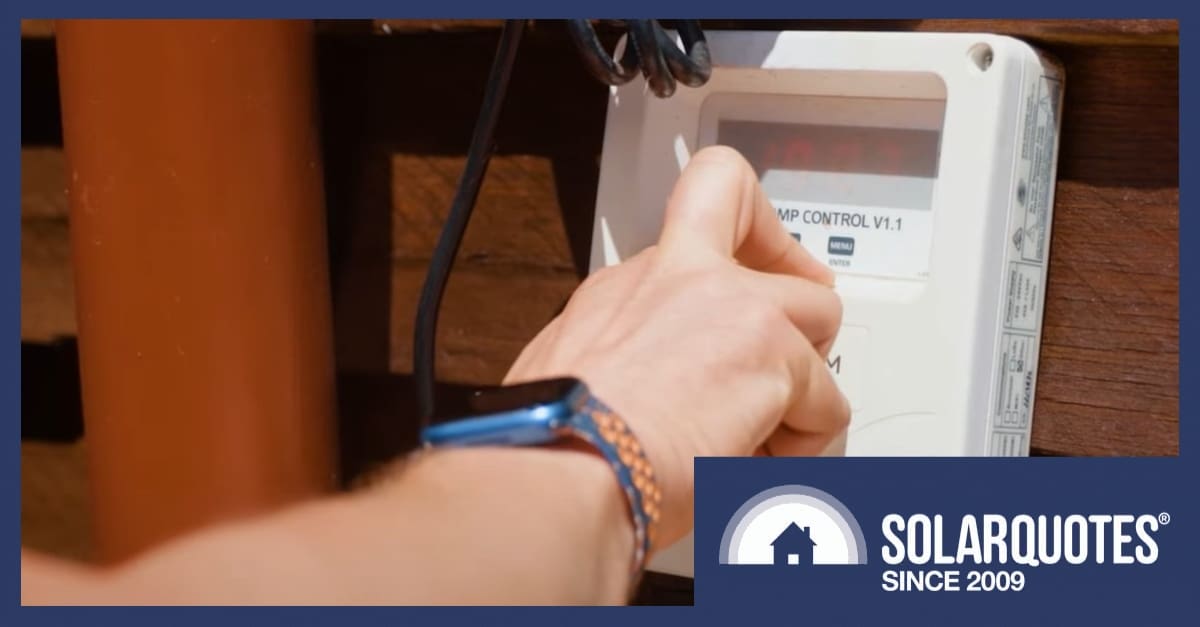 Hot water heat pumps can slash energy bills and carbon emissions due to their sheer efficiency, but take things to another level when timed to draw on cheap solar instead of expensive grid energy. Here’s what your heat pump needs to make this possible.
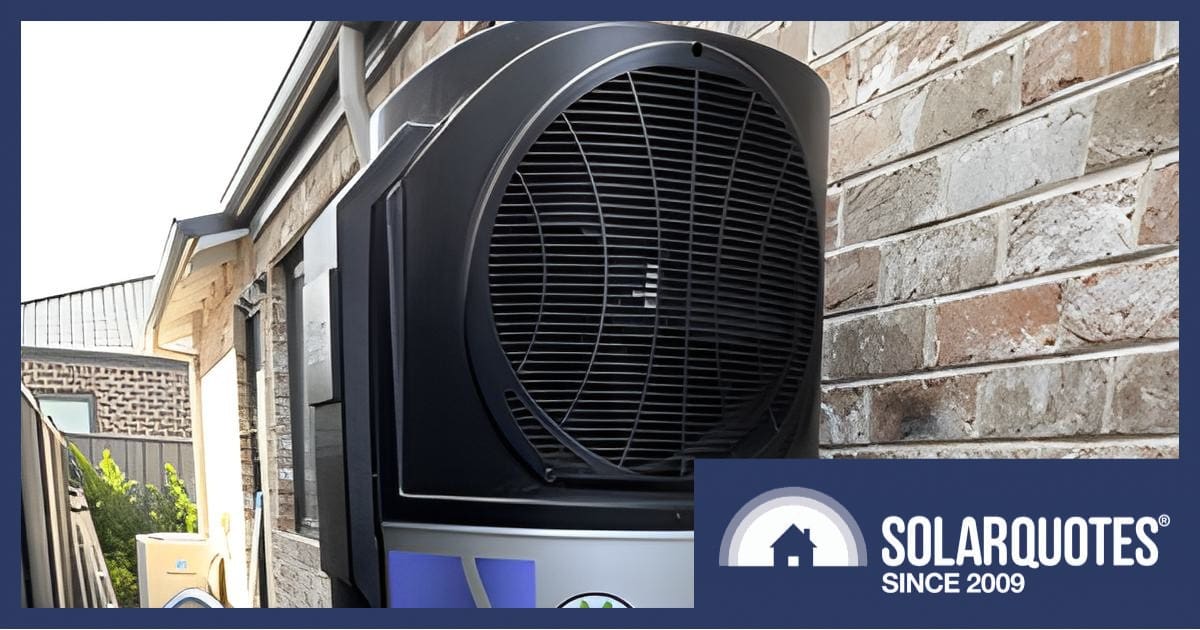 When it comes to efficiency, hot water heat pumps have long had the definitive edge over alternative technologies anywhere south of Brisbane. Our latest analysis further upgrades this advice: heat pumps today are the most efficient way to heat your hot water, no matter what area of Australia you live.
  RSS - Posts






Currently Raging Debates: