
Australia’s data centre boom is going to need an extraordinary amount of electricity. Without the right rules, households and small businesses could end up sharing the bill. [Read more…]
Australia’s data centre boom is going to need an extraordinary amount of electricity. Without the right rules, households and small businesses could end up sharing the bill. [Read more…]
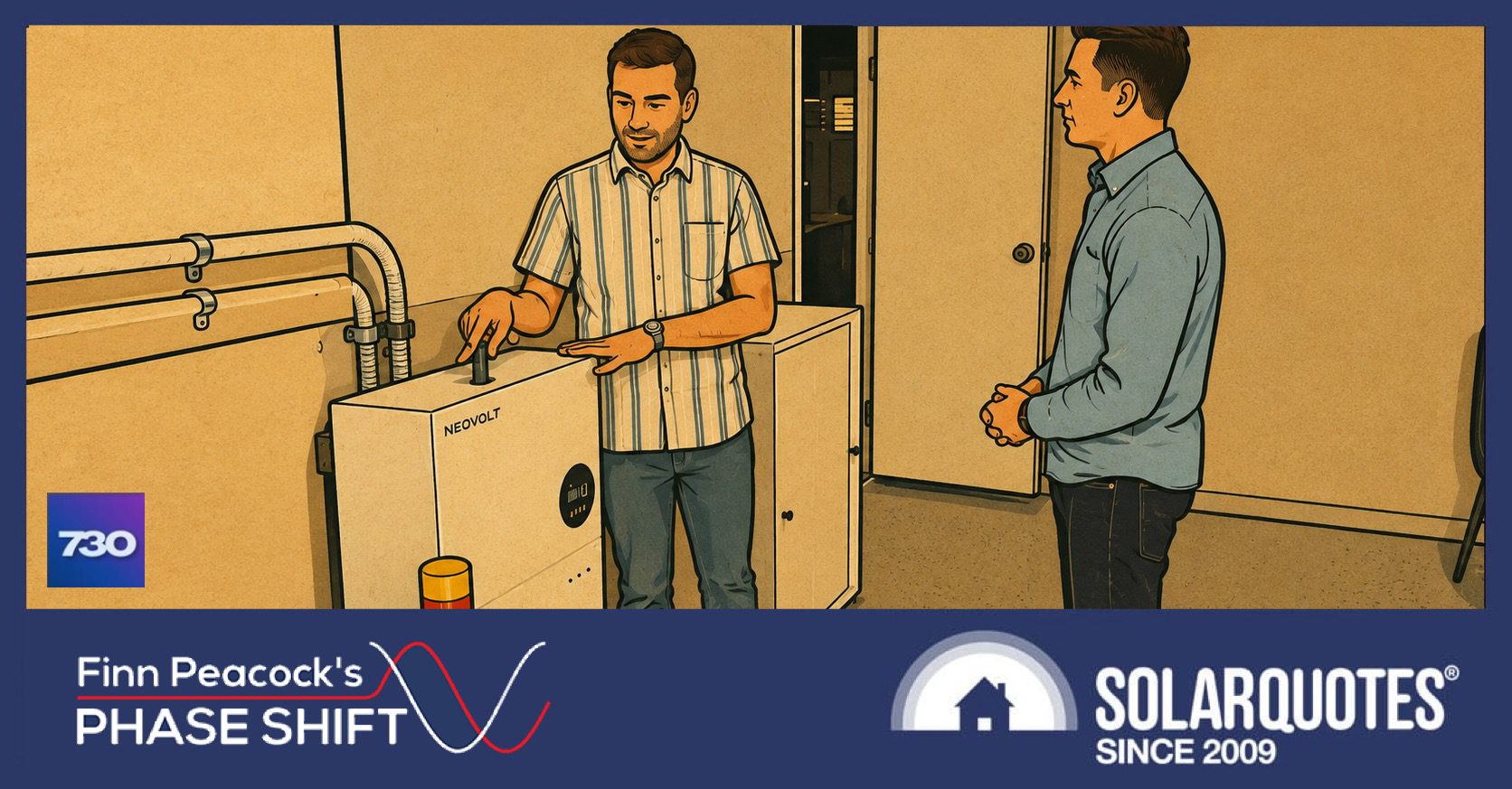
A fortnight ago, 7.30 aired an investigation into Solar Power Nation, a retailer the ABC reports is under investigation by authorities in Queensland, NSW and South Australia after hundreds of complaints.
One customer, Amin Khorram, paid $13,000 for a battery system. Only one of the two inverters was installed, so he got 5 kW of the promised 10 kW and couldn’t charge or discharge his batteries fast enough to get all the savings he expected. He chased the company for eight months. The missing inverter finally appeared last month, as his QCAT hearing date approached. Funny, that. [Read more…]
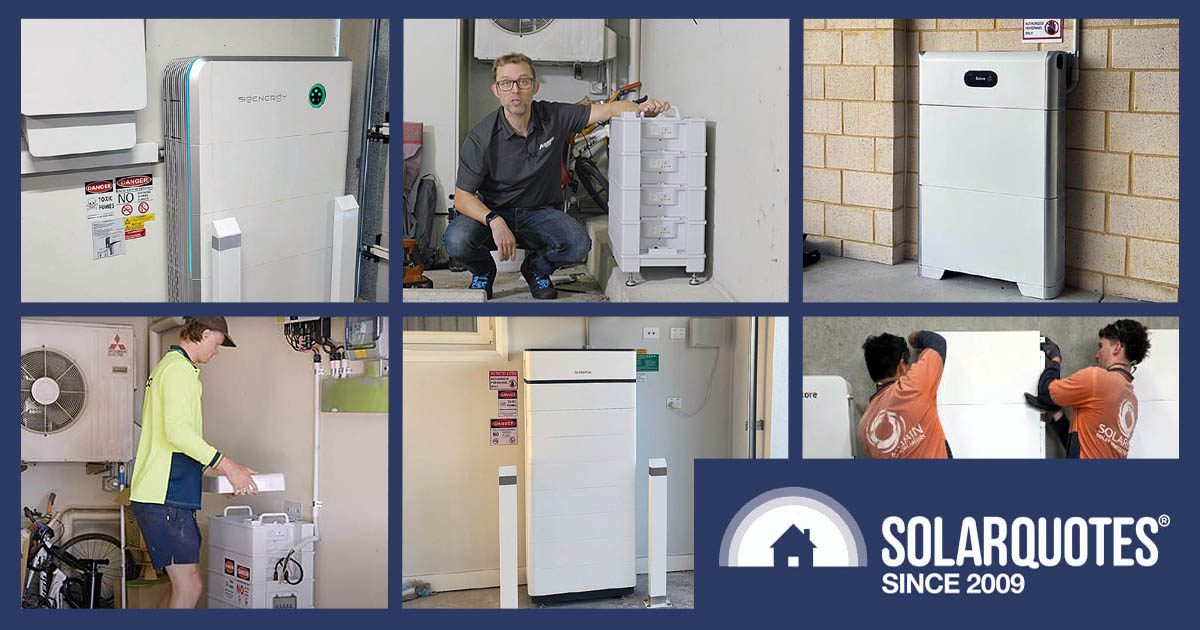
Australia has now installed more than 500,000 batteries under the federal government’s Cheaper Home Batteries Program.
It’s an impressive number for a scheme that’s a little over a year old, and one Energy Minister Chris Bowen was understandably keen to celebrate.
“Every battery installed means another household getting more value from their rooftop solar, and another job for the local installers and small businesses delivering this rollout across the country,” Bowen said.
But half a million batteries later, it’s worth looking beyond the milestone. The program hasn’t just put a lot of batteries on walls. It has changed Australia’s home energy market remarkably quickly.

A major solar retailer operating under four different names – and promoted by retired cricketer Michael Clarke – faces multiple investigations after copping hundreds of complaints, ranging from allegations of dodgy worksmanship to unrefunded deposit payments for installs that never happened.
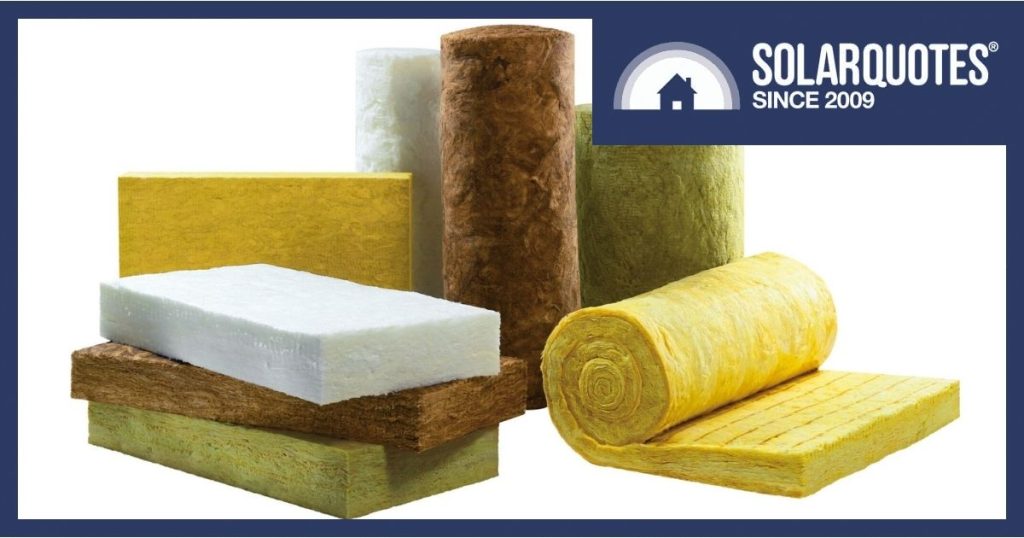
The parts of your apartment you can insulate depend on four main factors:
These points will help you figure out what you can do right away, what needs approval, and what isn’t allowed at all.
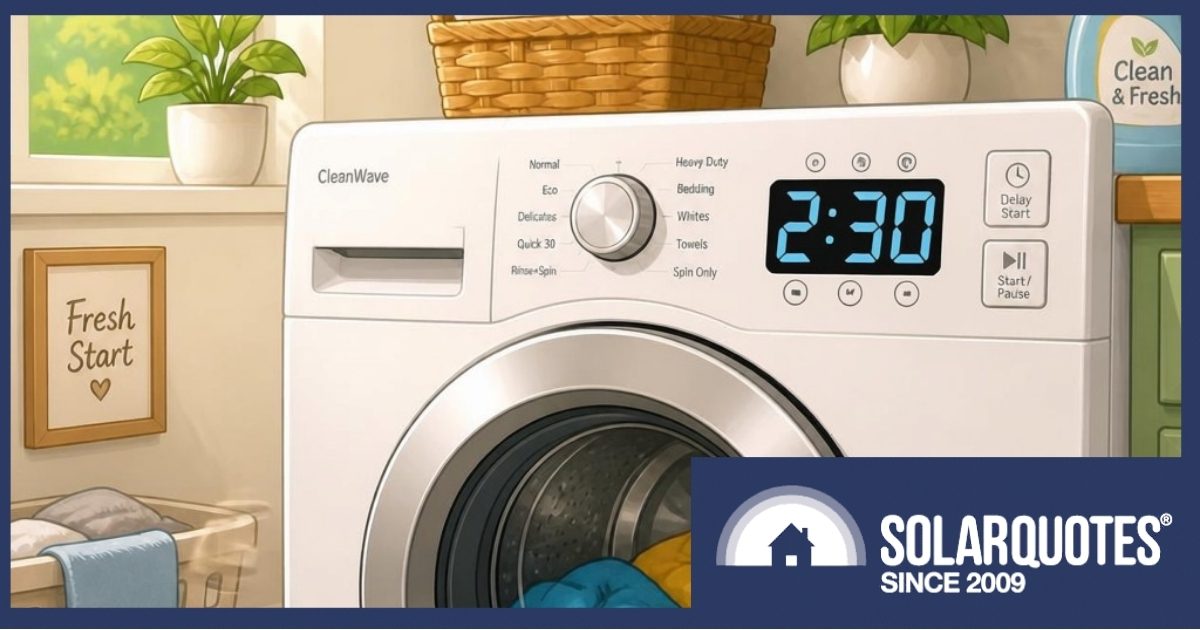
EV charging, heating, and cooling are usually the biggest electrical loads you can shift. We’ve already talked about heating and cooling in another part of this series, and we’ve also covered EVs. After those, hot water and the pool pump are usually next. But not all appliances can be shifted. Here’s how to figure out which ones you can move, and how to do it.

There’s never a dull moment in the solarcoaster, but a GroWatt manager took things up a notch last week by getting themselves arrested after a dalliance with the Clean Energy Council (CEC).
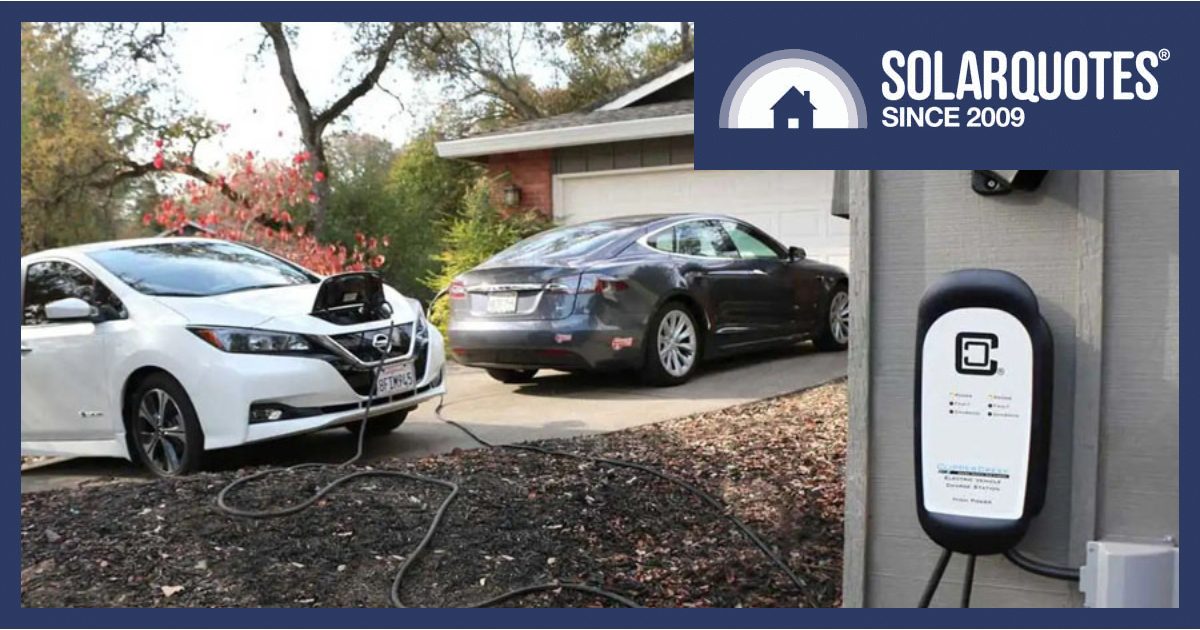
Solar Sharer plans featuring free daytime electricity can be great value for EV owners – but there’s a catch. To make the most of the offer, you need a dedicated home charger set to run during the free hours. If you use a regular wall socket and try to guess the timing, you’ll barely cover your commute, and your bill will stay about the same. Here’s how to get it right.
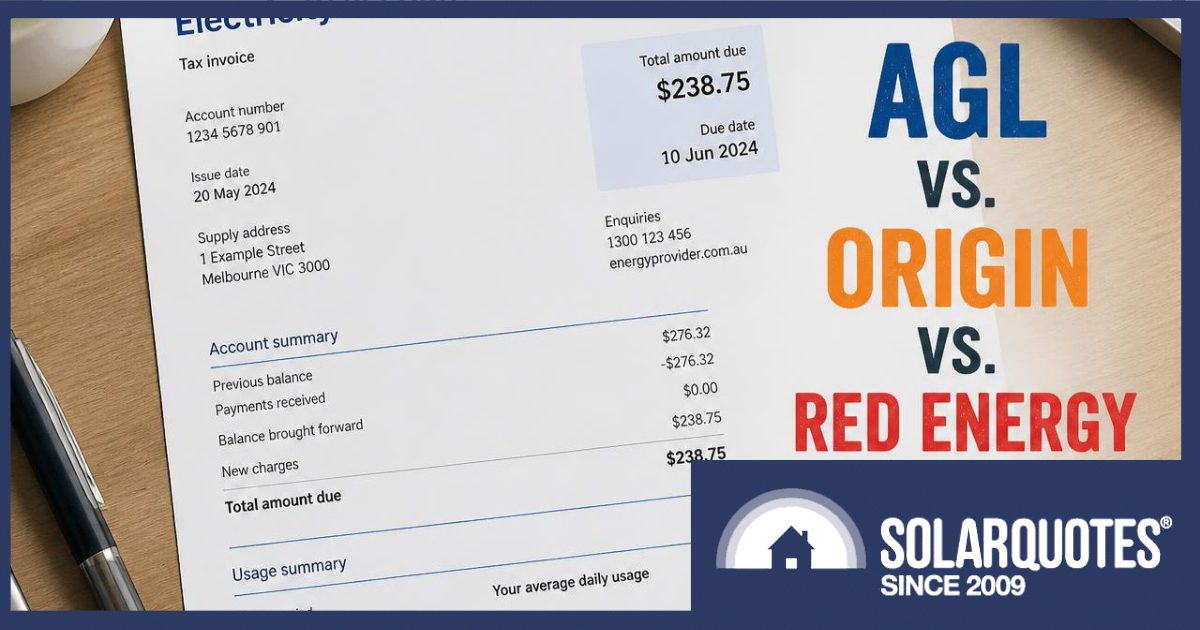 From the start of this month, most energy retailers are required to offer plans offering three free hours of daytime electricity. We’ve put three Solar Sharer offers under the microscope to see the devil in the detail – just how much extra customers will be paying in daily supply charges and peak rates.
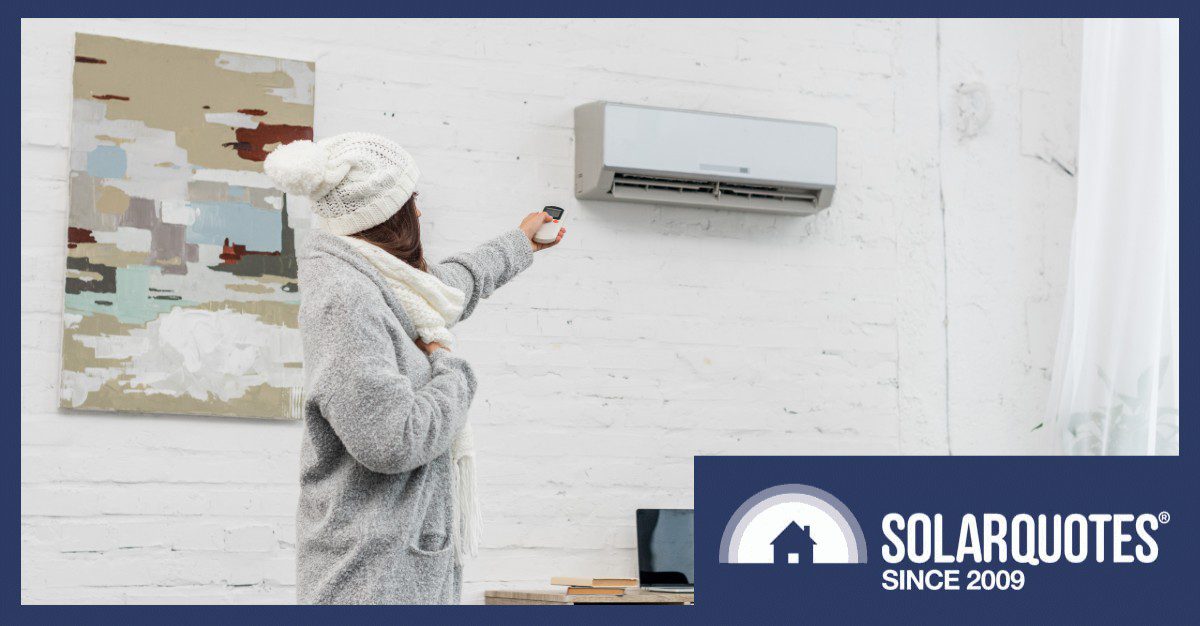 With Australia in the grip of winter, a new breed of free daytime electricity plans have arrived just in time to keep your home warm on the cheap. Here’s how to time your electric heating – and cooling – to make the most of the Solar Sharer Offer’s free electricity period.
 Finn Peacock (RSS) (399)
 Ronald Brakels (RSS) (517)
 Michael Bloch (RSS) (3363)
 Staff Writer (RSS) (261)
 Richard Chirgwin (RSS) (159)
 Trevor Glen (RSS) (2)
 Anthony Bennett (RSS) (248)
 Kim Wainwright (RSS) (149)
 Pat Southwell (RSS) (19)
 Neerav Bhatt (RSS) (7)
 Max Opray (RSS) (55)
 Toby Hagon (RSS) (1)
 Baran Yildiz (RSS) (3)
 Tim Johnston (RSS) (6)
 James Norman (RSS) (1)
 Jacob Boyd (RSS) (23)


Before You Go..Download the first chapter of The Good Solar Guide, authored by SolarQuotes founder Finn Peacock, FREE! We respect your privacy and you can opt out from the newsletter at any time. |
 RSS - Posts
Currently Raging Debates: