

Finn's Aiko Solar Panels Review & Verdict
Finn Peacock has been a Chartered Electrical Engineer since 1998, and is ex-CSIRO
Aiko Solar produces high-efficiency, shade-tolerant panels at competitive prices. Despite being a relative newcomer to the Australian market, we consider them good quality and well supported based on feedback from installers we trust and are happy to recommend them.
Aiko Solar Panels: Pros & Cons
- High efficiency
- 25 year Product Warranty
- 30 year Performance Warranty promises a very low degradation rate
- Good heat tolerance
- Limited track record down under. Official launch was 6th of March 2024.
About Aiko Solar
Aiko Solar is a Chinese producer of solar cells that has expanded into manufacturing solar panels. They launched in Australia in March 2024 and have a Melbourne office.
Aiko panels have:
- High efficiency
- A low rate of degradation according to their performance warranties
- Product warranties of 15 or 25 years
- Excellent heat tolerance
- Better than average hail resistance
While not expensive, they do cost more than other panels we know are reliable and can recommend, so you'll need to decide if they're worth the modest extra cost.
One claim Aiko makes that doesn't hold up well under real world testing is that they have superior resistance to the effects of shade. While they do appear to have an advantage, it's only small. So don't expect any large difference between Aiko panels and other major brands here.
Australian Office
Aiko Solar has an Australian office in Melbourne. This is important because if something goes wrong and your installer is no longer around, you can make a warranty claim directly from the manufacturer.
It’s hard to find their office address and phone numbers on their site, so I’ve put their details below:
Aiko Solar
Level 12, 360 Elizabeth Street
Melbourne VIC 3000
(03) 5219 2402
1300 245 628
Company Info
Aiko Solar was founded in 2009. Its full name is Shanghai Aiko Solar Energy Co. Ltd. While Aiko is a Japanese name, the company is Chinese and no more a Japanese company than Sharp is a British one because its name is an English word.
For its first 13 years, Aiko pumped out ever-increasing amounts of solar cells and in 2024, they claimed to have produced over 130GW of them. In 2022, they also began manufacturing solar panels, and in 2023, they began making ones with an efficiency of over 24%.
Aiko Panels - 3 Series
Aiko Solar has three different series of solar panels displayed on their website:
- Neostar
- Comet
- Stellar
All three series have 30 year performance warranties, while the Neostar have 25 year product warranties and the Comet and Stellar series have 15 year product warranties.
Neostar are definitely the main series going on Australian roofs. Their longer product warranty would be one reason. Another is the Comet and Stellar panels are over 2.3m long while Neostar ones are 1.76m, which makes them much easier to handle and fit on roofs.
All Aiko panels have similar characteristics as they all use n-type silicon with Interdigitated Back Contact solar cells. Aiko calls them their ABC cells, which stands for All Back Contact.
Monofacial or Bifacial
Aiko makes monofacial and bifacial panels. Most of the Neostar and Comet series are monofacial. This means they have a sheet of glass on top and a plastic backsheet. But some are of them are dual glass with glass on the front and back, but they are still monofacial and can only make use of light from the front. Only their Stellar panels are bifacial and able to make use of light from the front and back.
High Efficiency
The efficiency of Aiko panels ranges from 22.1% to 24.4%. Their maximum efficiency by series is:
- Neostar (the ones usually going on roofs) 23.8% - 25%
- Comet (Large monofacial panels) 24%
- Stellar (Large bifacial panels) 24.4%
These efficiency figures are taken from their datasheets and for the Stellar panels are slightly higher than what AIKO gives on their webpage.
Good Heat Tolerance
Panels lose efficiency as they get hotter. All Aiko panels reduce their output by 0.26% for each degree they go above 25°C. In a a heatwave when they reach 60°C, they will have their output reduced by 9.1% compared to a cool winter’s day when they’re at 25°C. This is significantly better than average, with reliable lower-cost panels typically losing around 0.29% for each degree over 25°C. One of these panels at 60°C would have its output reduced by 10.15% compared to when it's at 25°C. Aiko's advantage will give a small, but still useful, increase in generation over a year.
Shade Tolerance Can Be A Bit Better Than Average
All Aiko panels have Interdigitated Back Contact cells. These are not new. They were invented around 50 years ago and have been used in commercially available panels for around 40 years. But in the past you had to pay a hefty premium for them, while Aiko panels are quite affordable.
Aiko calls these ABC cells, which stands for All Back Contact. They have the advantage of not needing fine wires called busbars and fingers on the front of the cell. This can improve reliability as there are no wires on the front of cells that could be damaged and it improves efficiency, as there’s nothing blocking sunlight.
Aiko claims their ABC cells reduce the effects of shading and there's an Aiko Solar video demonstrating this. While the results aren't perfect, they're still better than for a typical panel.
Unfortunately, testing under real world conditions shows their ability to handle the effects of shade is considerably less than Aiko has claimed. Testing done by Mark Cavanagh of MC electrical shows only a limited improvement over conventional. He explains the results in this video.
Even a small benefit is good and Aiko could have used the modest benefit to market their panels, but Aiko's far from optimal response to real world testing did have us reconsidering if they're a manufacturer we can recommend.
Unlike many solar panel warranties, Aiko's does not specifically state their panels cannot be located where they will suffer shading.
Hail Resistance
Akio panels are certified to resist being struck multiple times with 40mm hail at a velocity of 27.5m/s while suffering less than a 5% deterioration. This means they can survive being hit by normal hail that's just under the 42.67mm width of a golf ball without damage.
They Don't Like The Beach
The installation manual for Aiko monofacial panels - which currently is not available on their website - says panels located within 500m of the seashore will need their frames and related components to have anti-corrosion treatment.
Don't Lay Them Flat
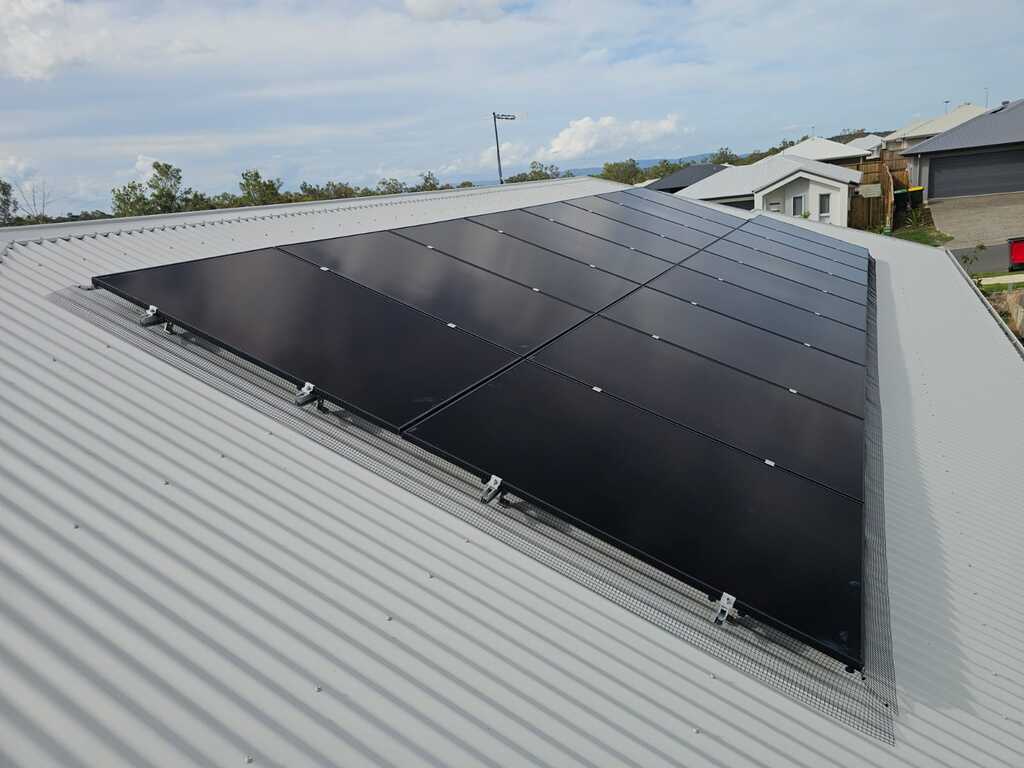
Aiko recommends their panels be installed at a tilt of at least 10°.
Dimensions
Aiko panels have the following dimensions:
- Neostar: 1762 x 1134
- Comet: 2323x1134mm
- Stellar: 2382x1134mm
Generally speaking, smaller panels are easier to fit on roofs, and Neostar panels are the ones most often used for residential solar.
No Silver
Most solar panels use a small amount of silver, but Aiko Solar says their panels use none. This is thanks to their ABC cells not requiring it.
Appearance
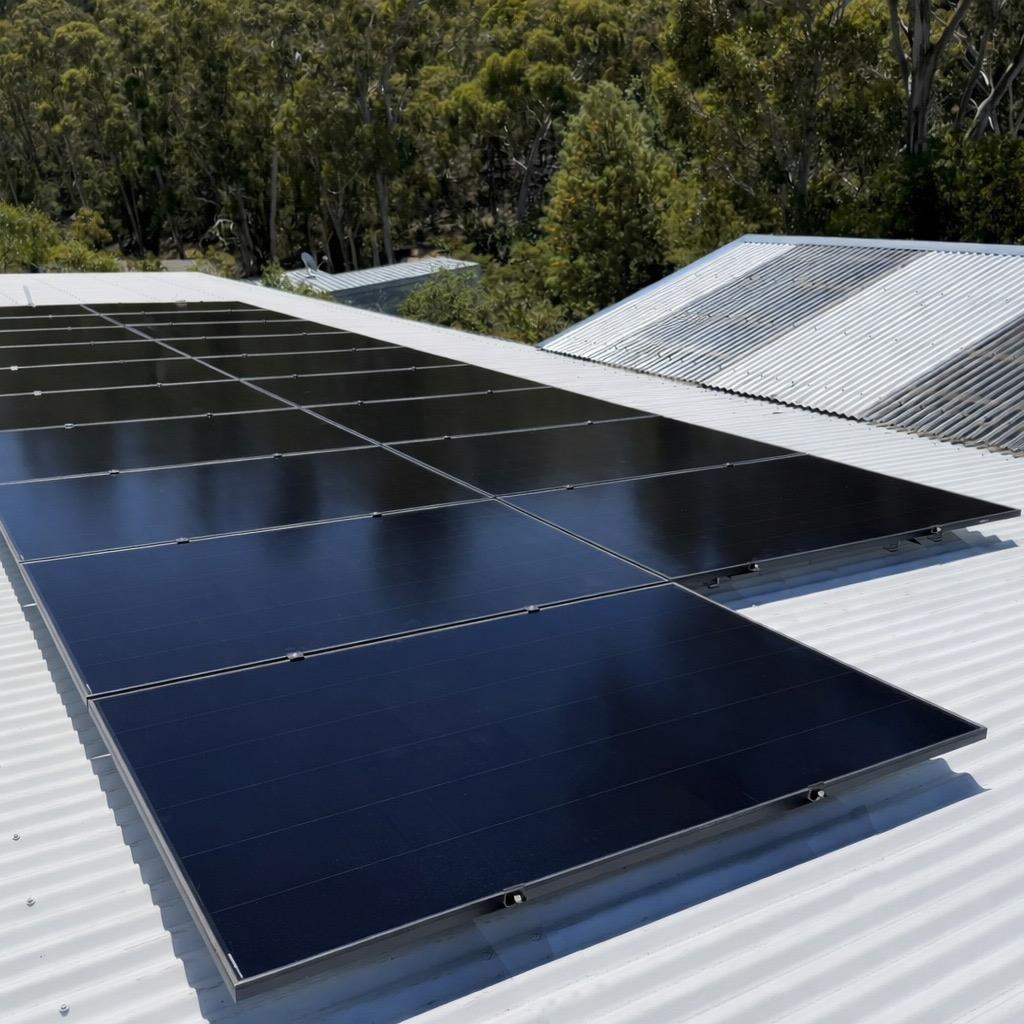
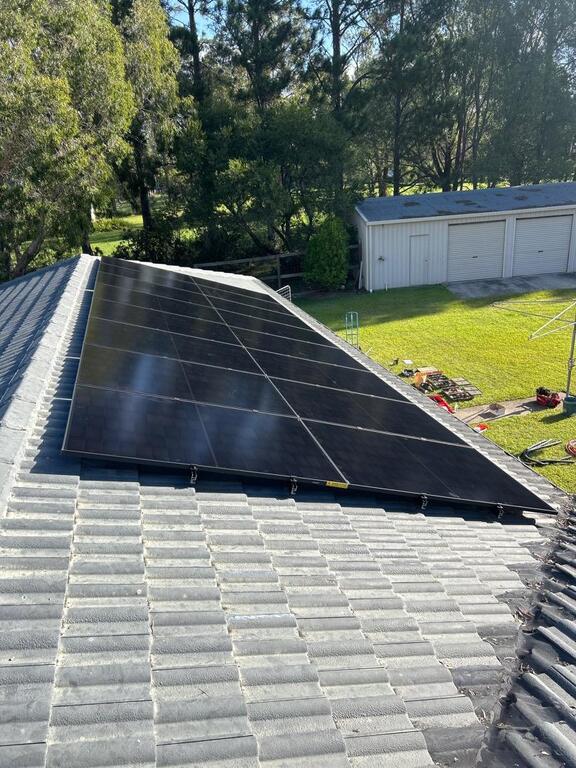
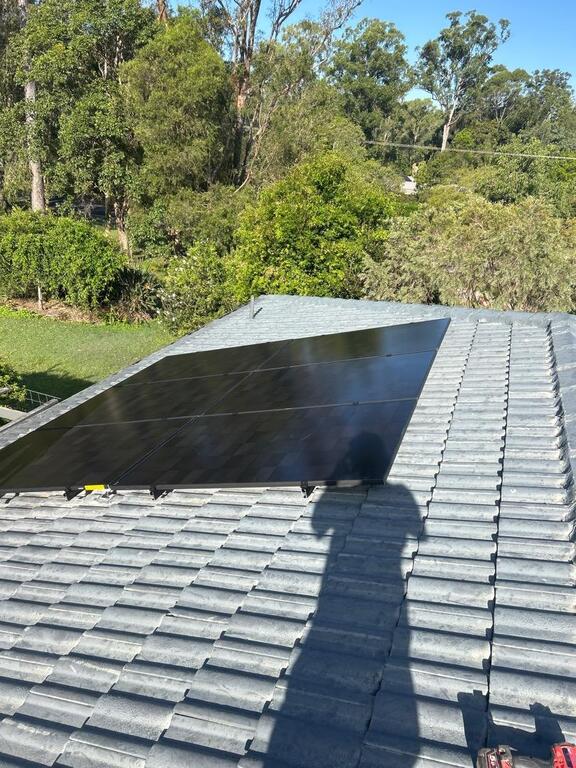
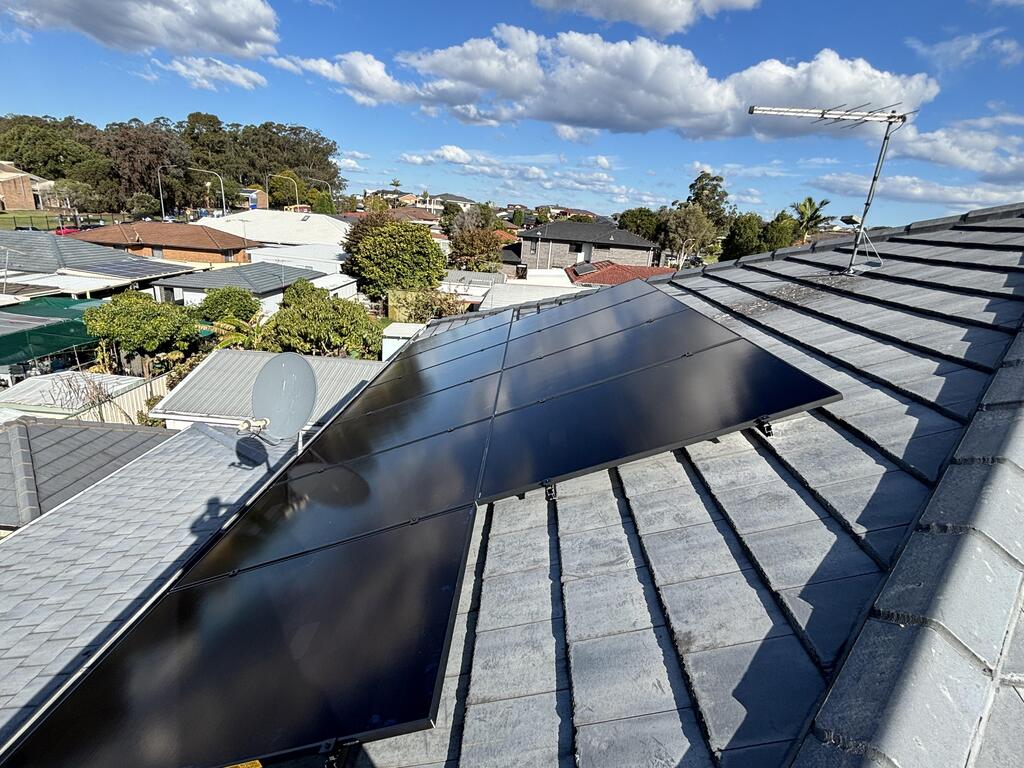
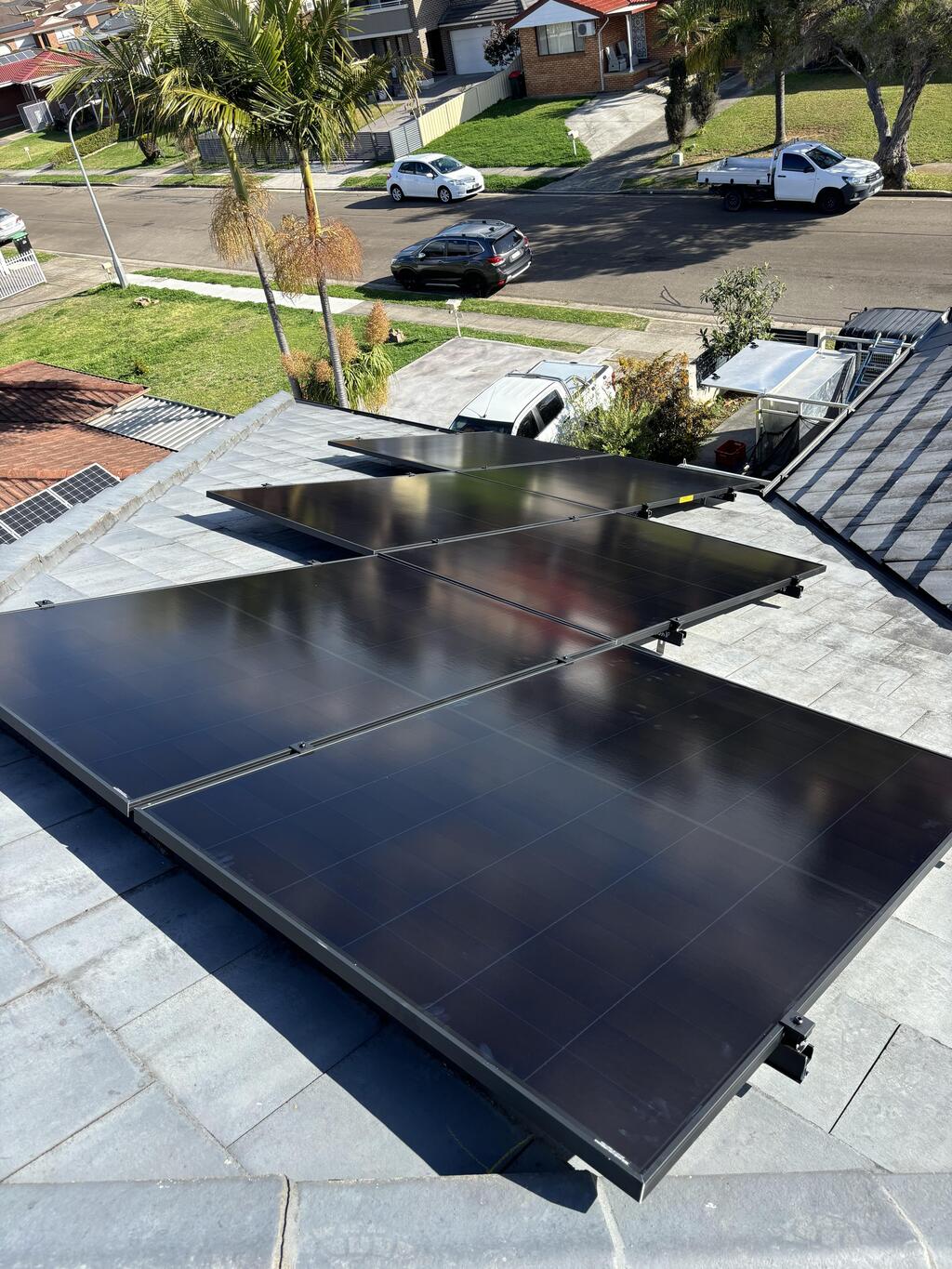
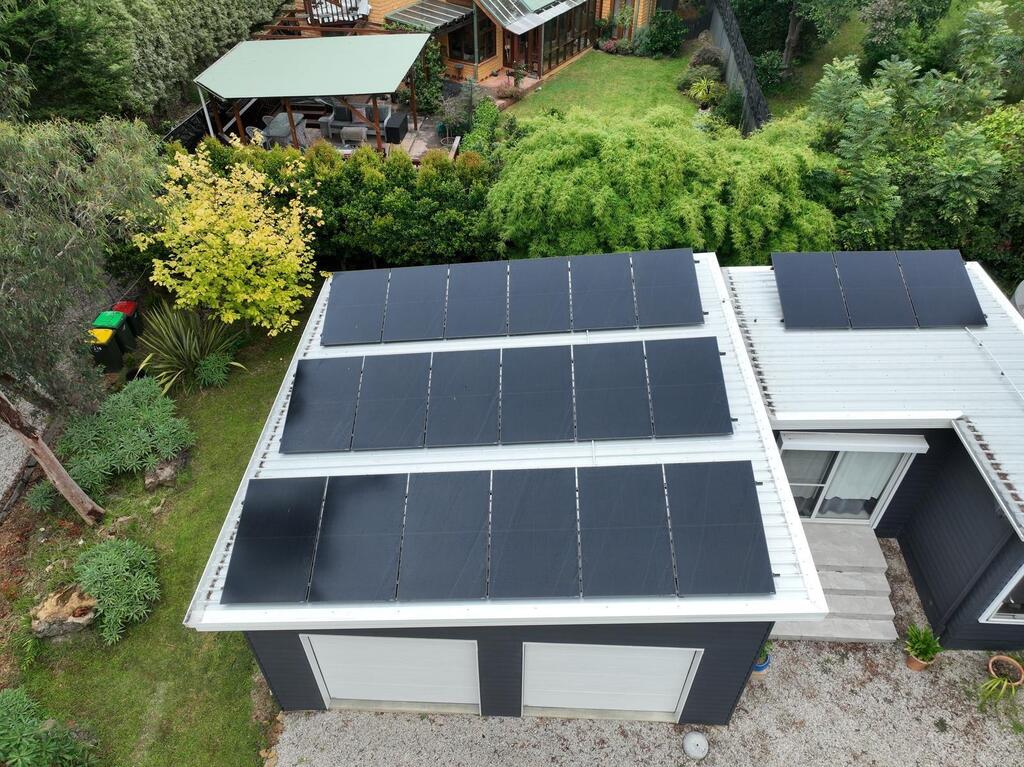
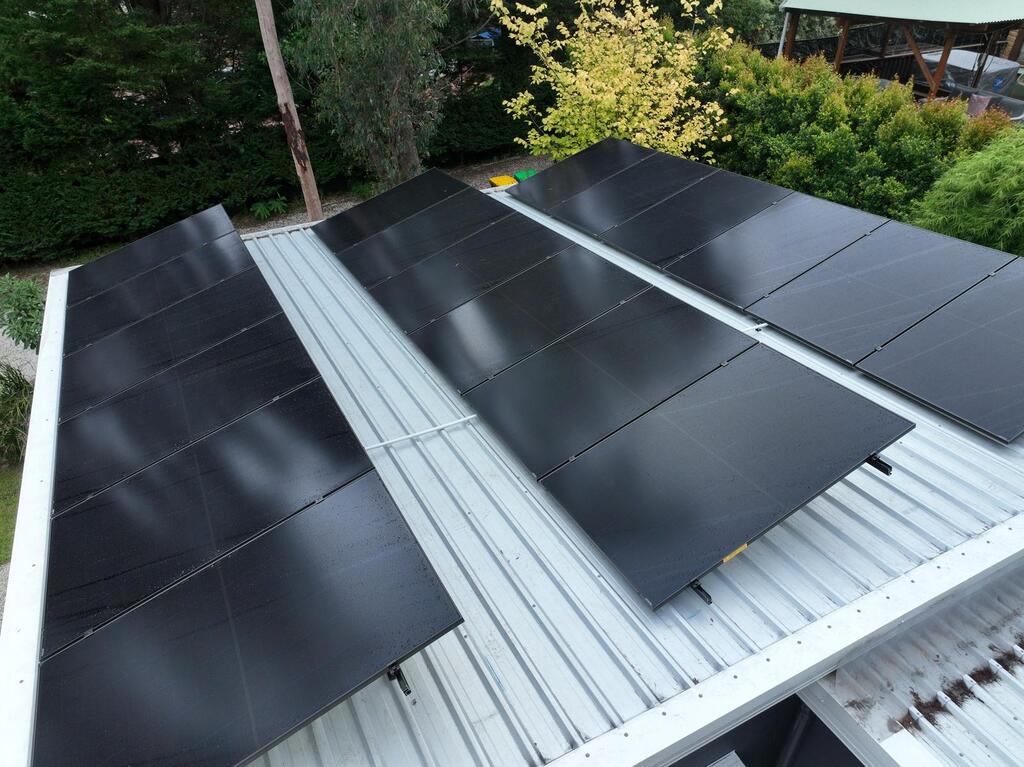
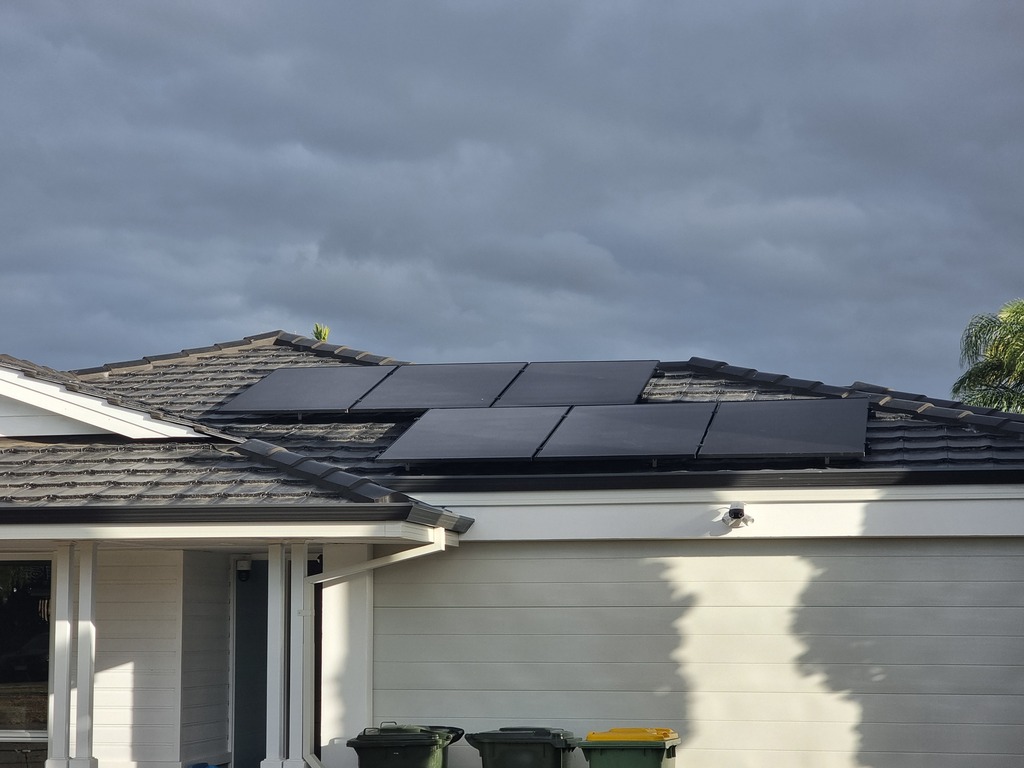
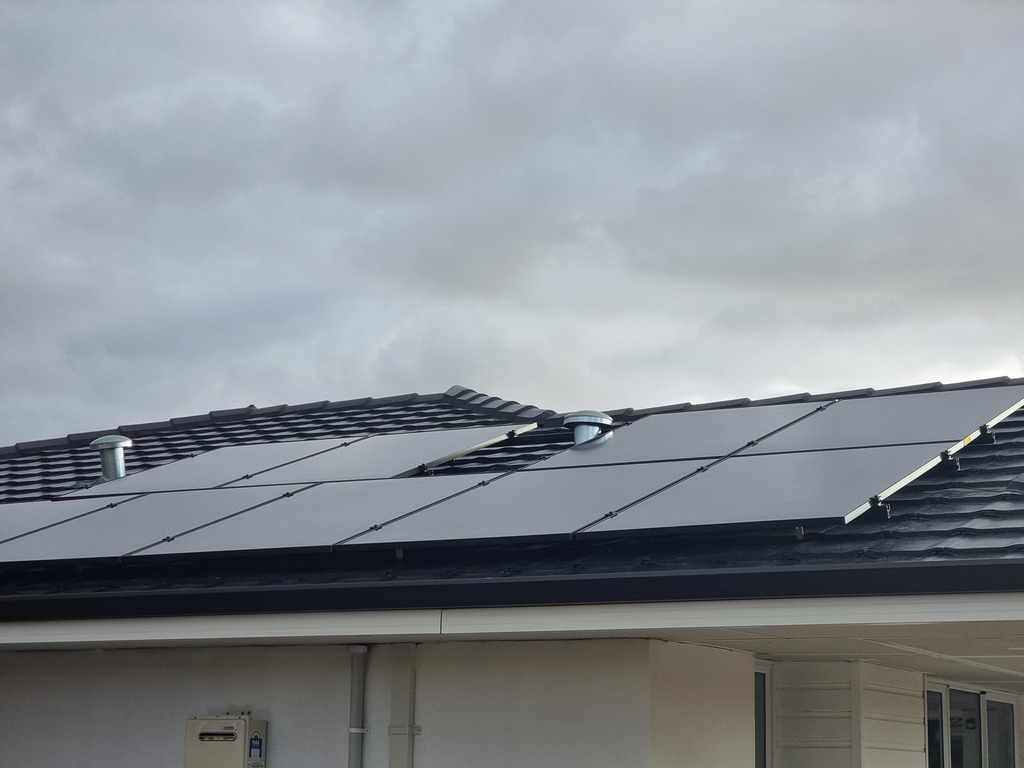
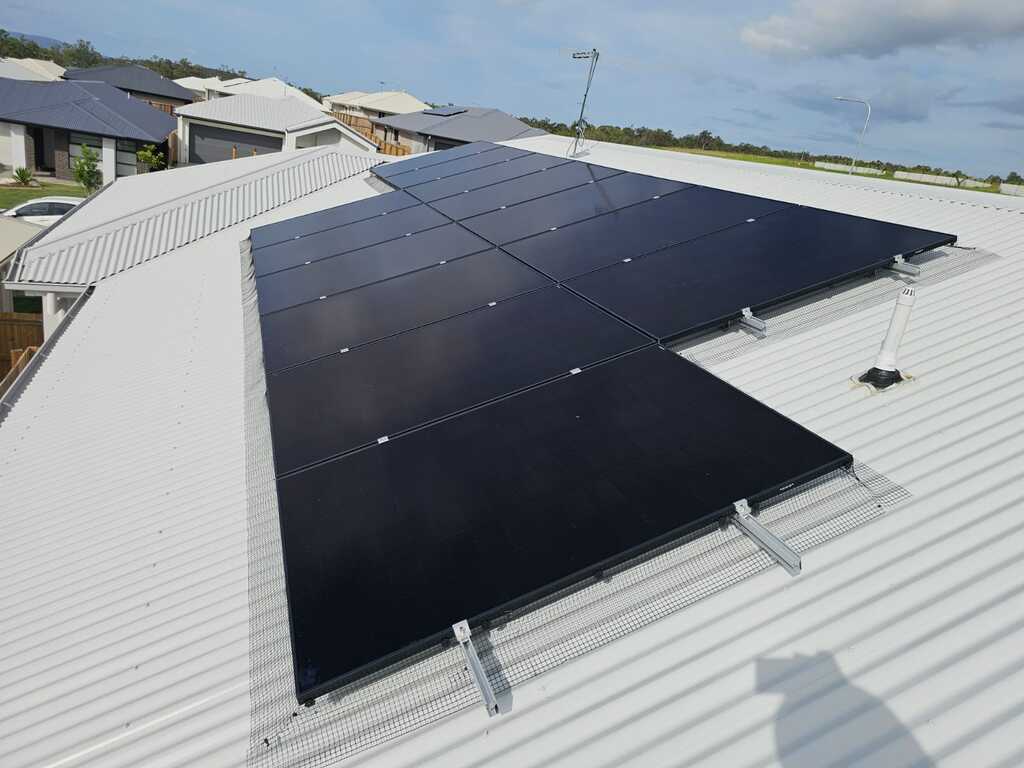
Most Aiko panels have a conventional appearance, but four of their five Neostar panels are all black. While some like the appearance of all-black panels, the conventional-looking Neostar panel has the highest efficiency.
Product Warranty – 15 or 25 Years
The product warranty covers defects in construction and materials. Neostar panels have a 25-year product warranty, while Comet and Stellar panels have 15 years. I generally recommend getting panels with a 25 year or longer product warranty for peace of mind.
Performance Warranty - 30 Years
Solar panels can slowly decline in performance over time. Their performance warranties state the maximum amount they can deteriorate.
All Aiko panels have a 30-year performance warranty that allows for a maximum of 1% decline in the first year, followed by a decline of 0.35% from its original rating each subsequent year. This means that after 25 years, they’ll have at least 90.6% of their original capacity, and after 30 years, at least 88.85%.
This low rate of degradation is better than most good quality panels, which now typically allow a 1% decline in the first year followed by a 0.4% annual decline. This higher rate allows them to decline to 87.4% of their original capacity after 30 years.
2026 SolarQuotes Installers' Choice Award Winner
Aiko panels have had a big impact in Australia in a short period of time, winning the 2026 SolarQuotes Installers' Choice Award - the second year in a row they've come out on top. Despite Aiko's limited track record, it's clear that solar installers -- in general -- like them.
Homeowners also consistently rate them among the top 10 best solar panel brands in Australia.
Conclusion
Aiko Solar produces panels with high efficiency, a low rate of deterioration, above average hail resistance, and slightly better than average shade tolerance. Based on reports from solar installers we trust, we have included Aiko Solar on our recommended panel chart. If you are looking for a reasonably priced panel, then we're able to recommend using their panels -- provided you are willing to accept the risk of using ones that have only been installed in Australia for a short time.



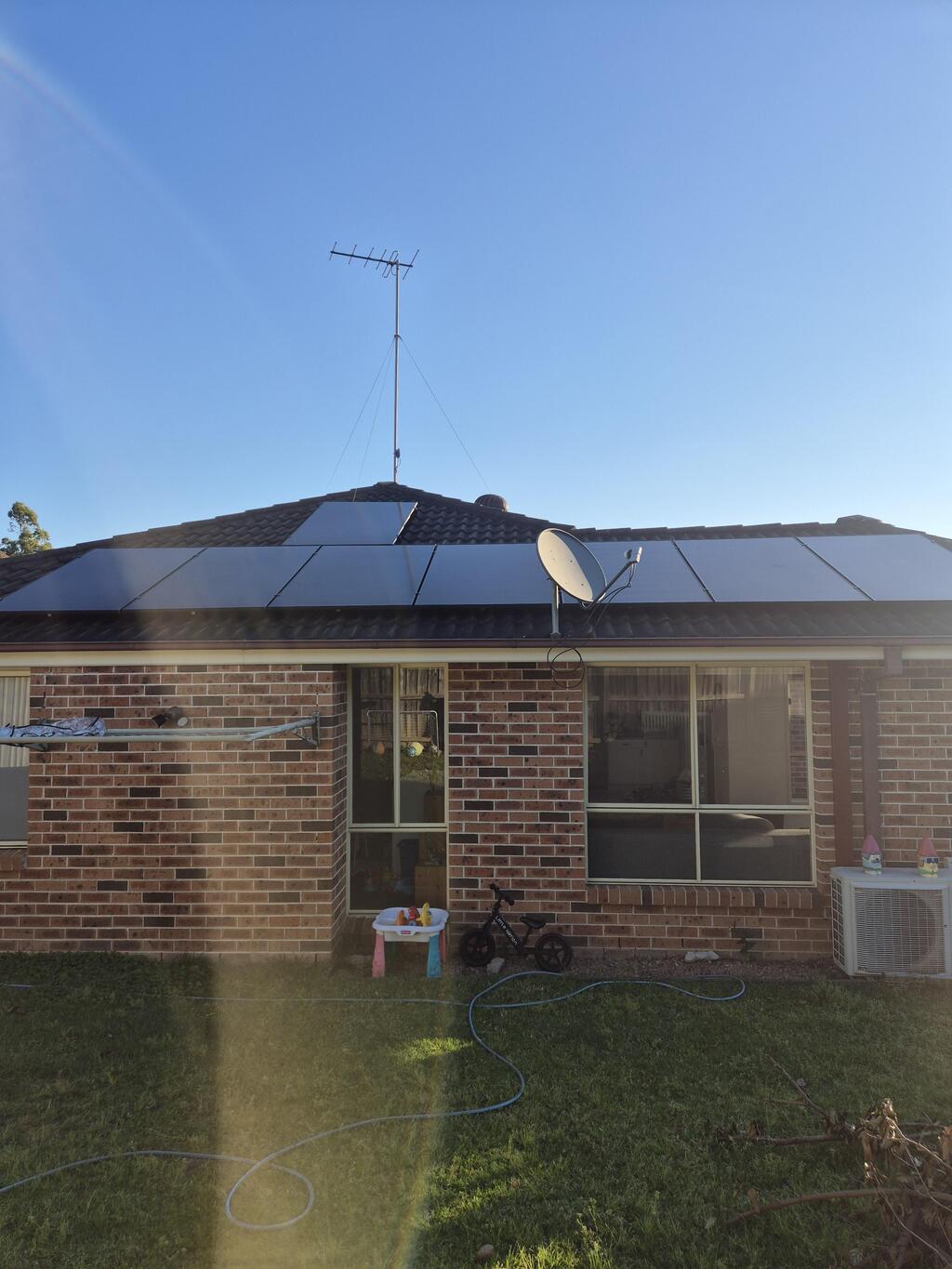
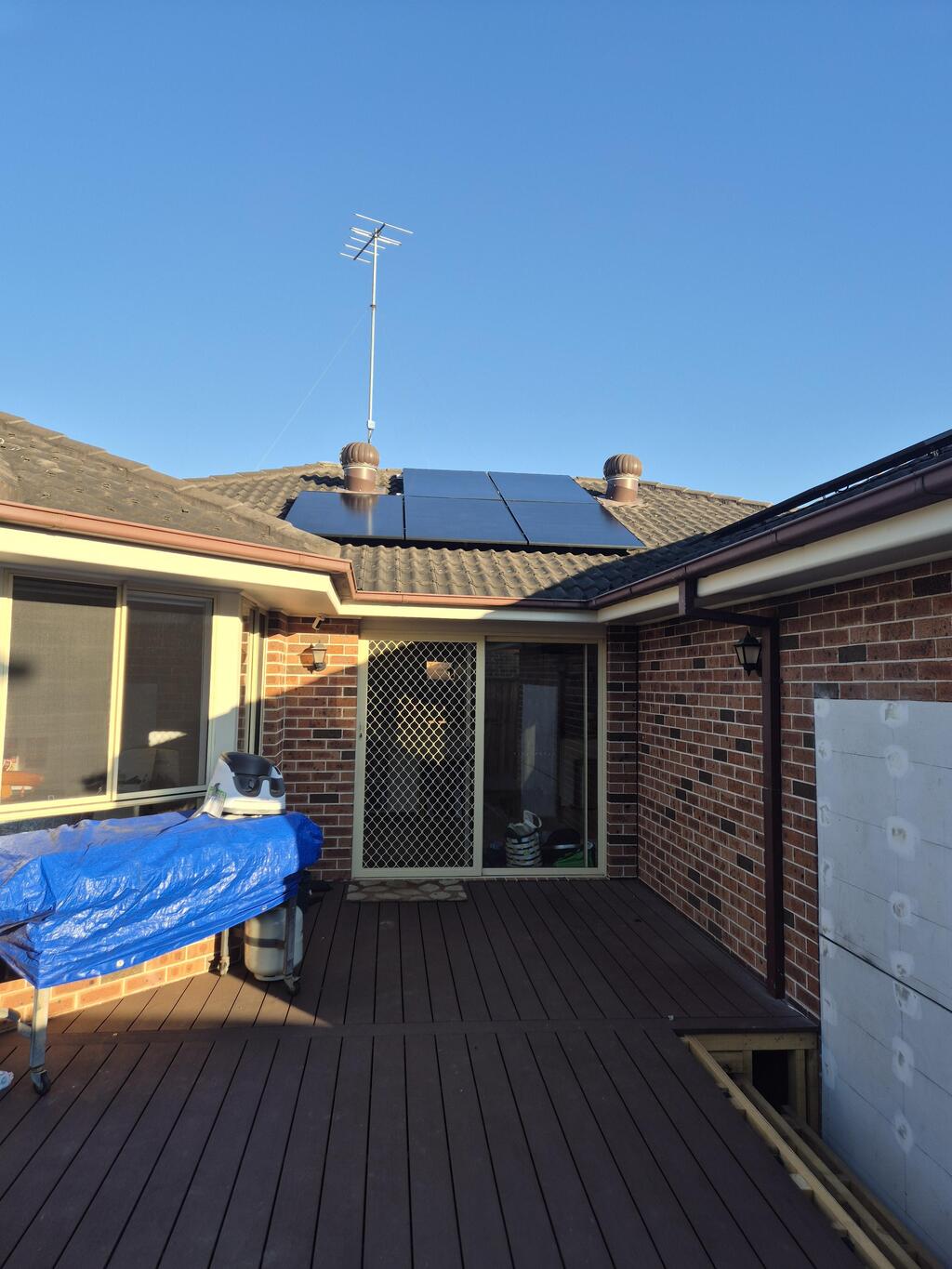
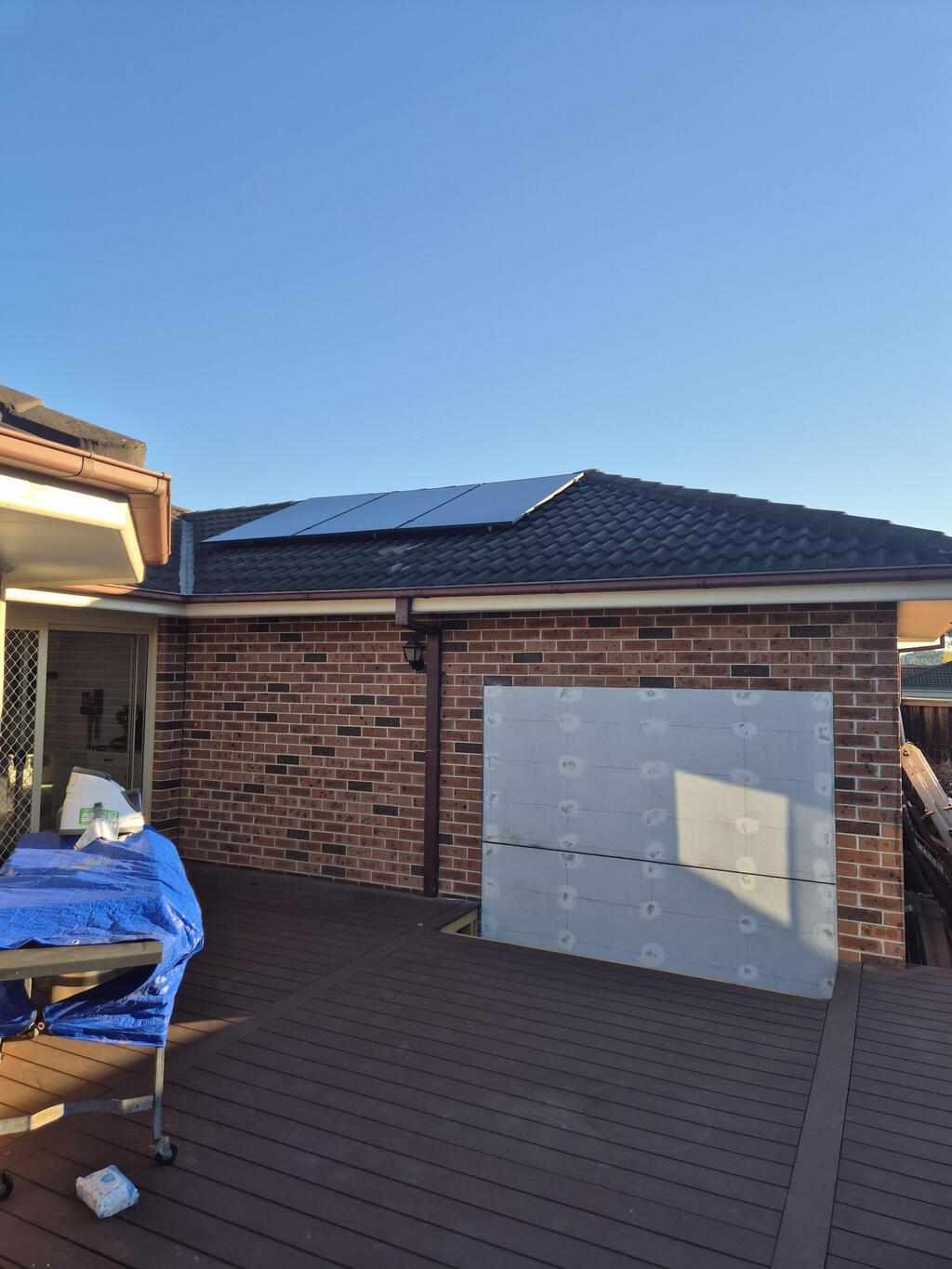
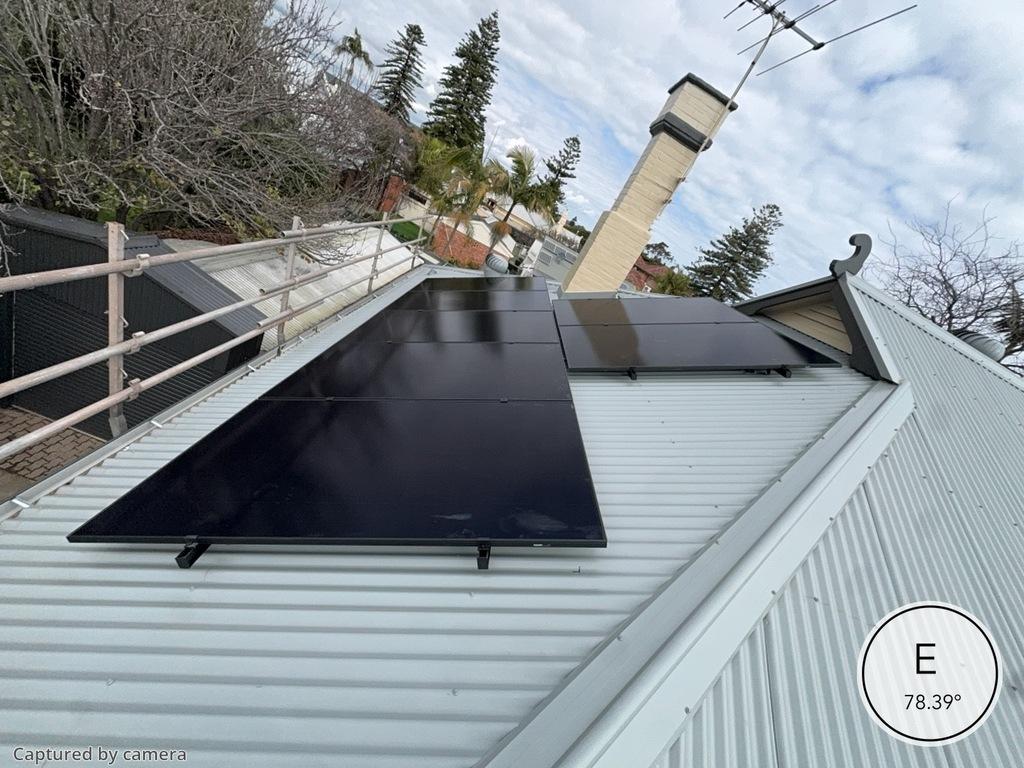
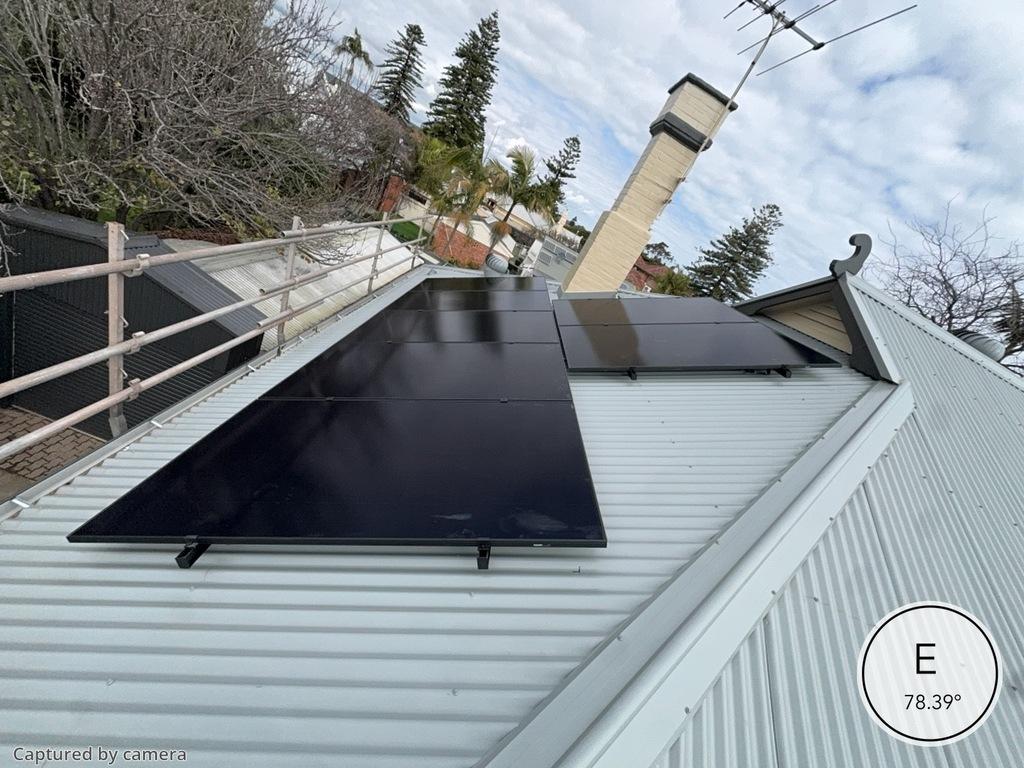
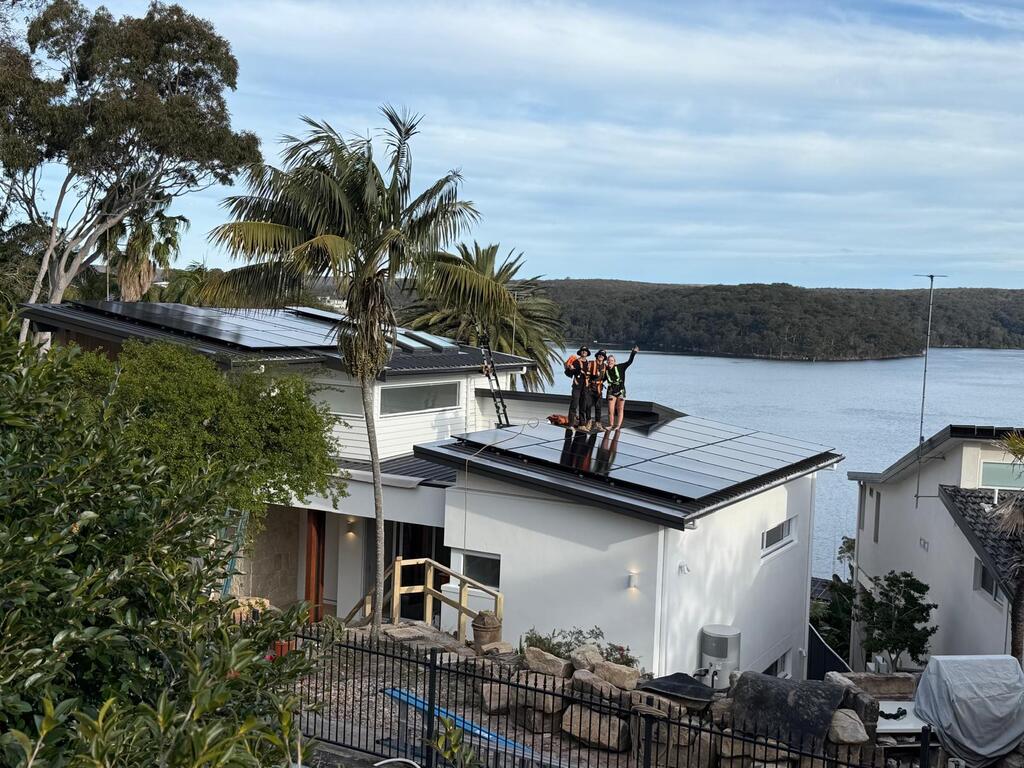
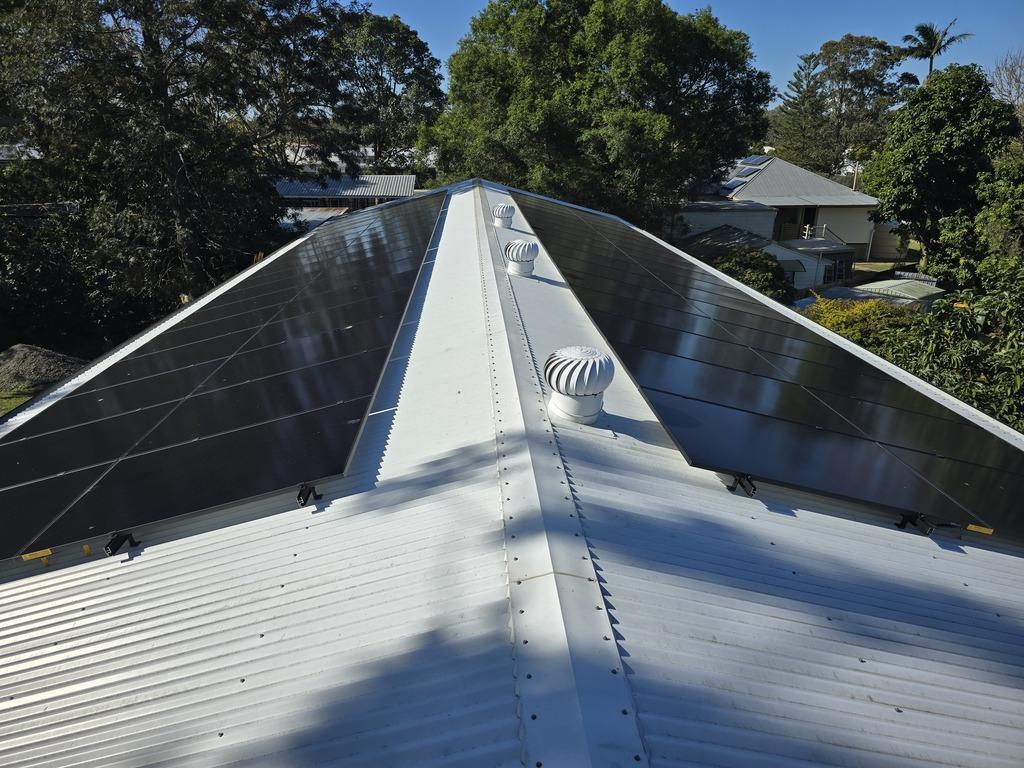
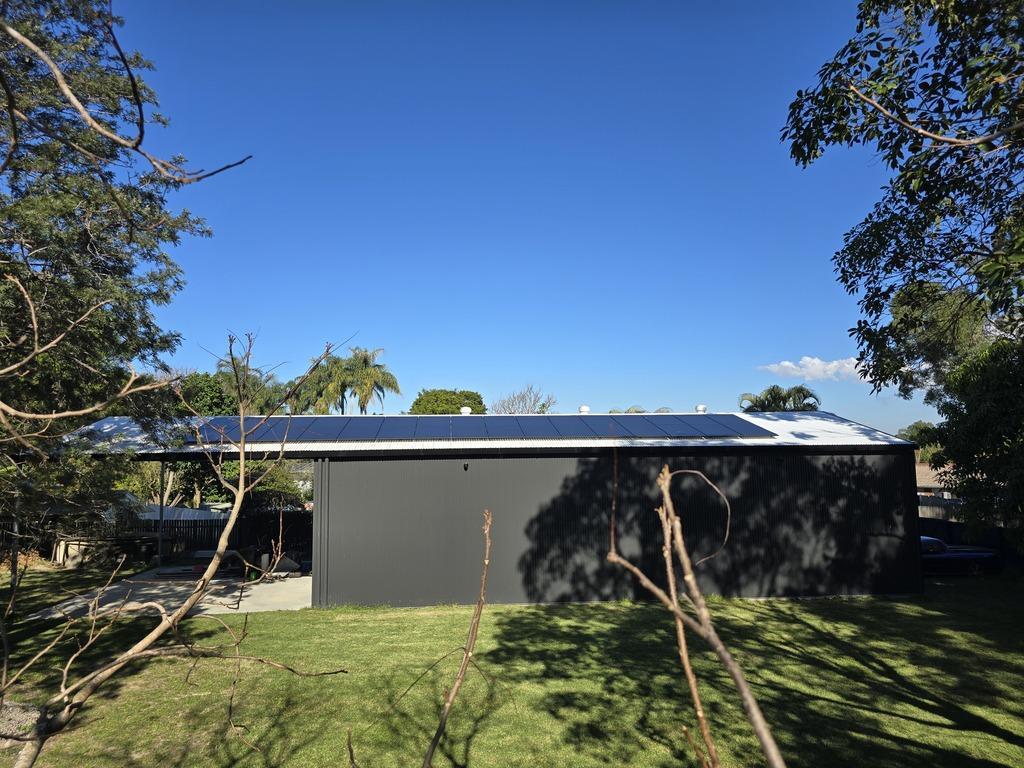
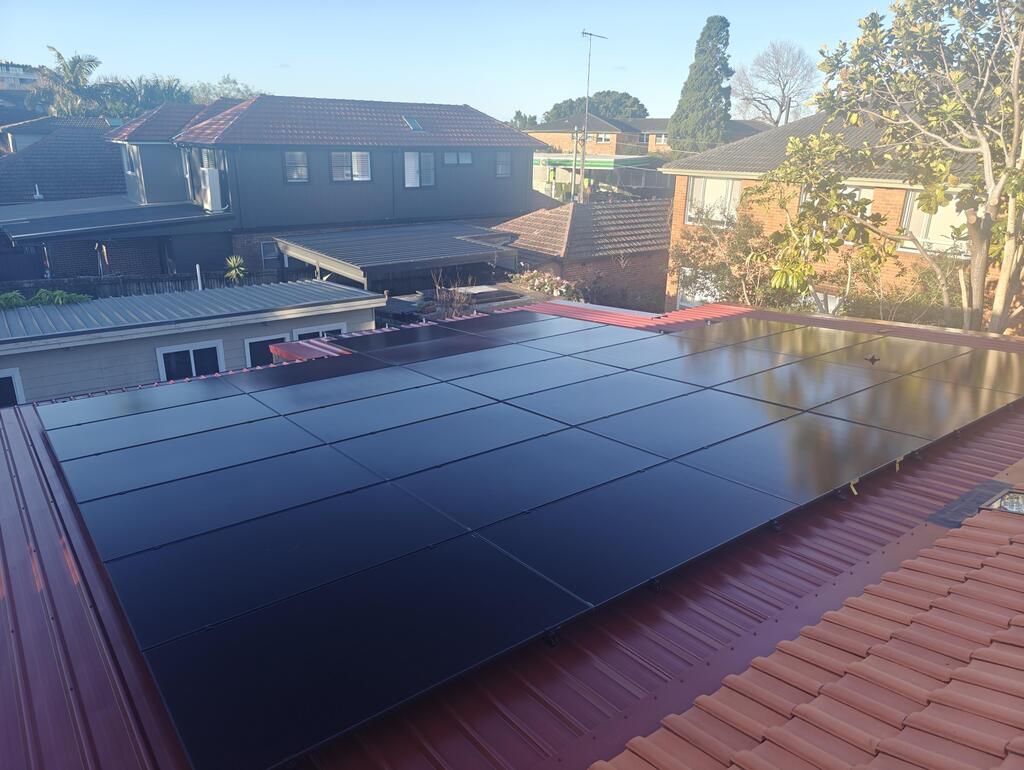
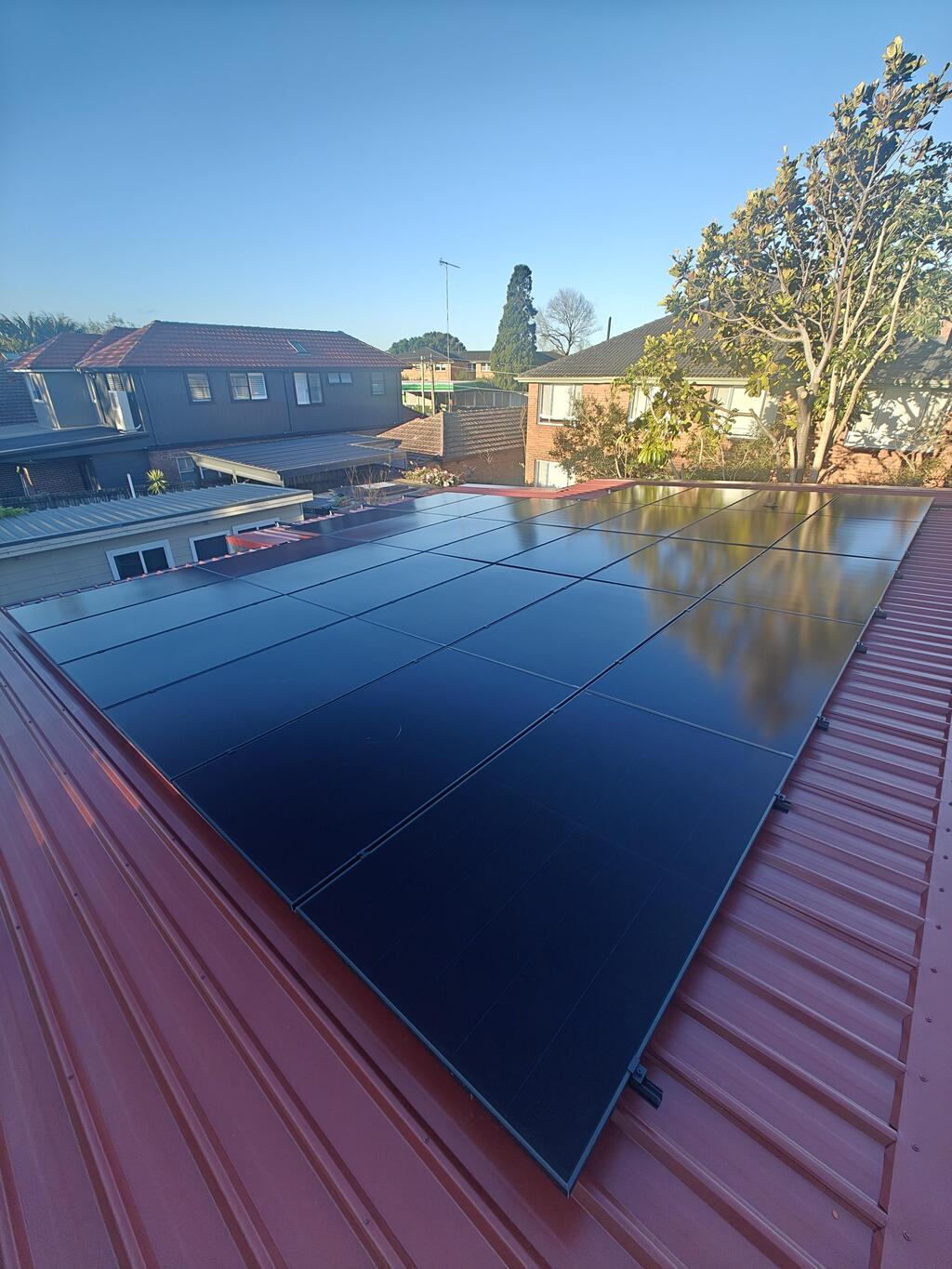
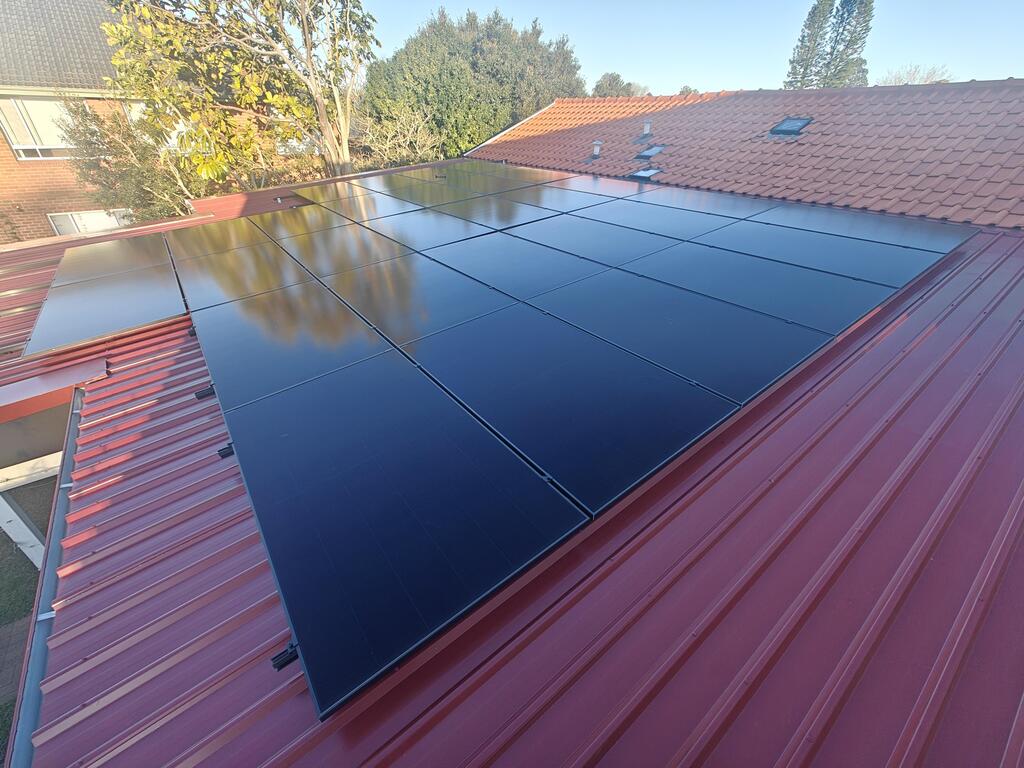
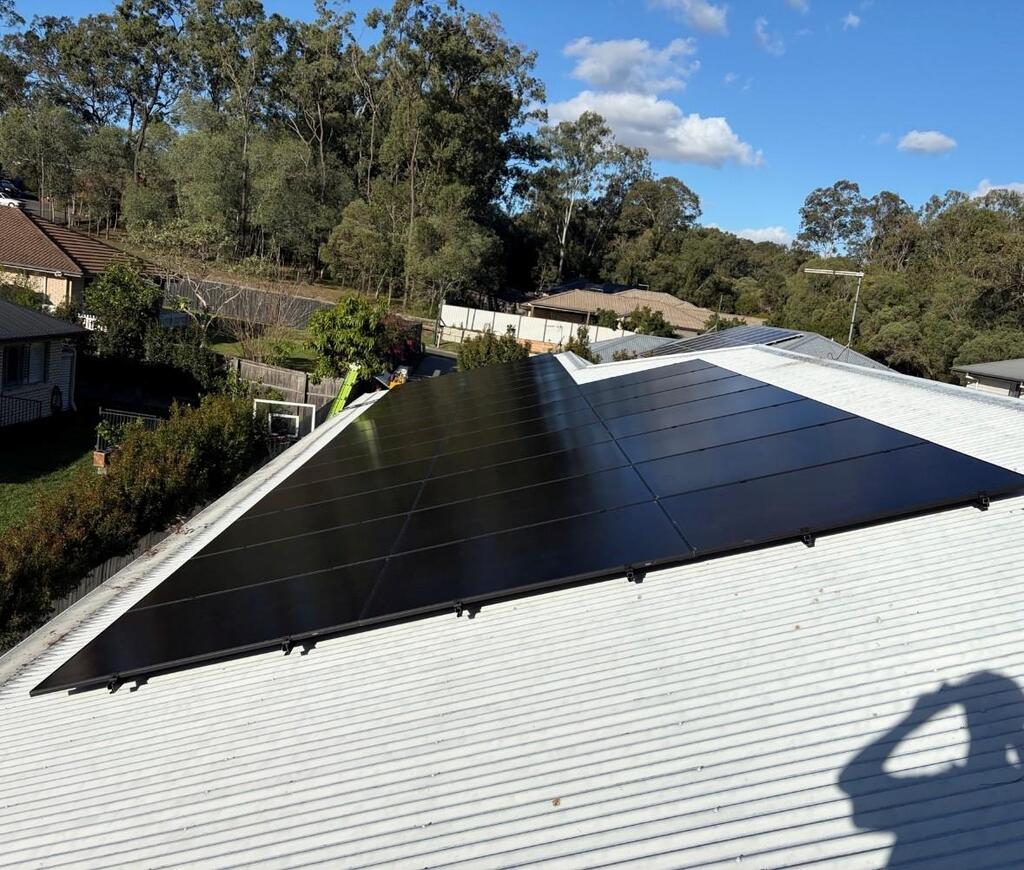
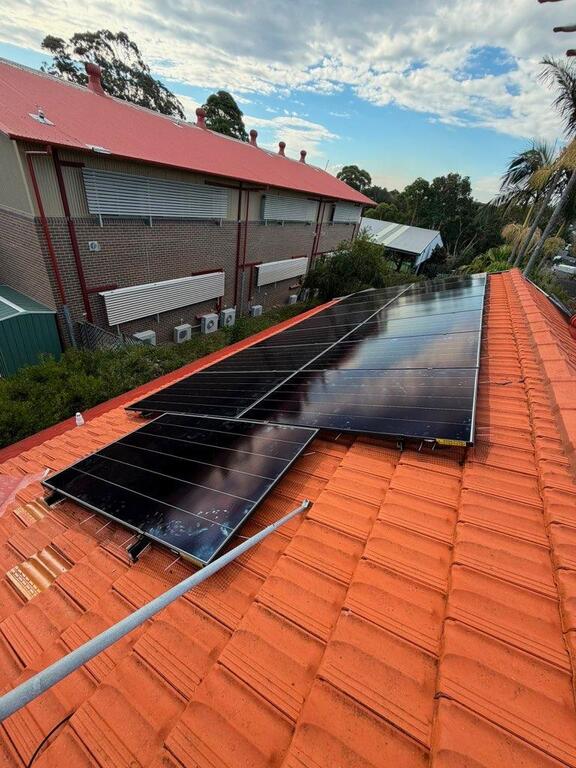
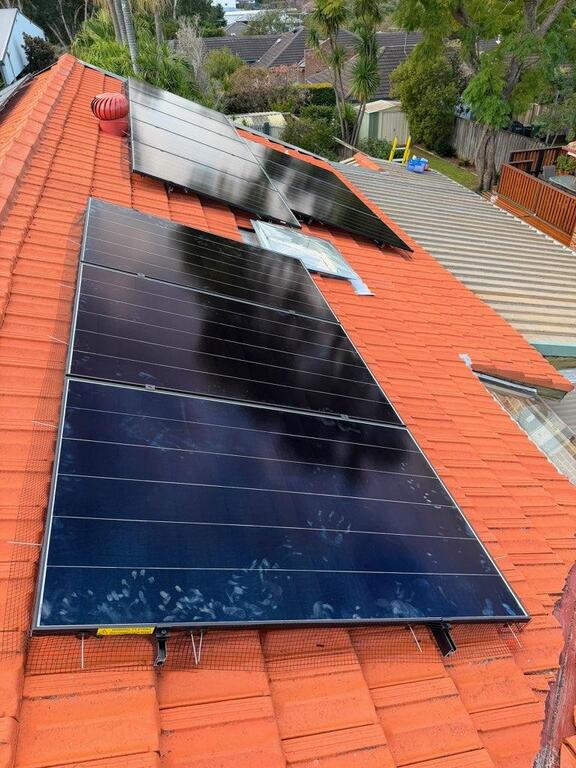
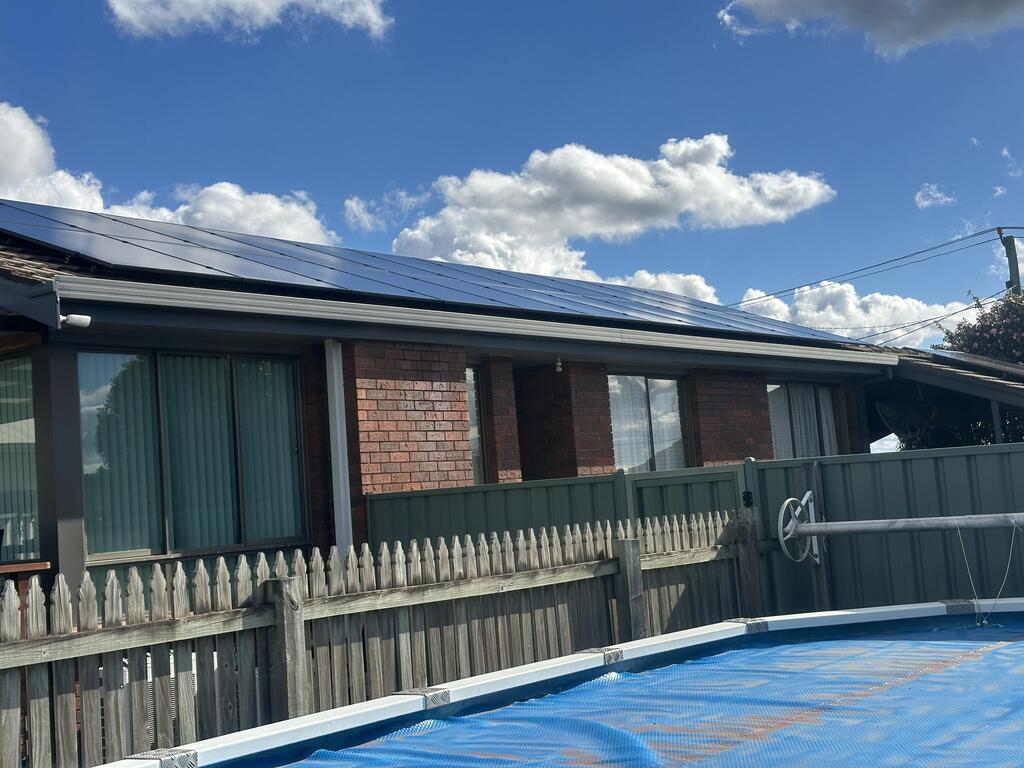
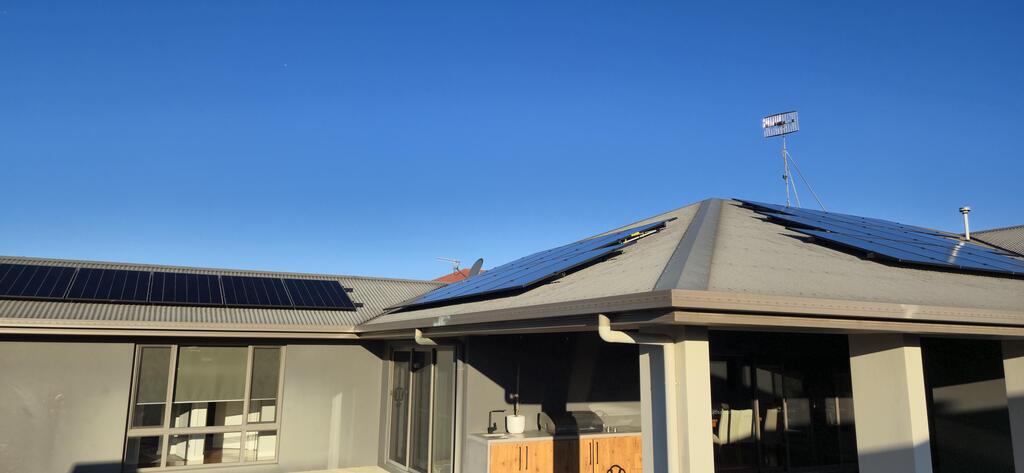
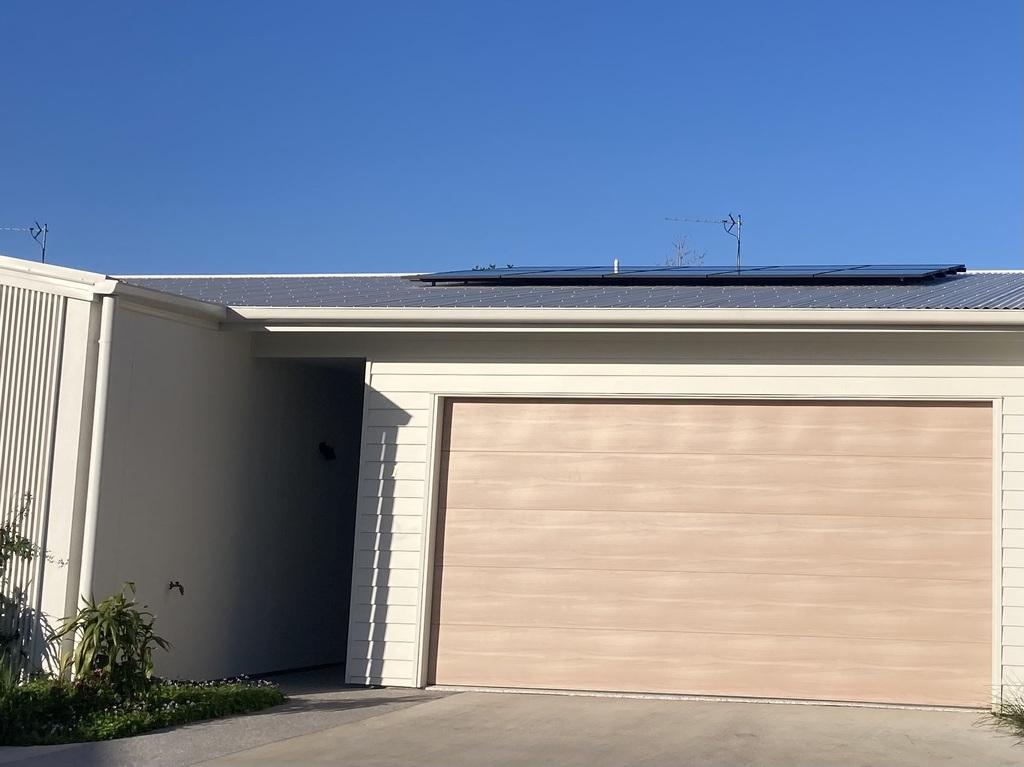
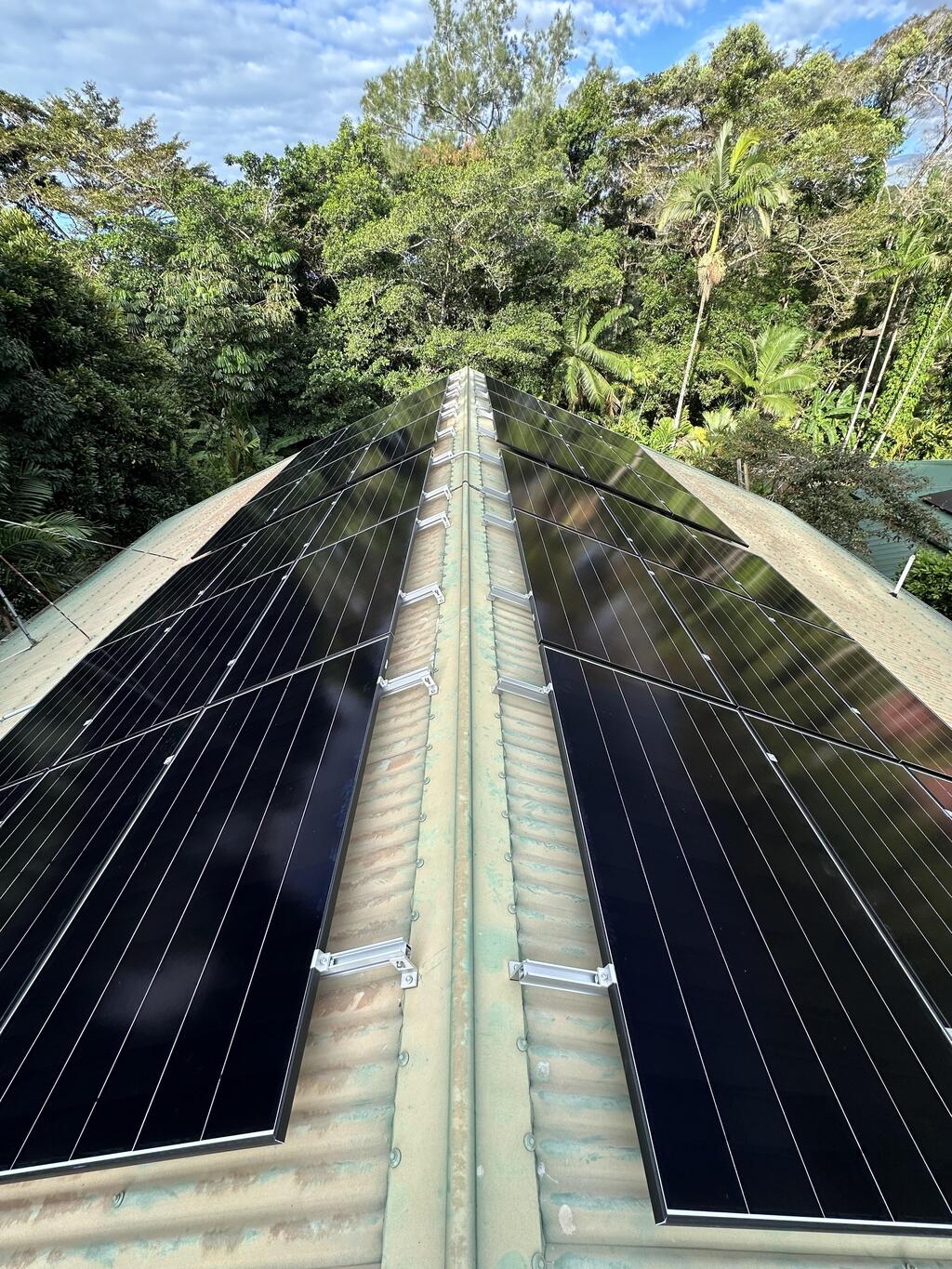
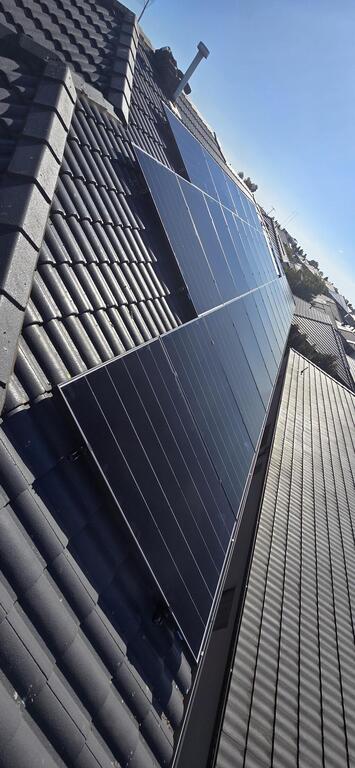
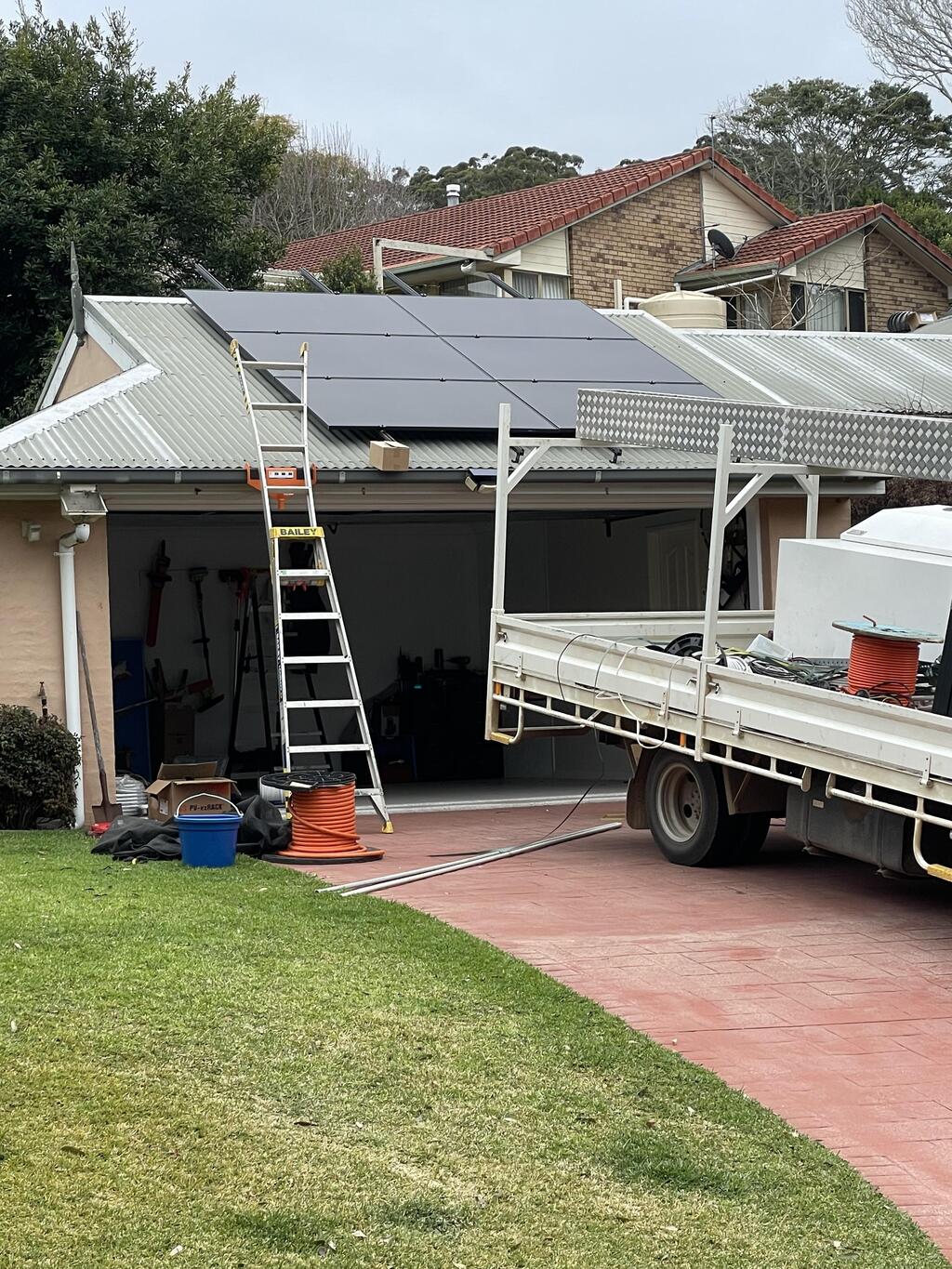
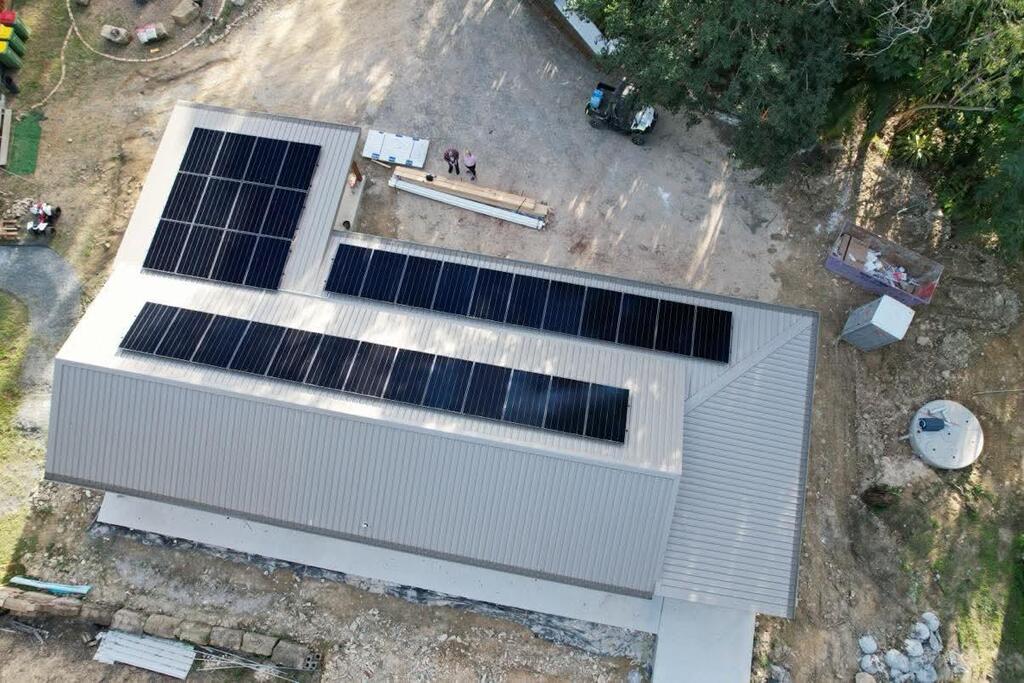
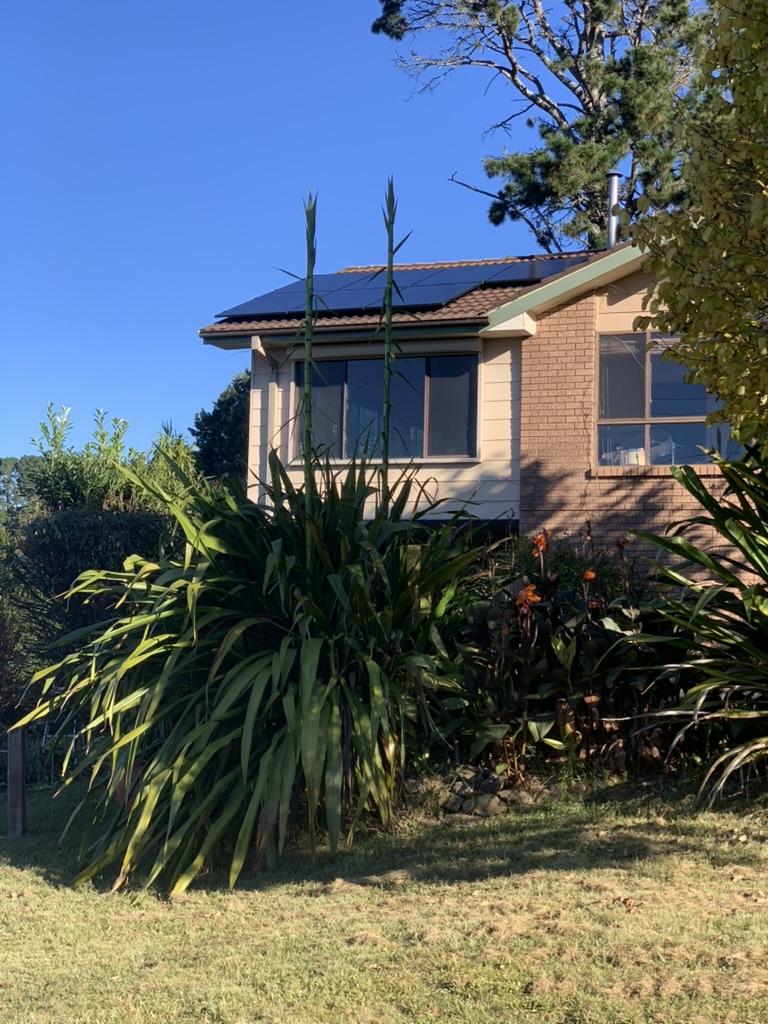
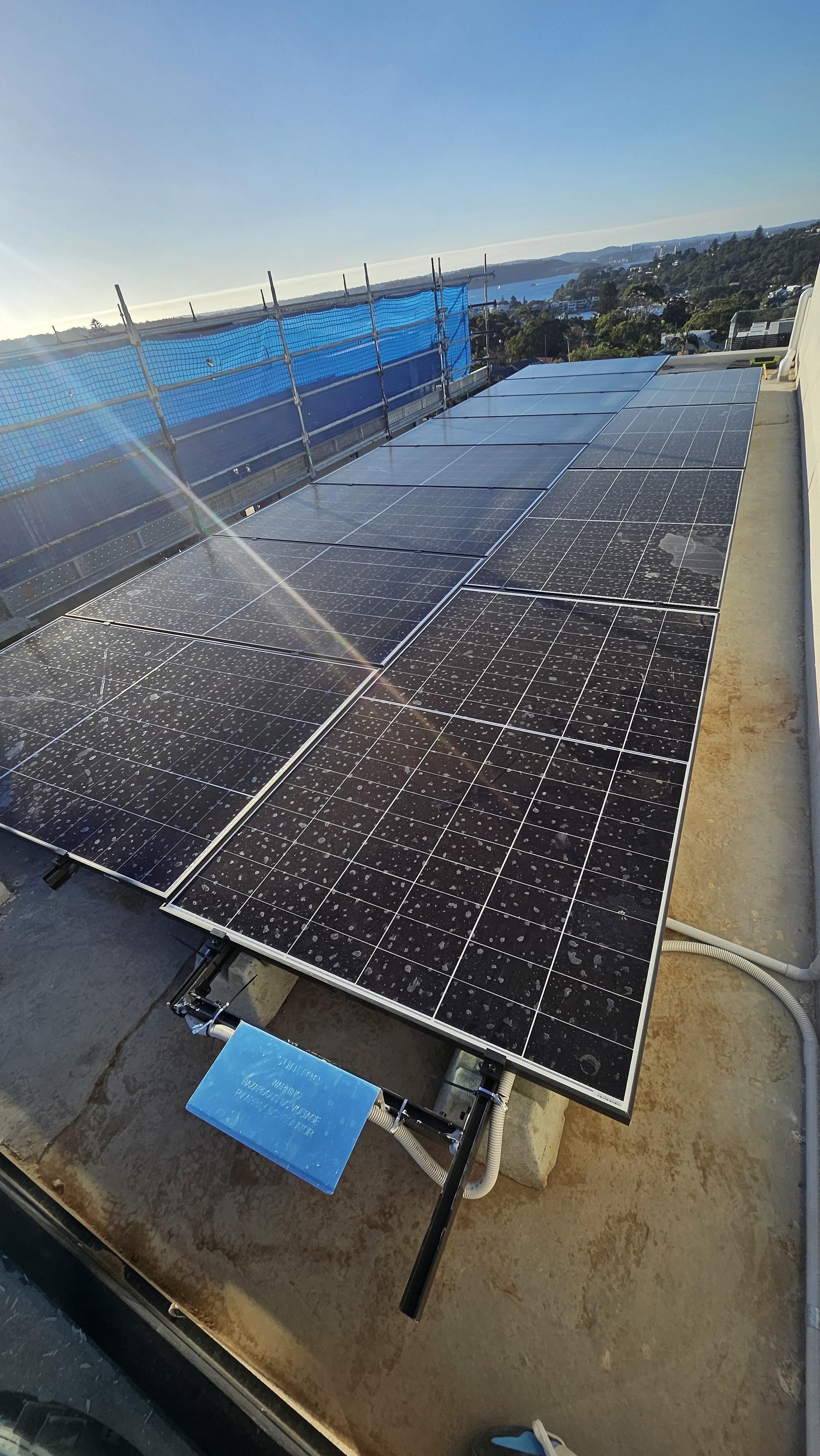
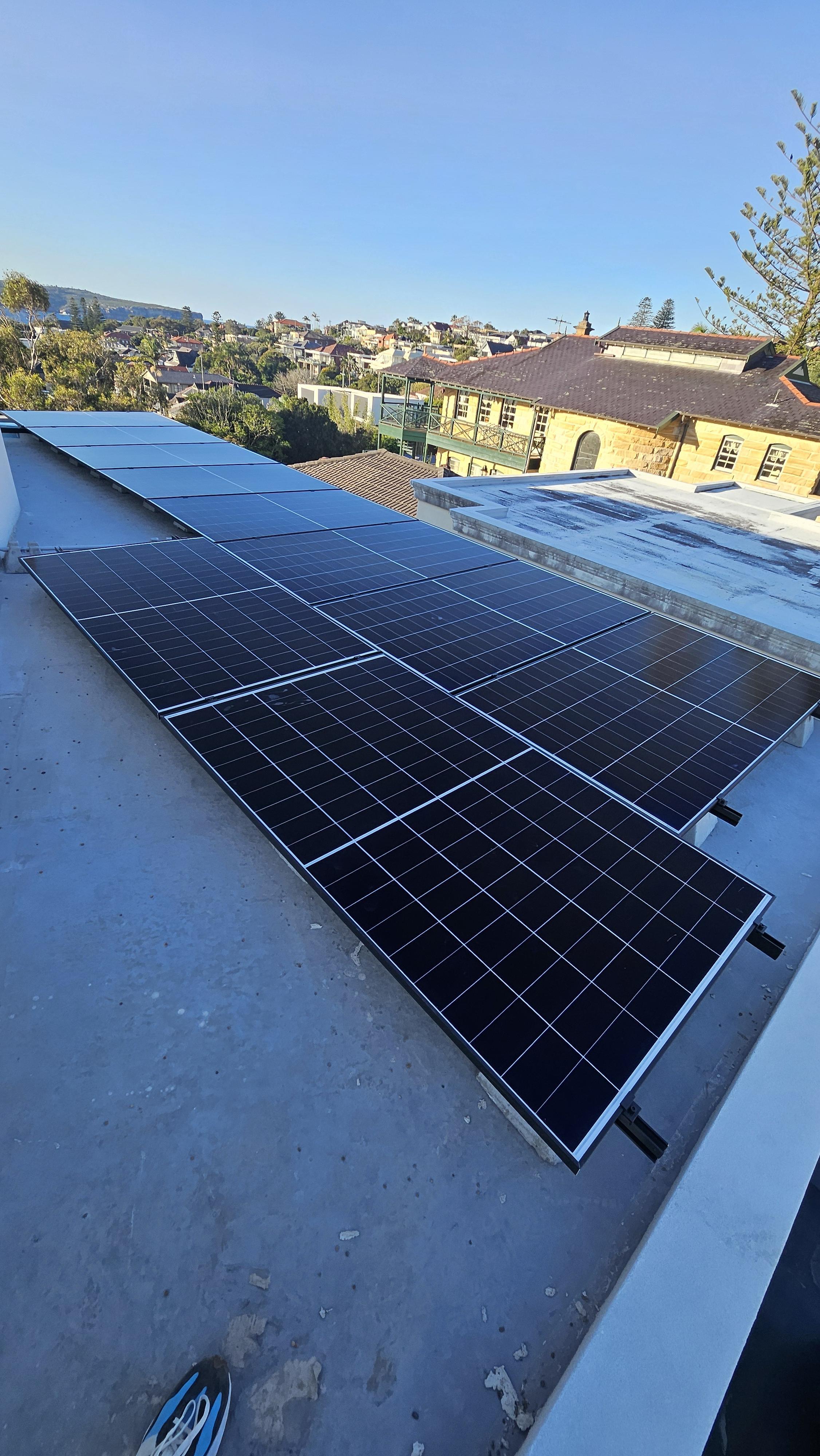
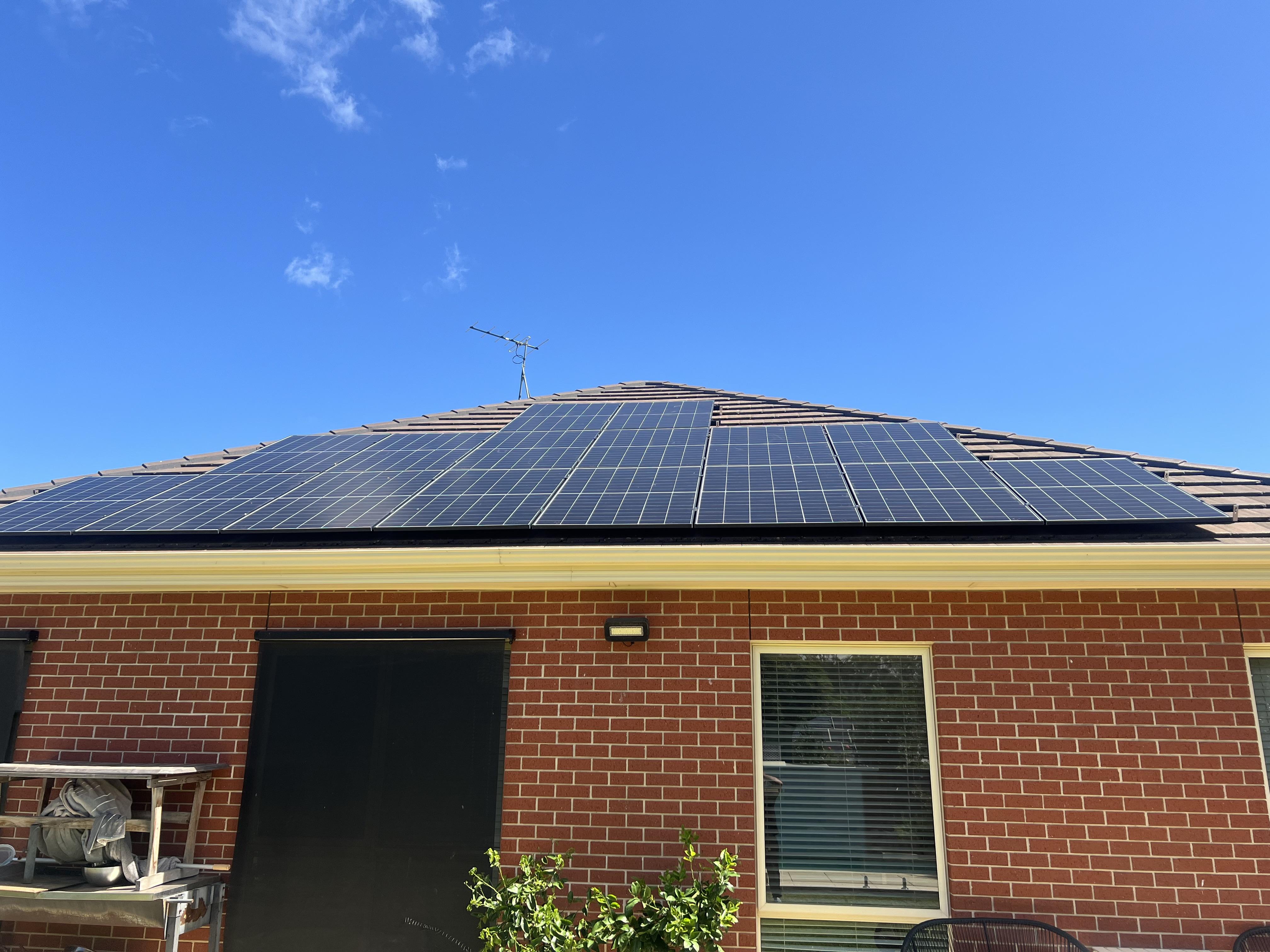
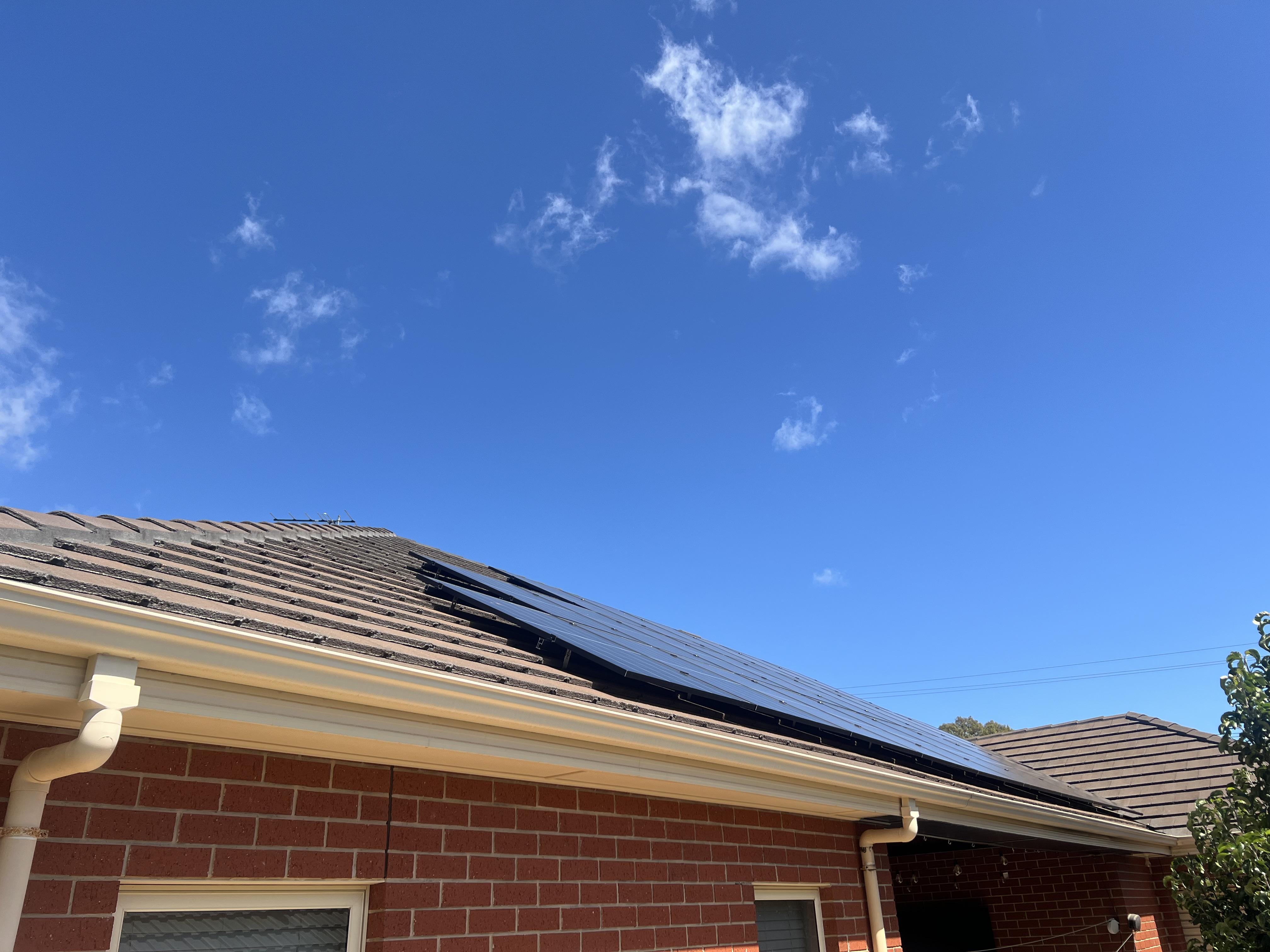
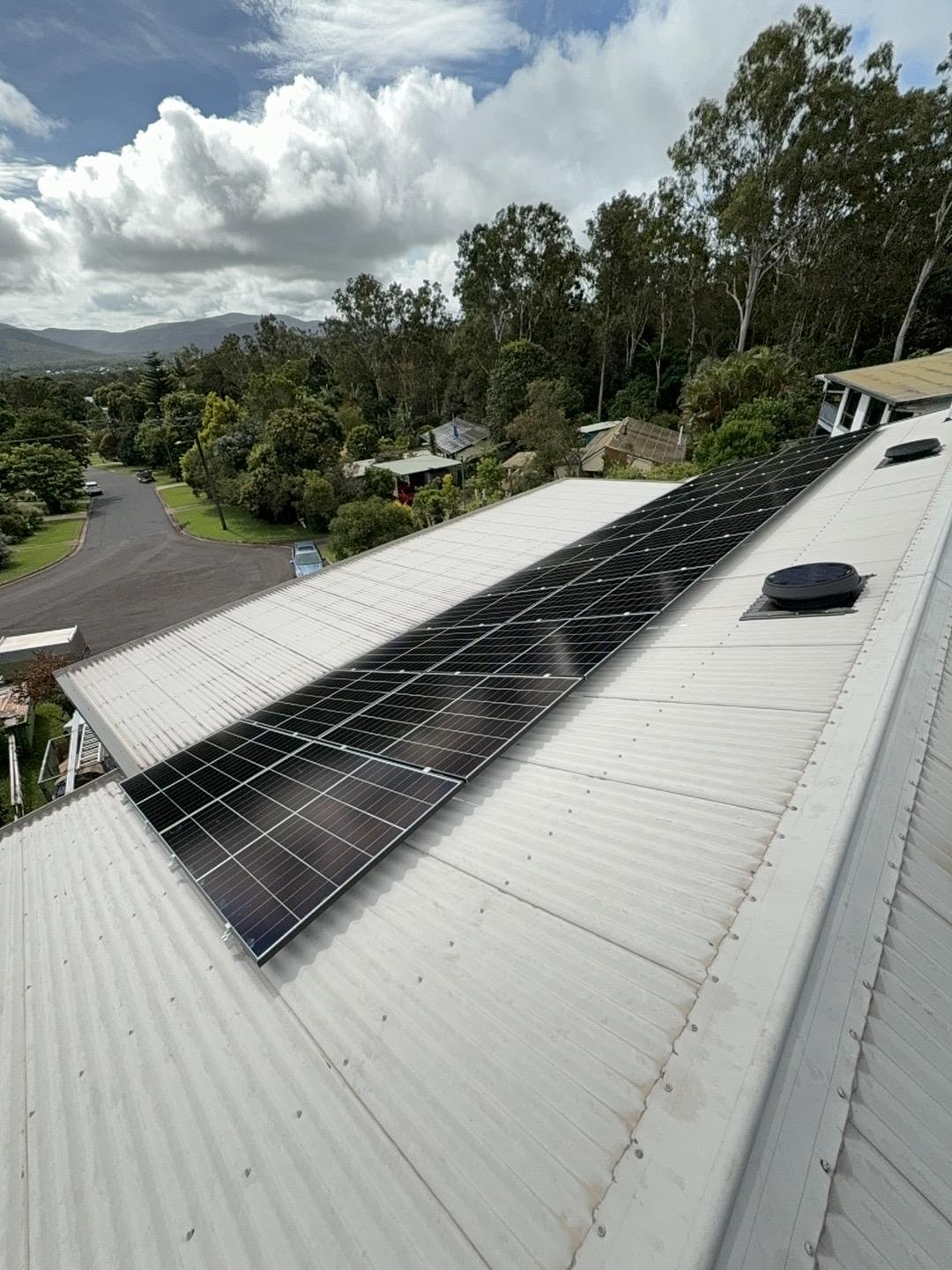
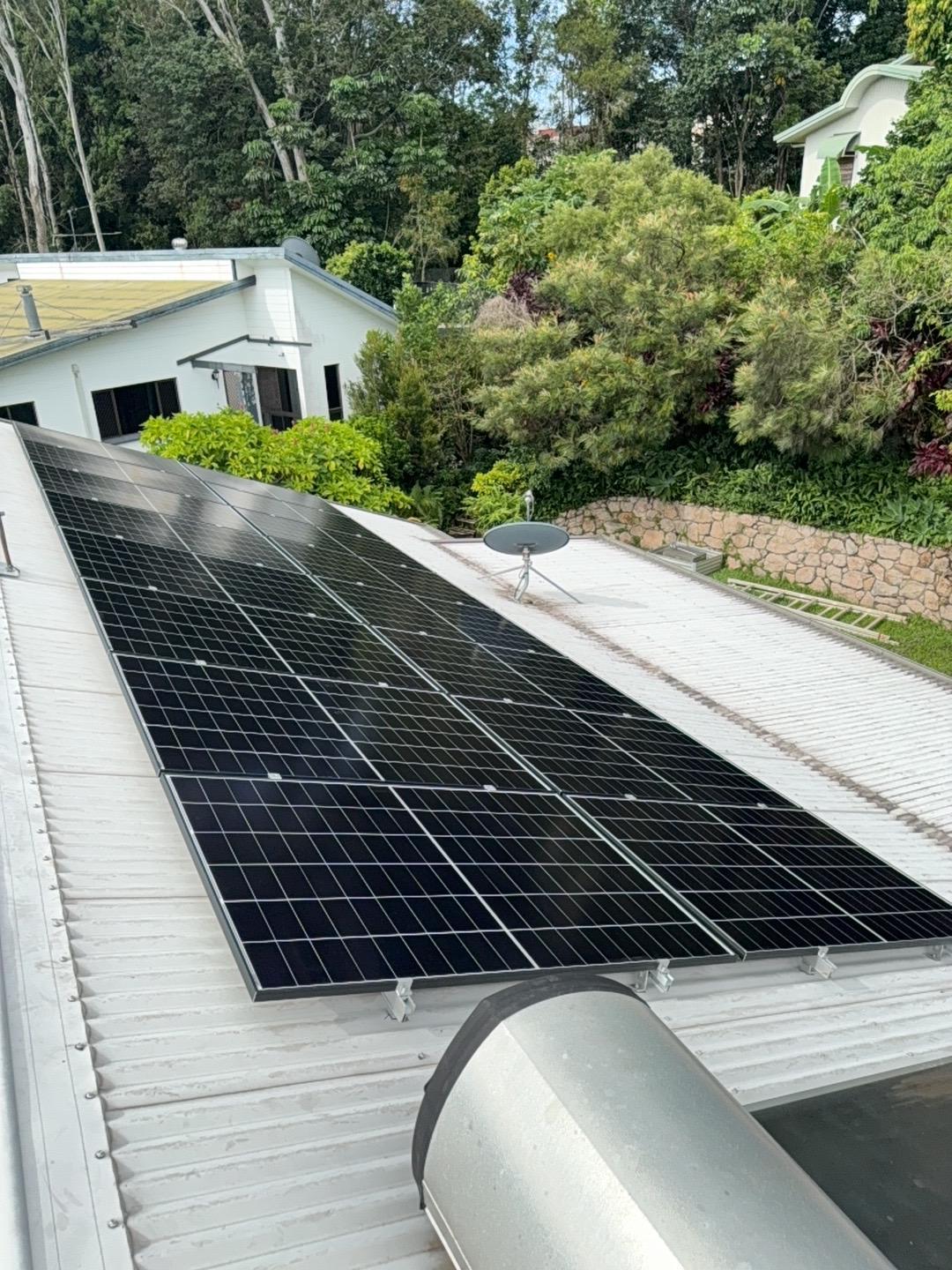
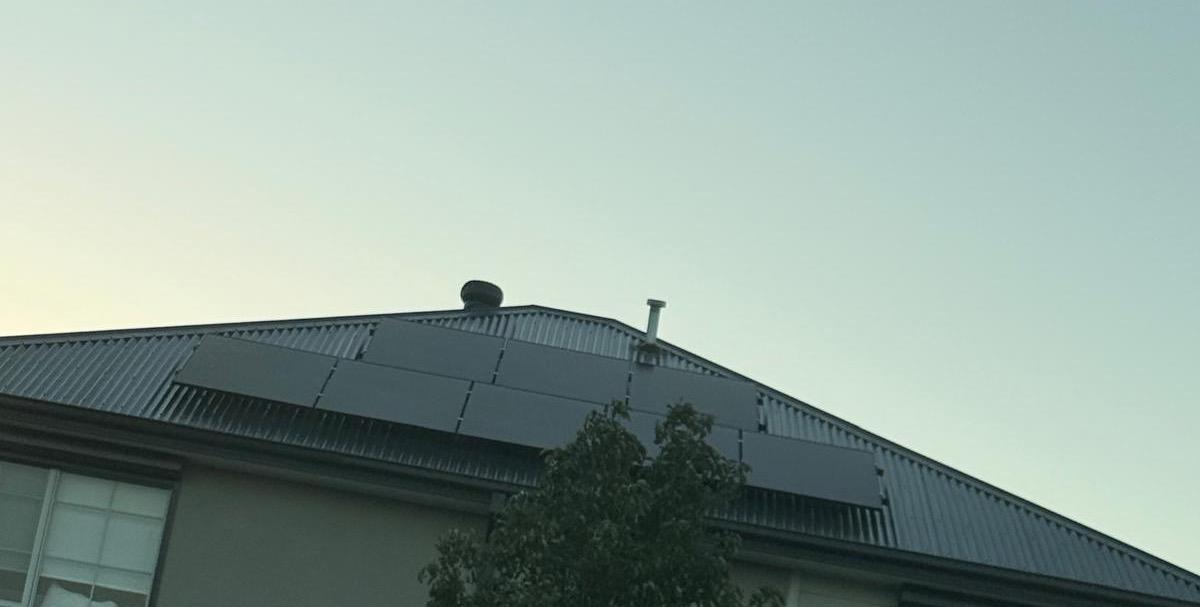
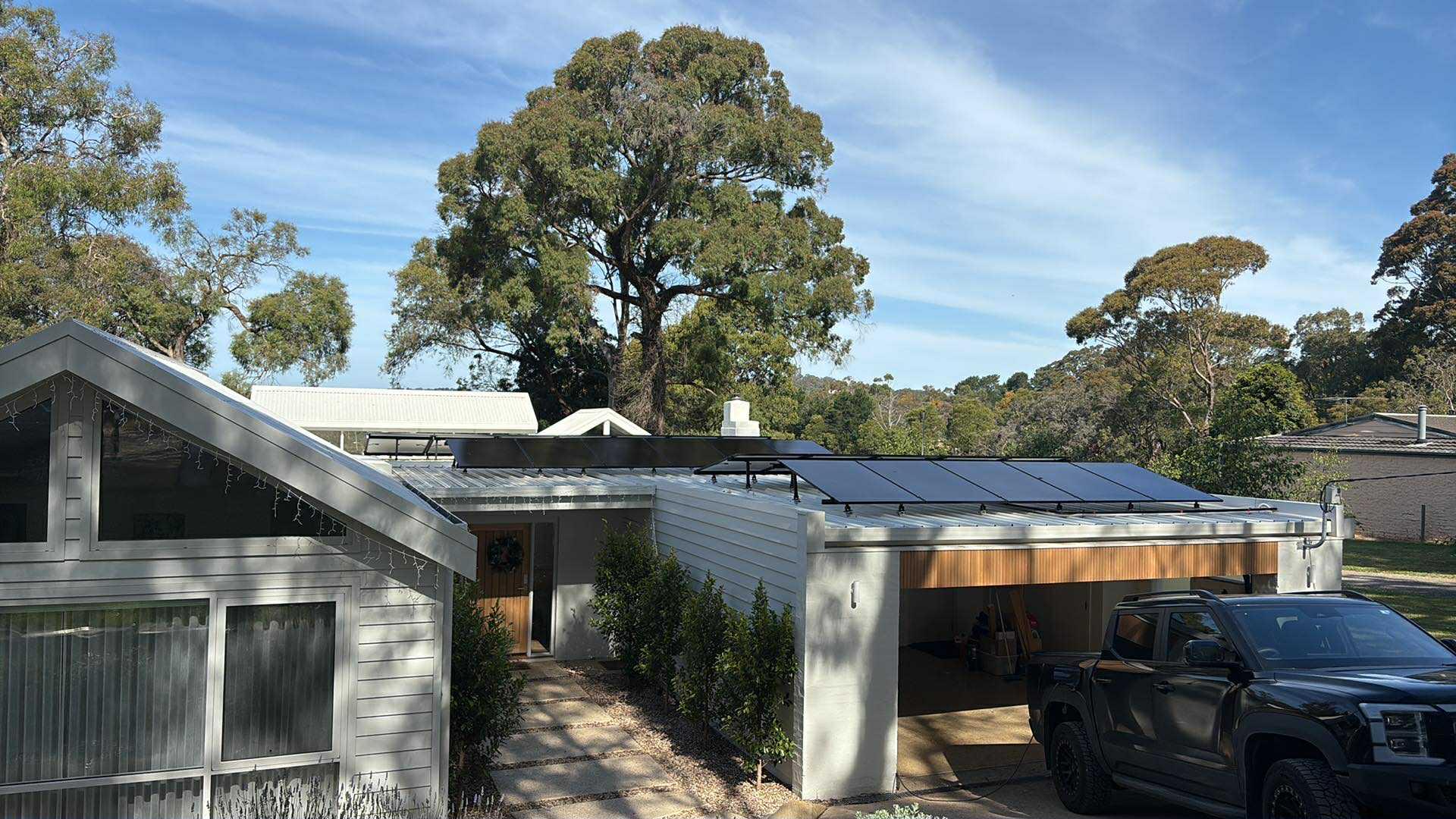
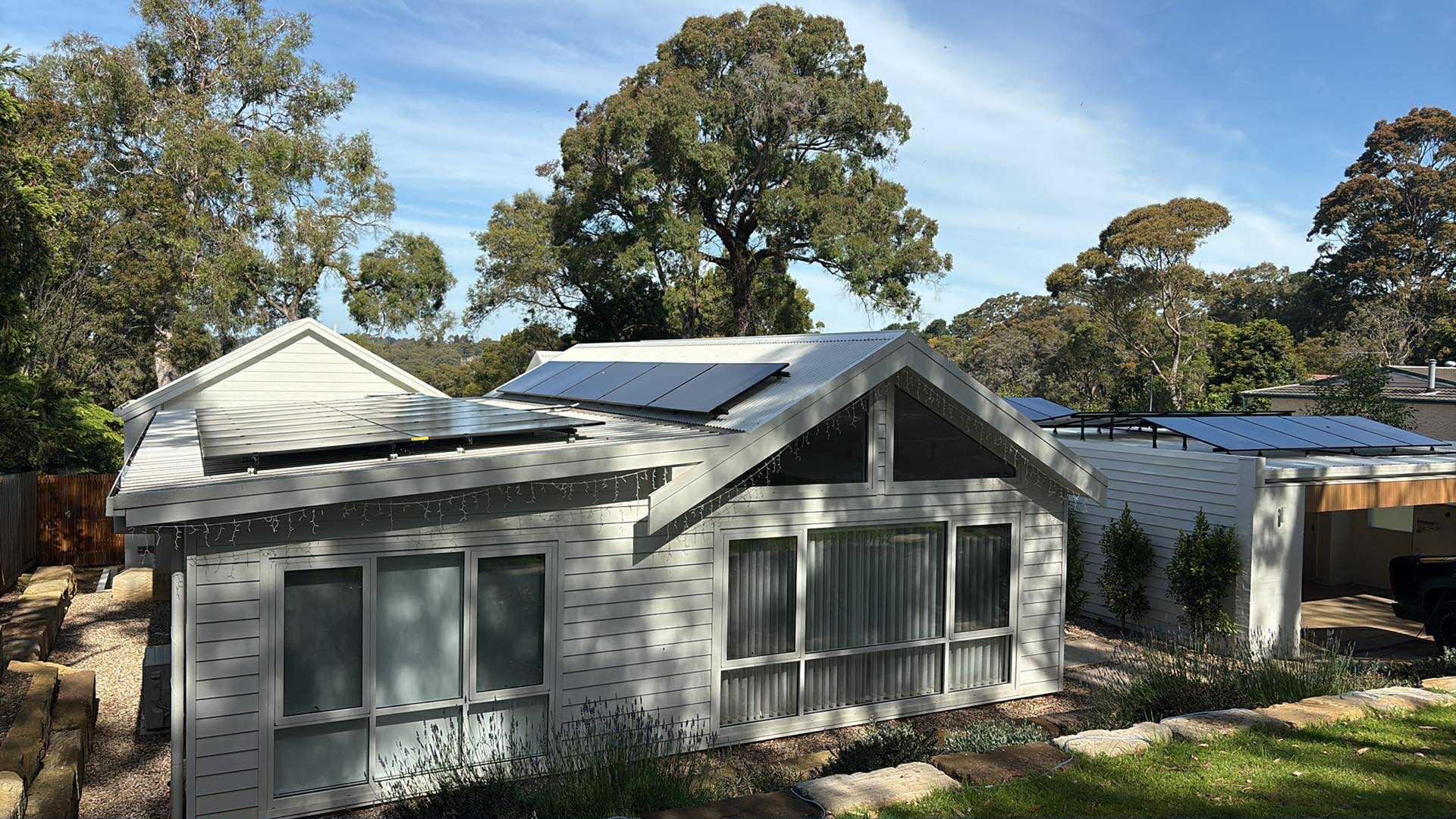
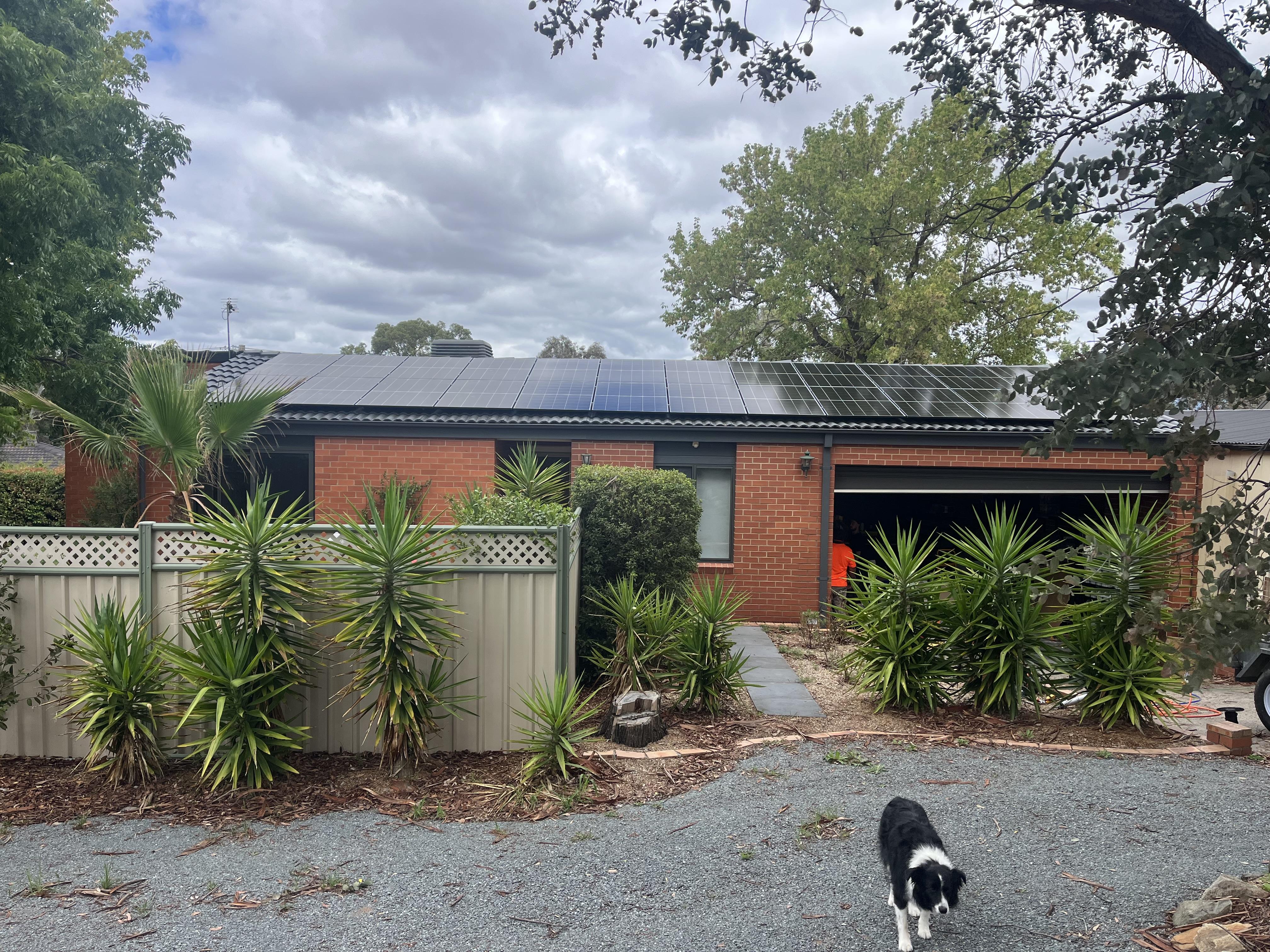
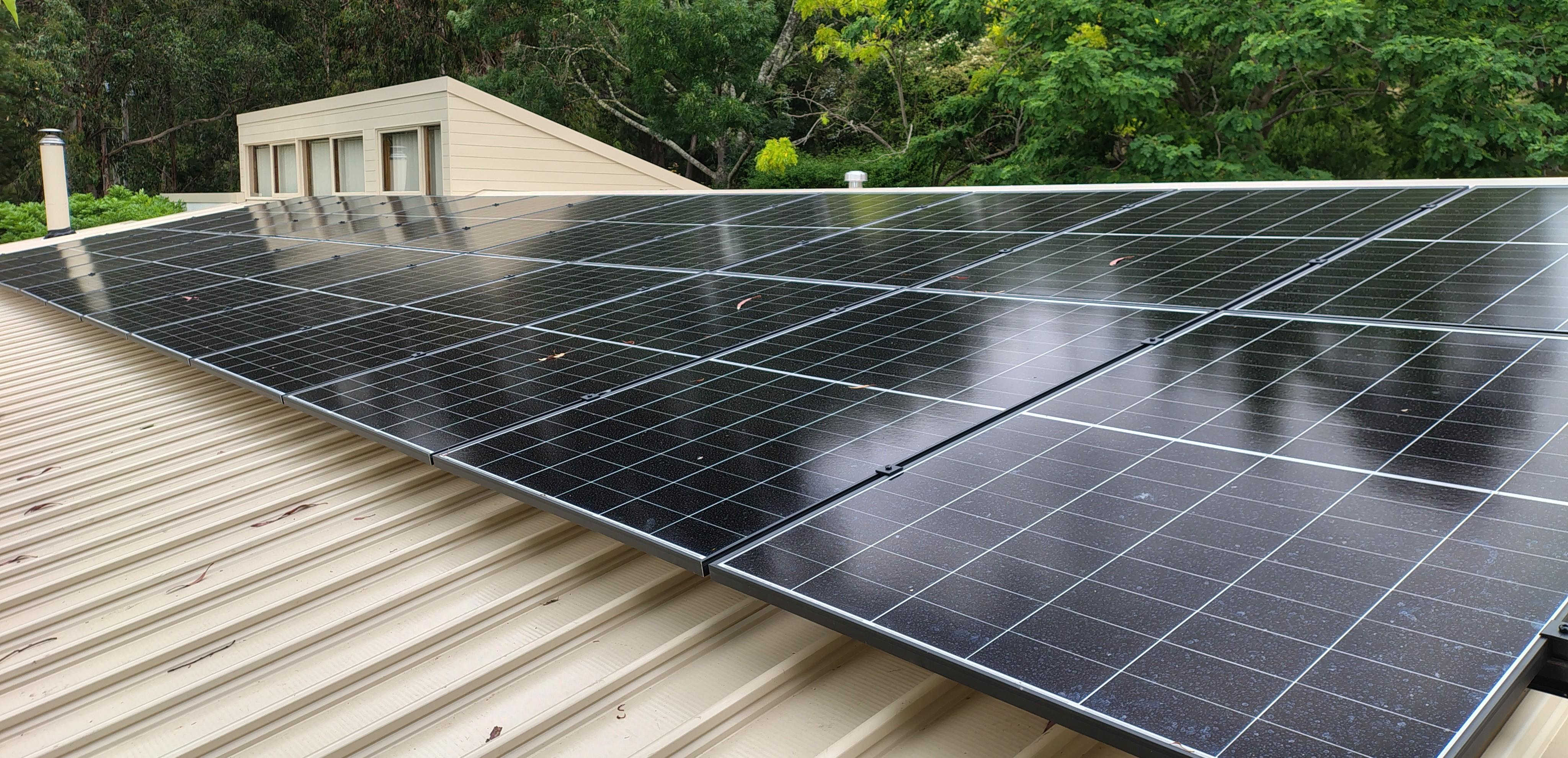
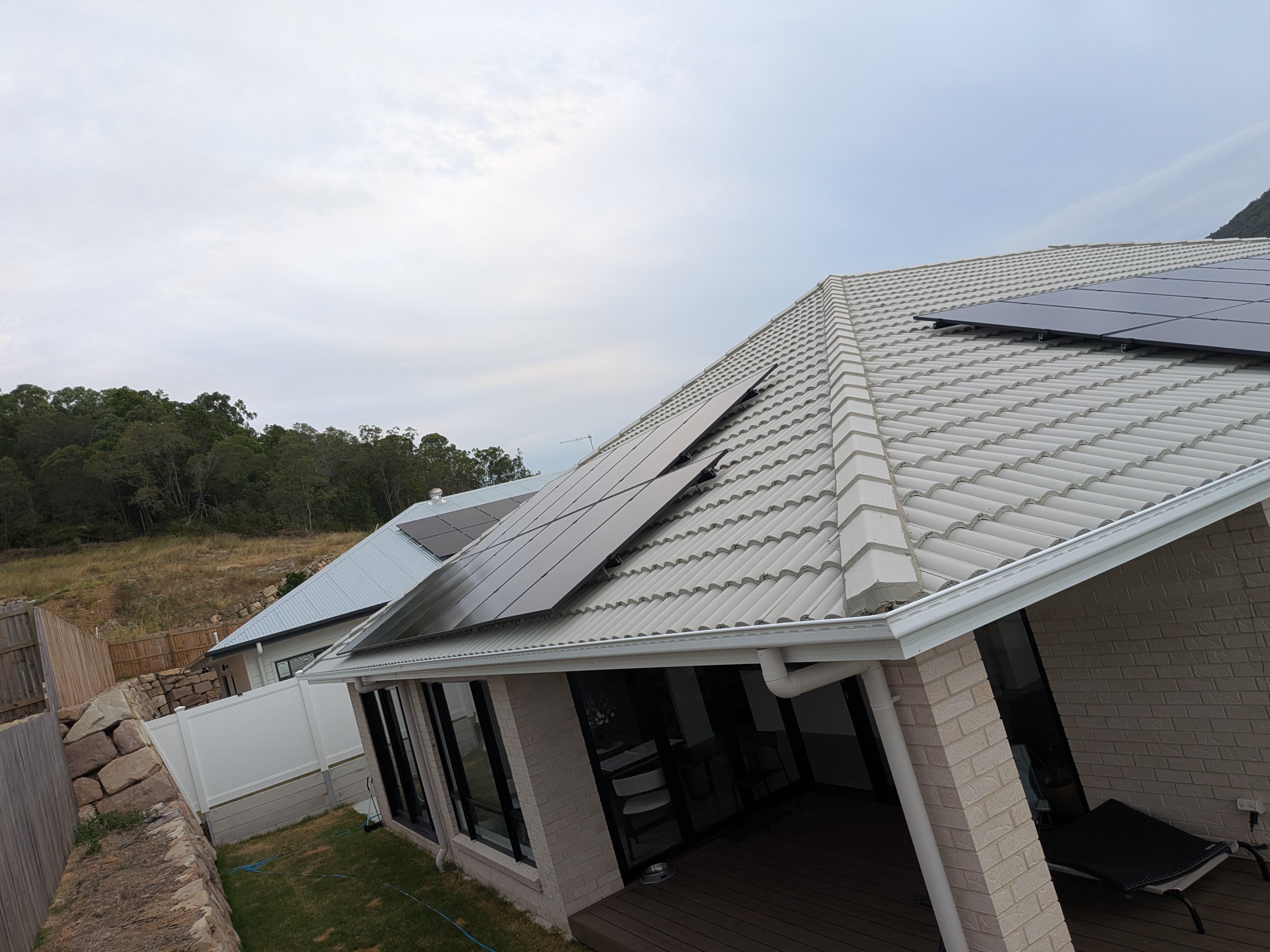
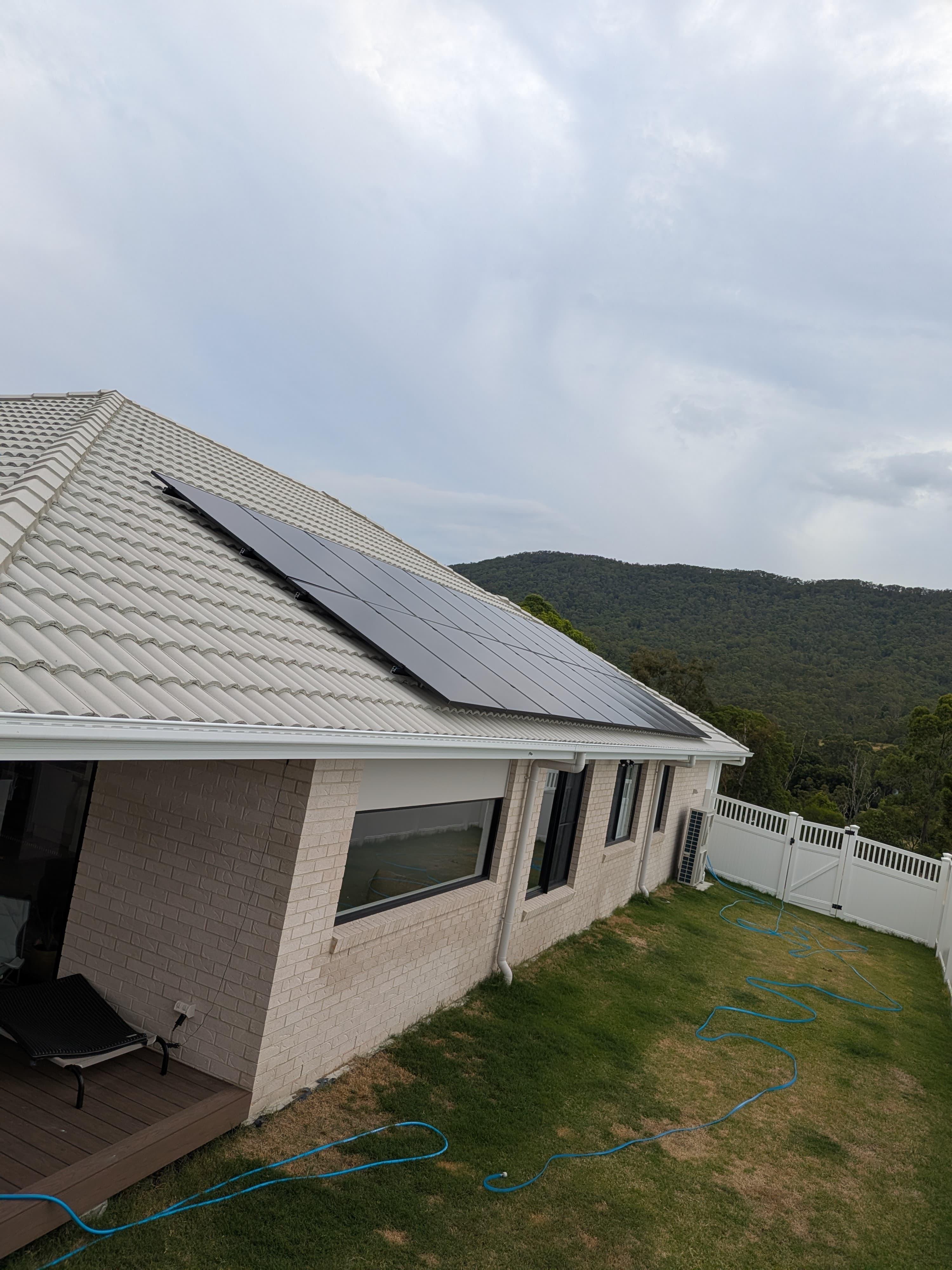
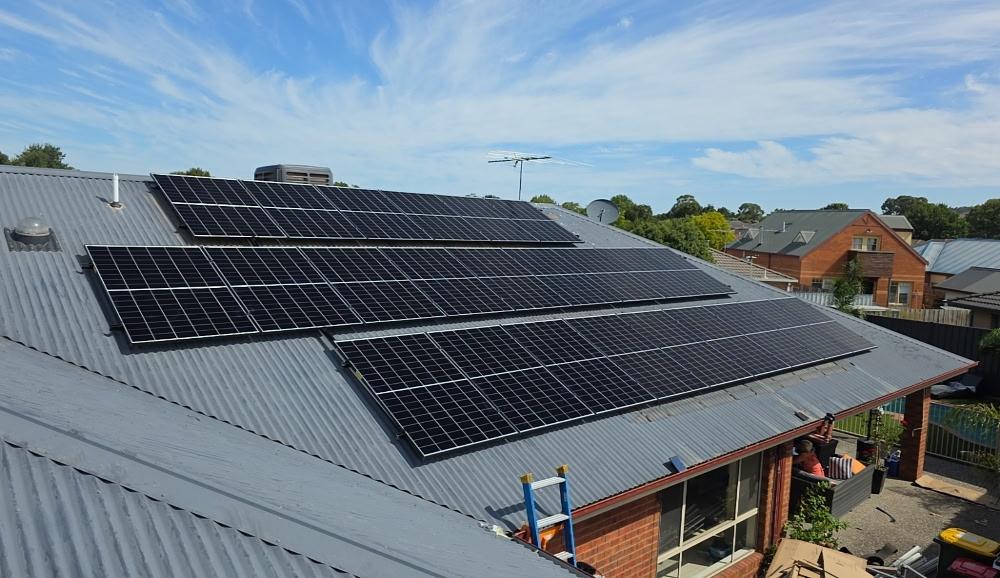
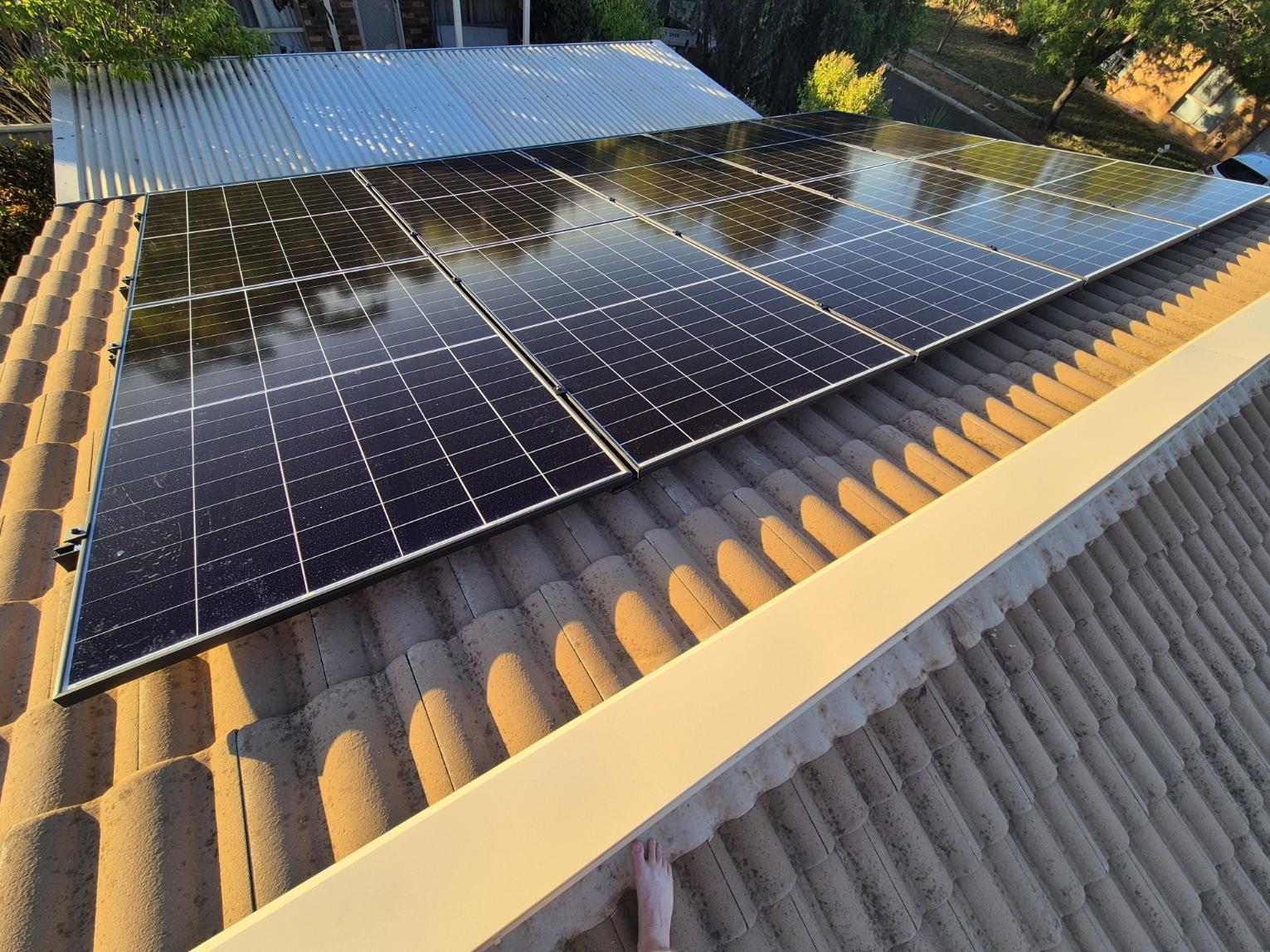
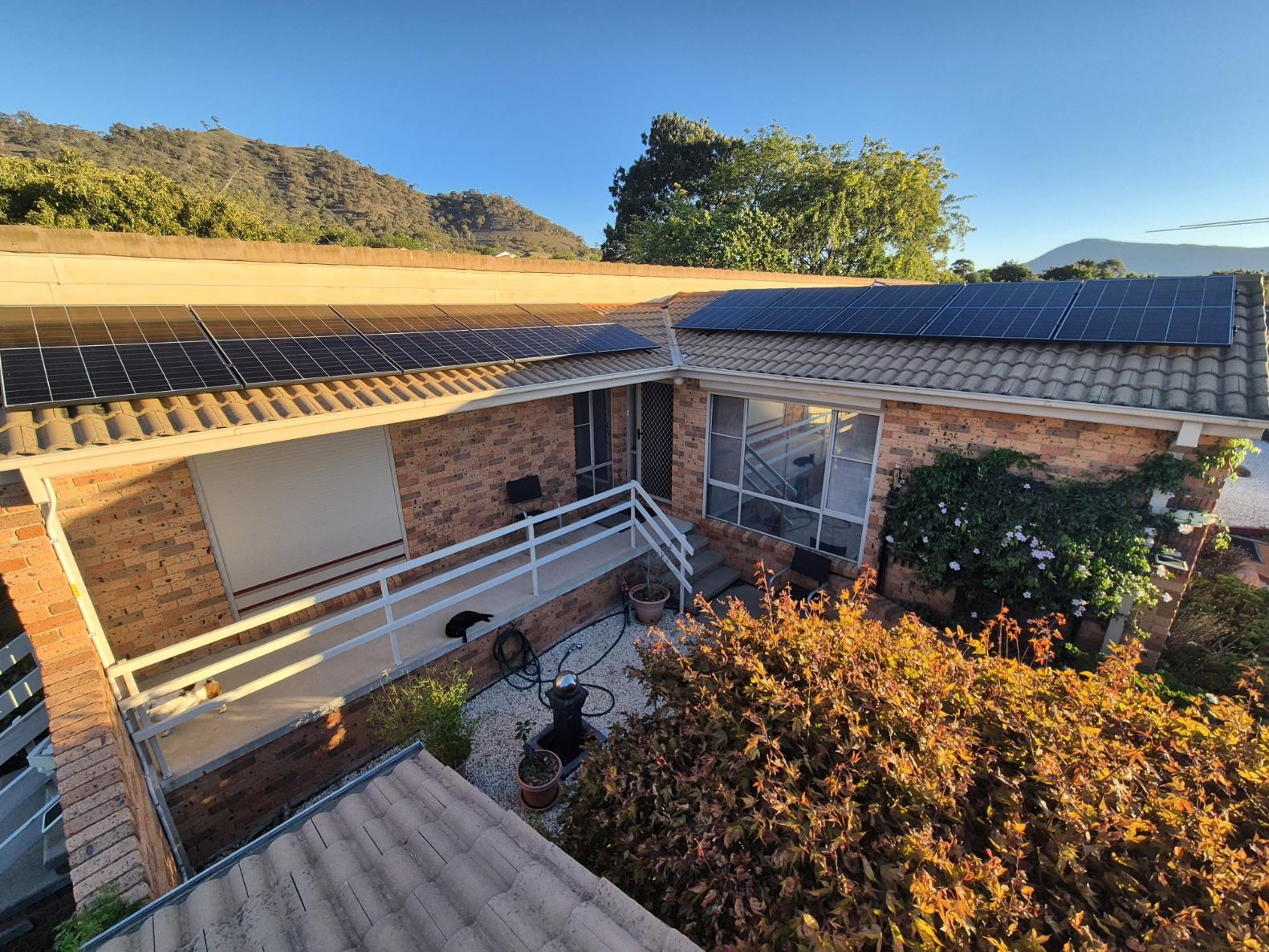
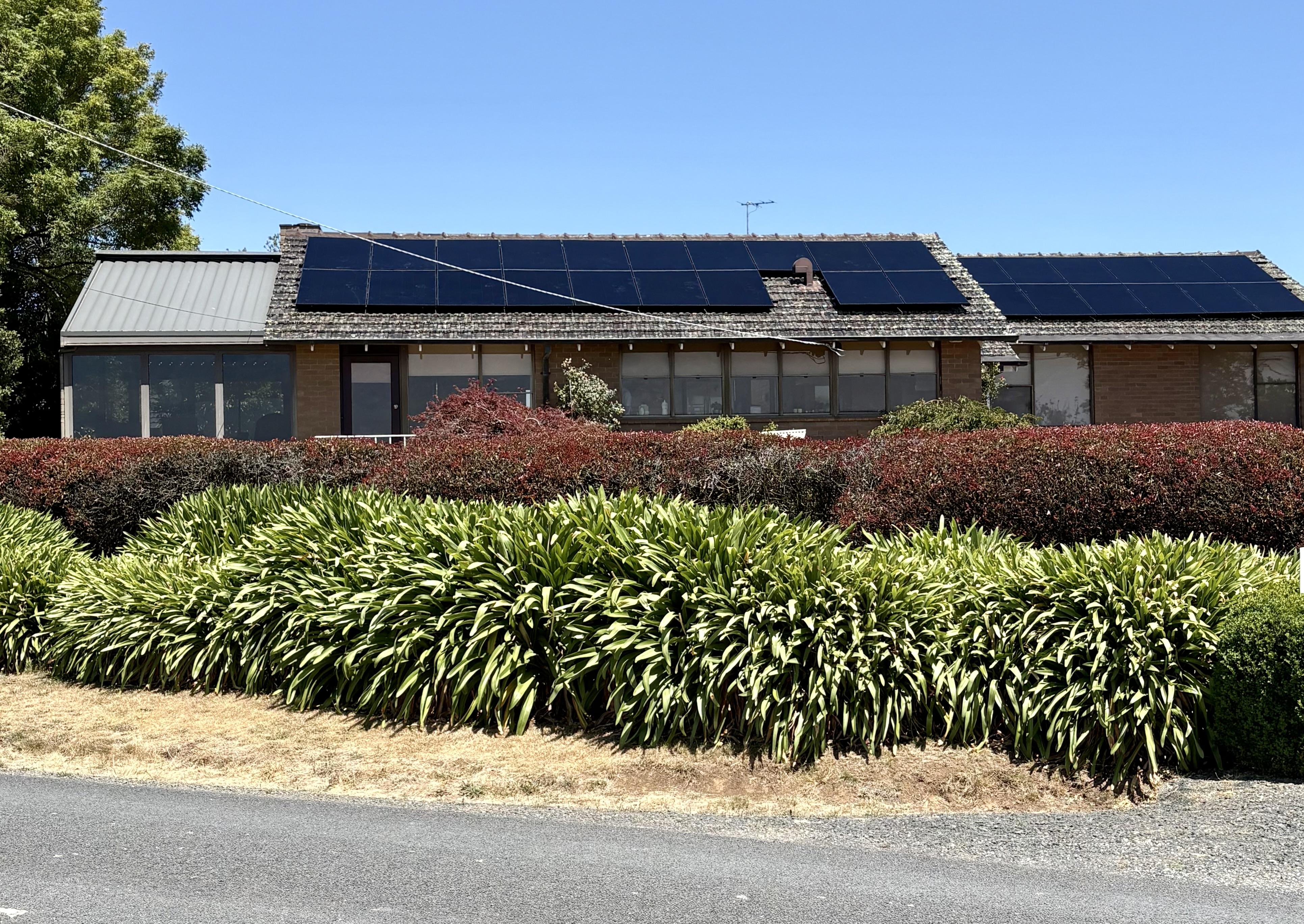
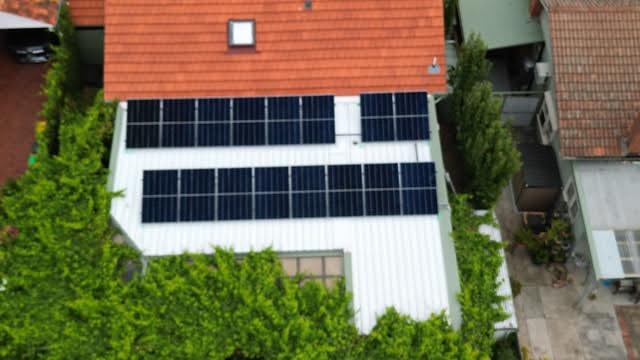
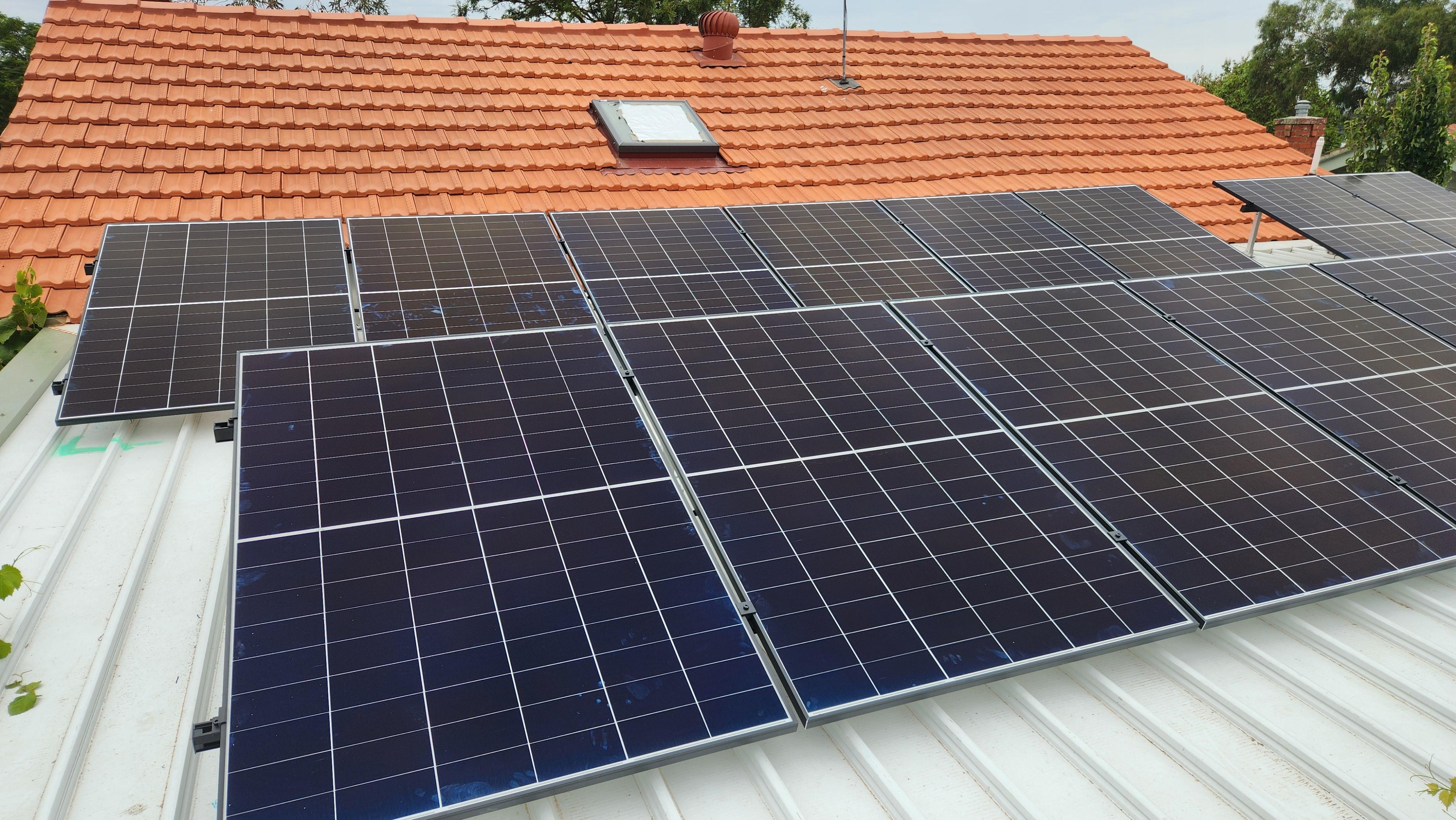
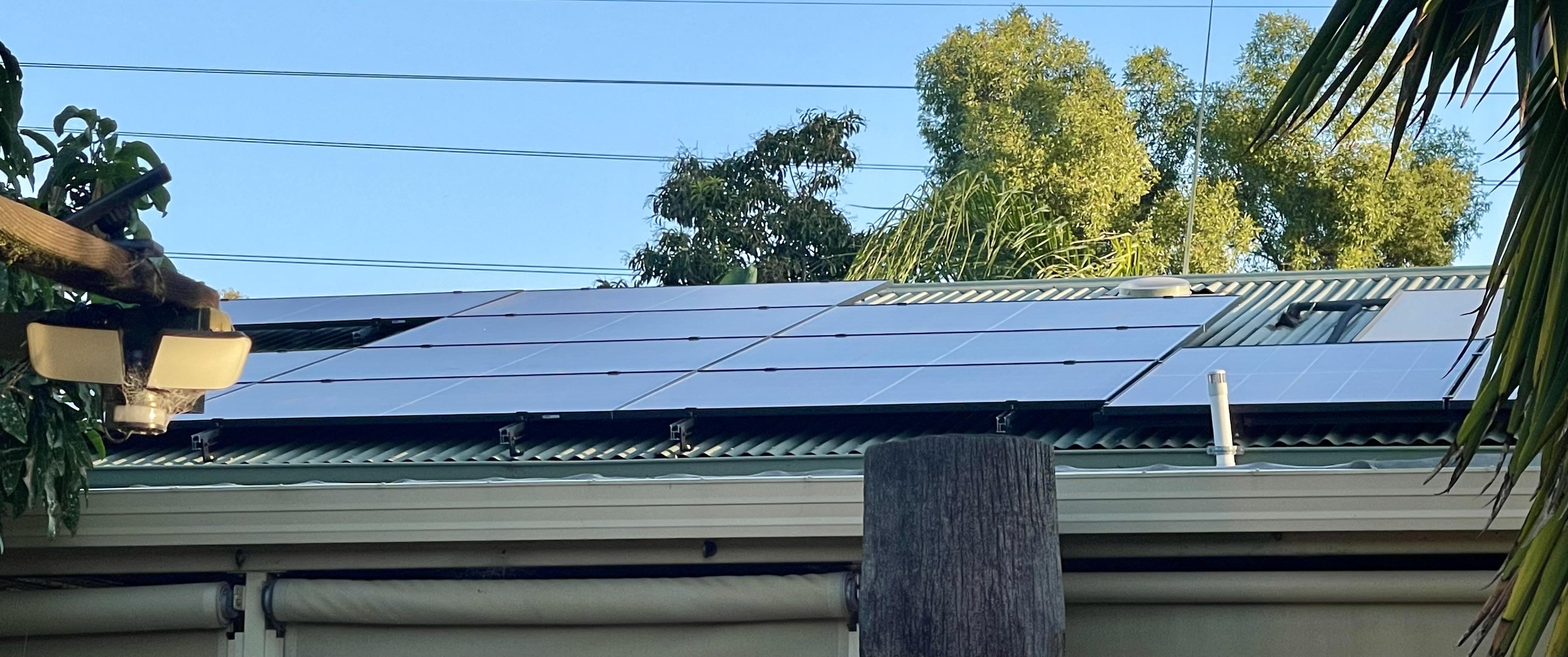
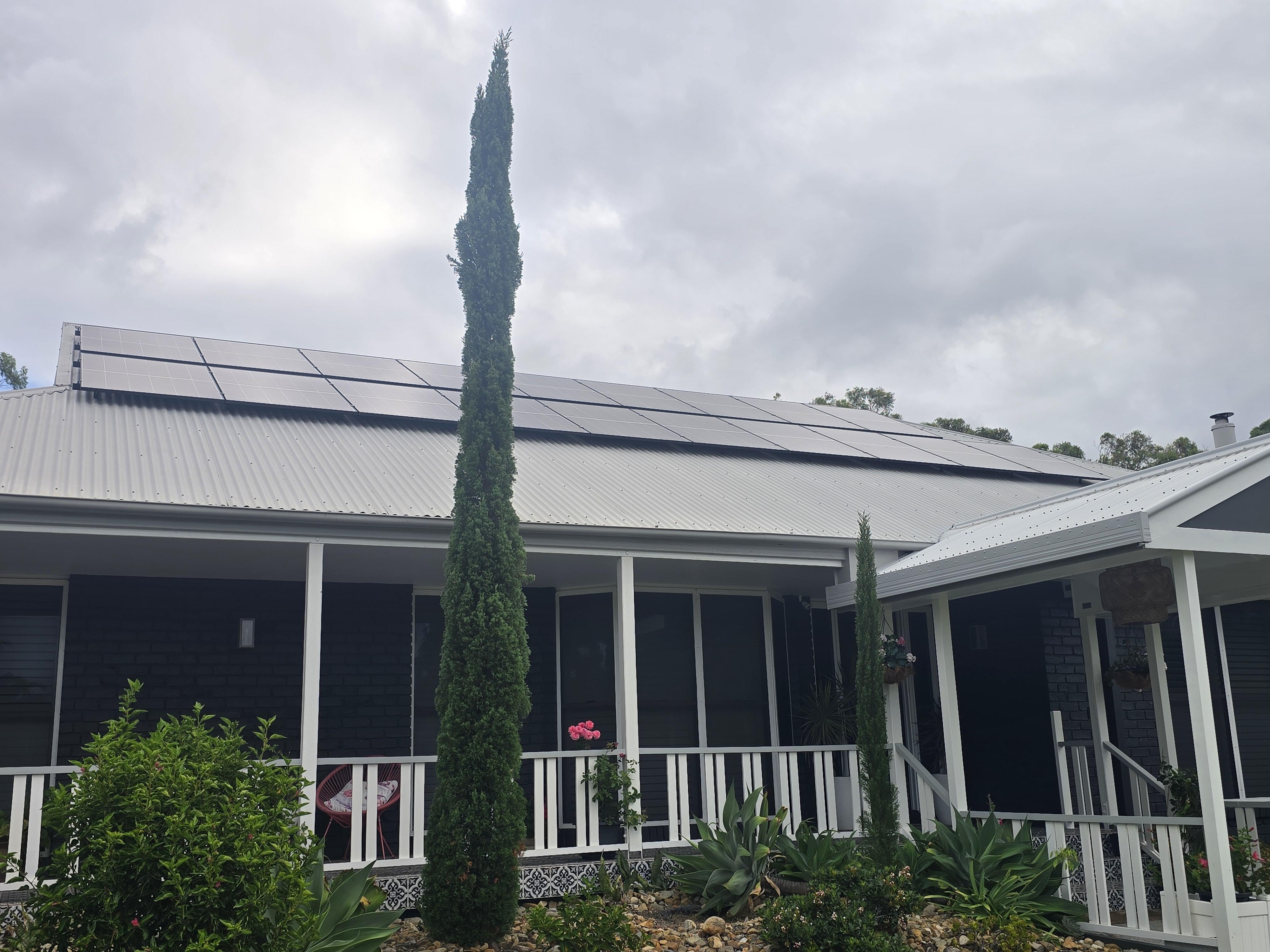
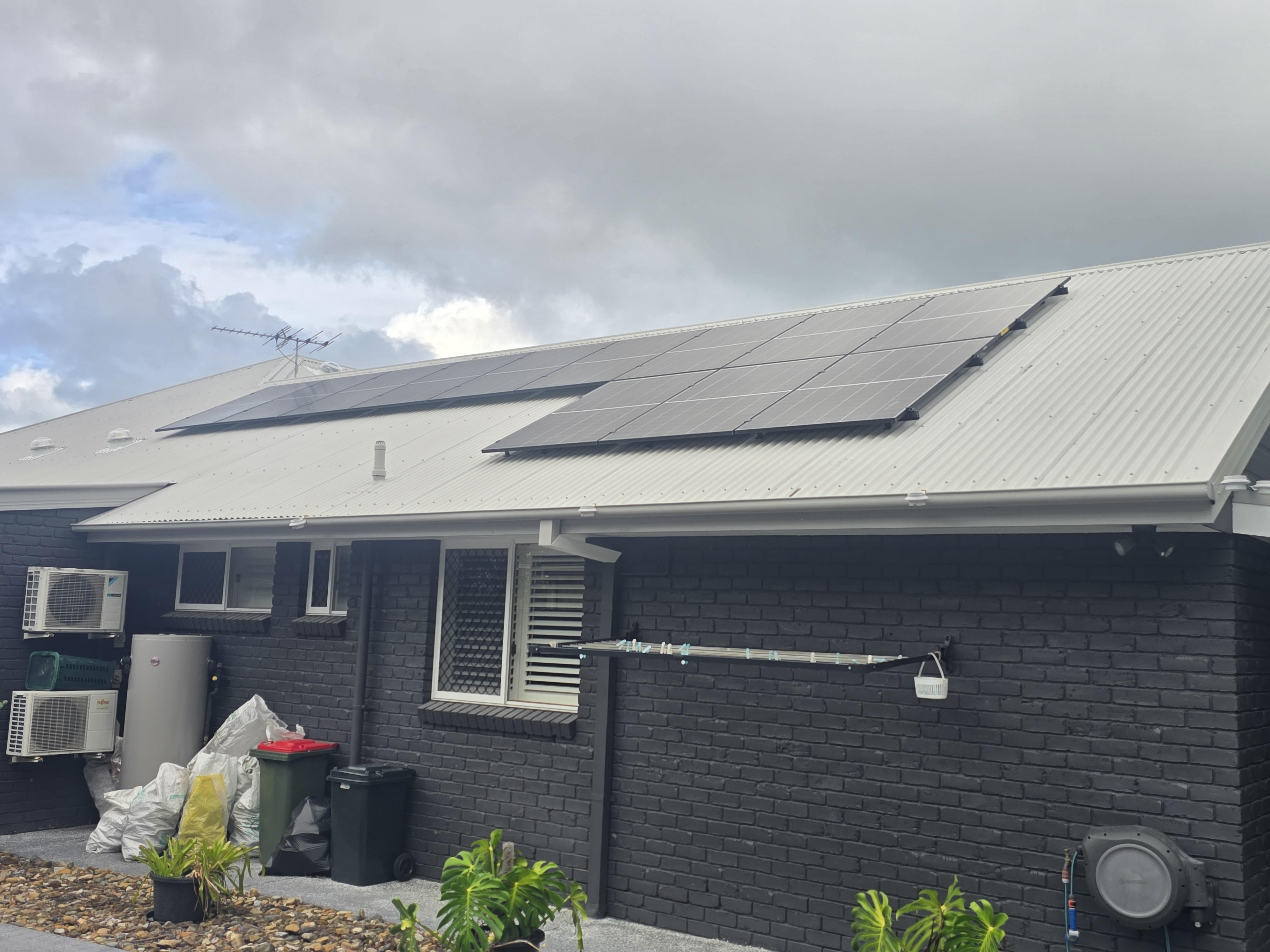
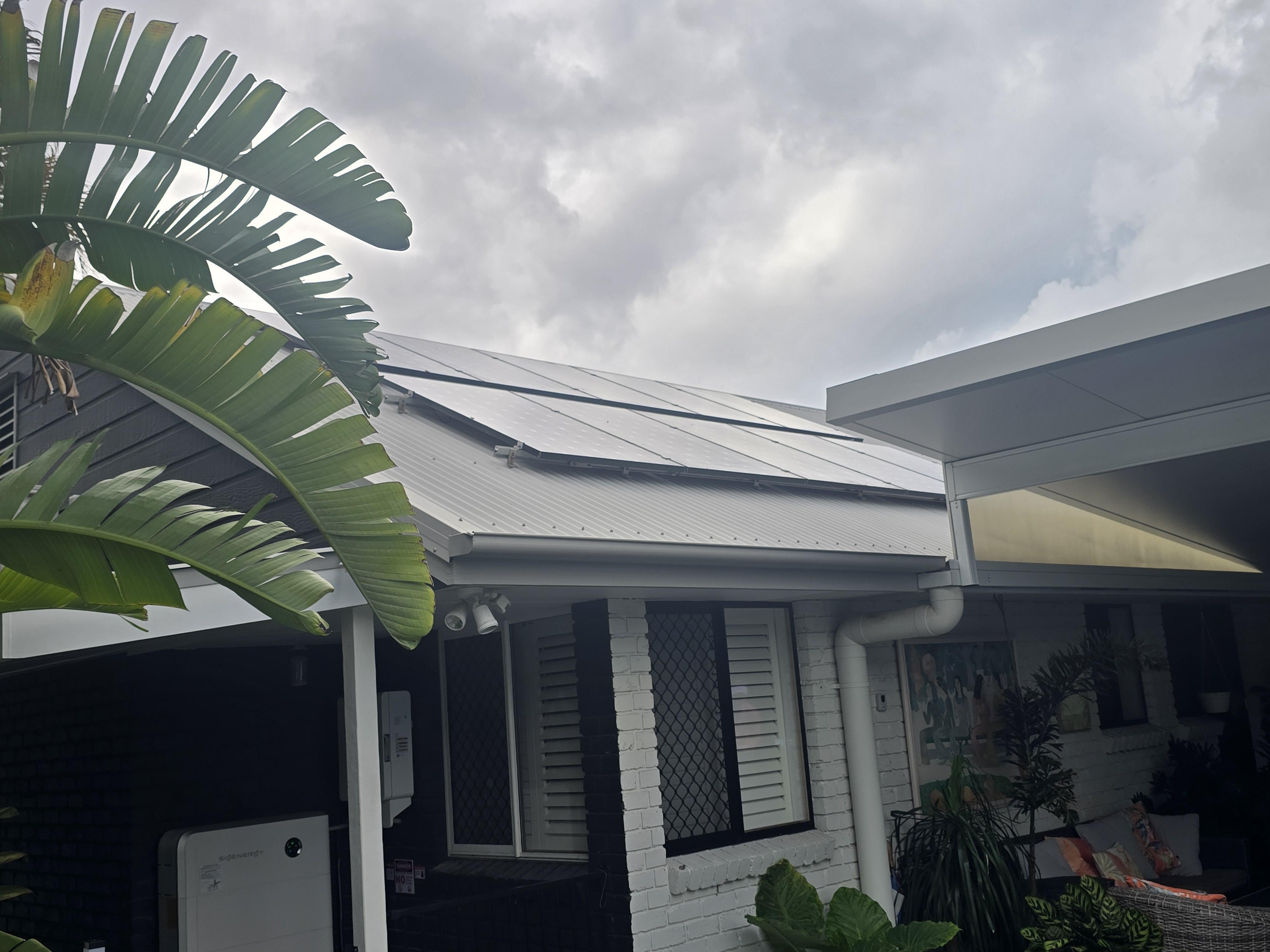
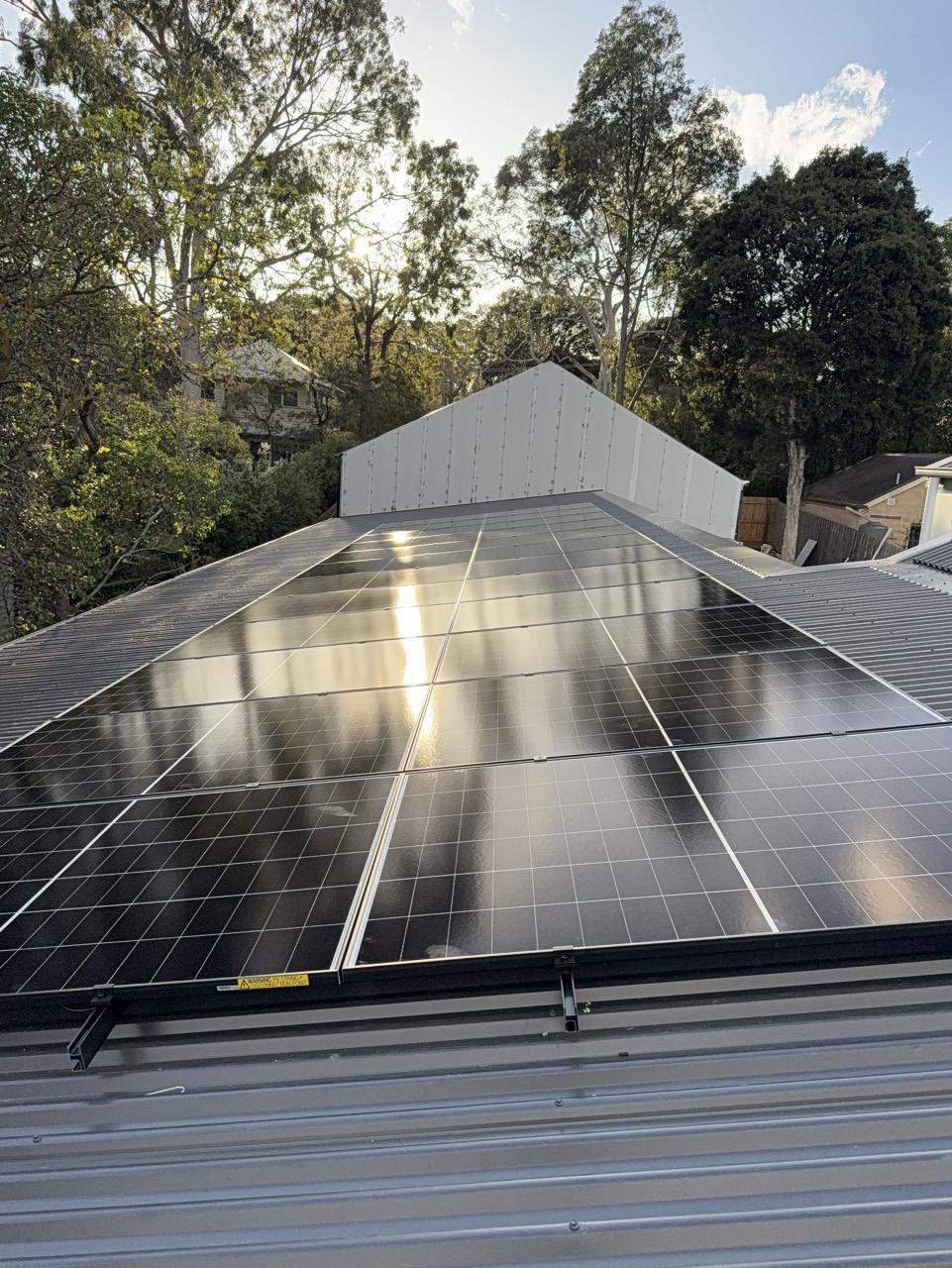
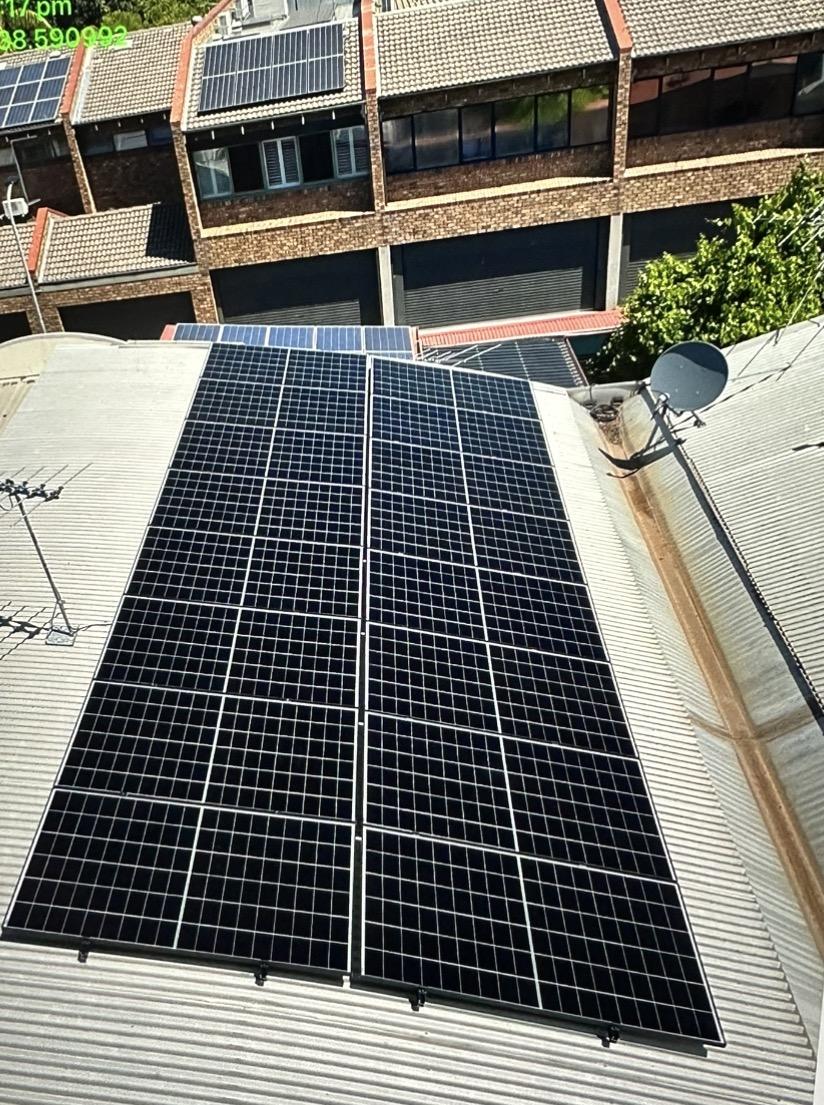
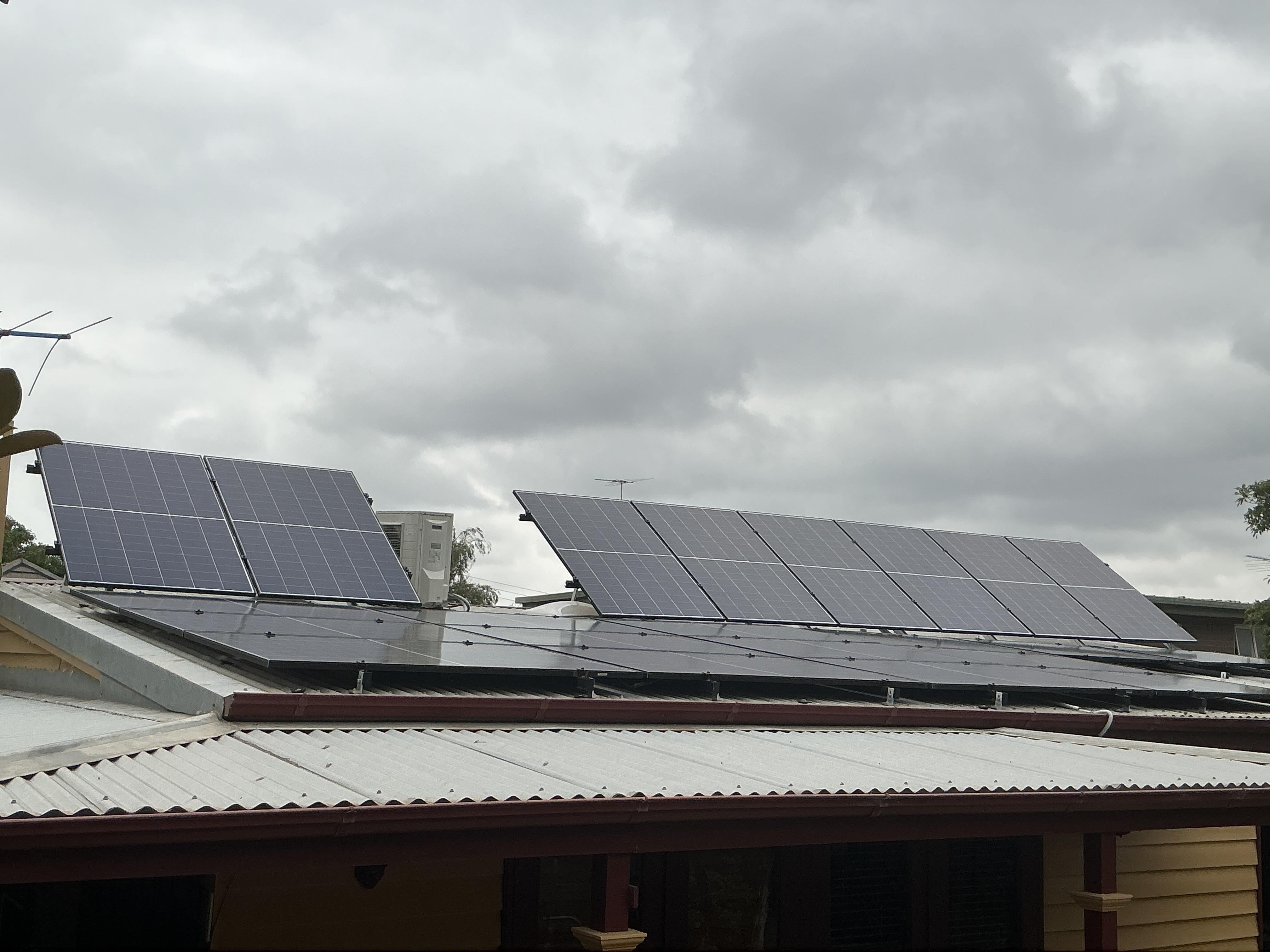
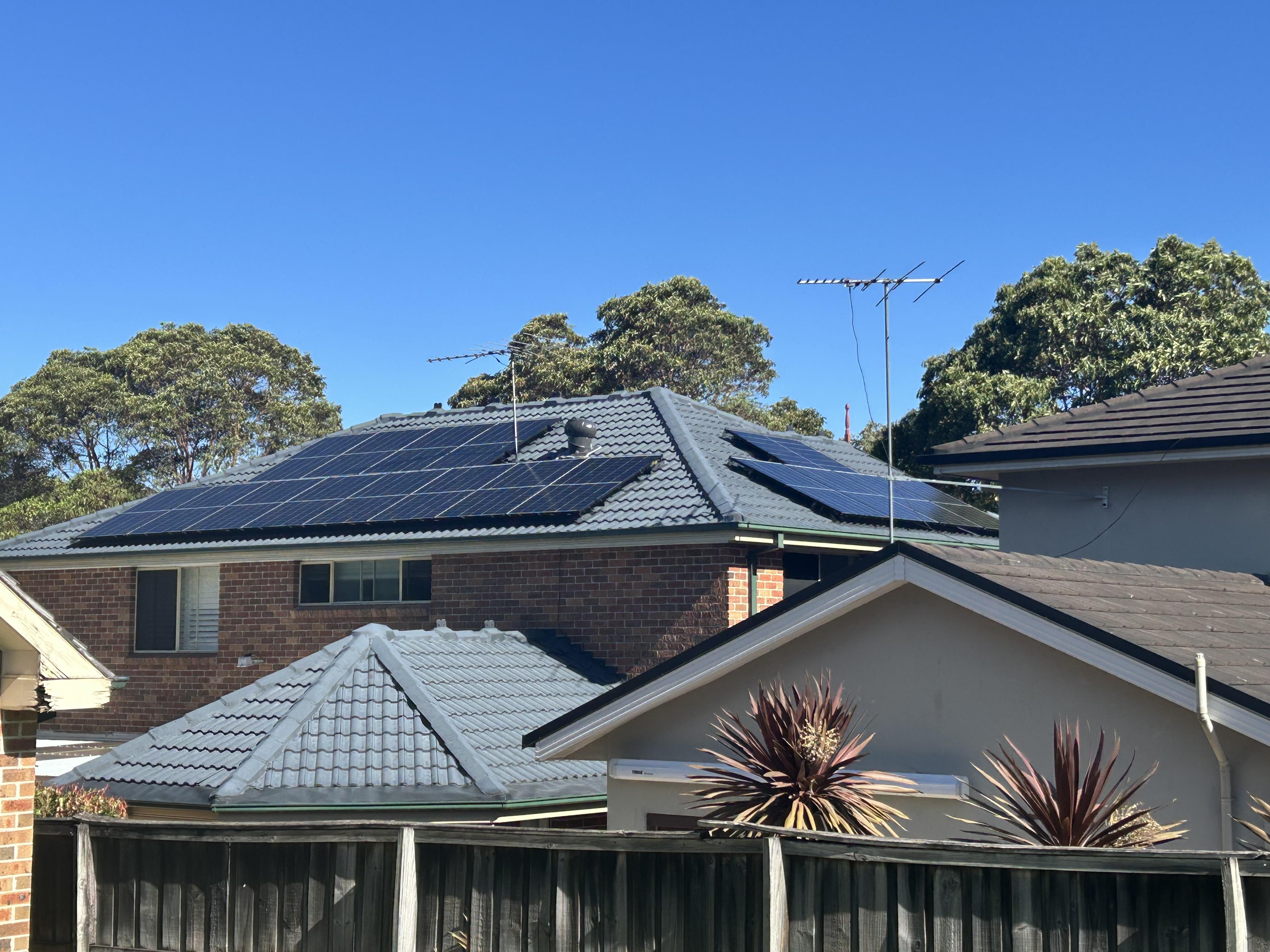
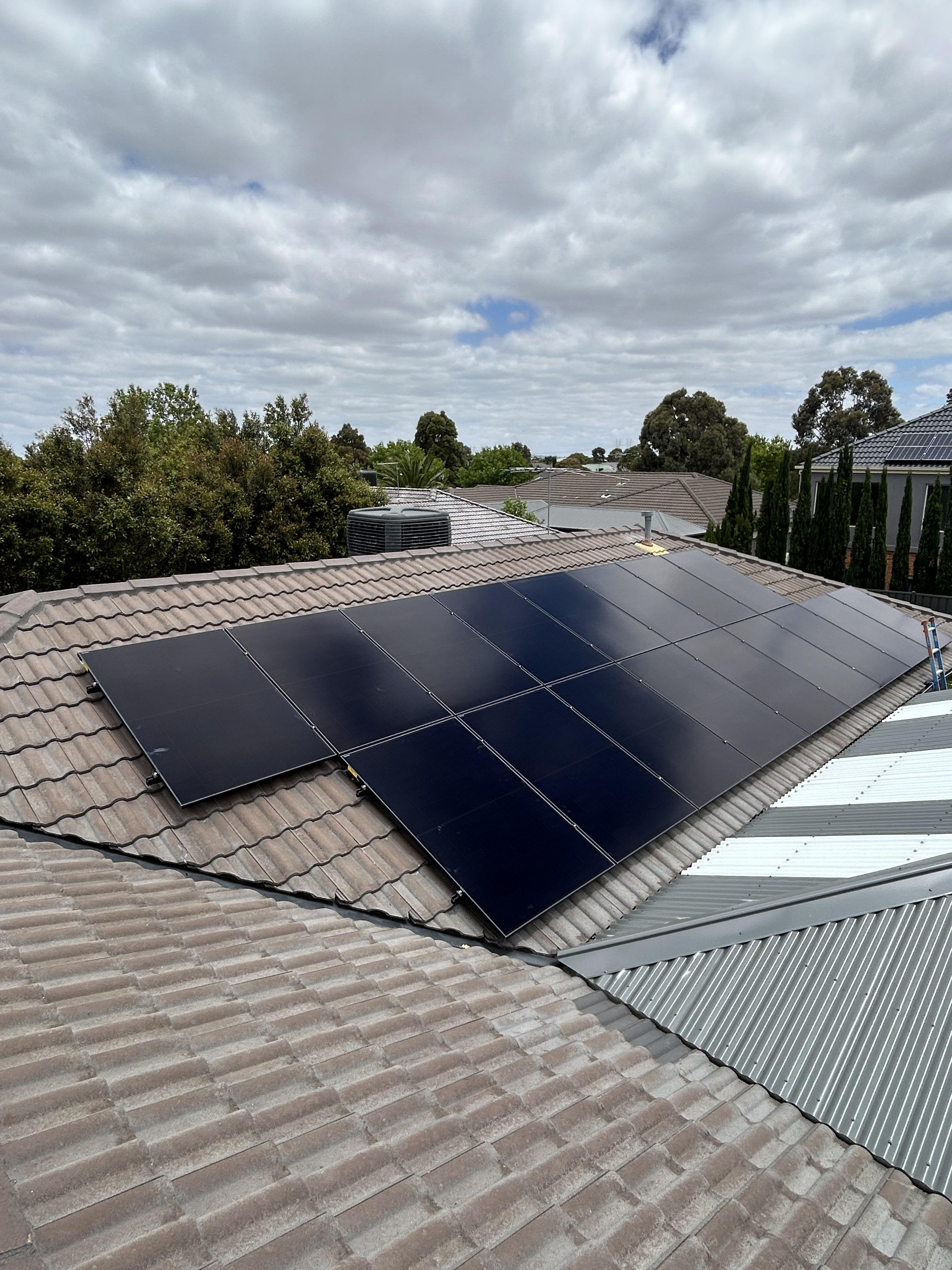
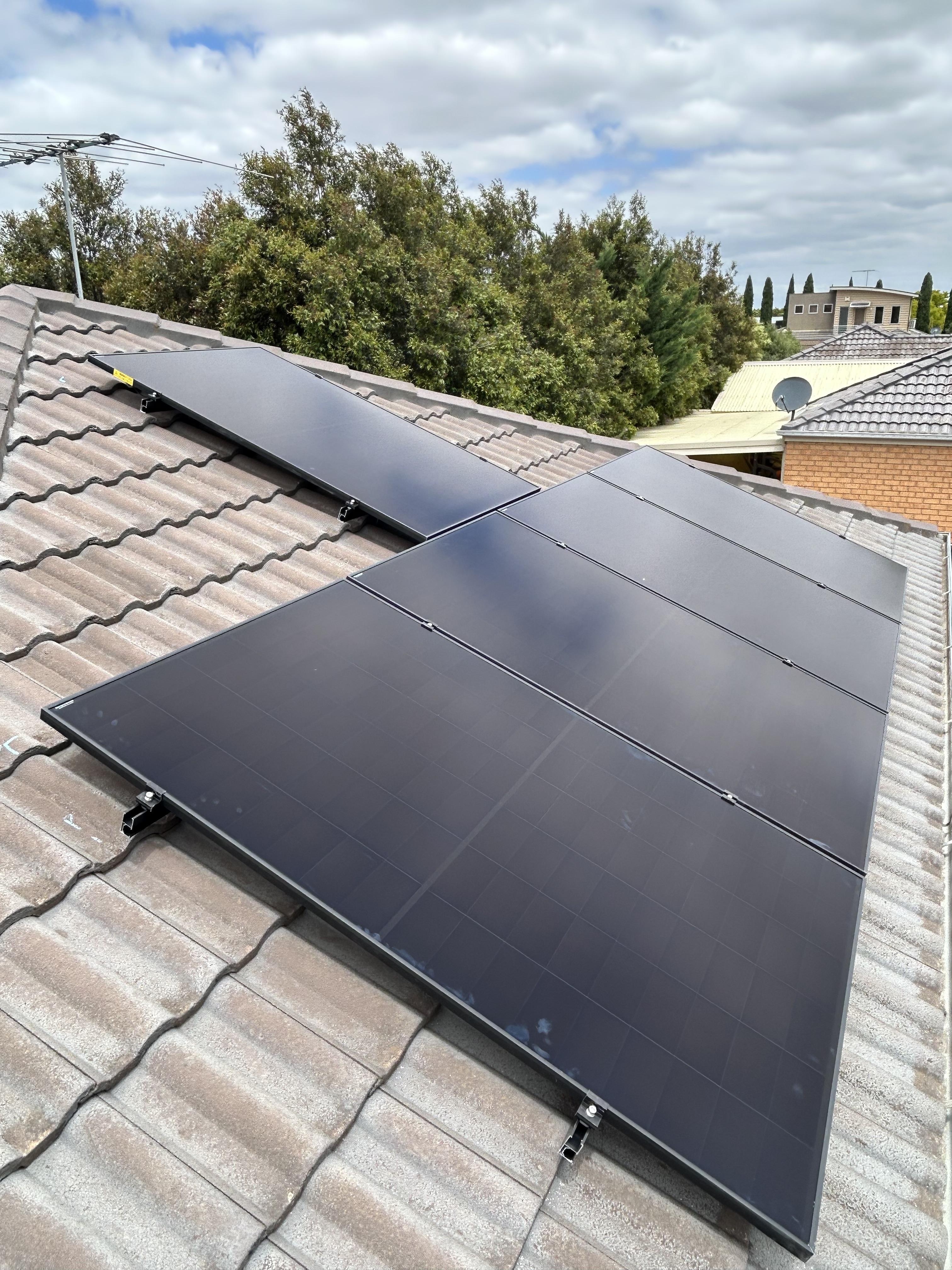
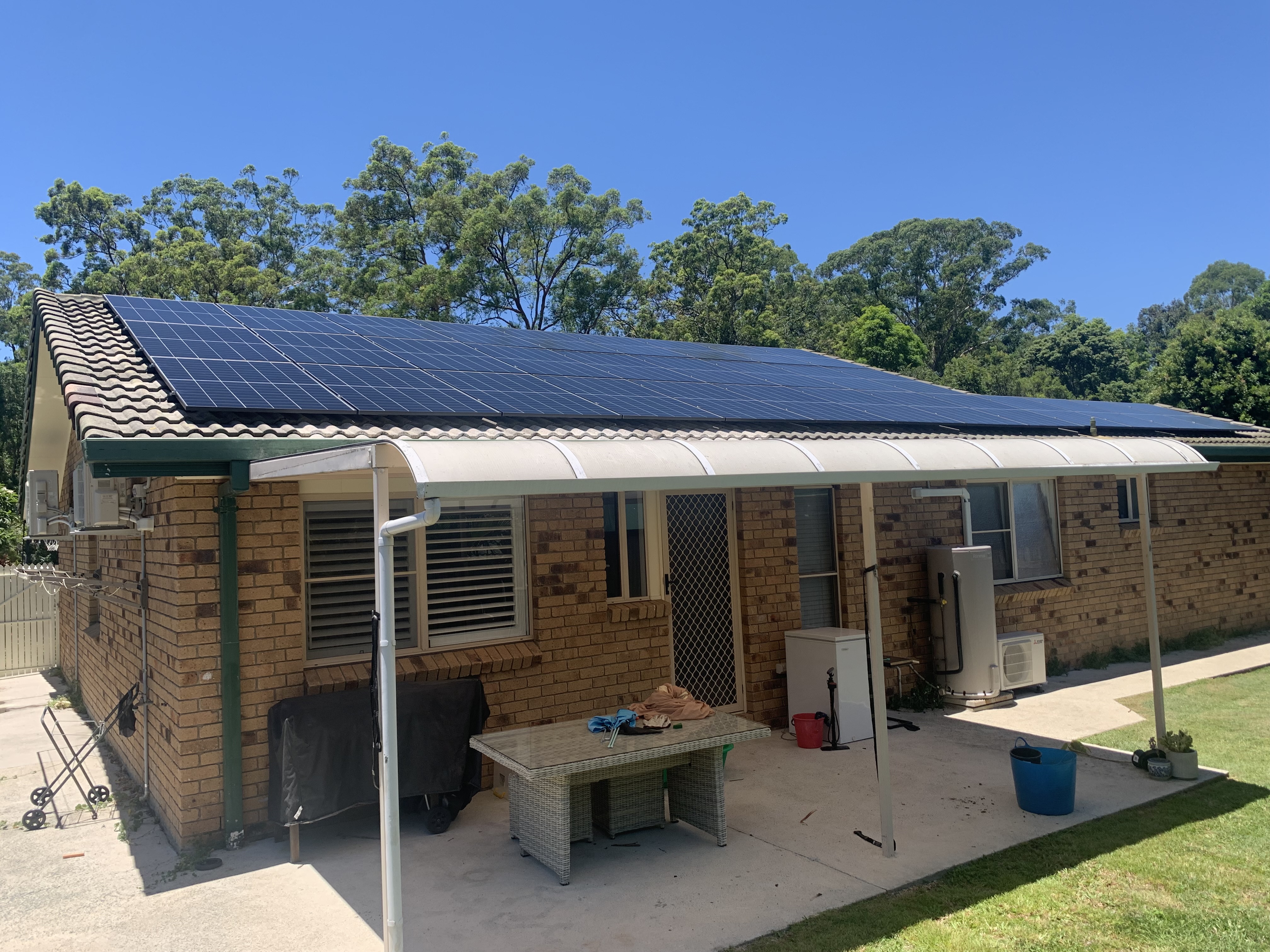
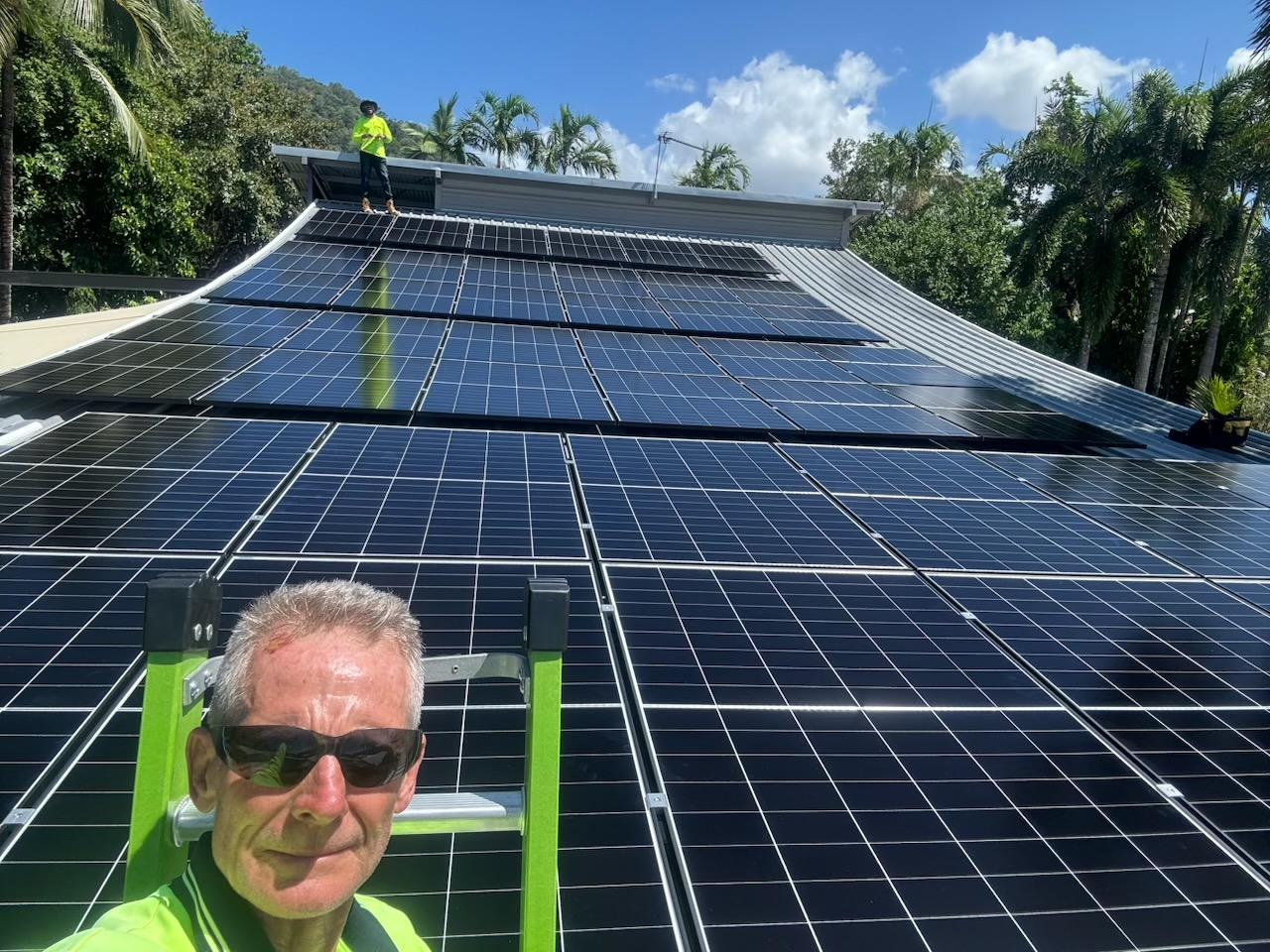
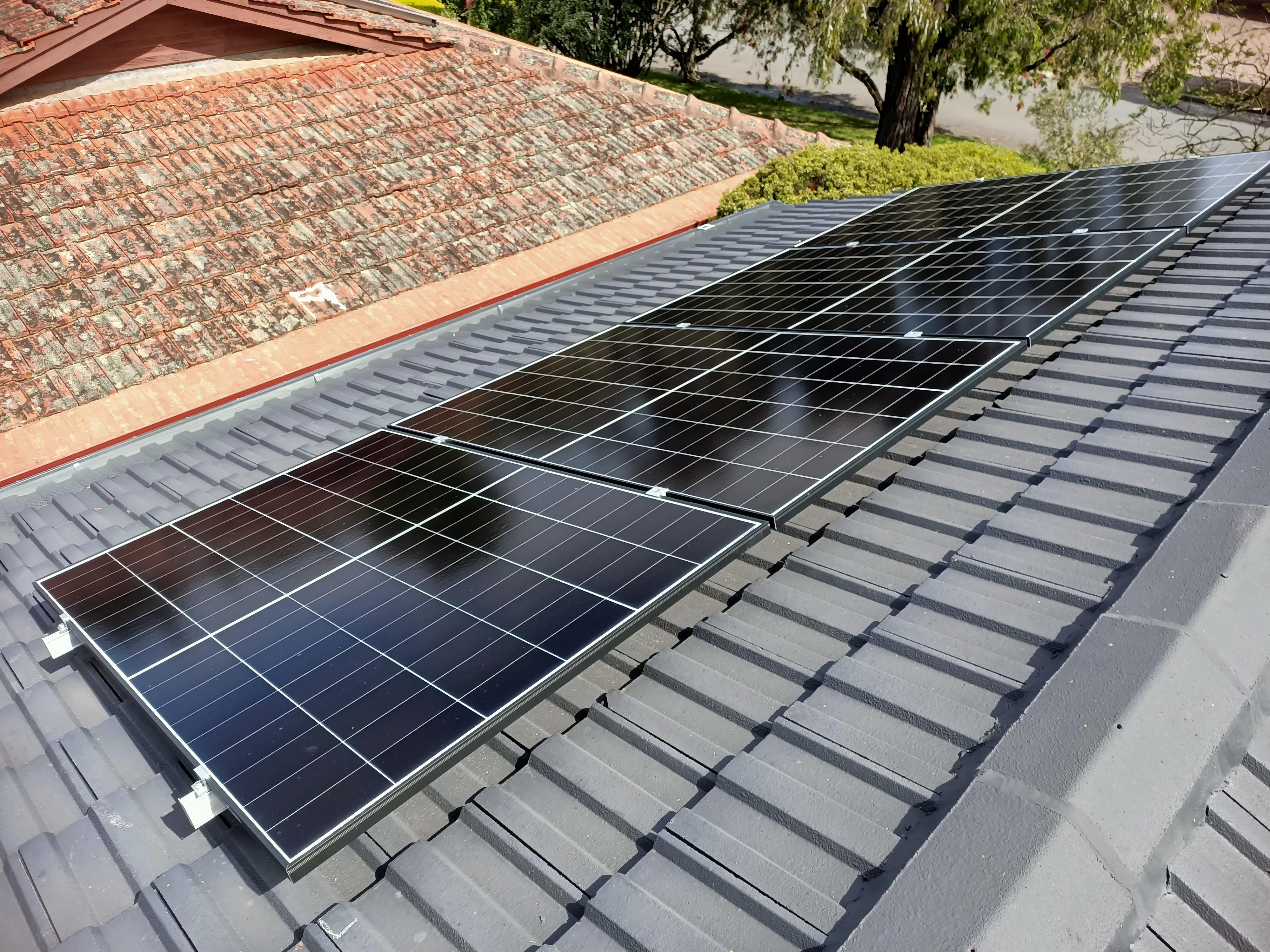
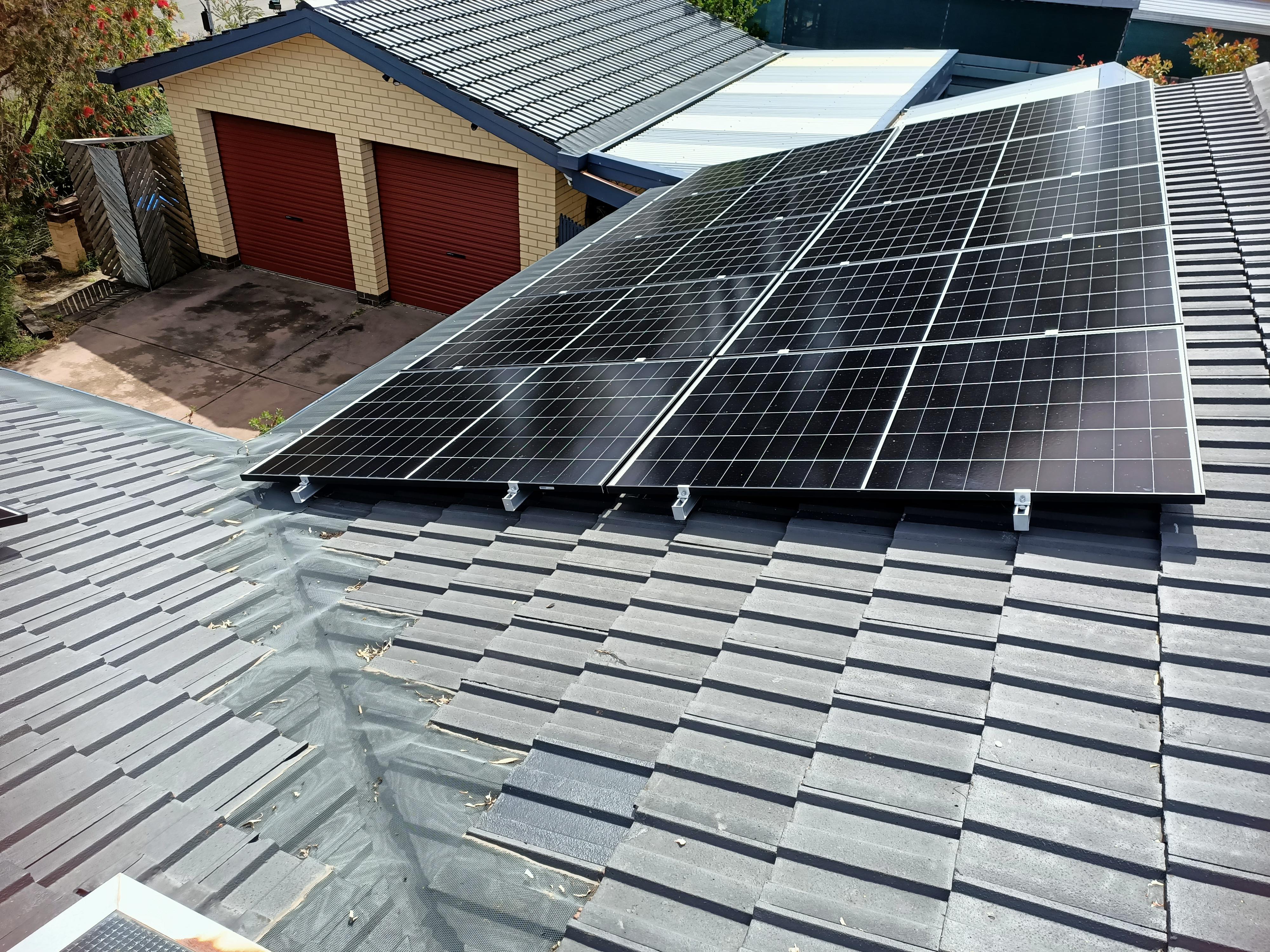
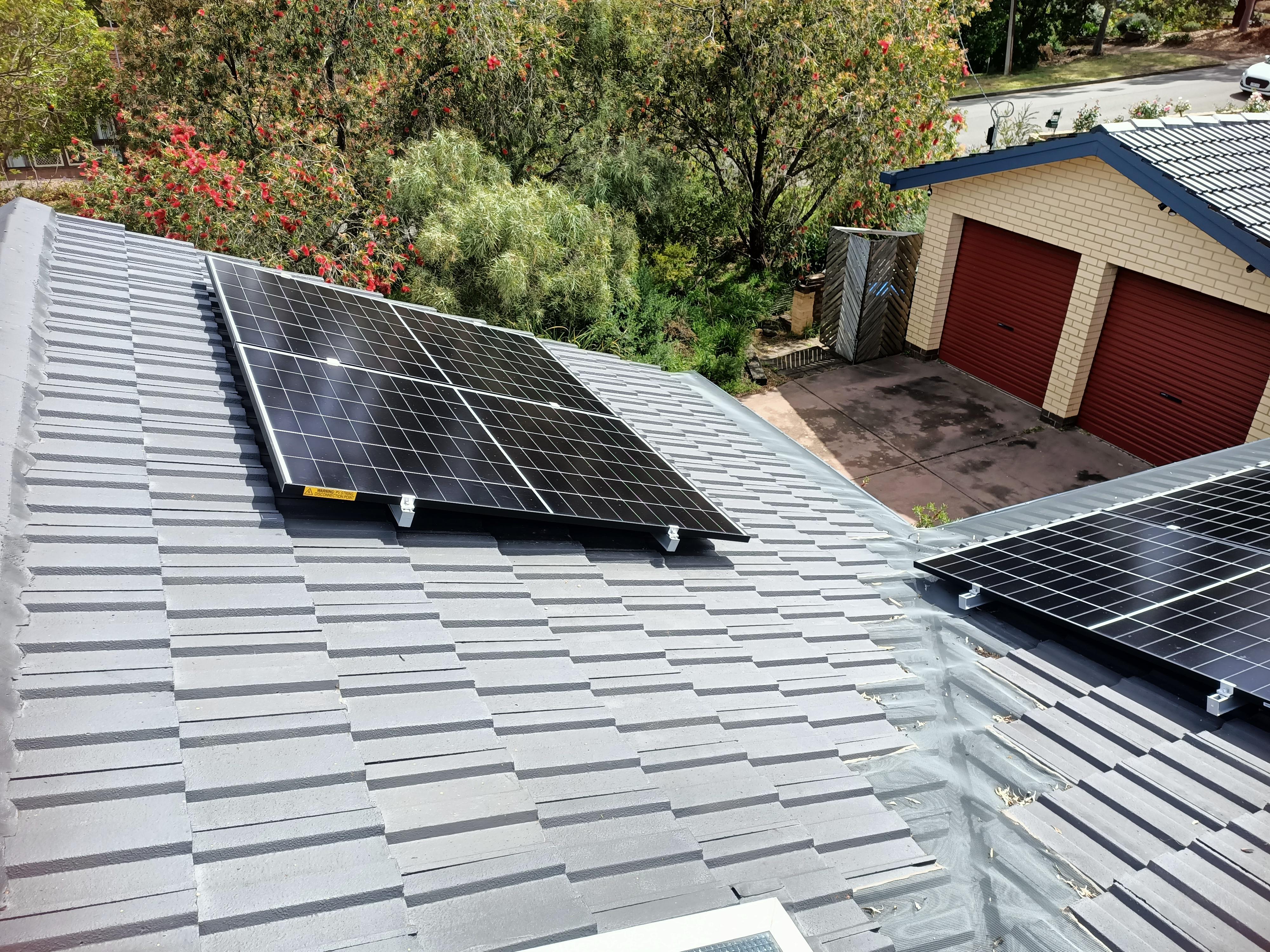
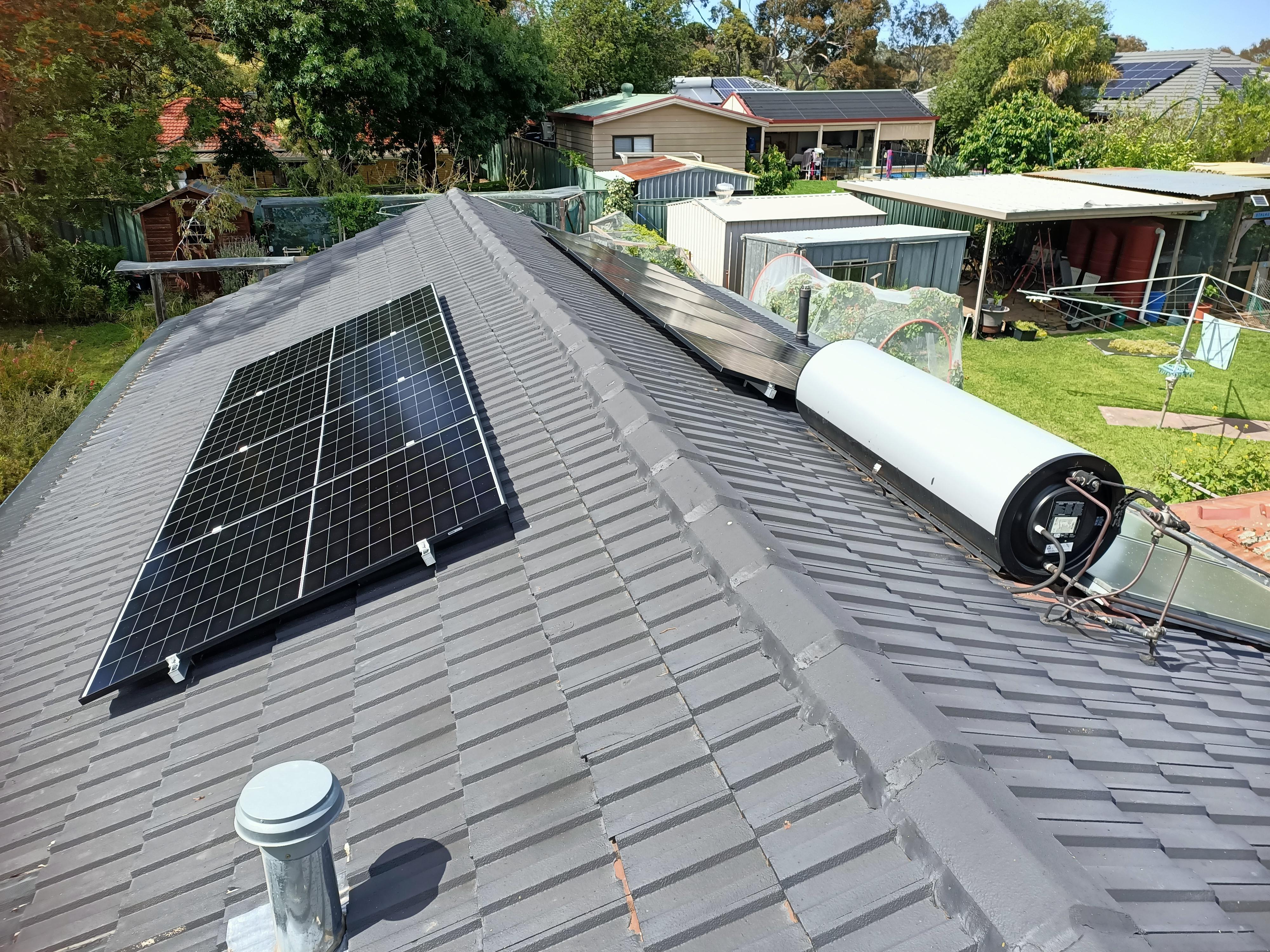
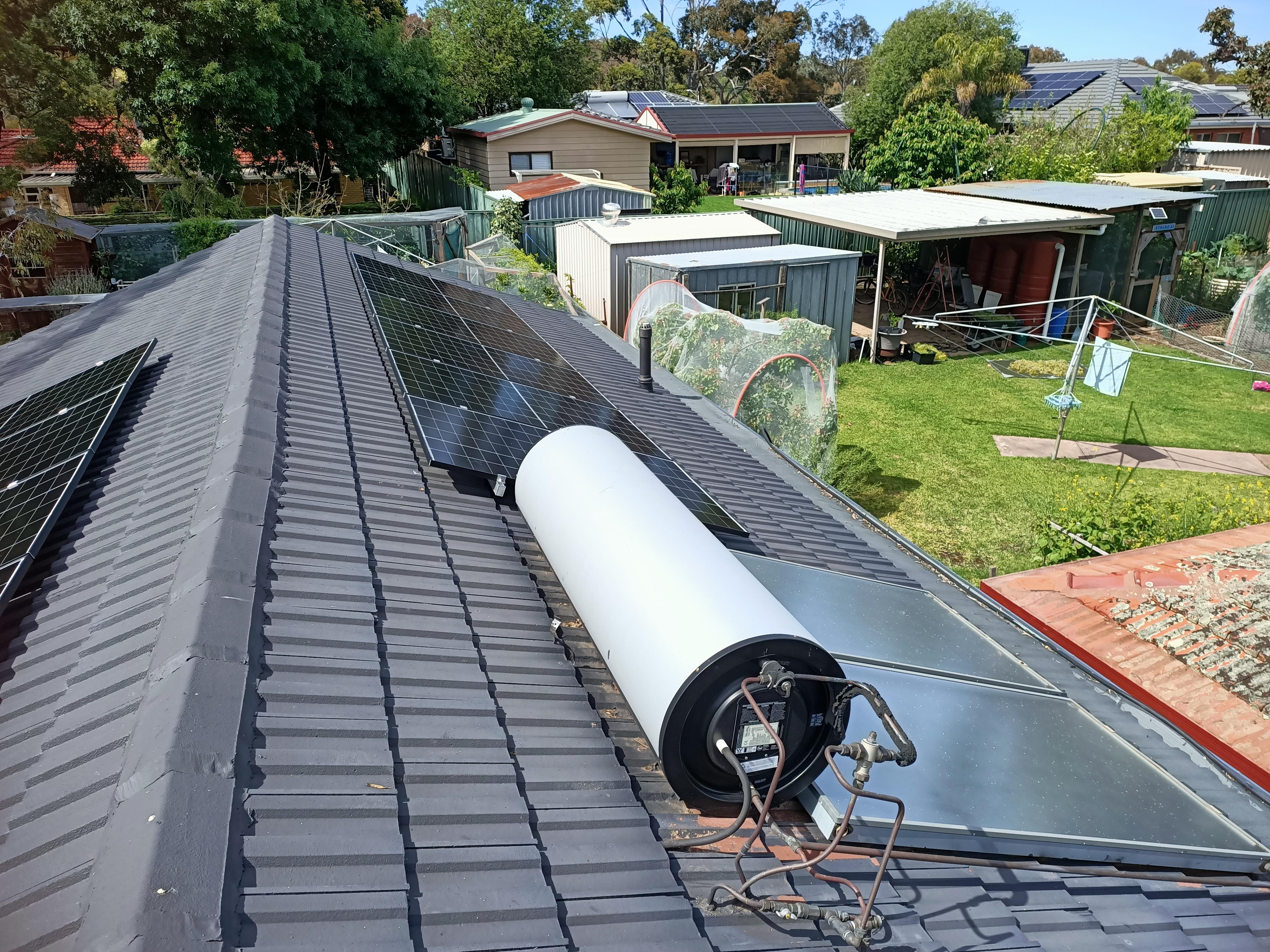
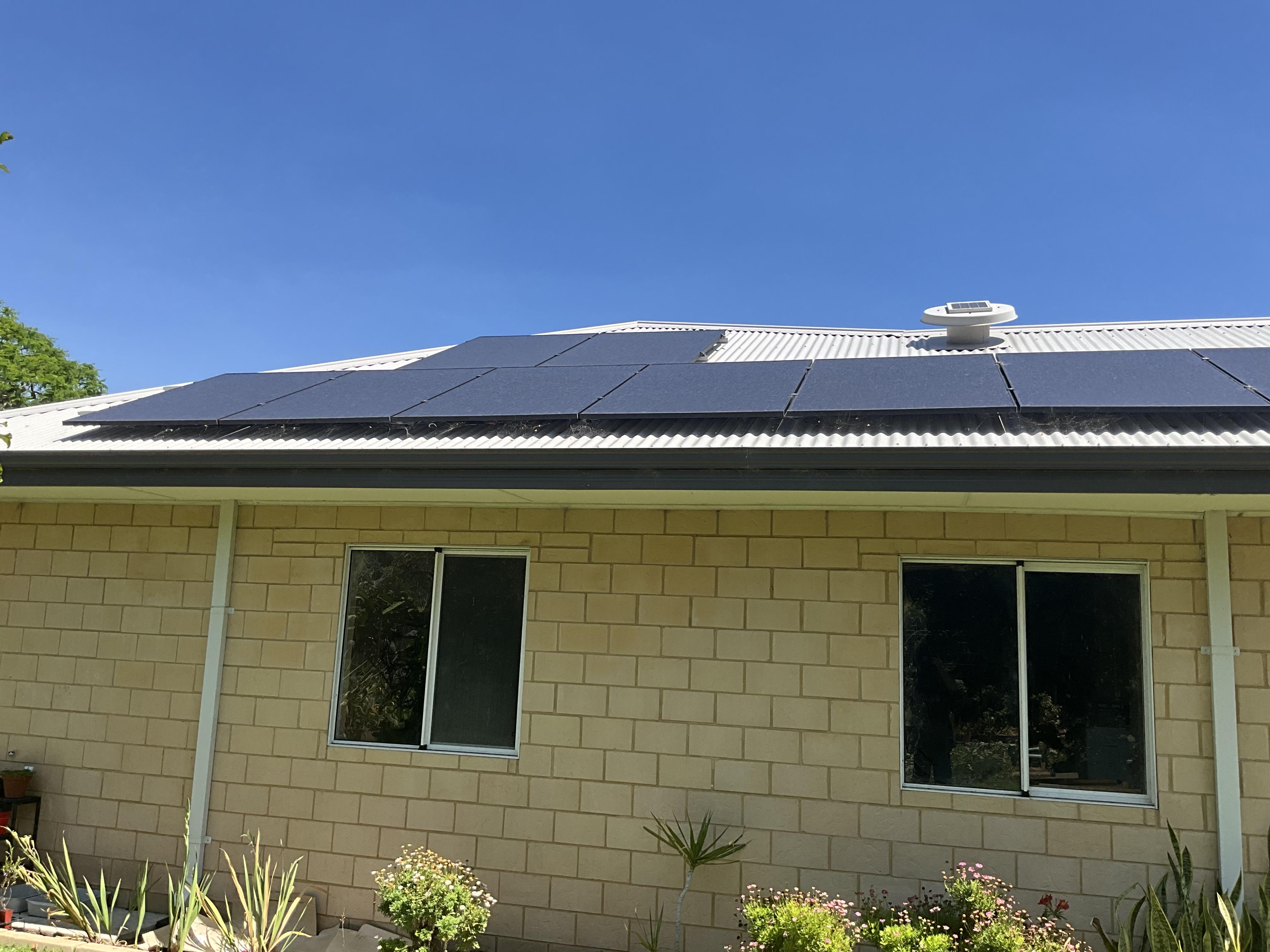
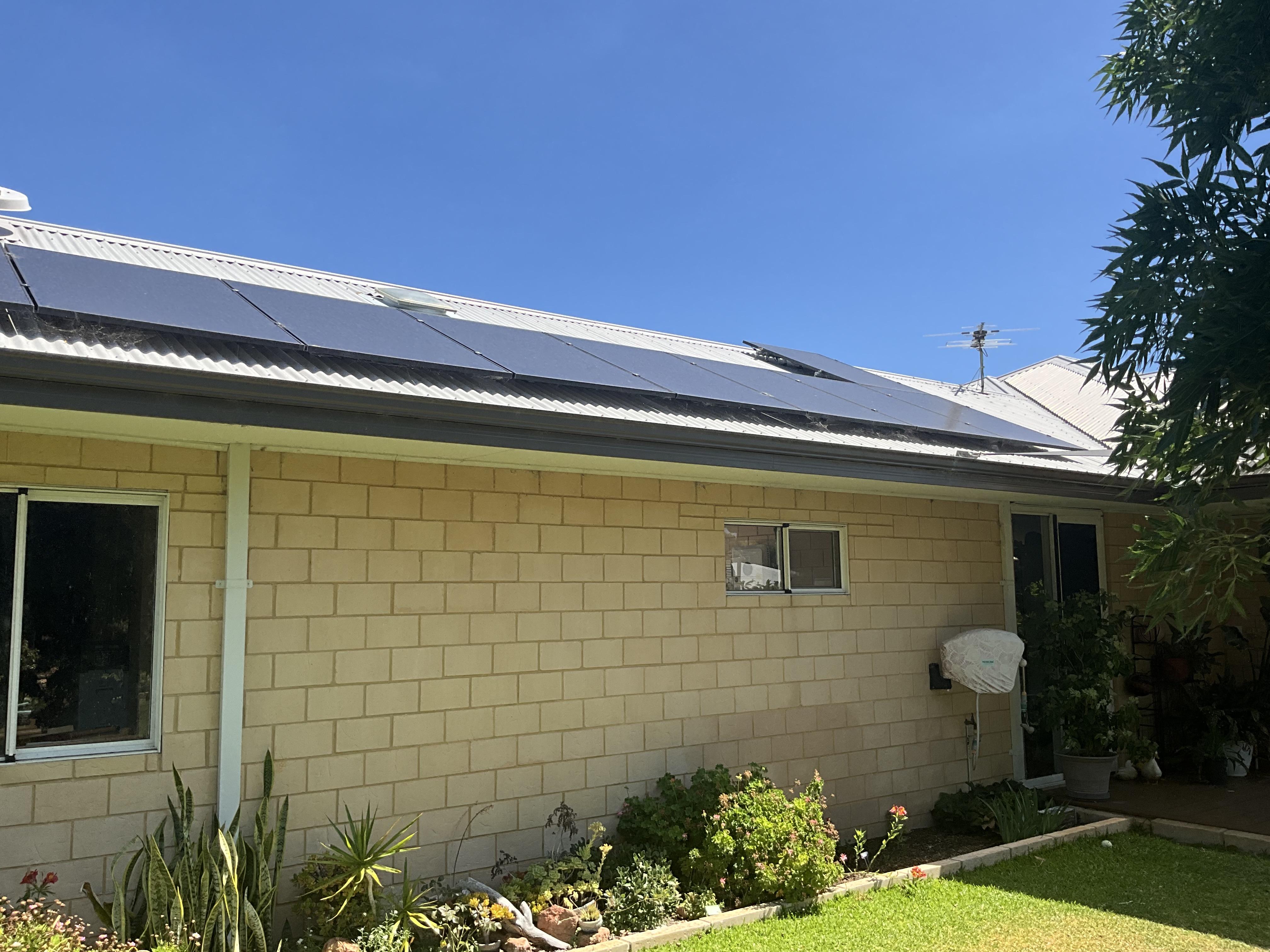

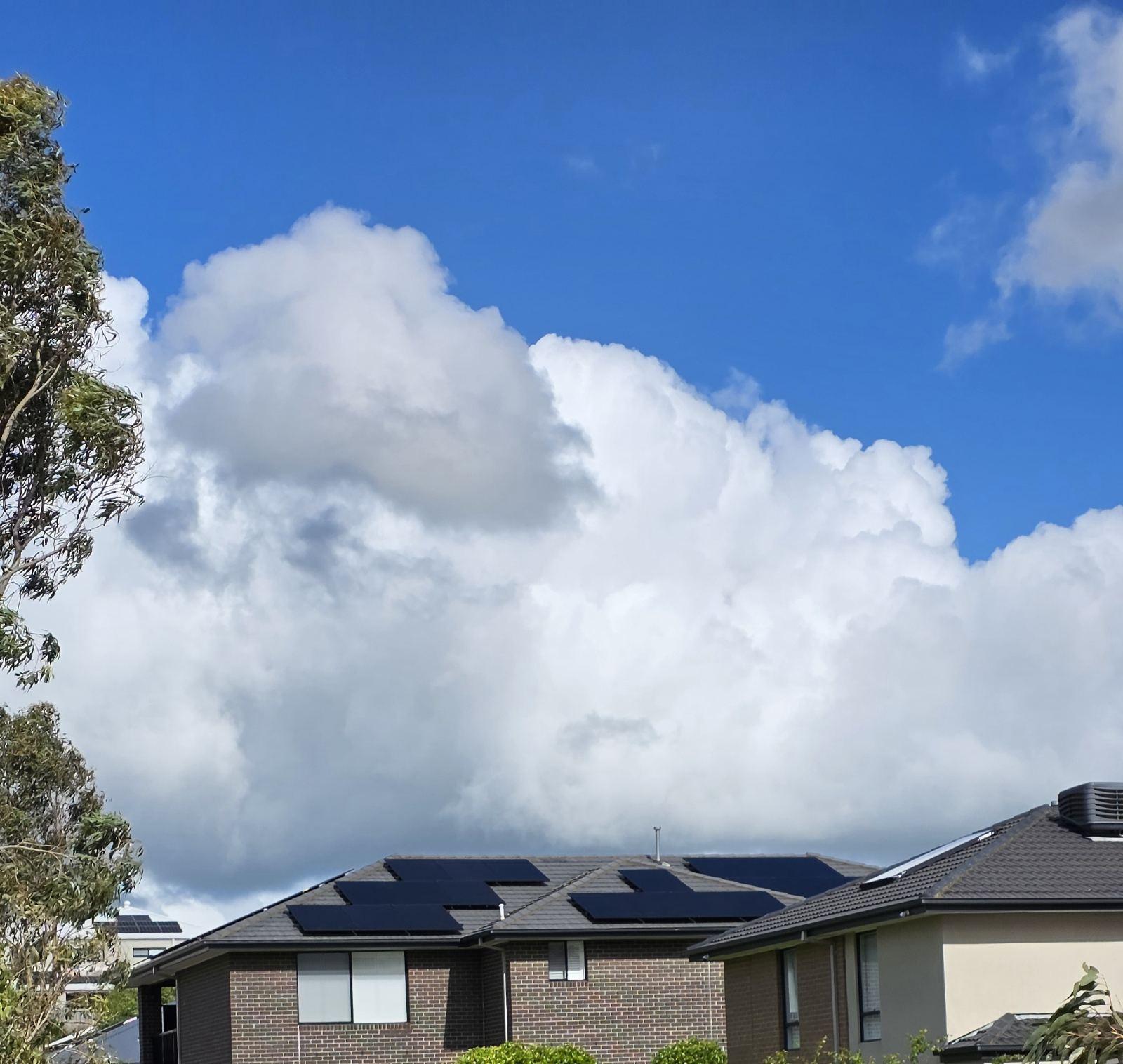
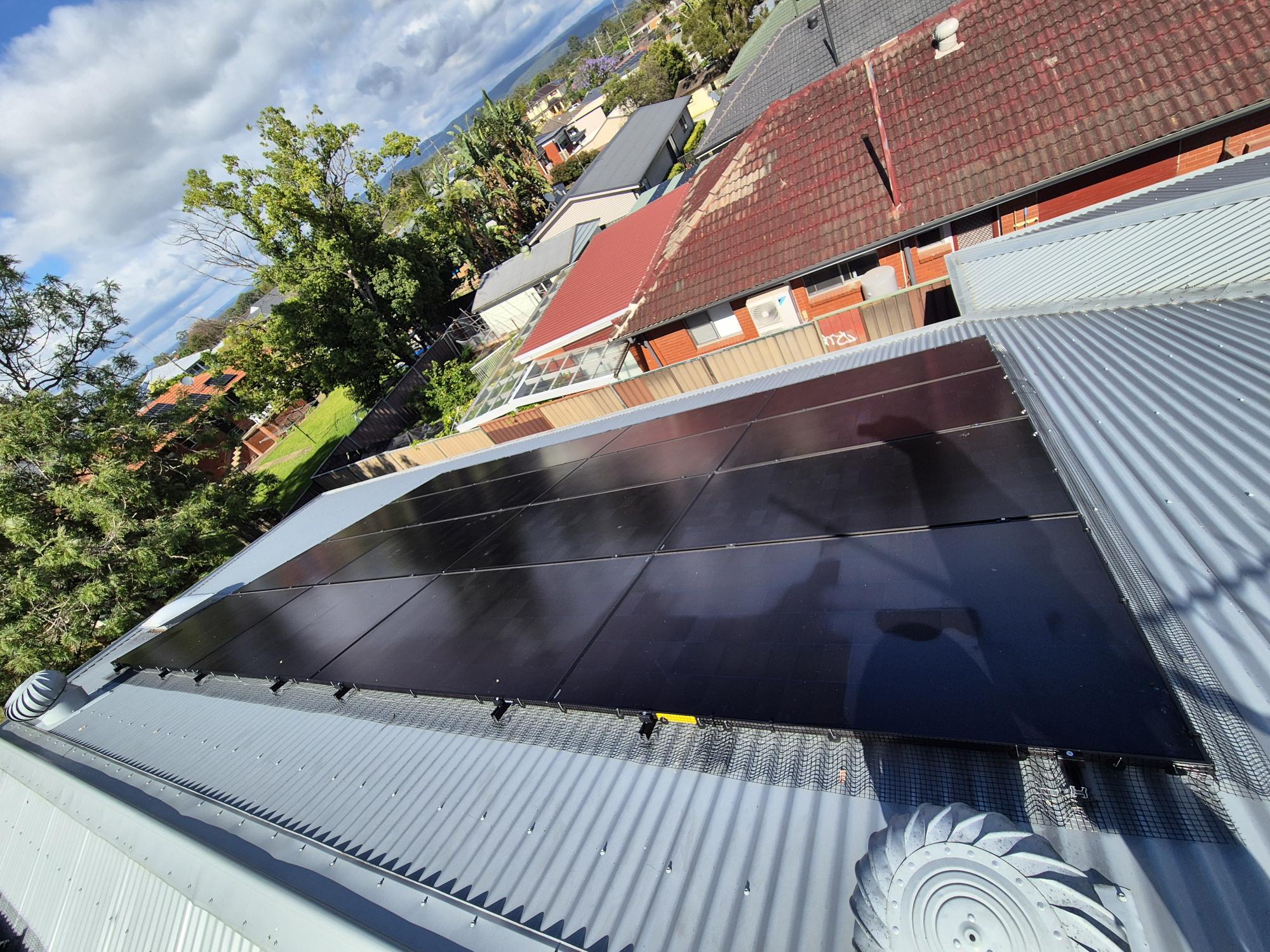
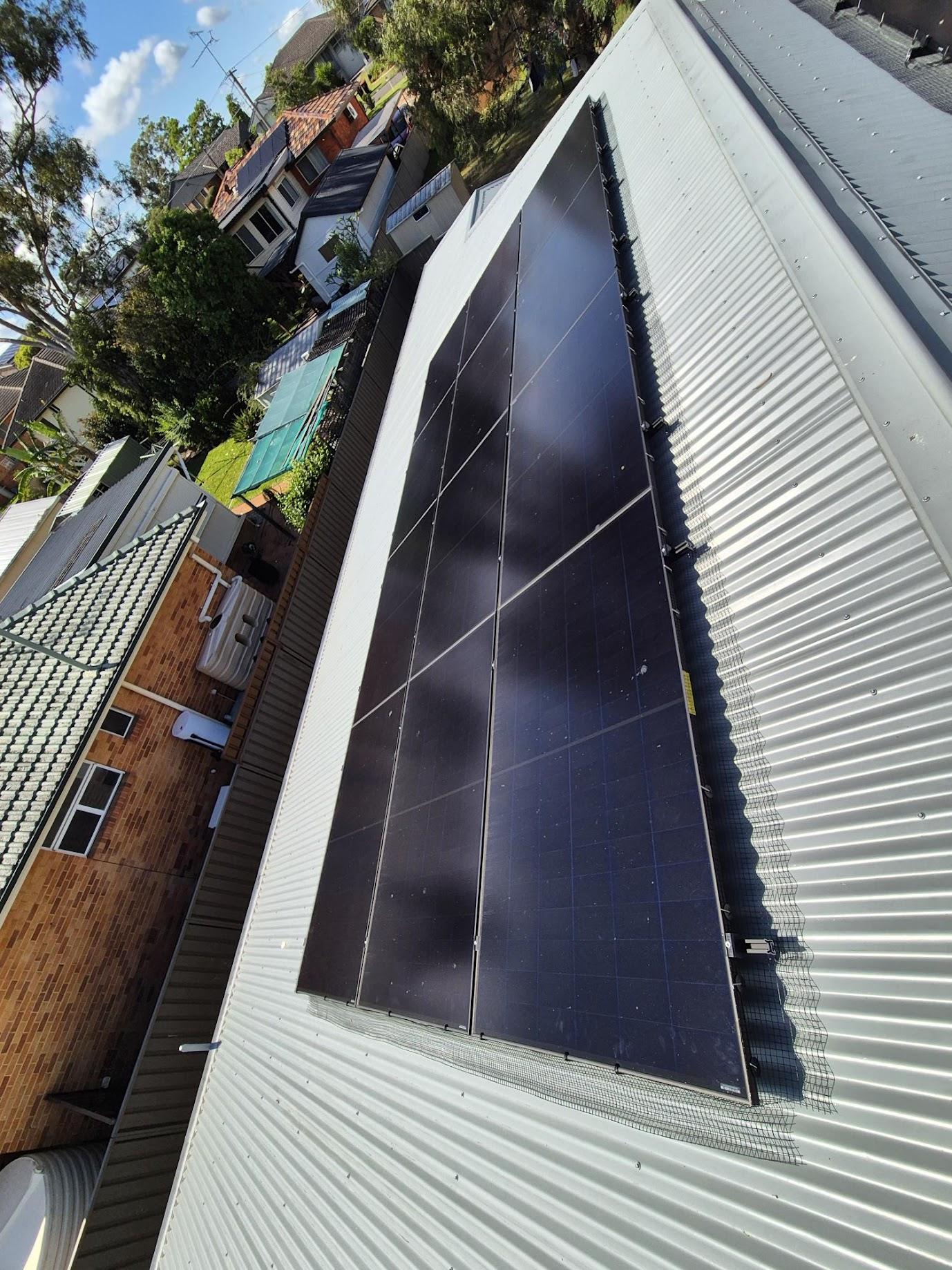
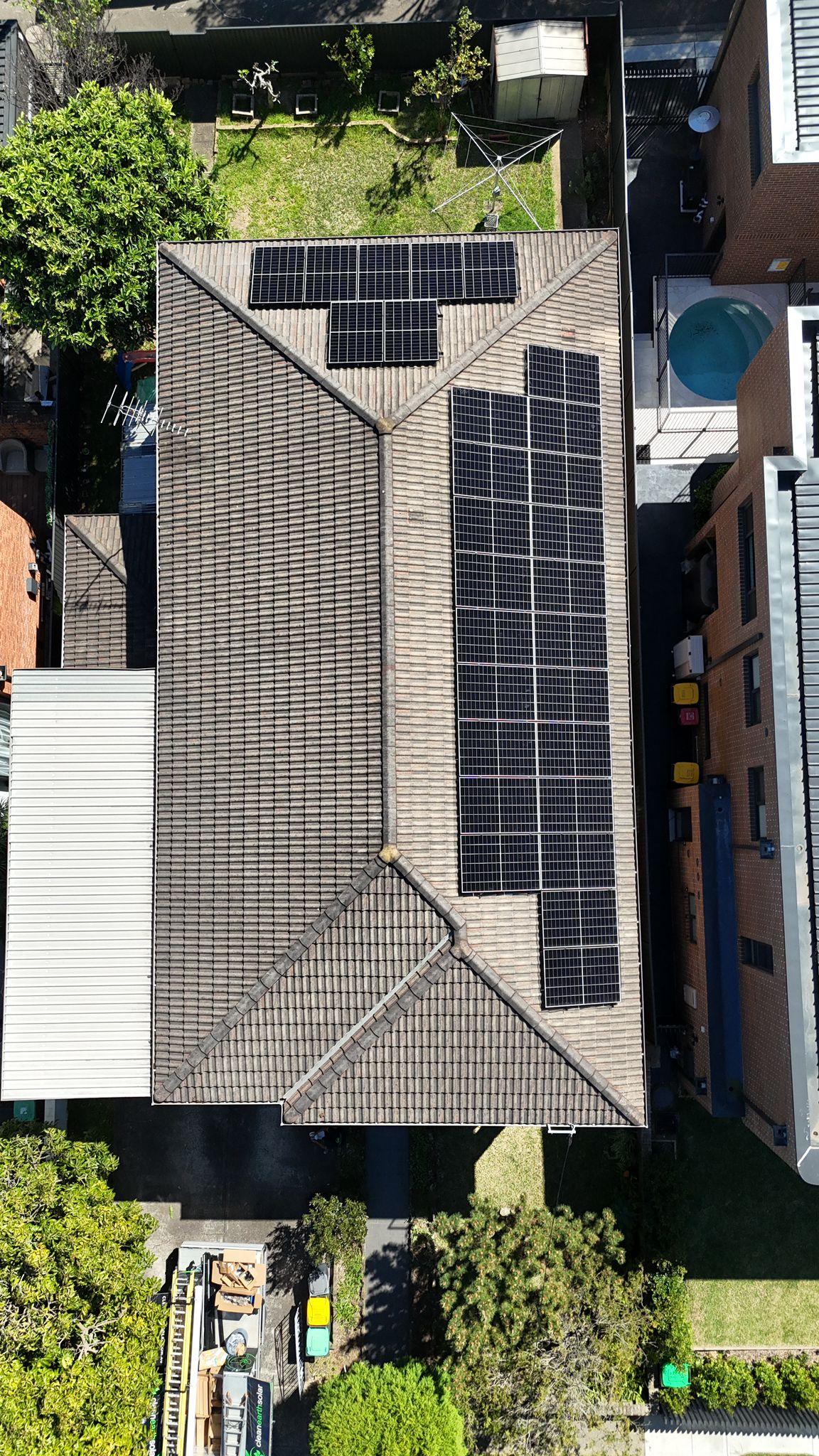
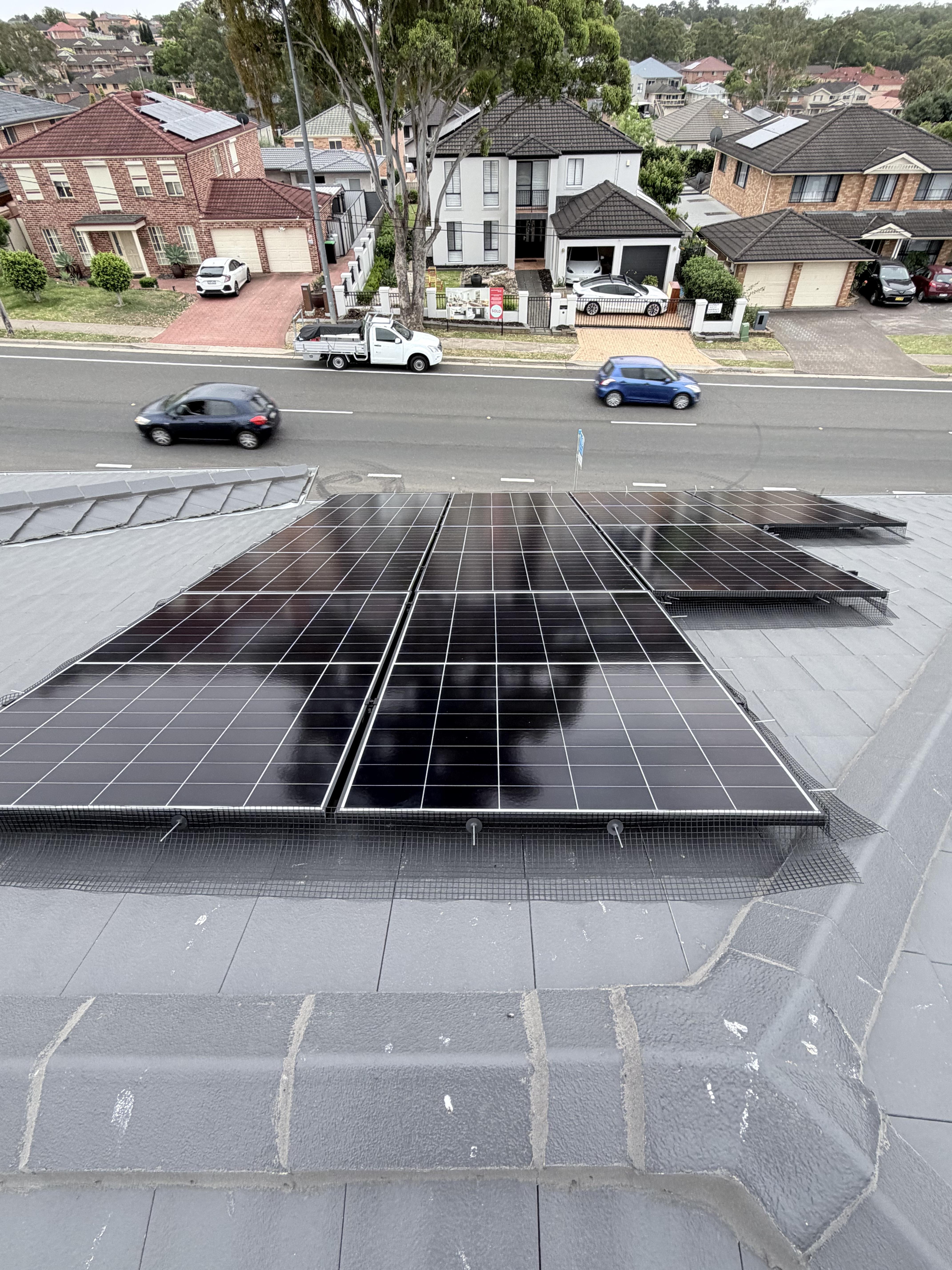
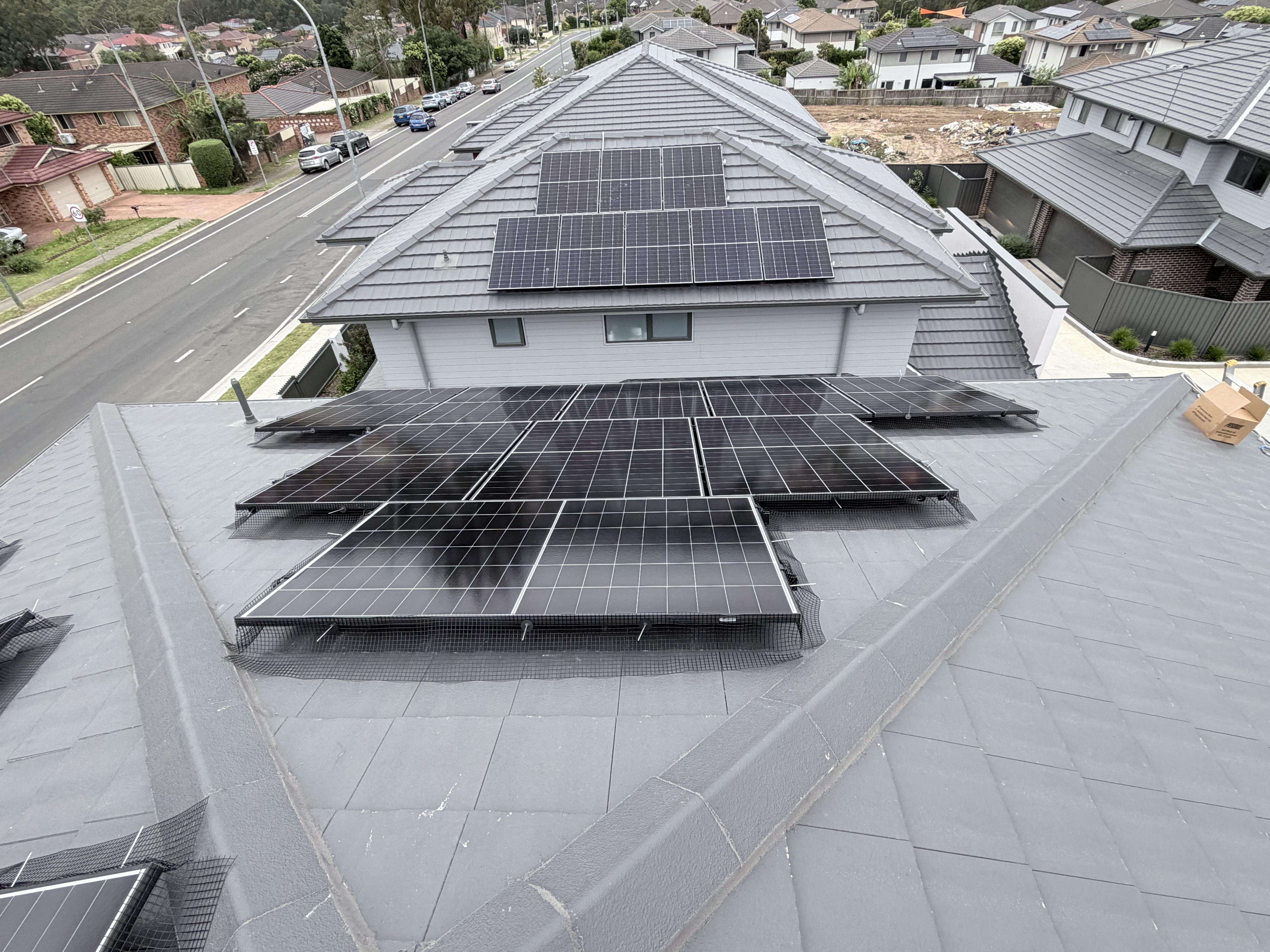
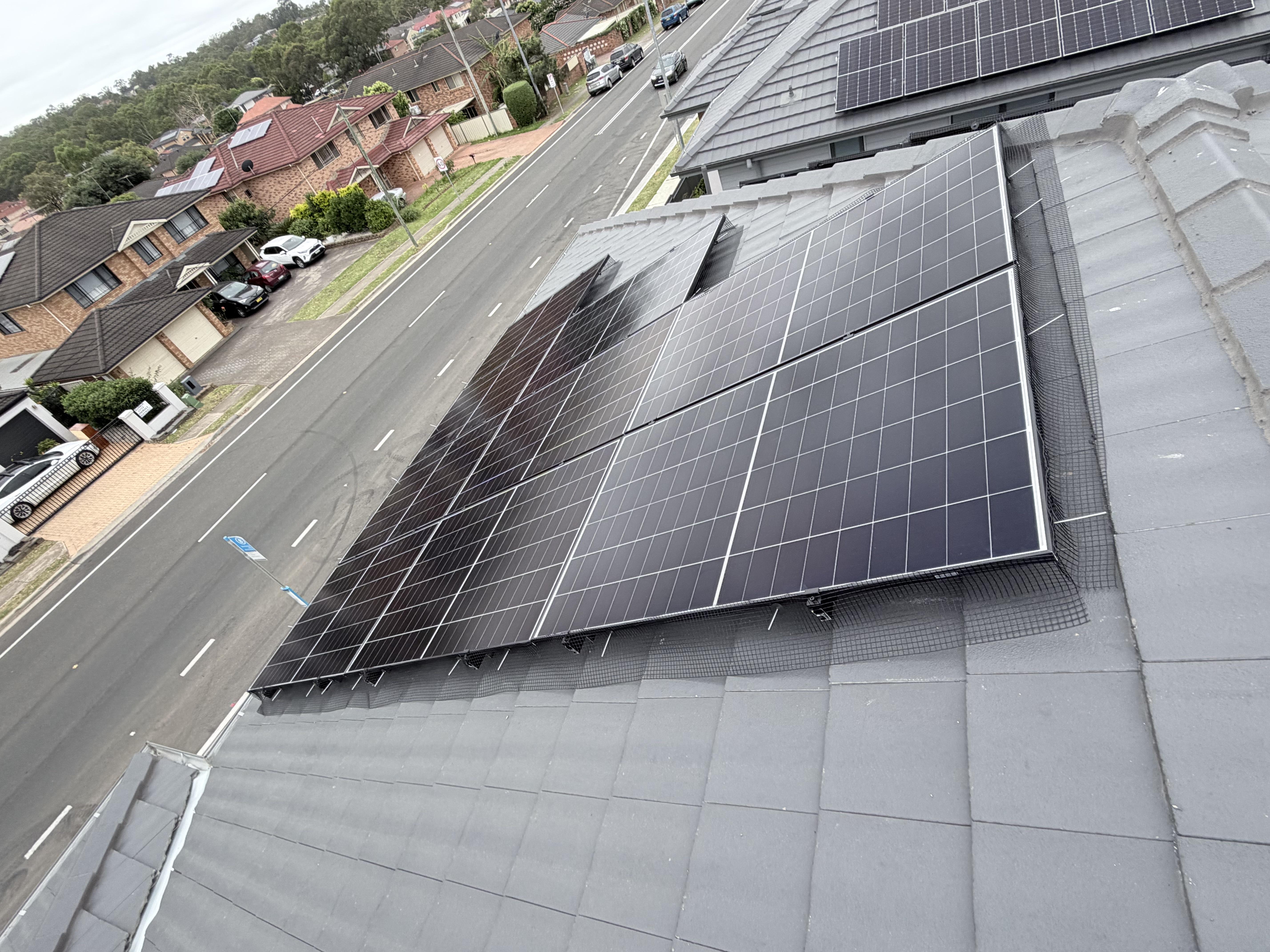
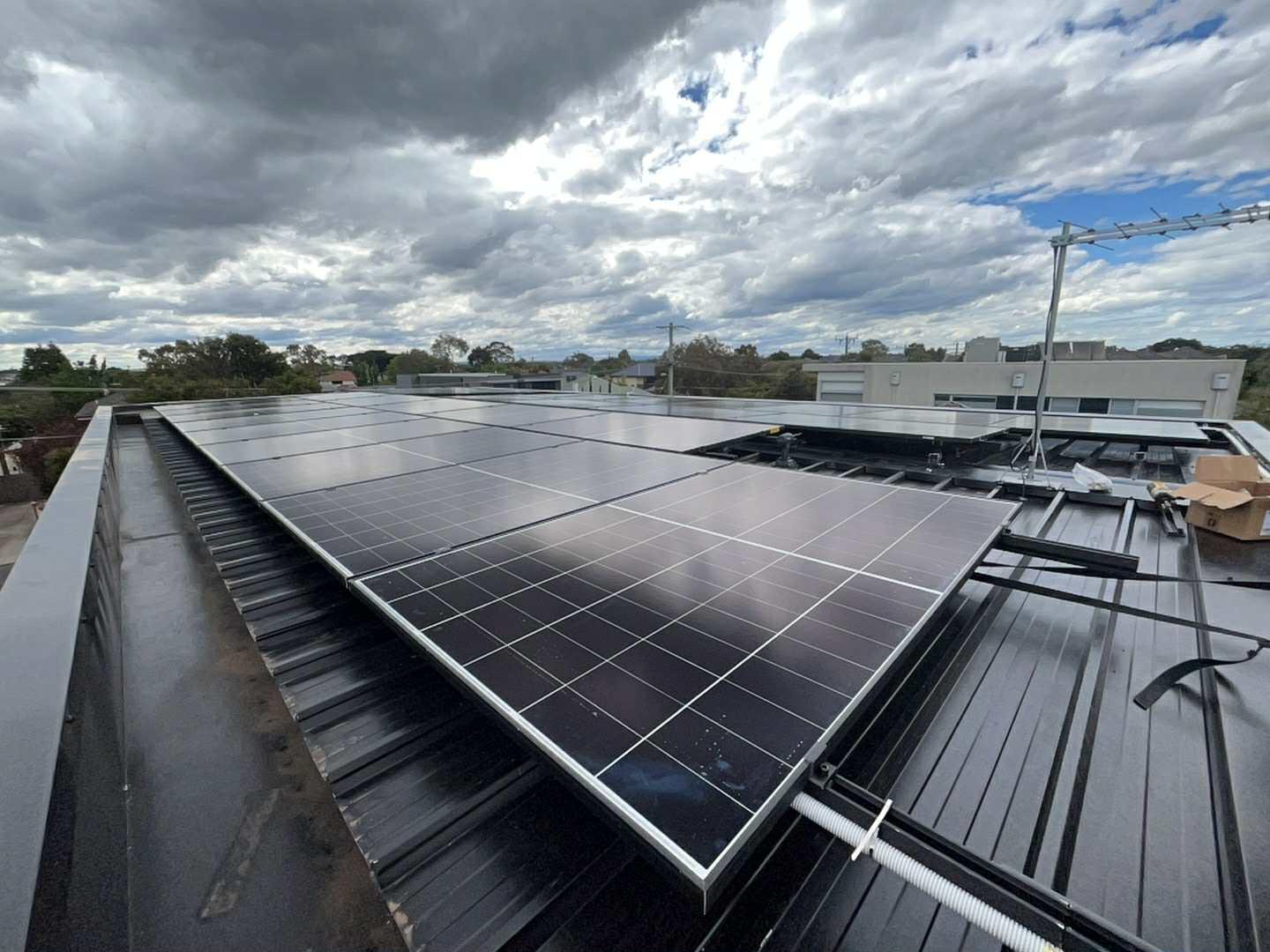
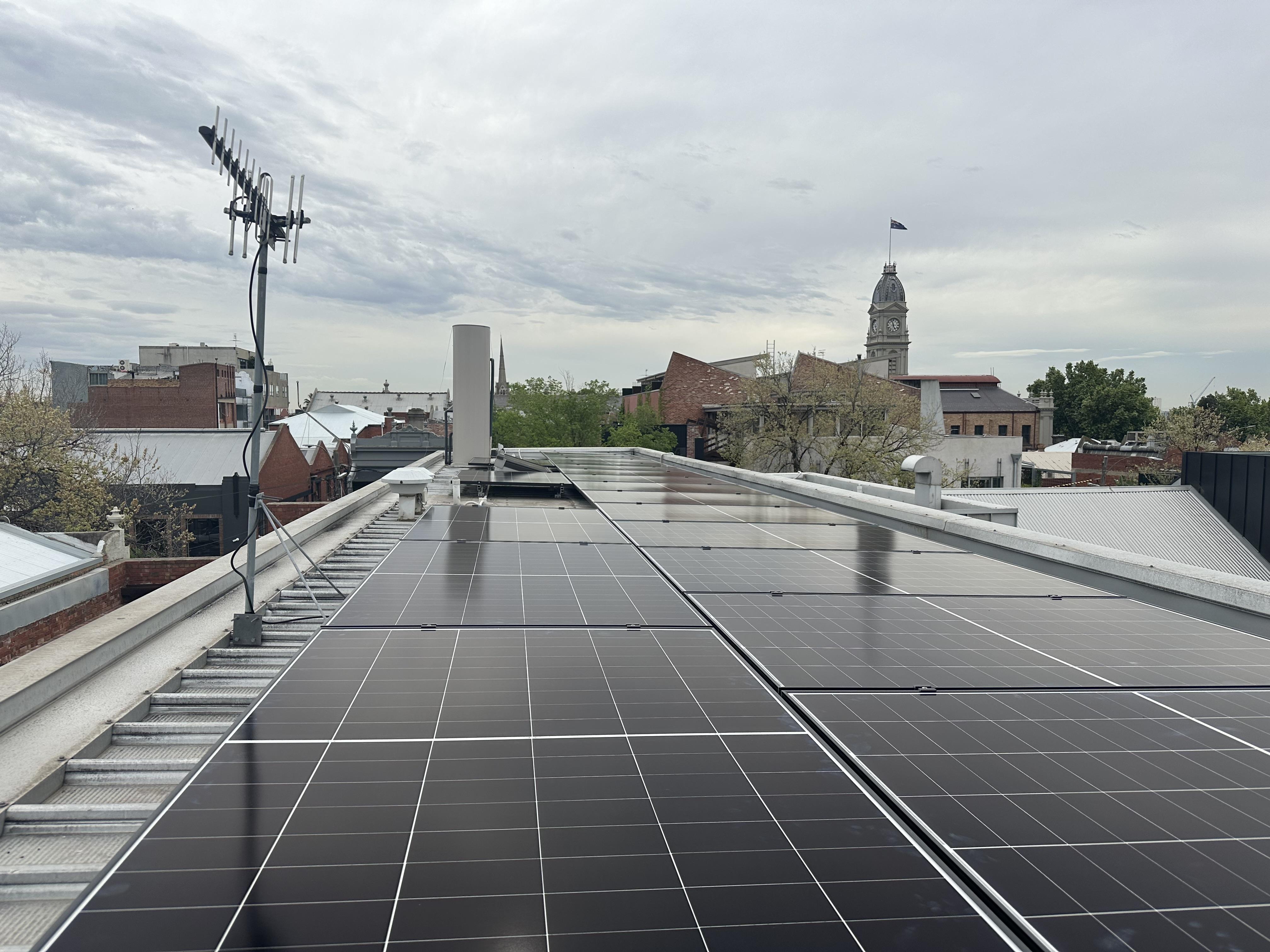
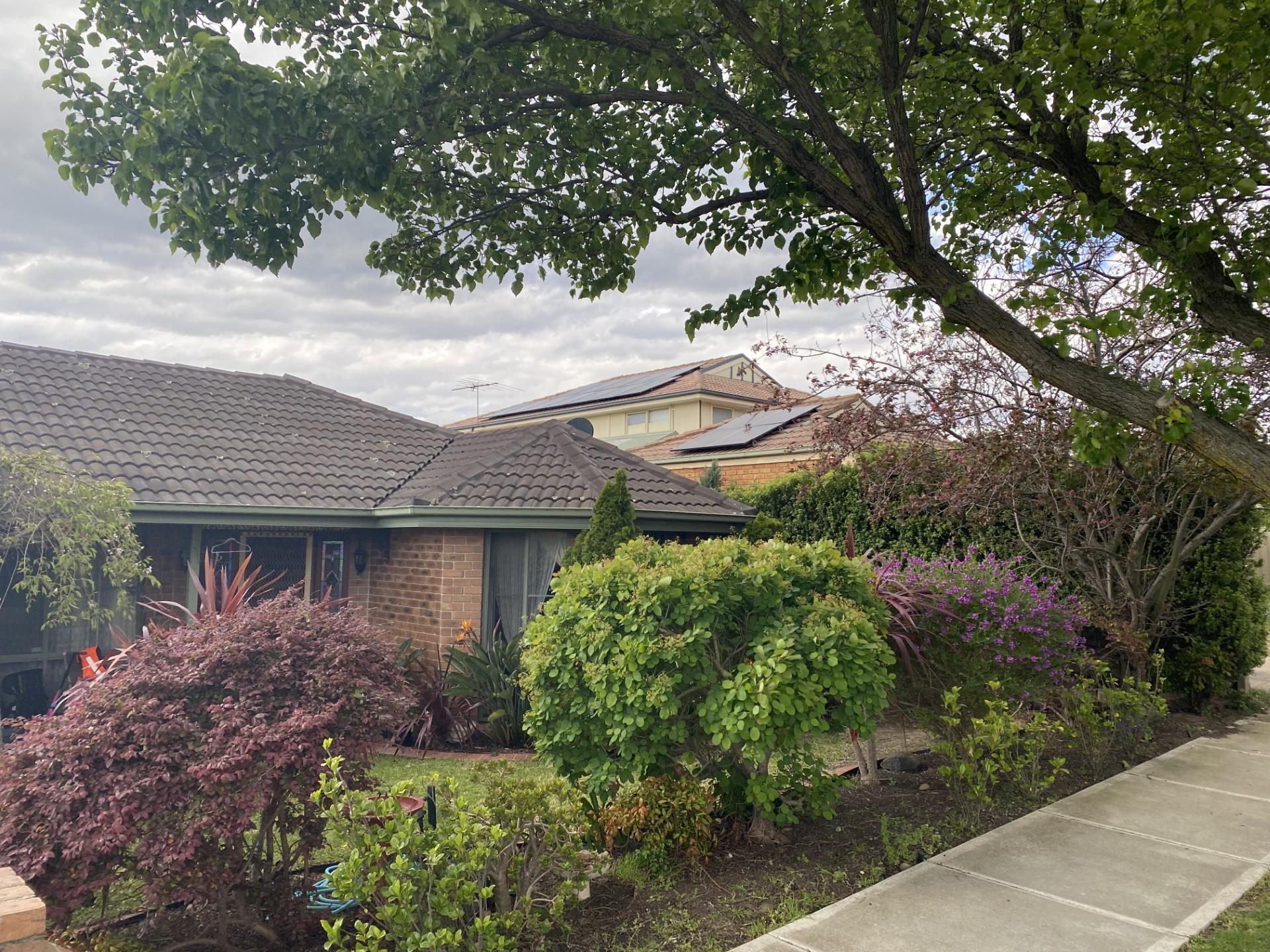
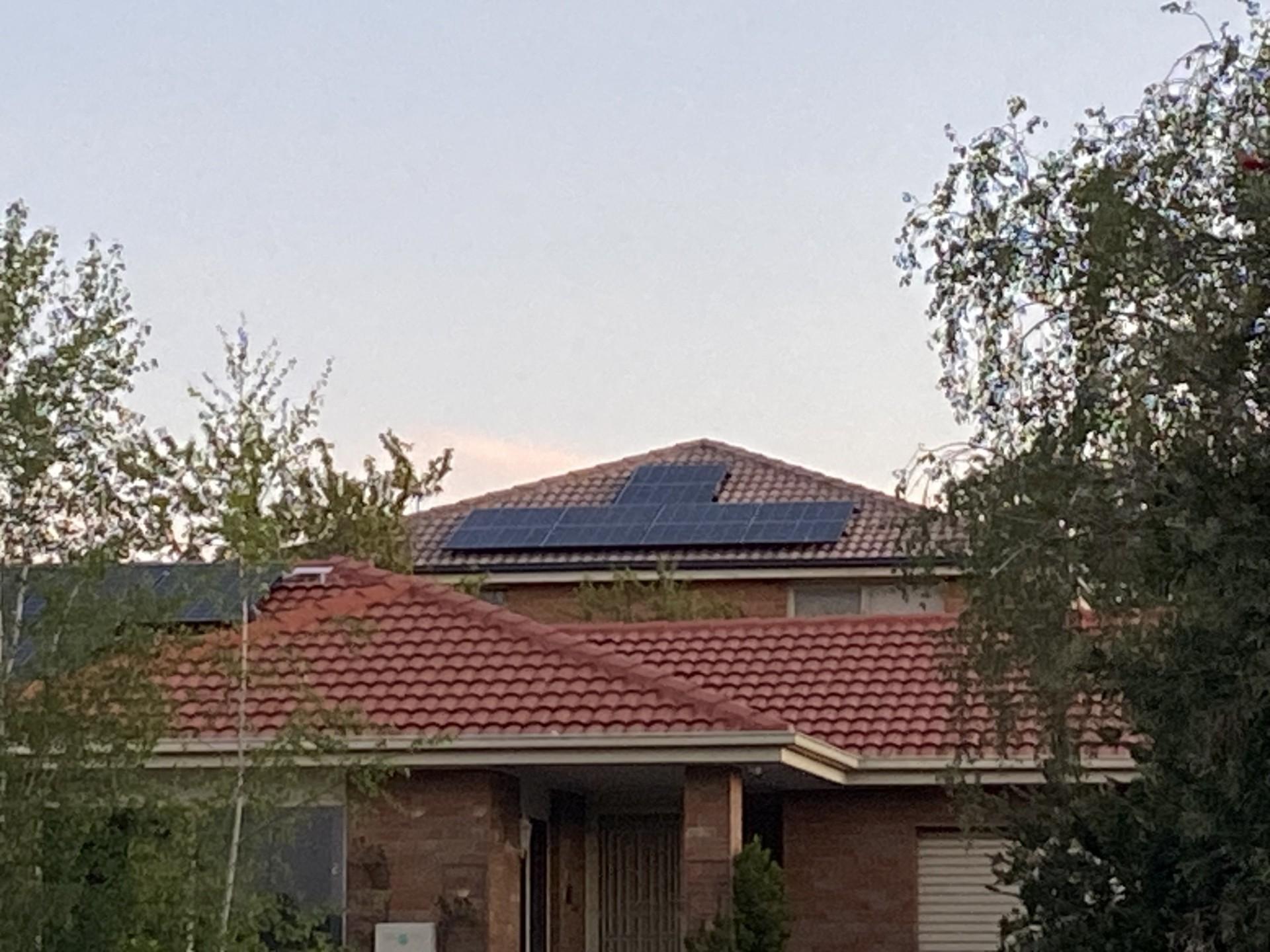
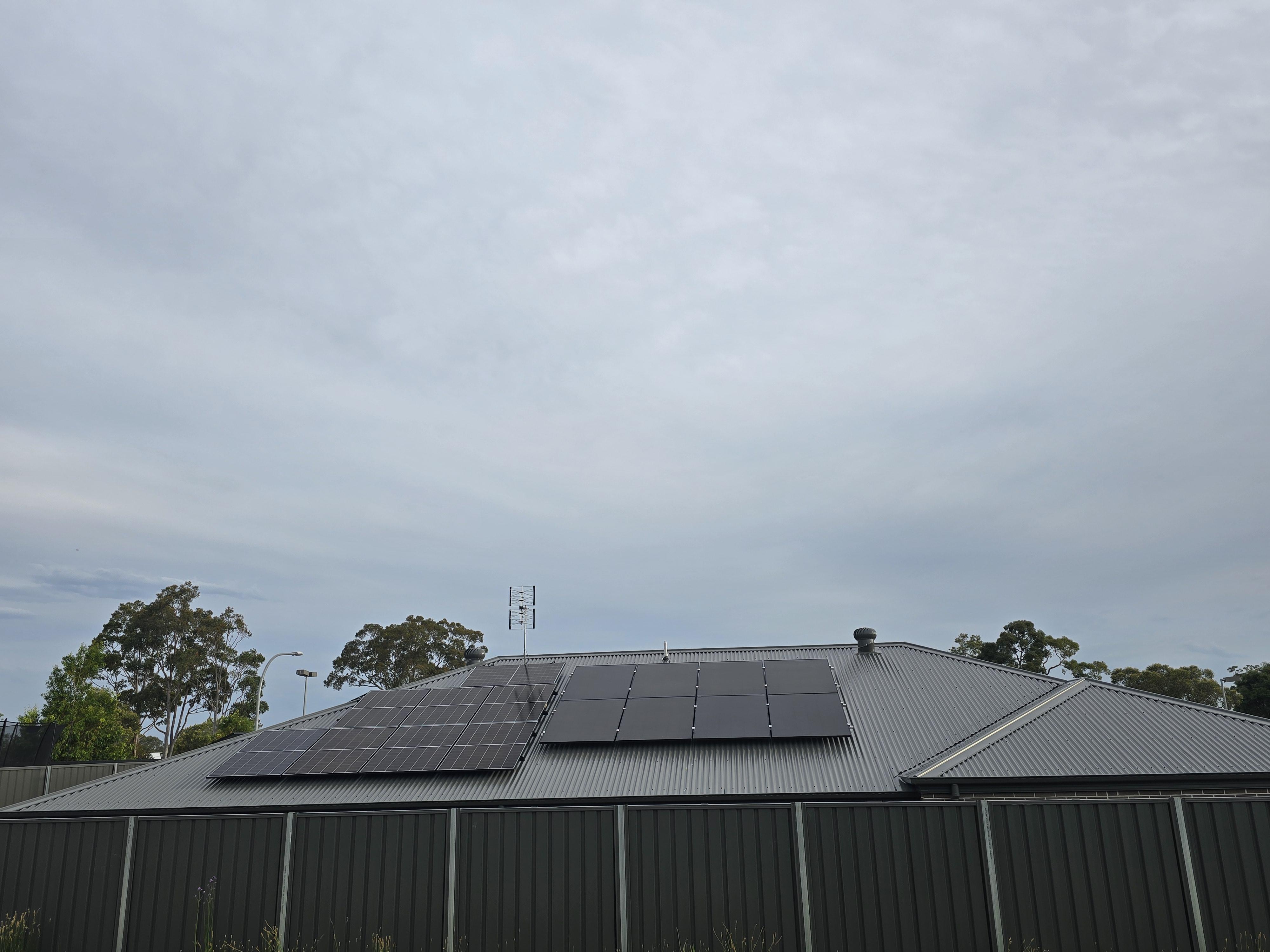
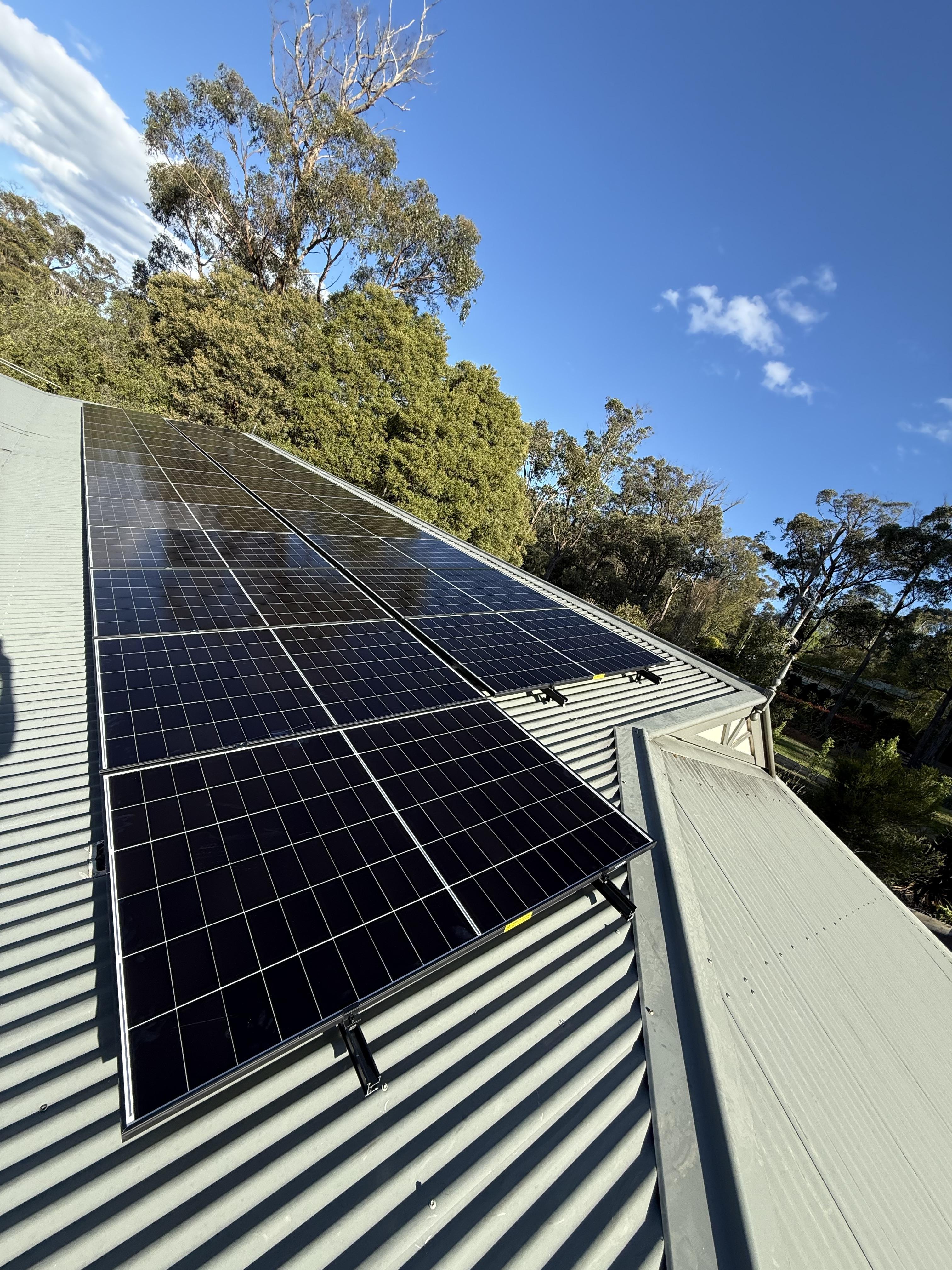
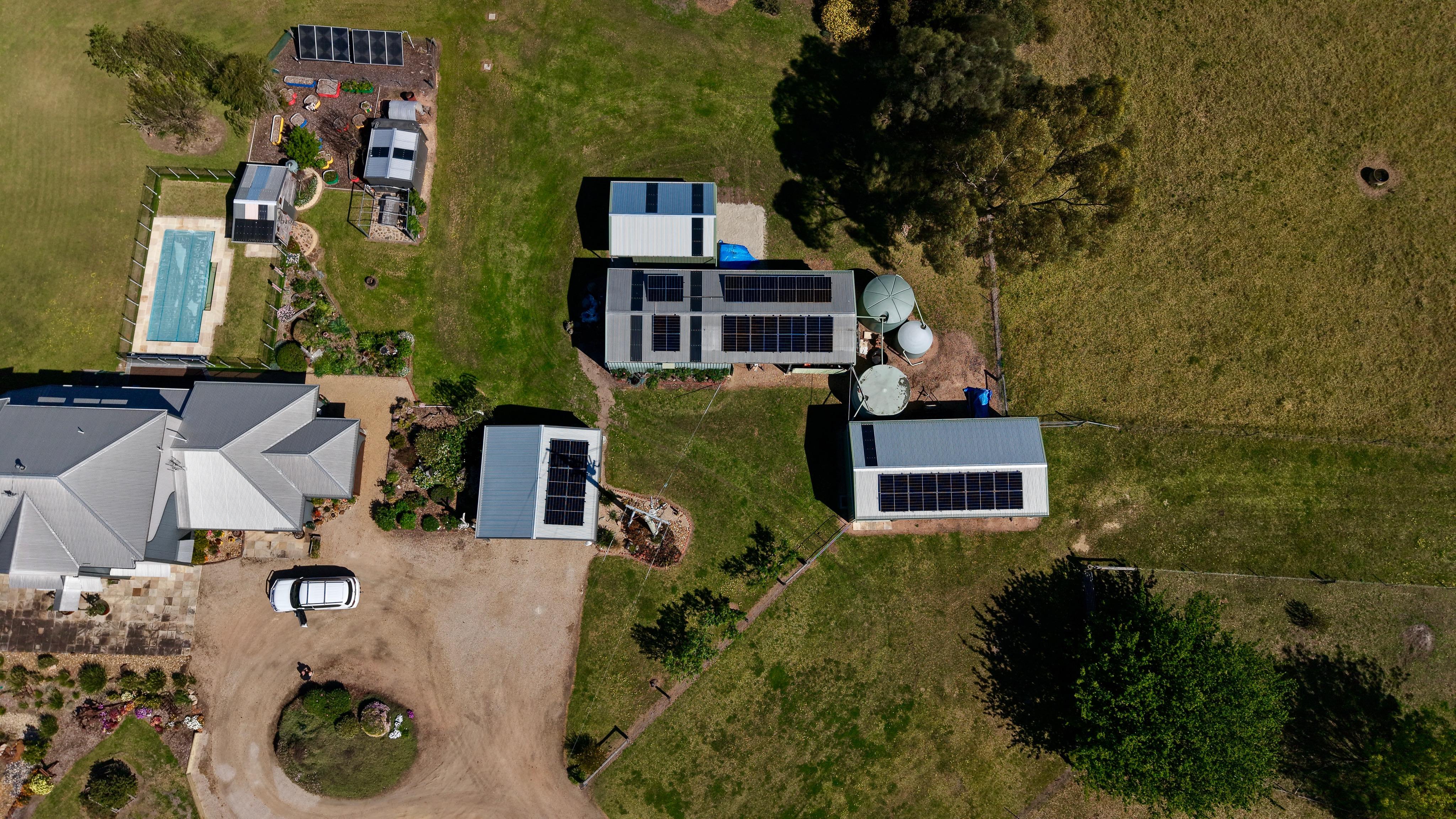
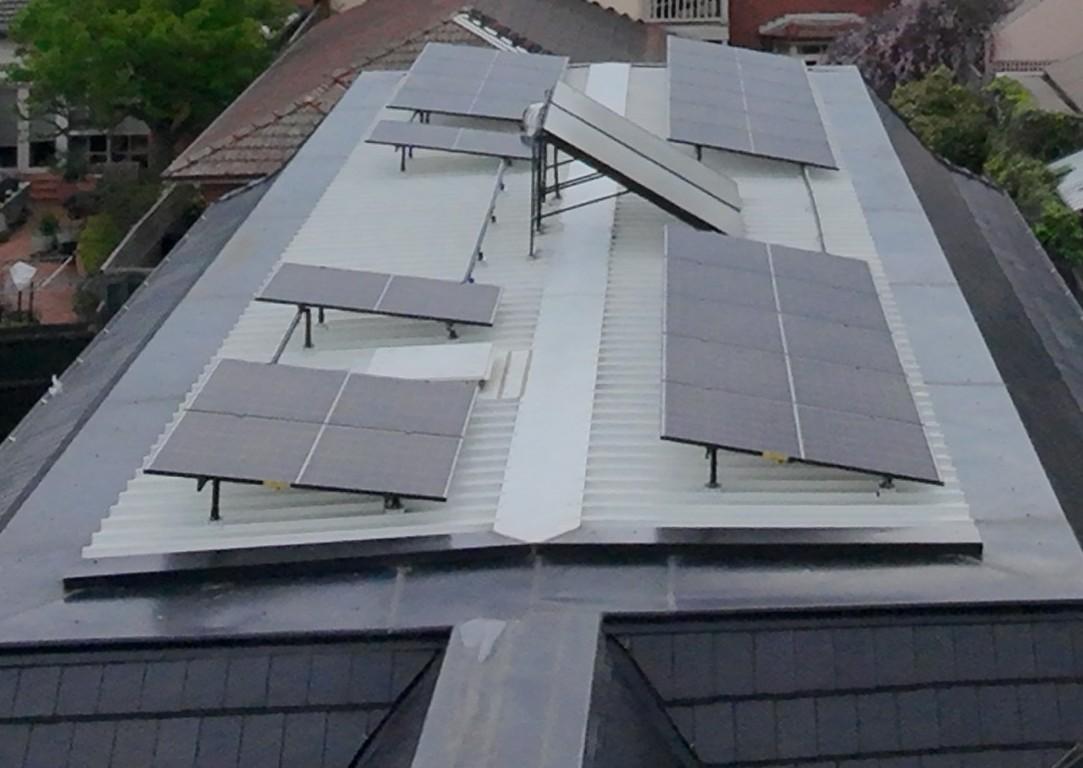
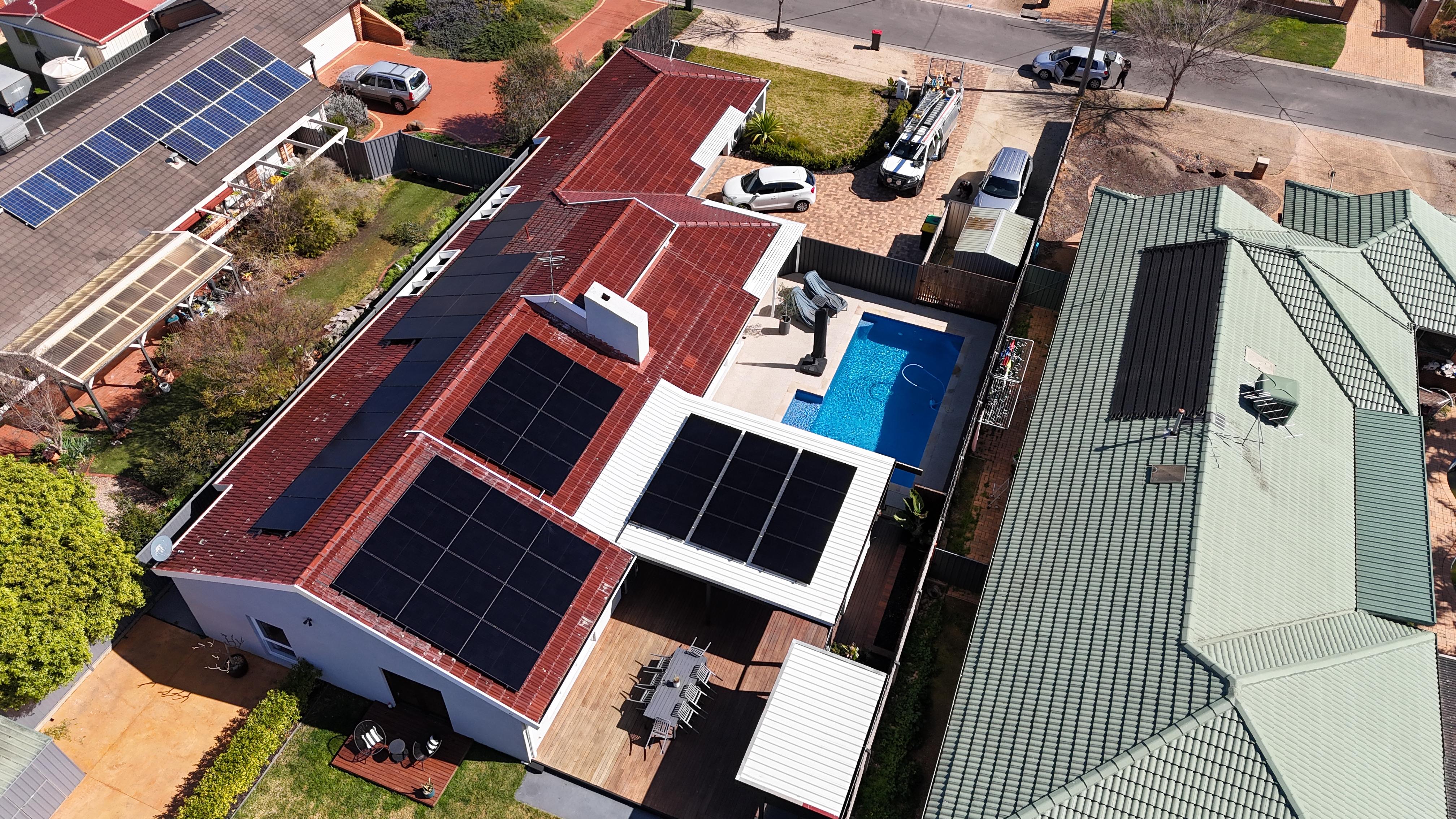
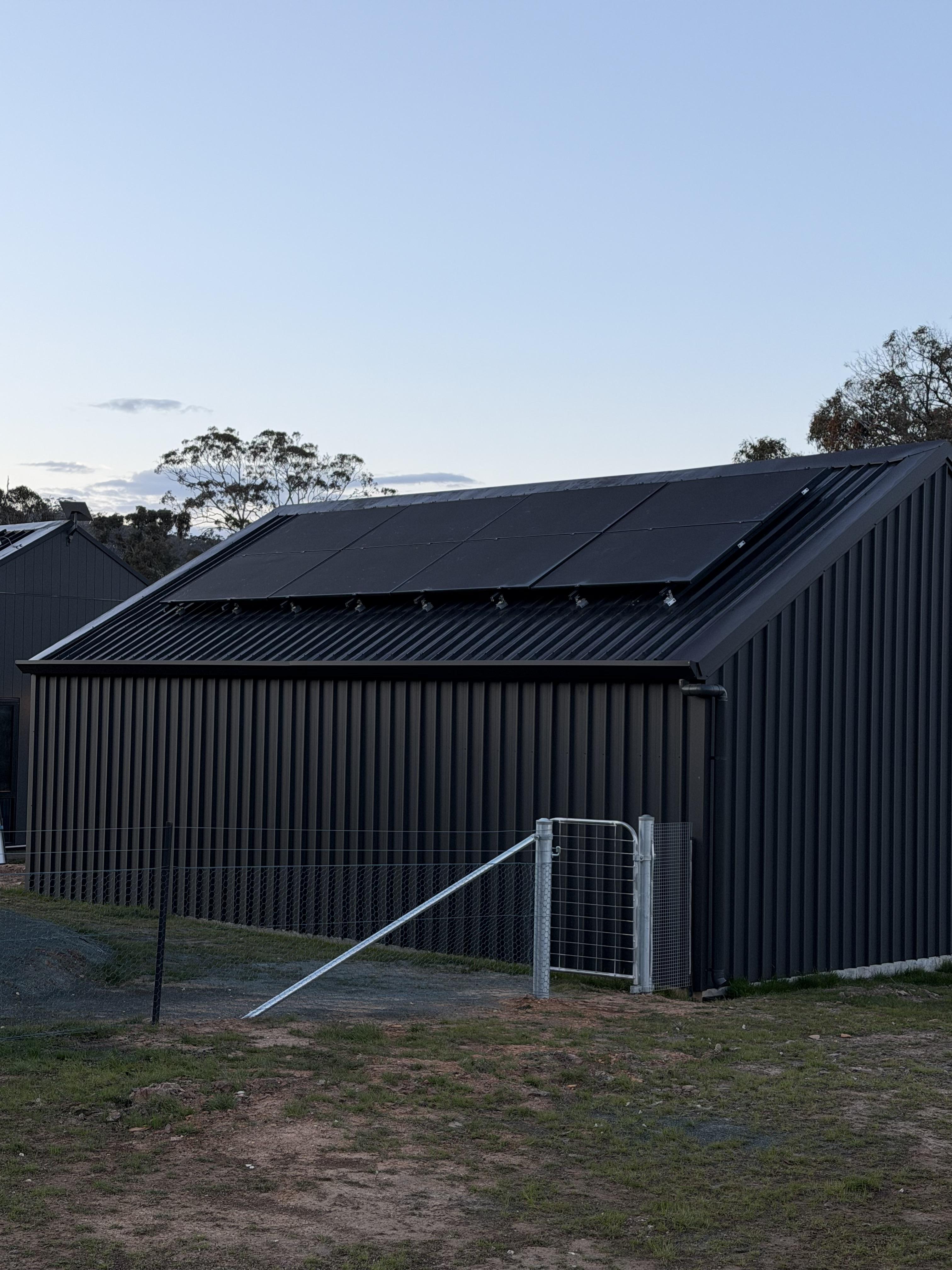
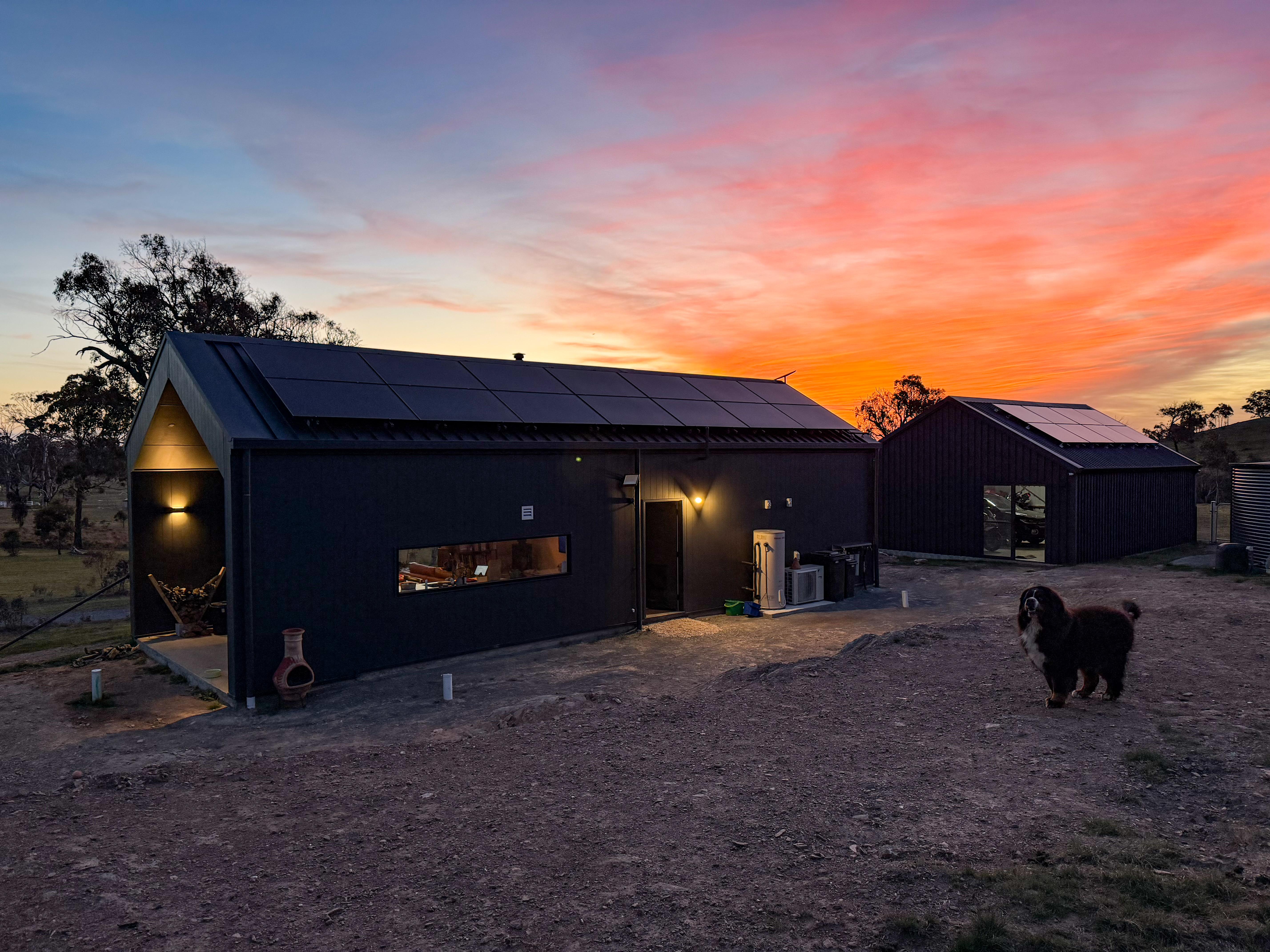
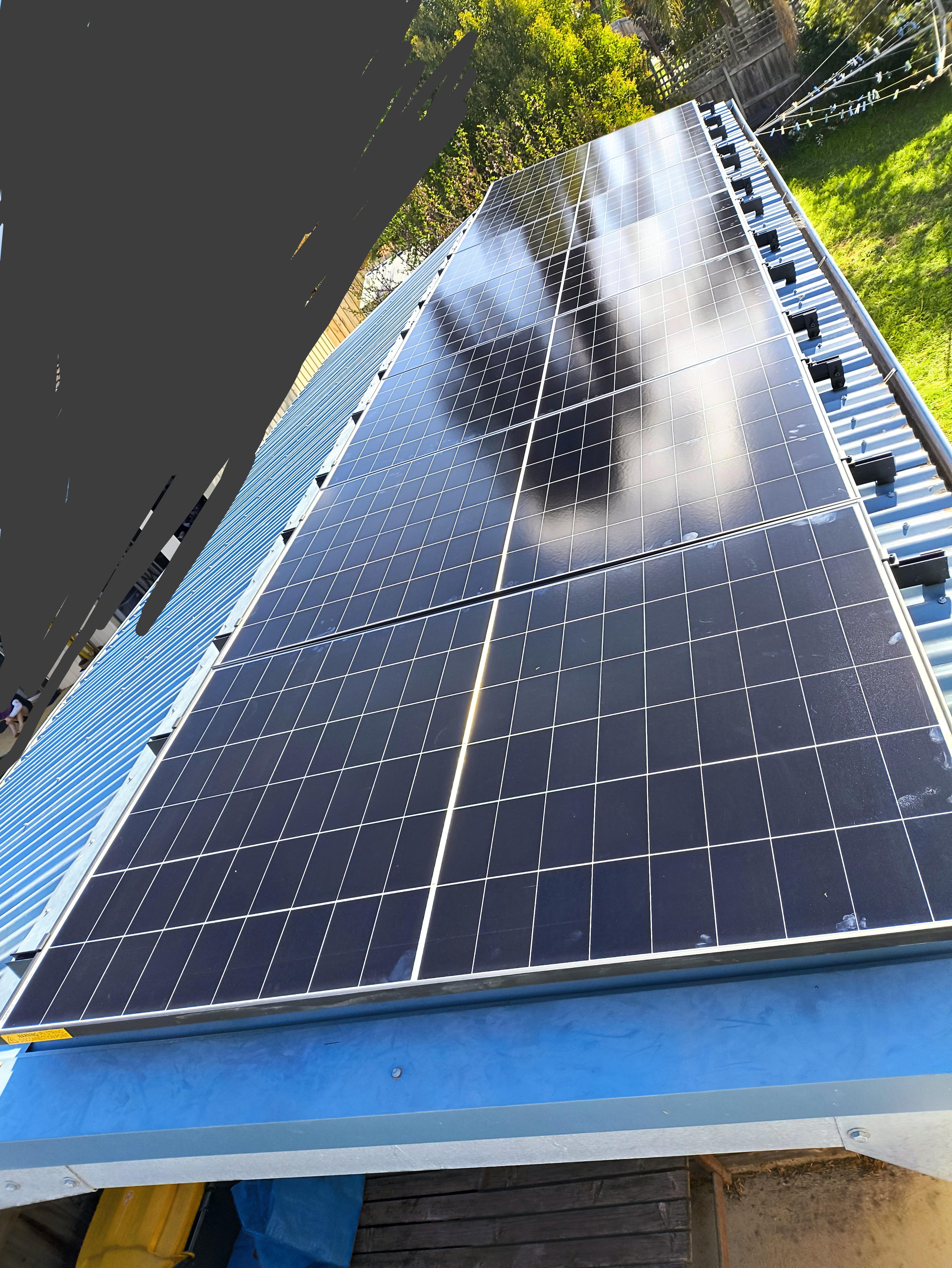
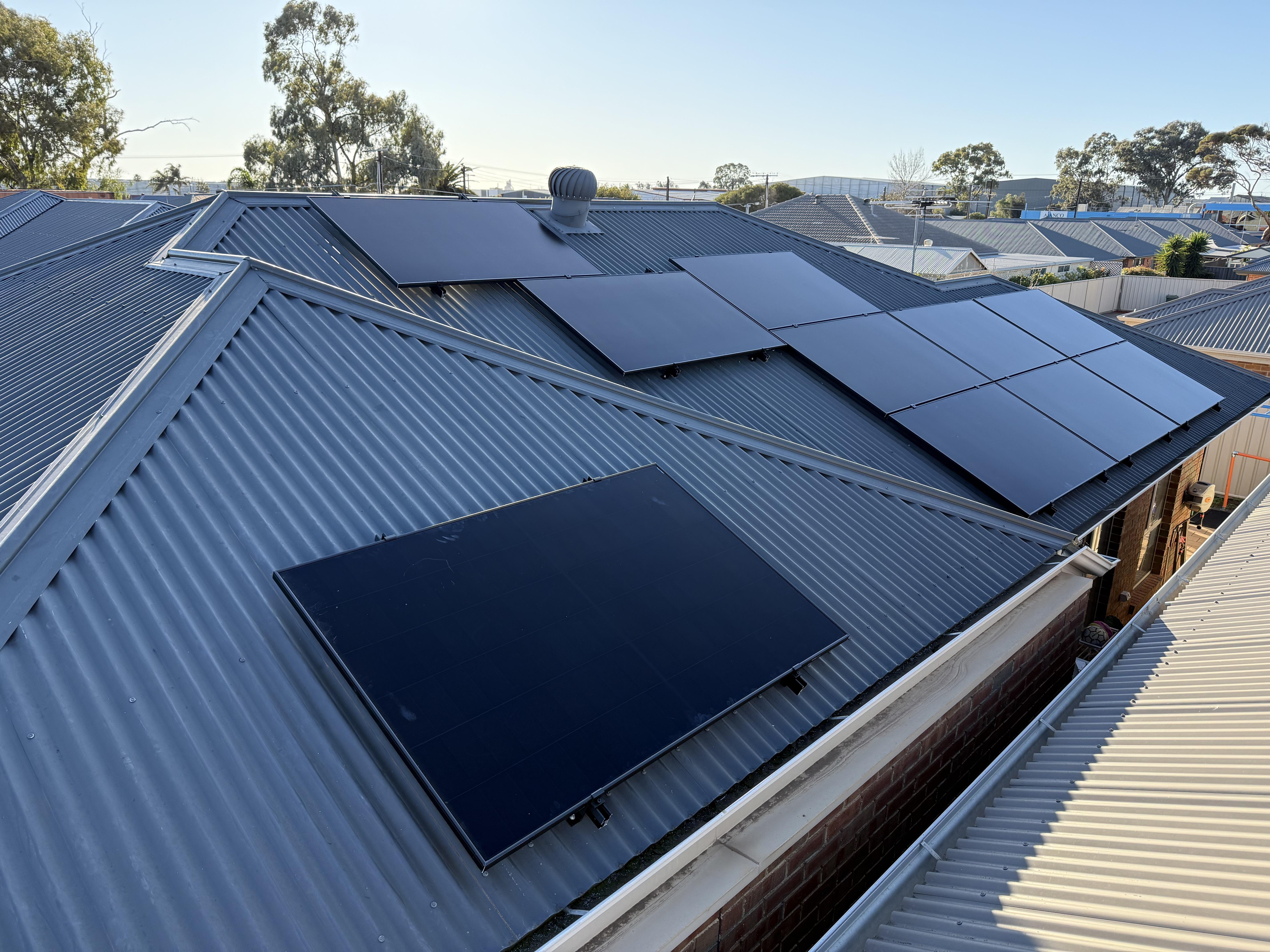
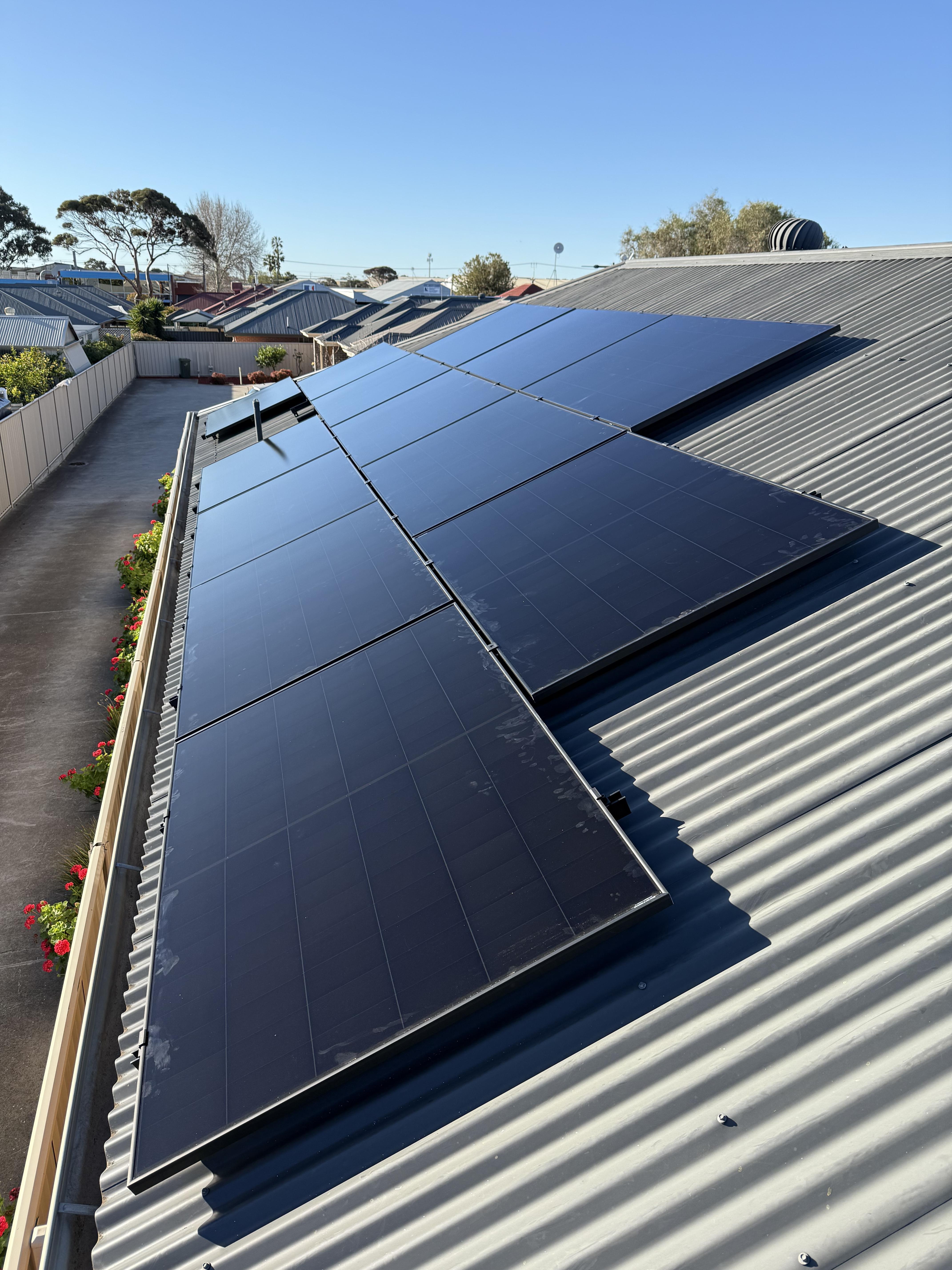
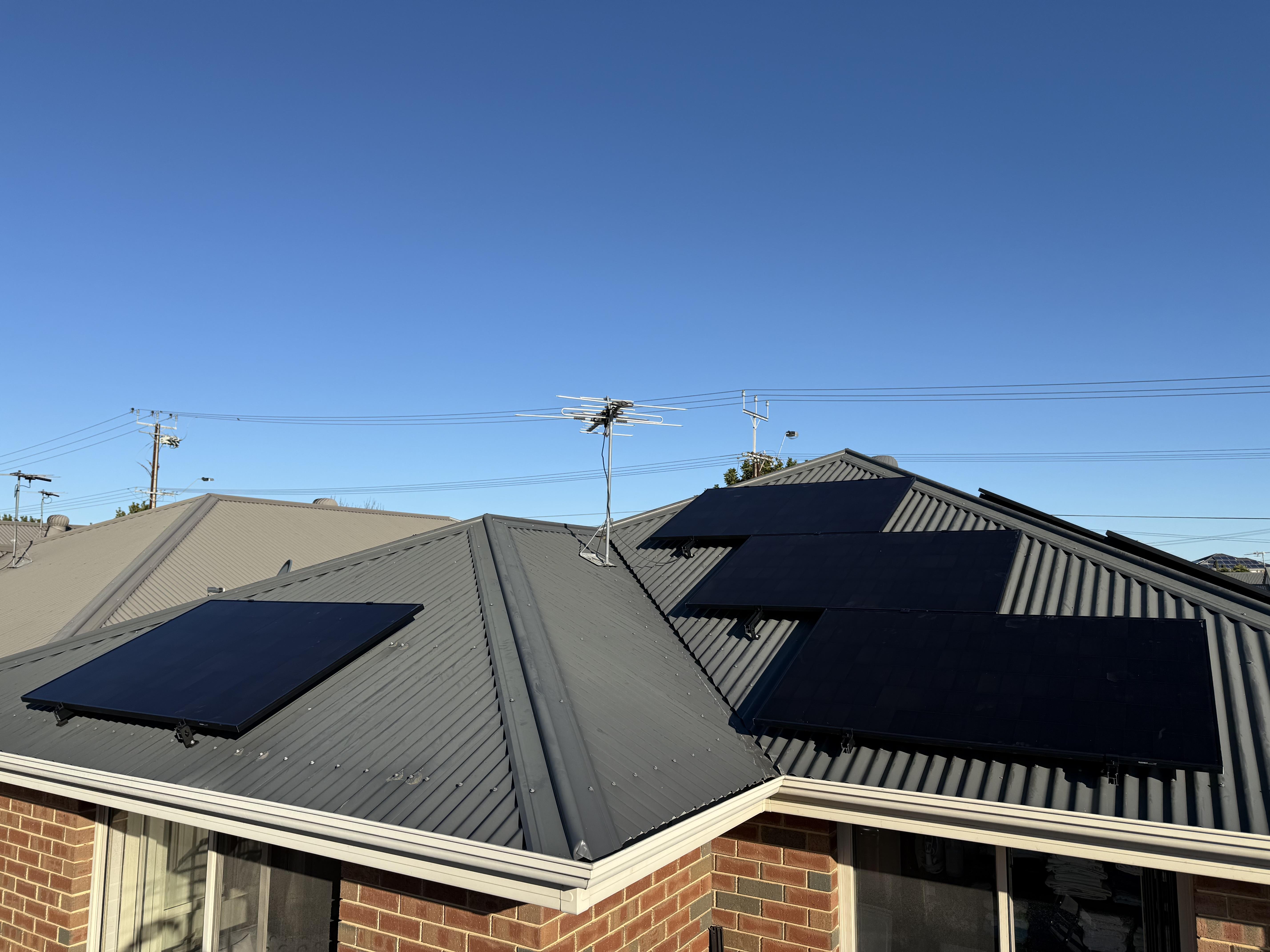
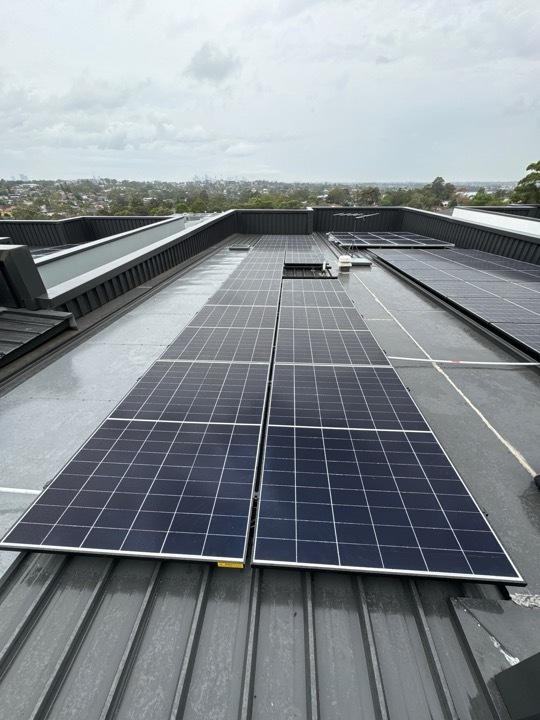
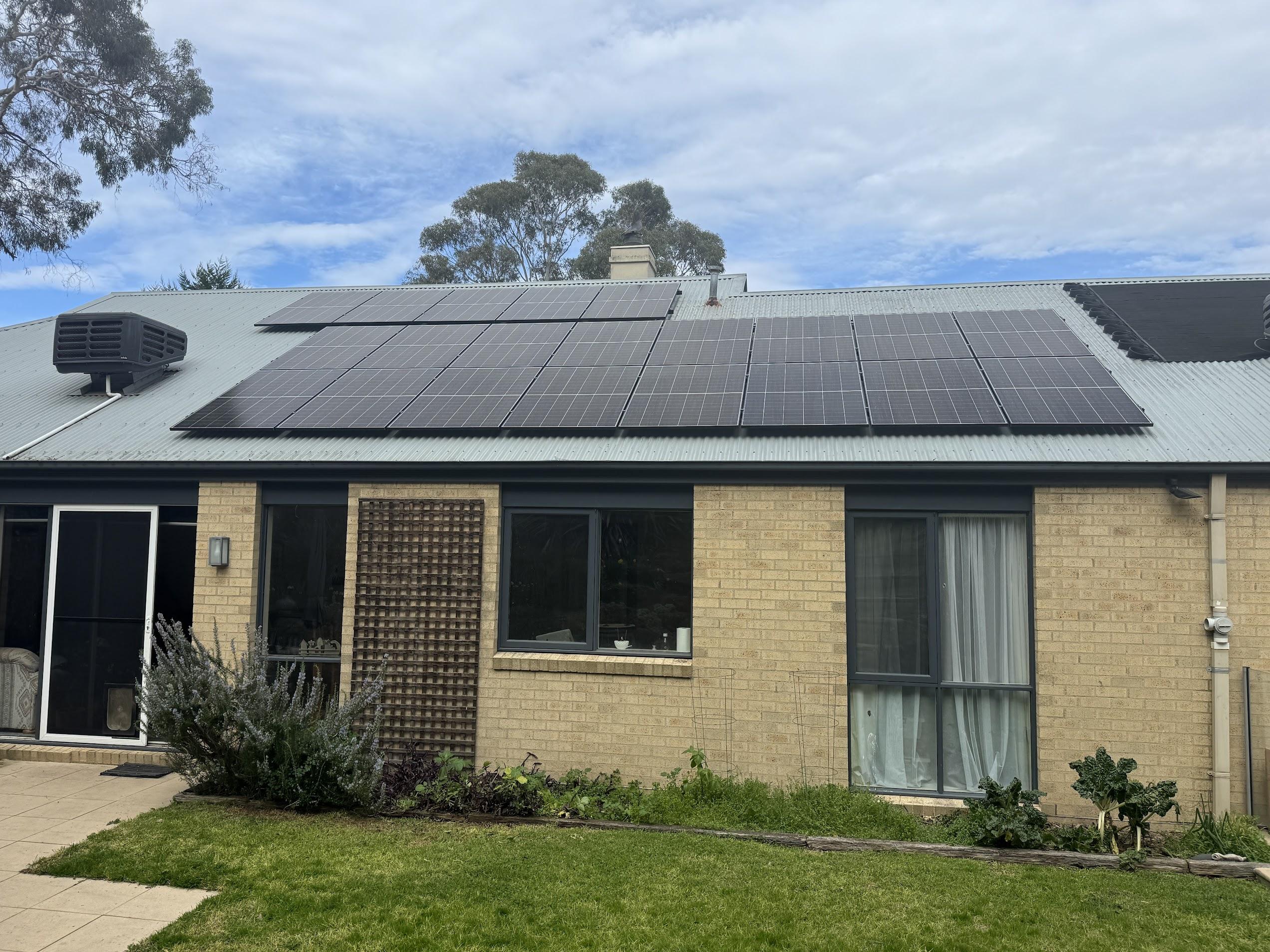
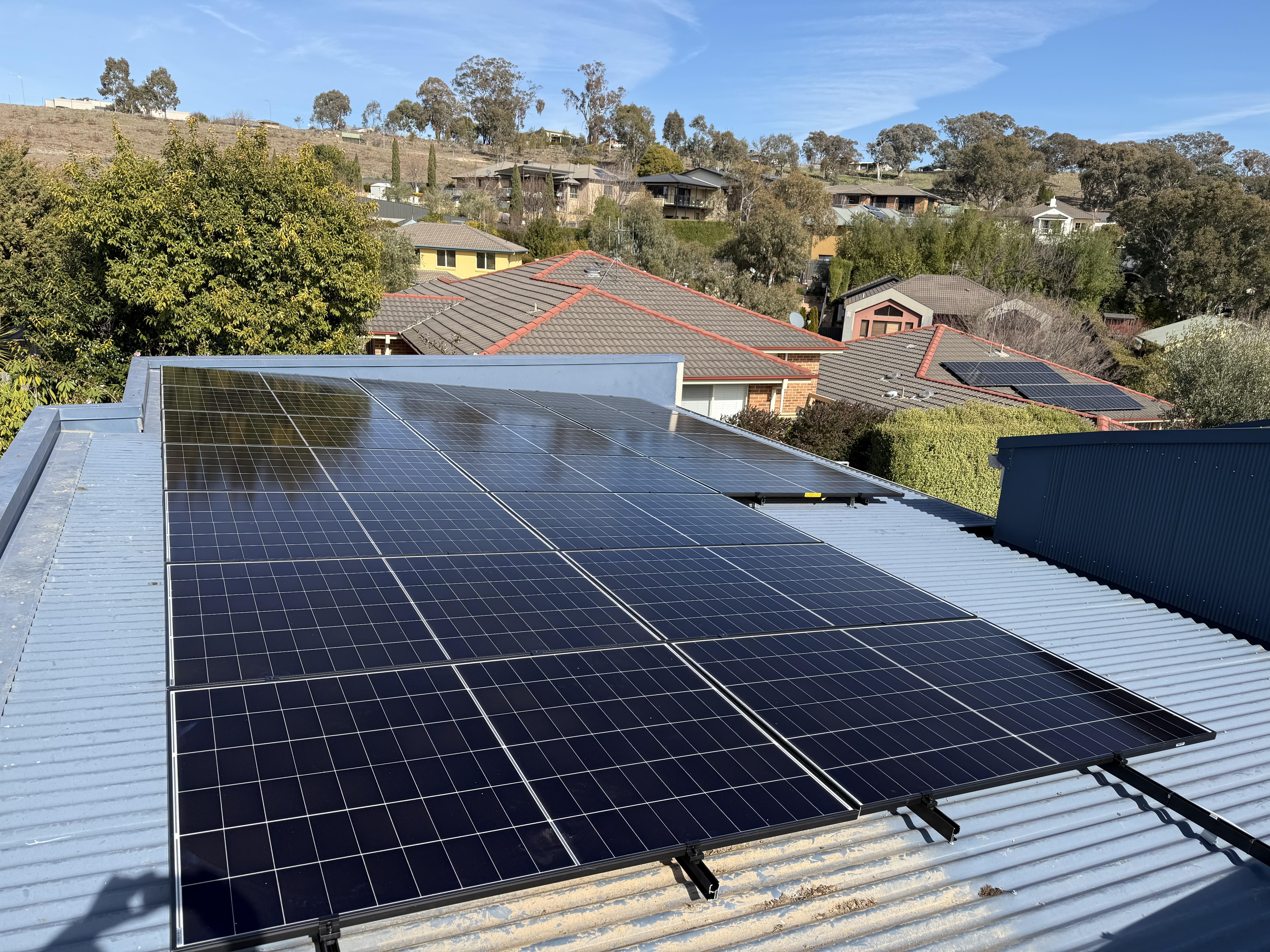
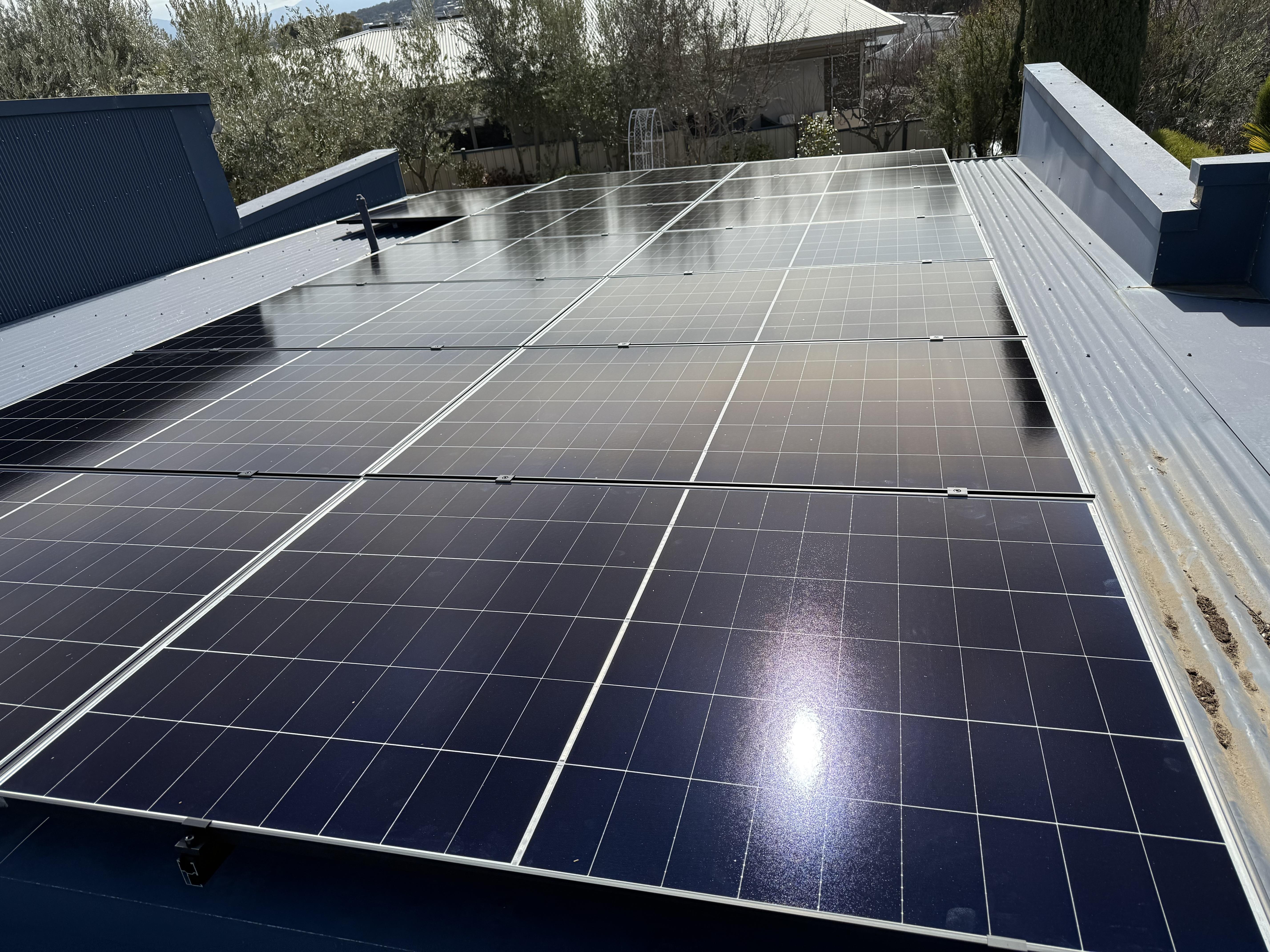
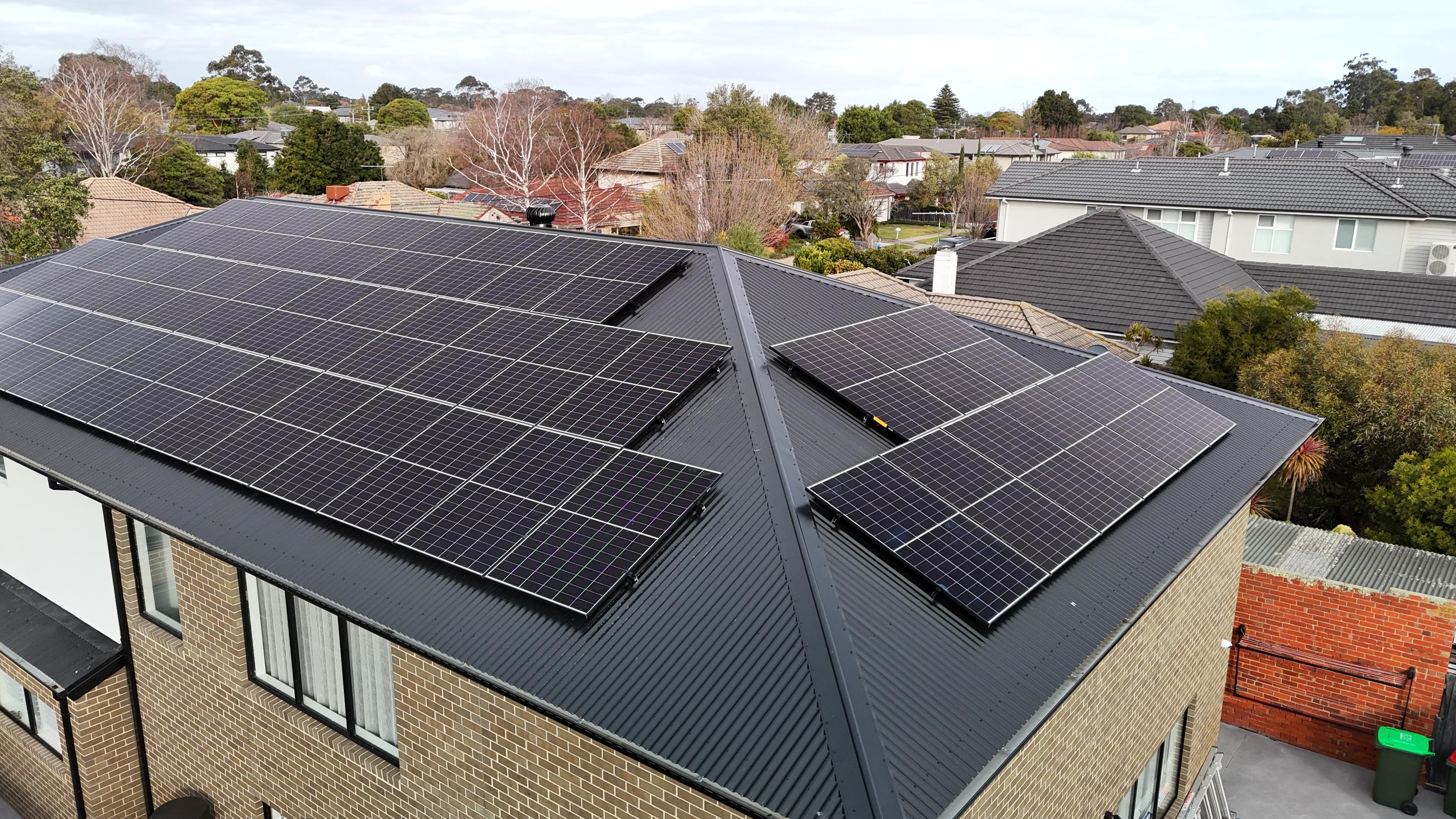
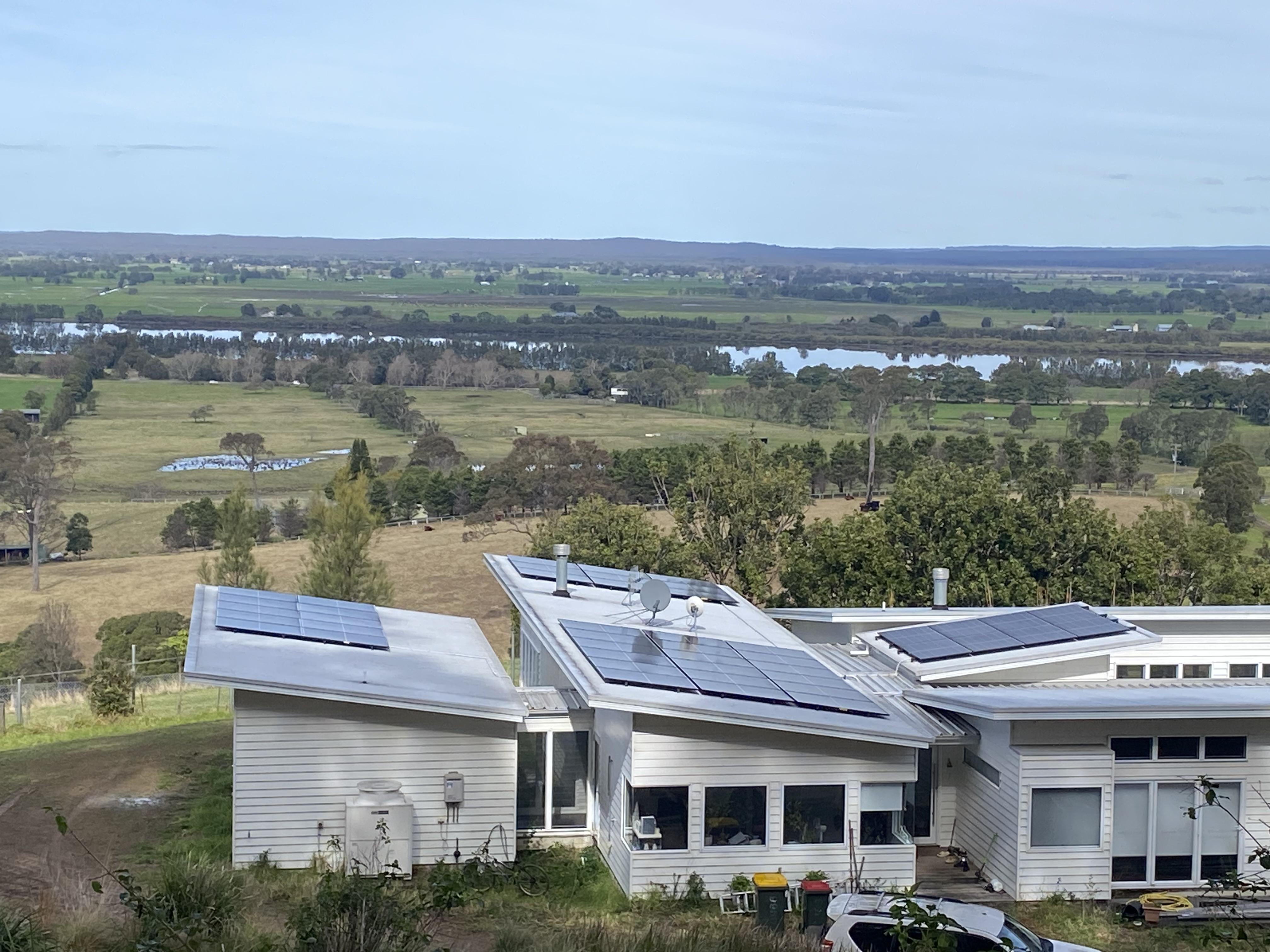
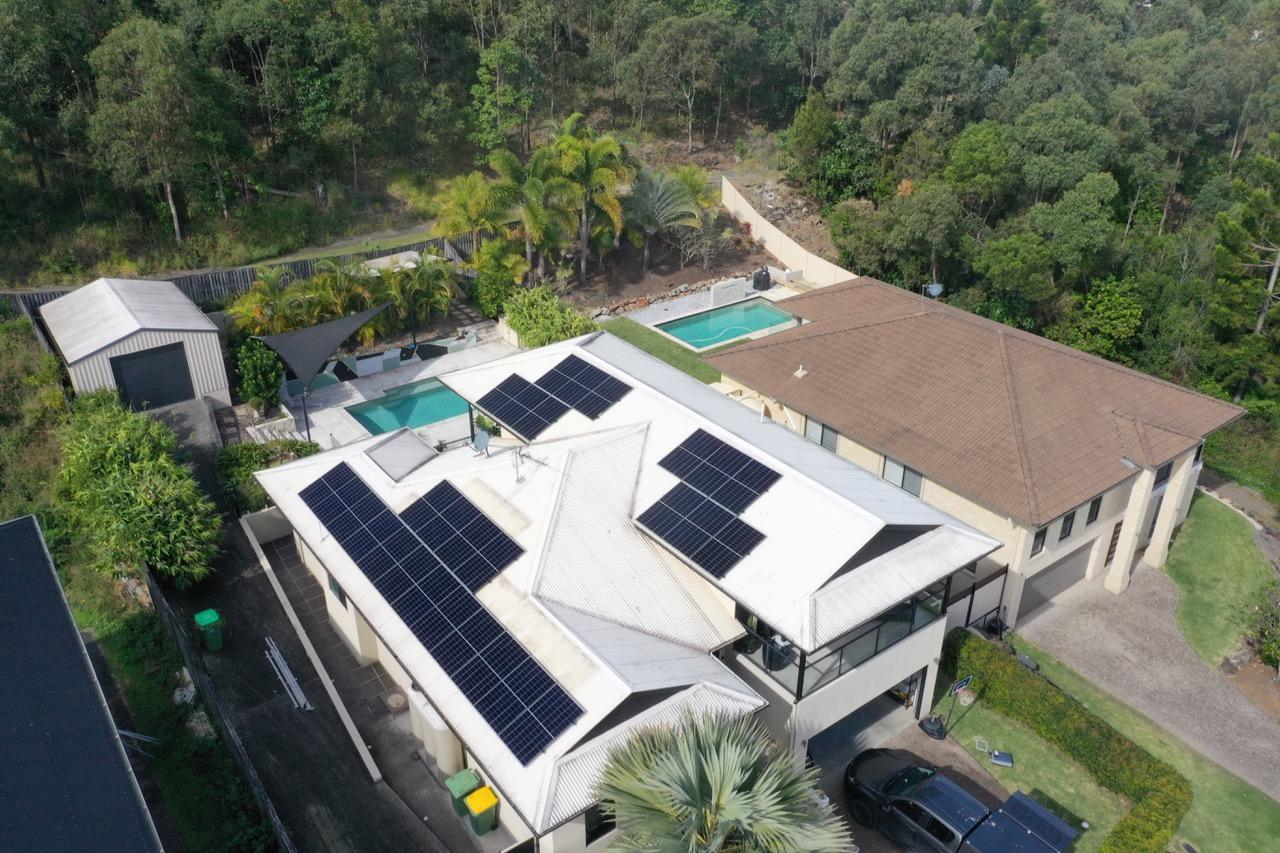
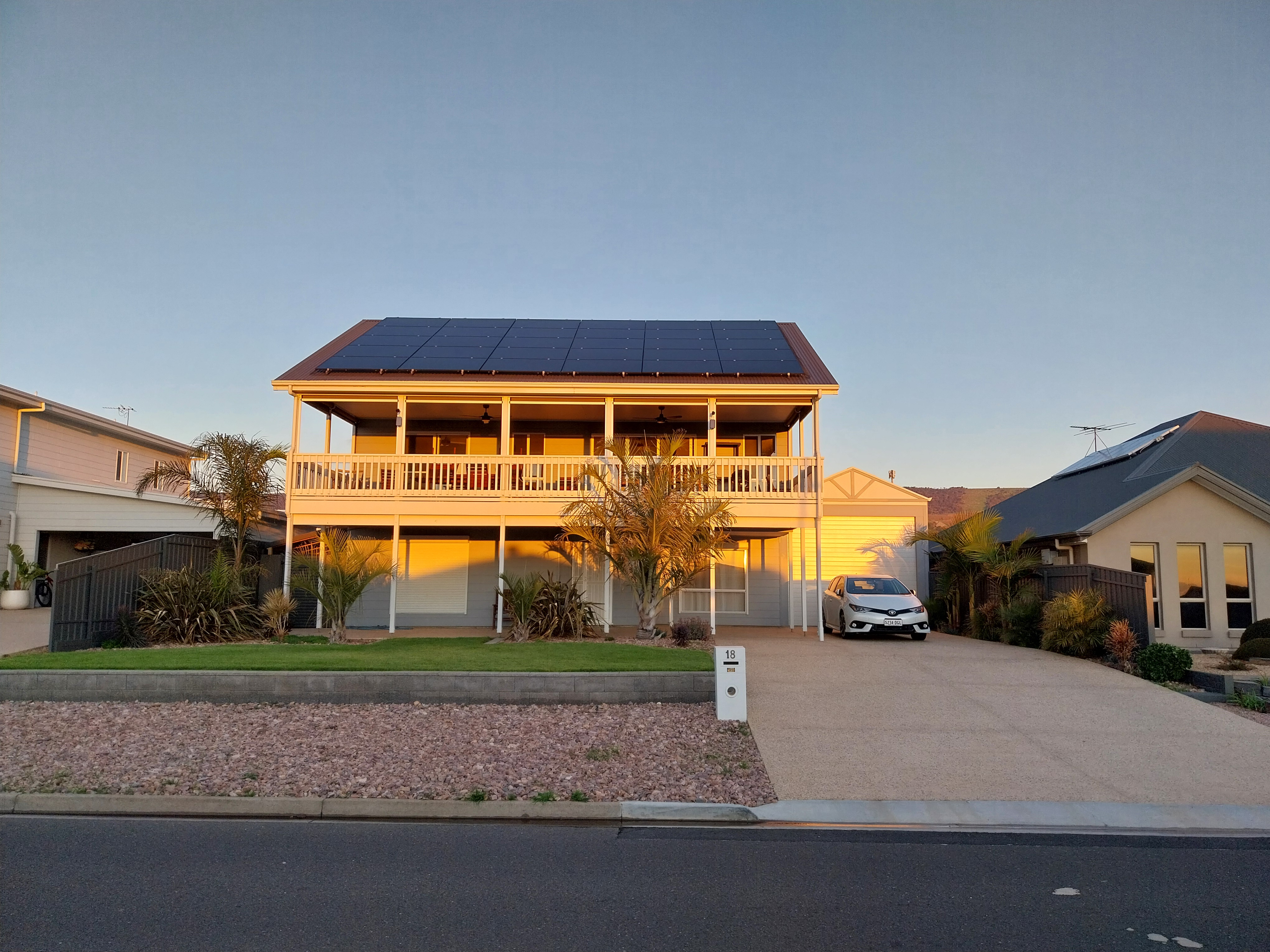
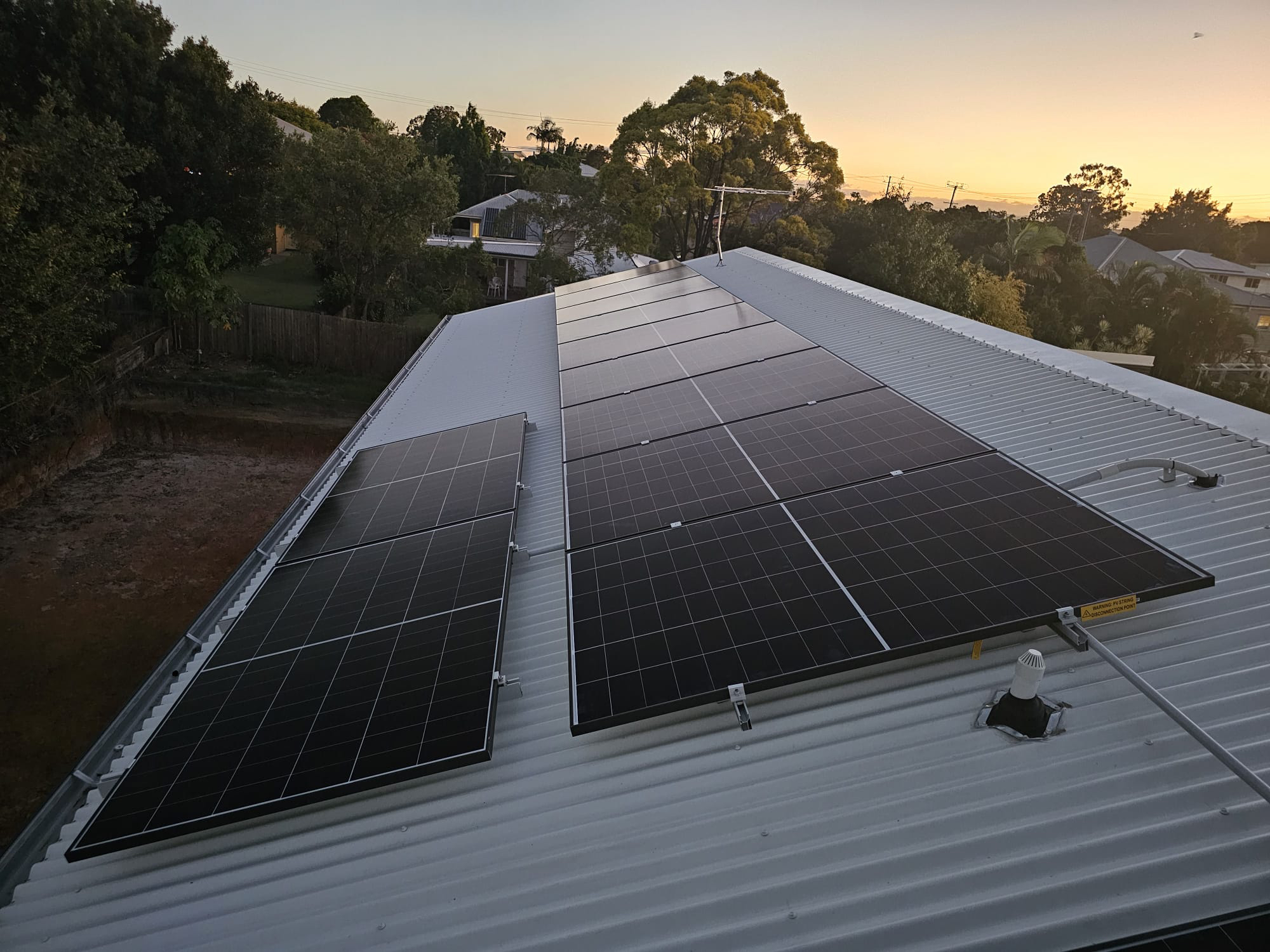
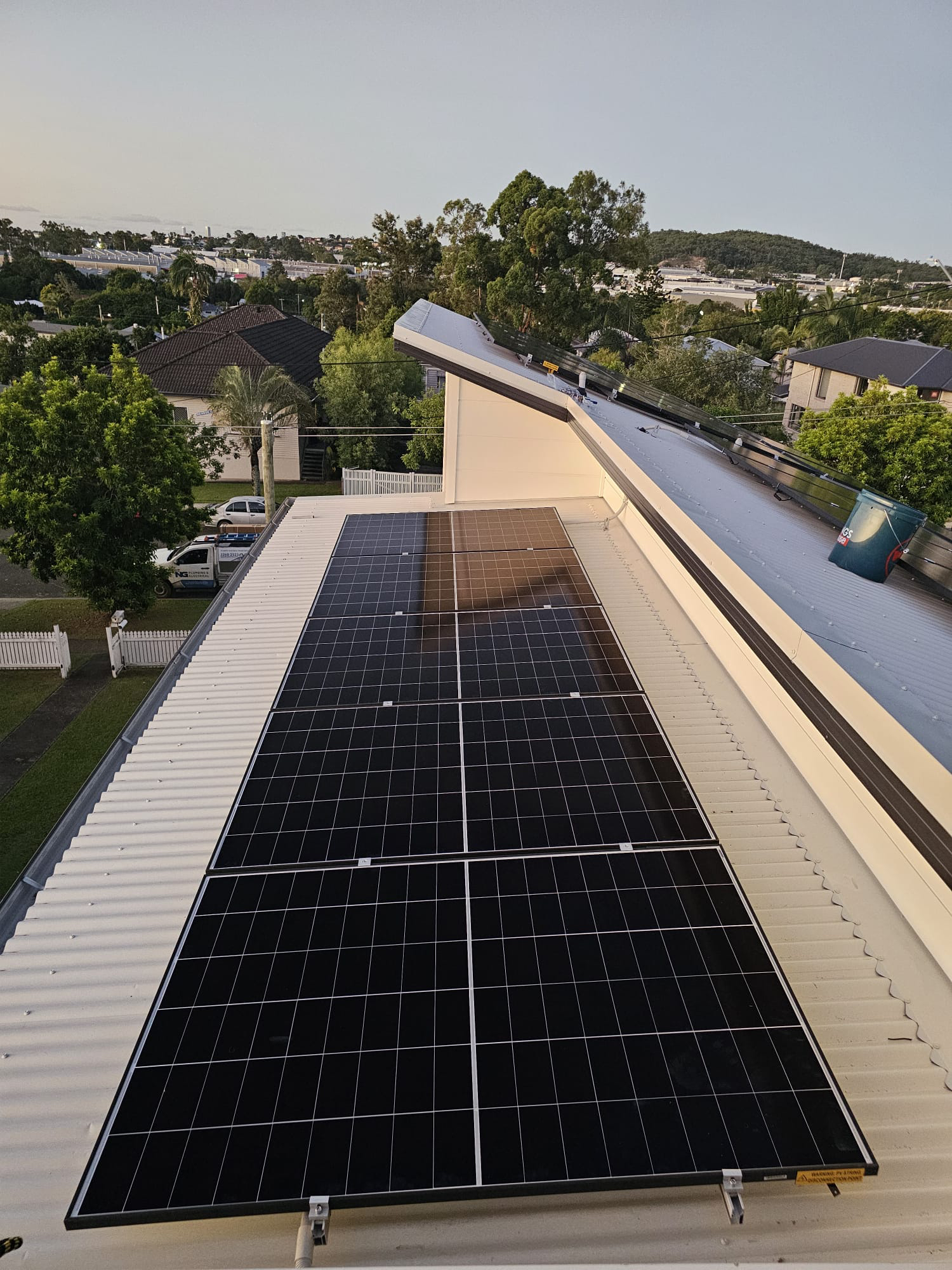
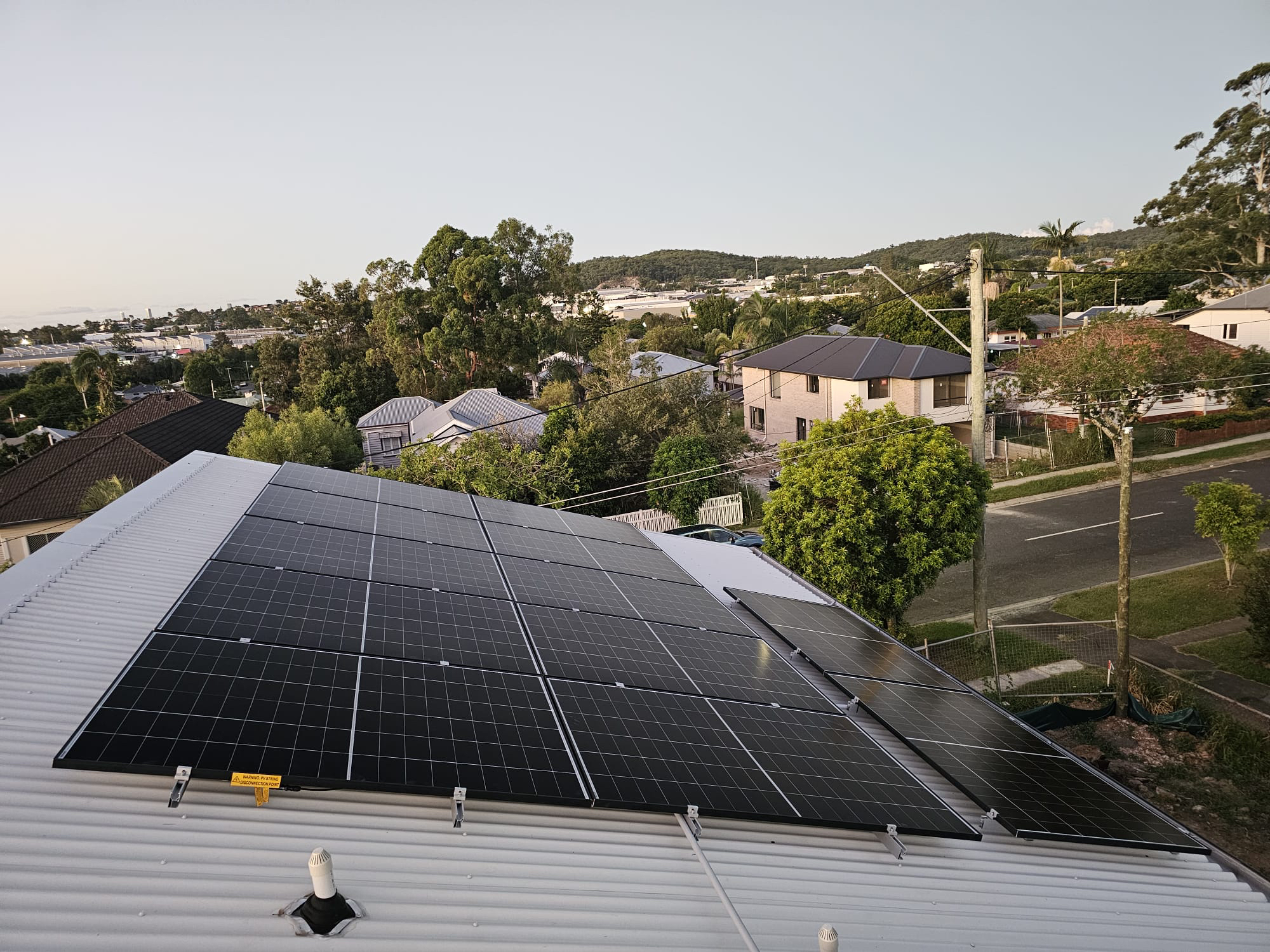
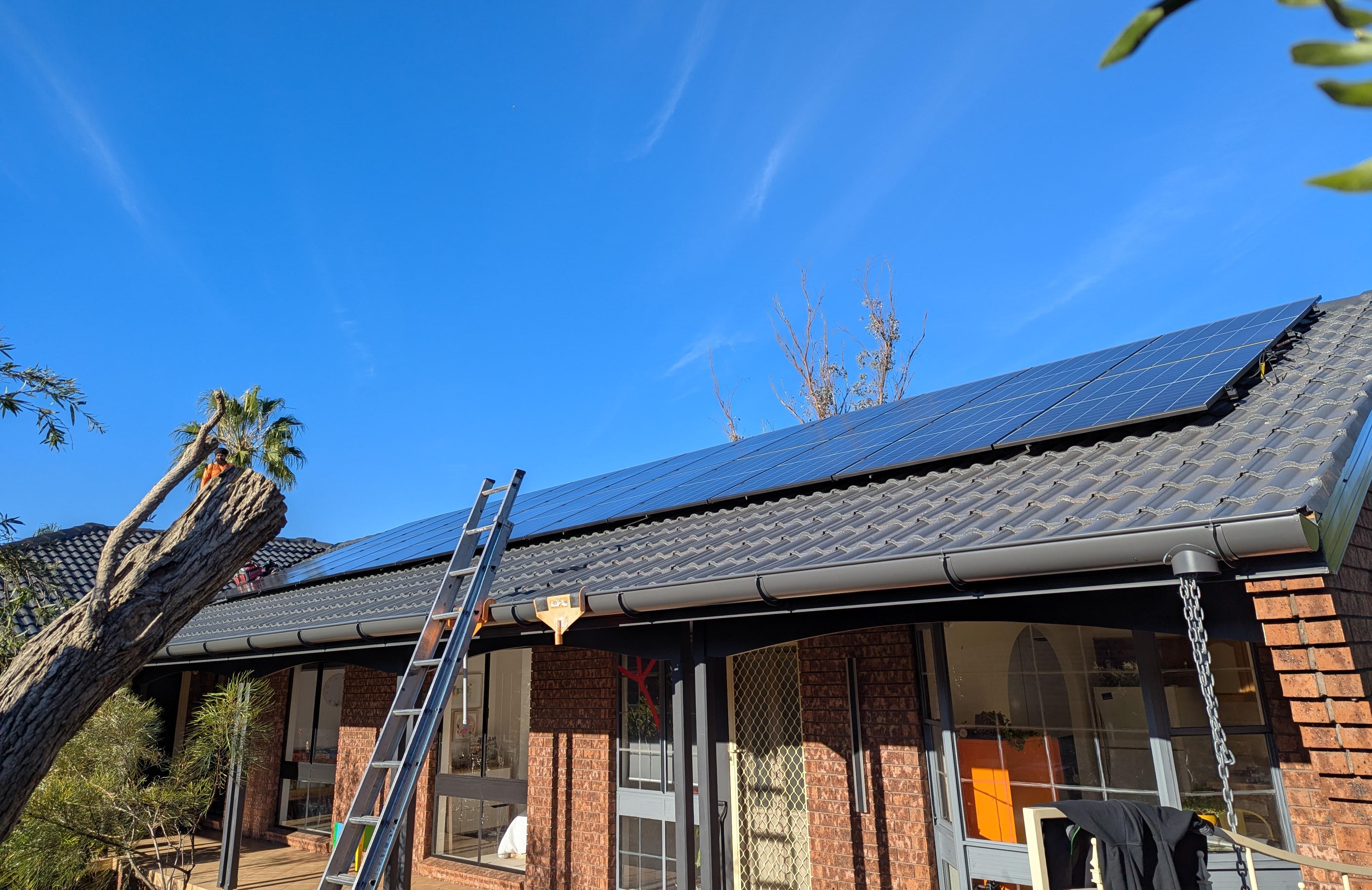
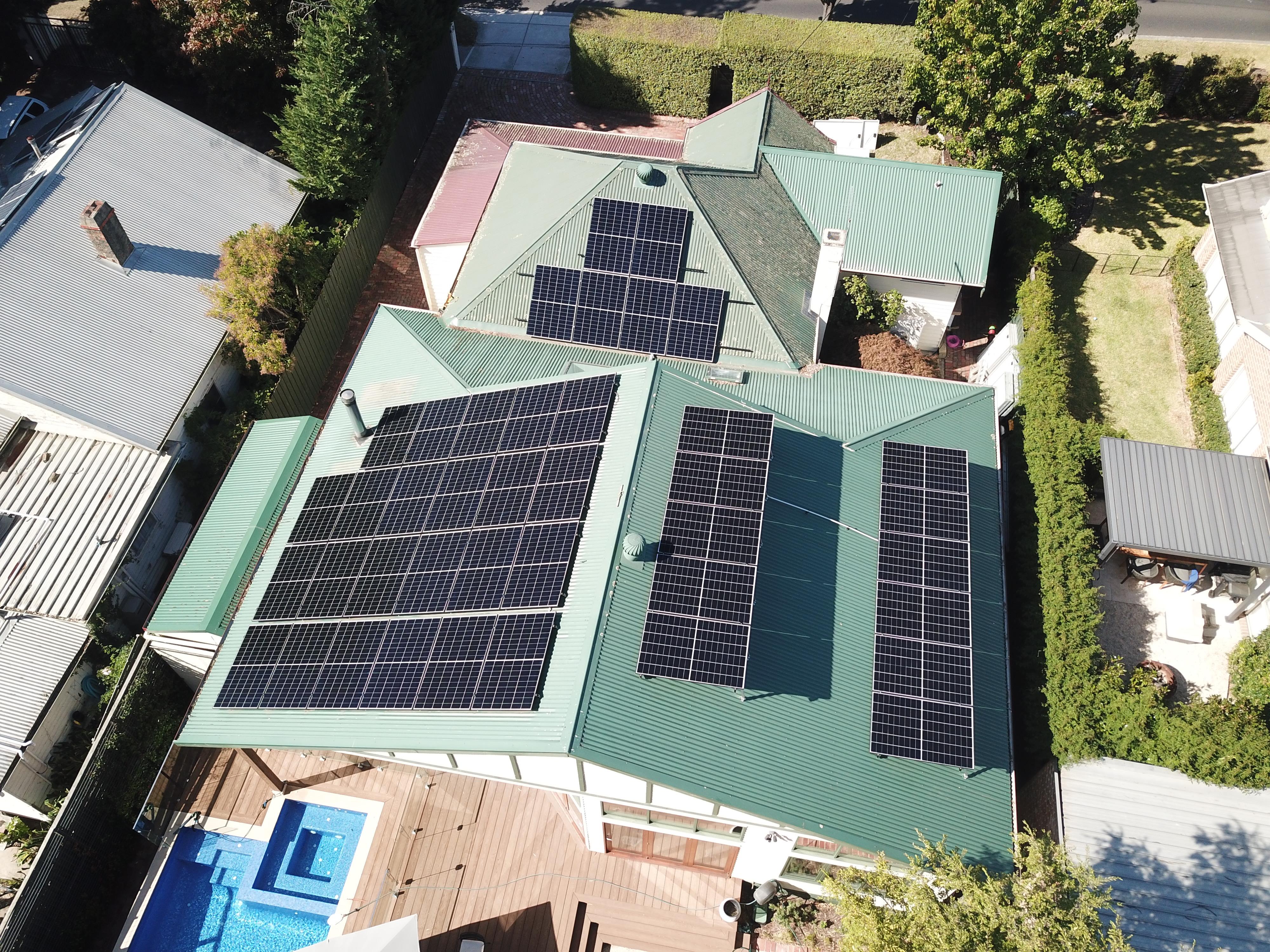
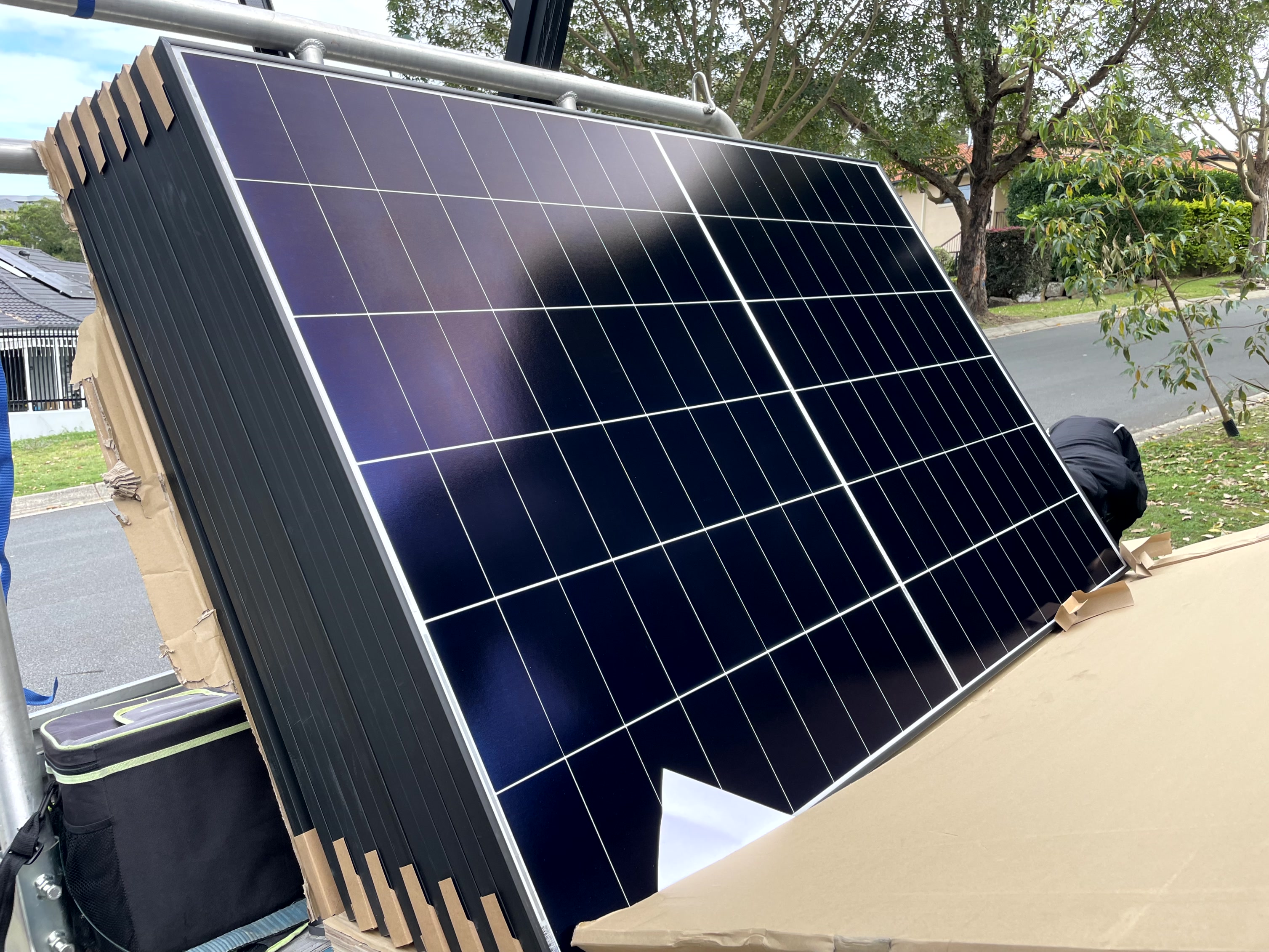
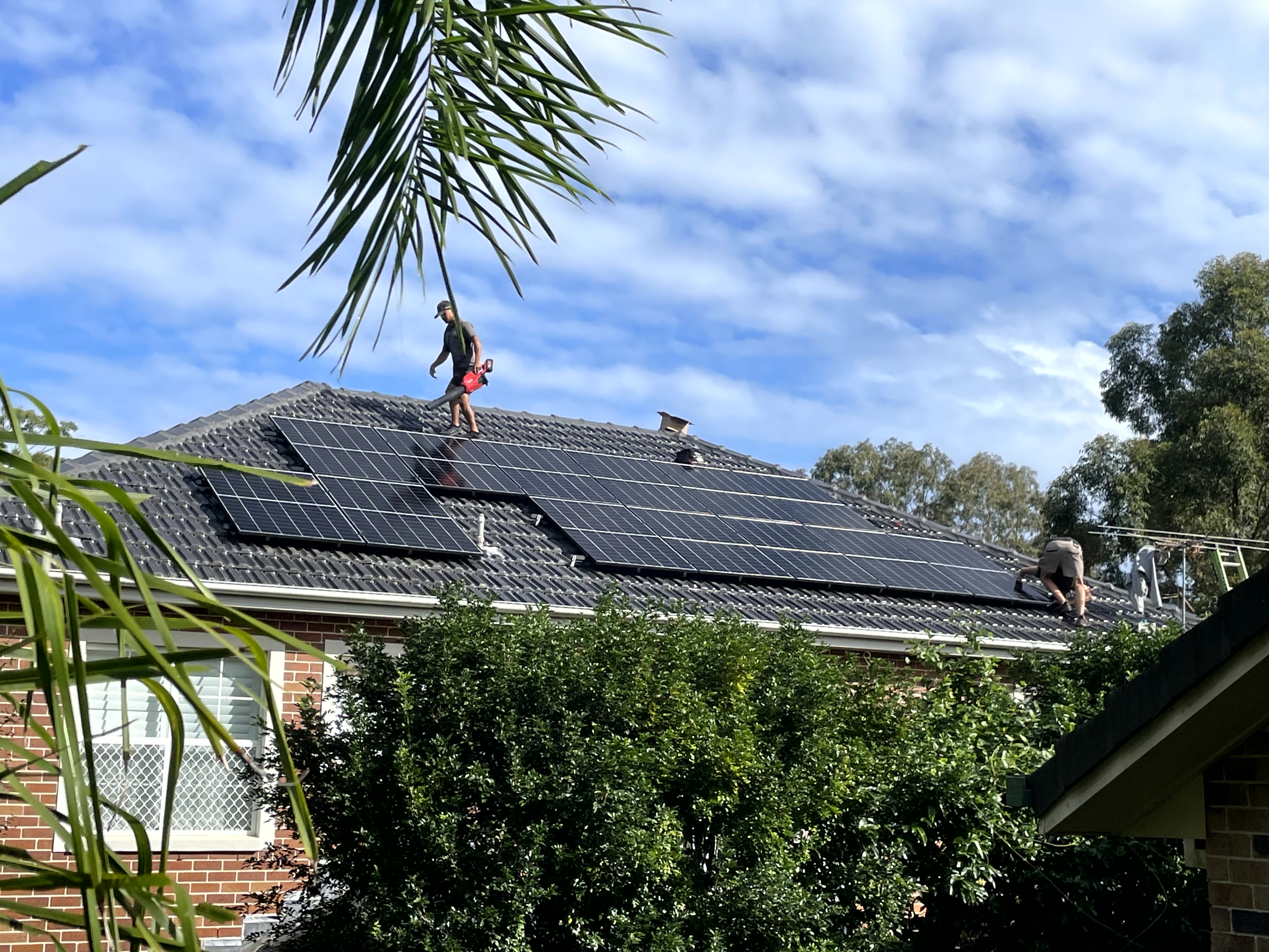
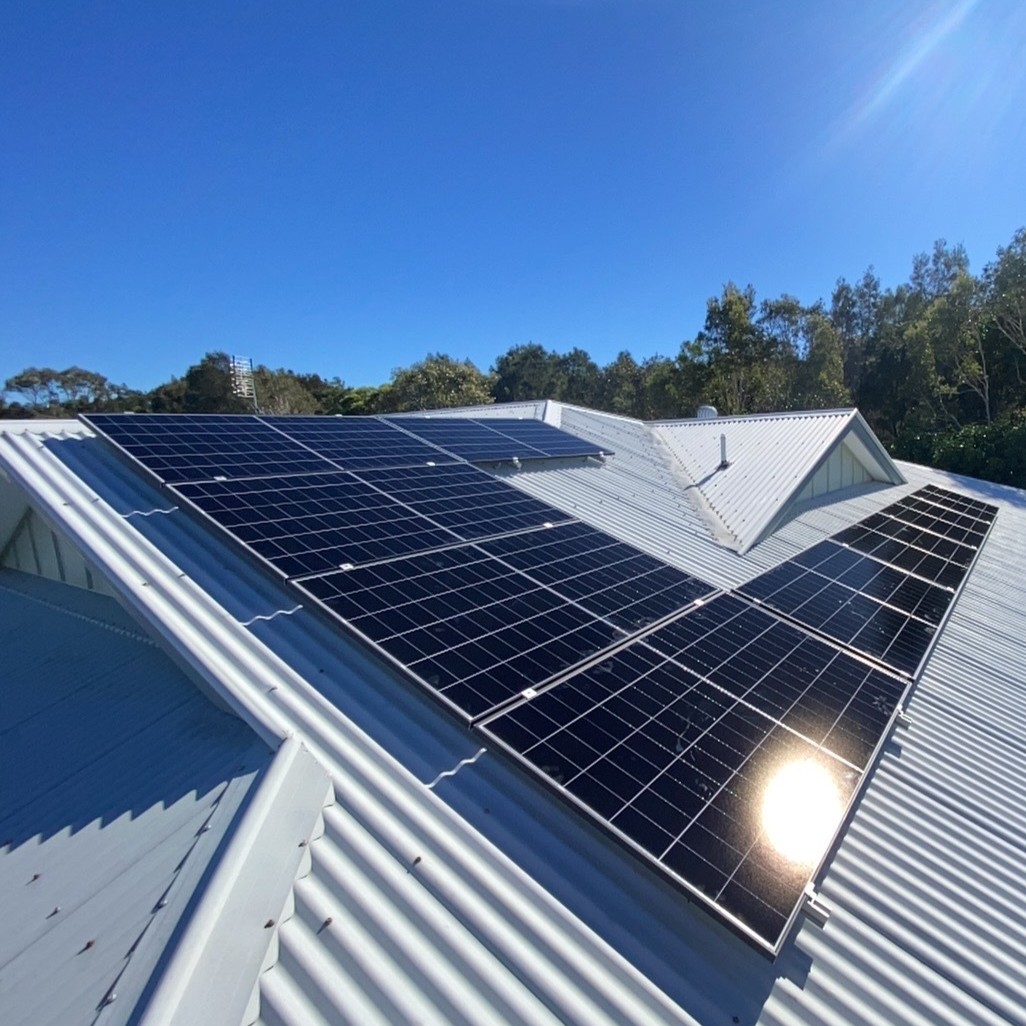
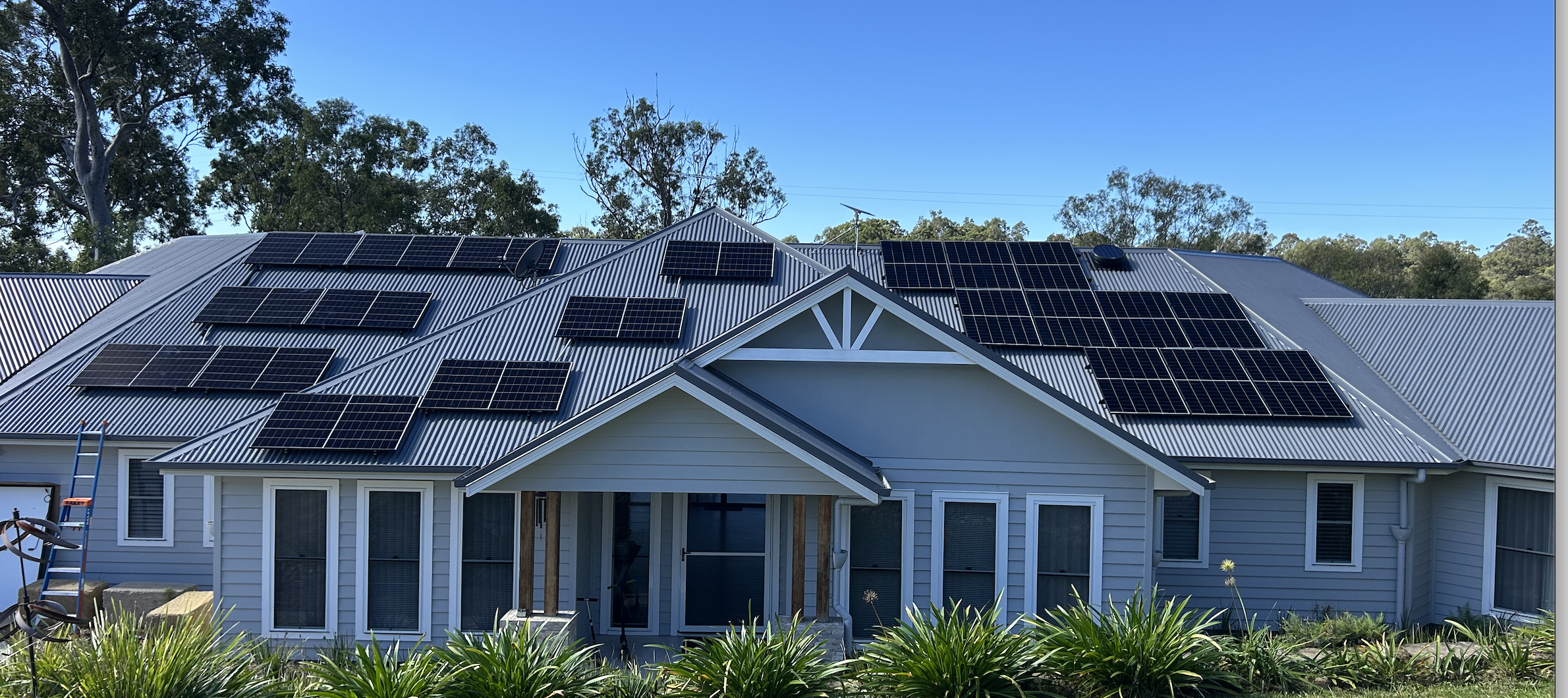
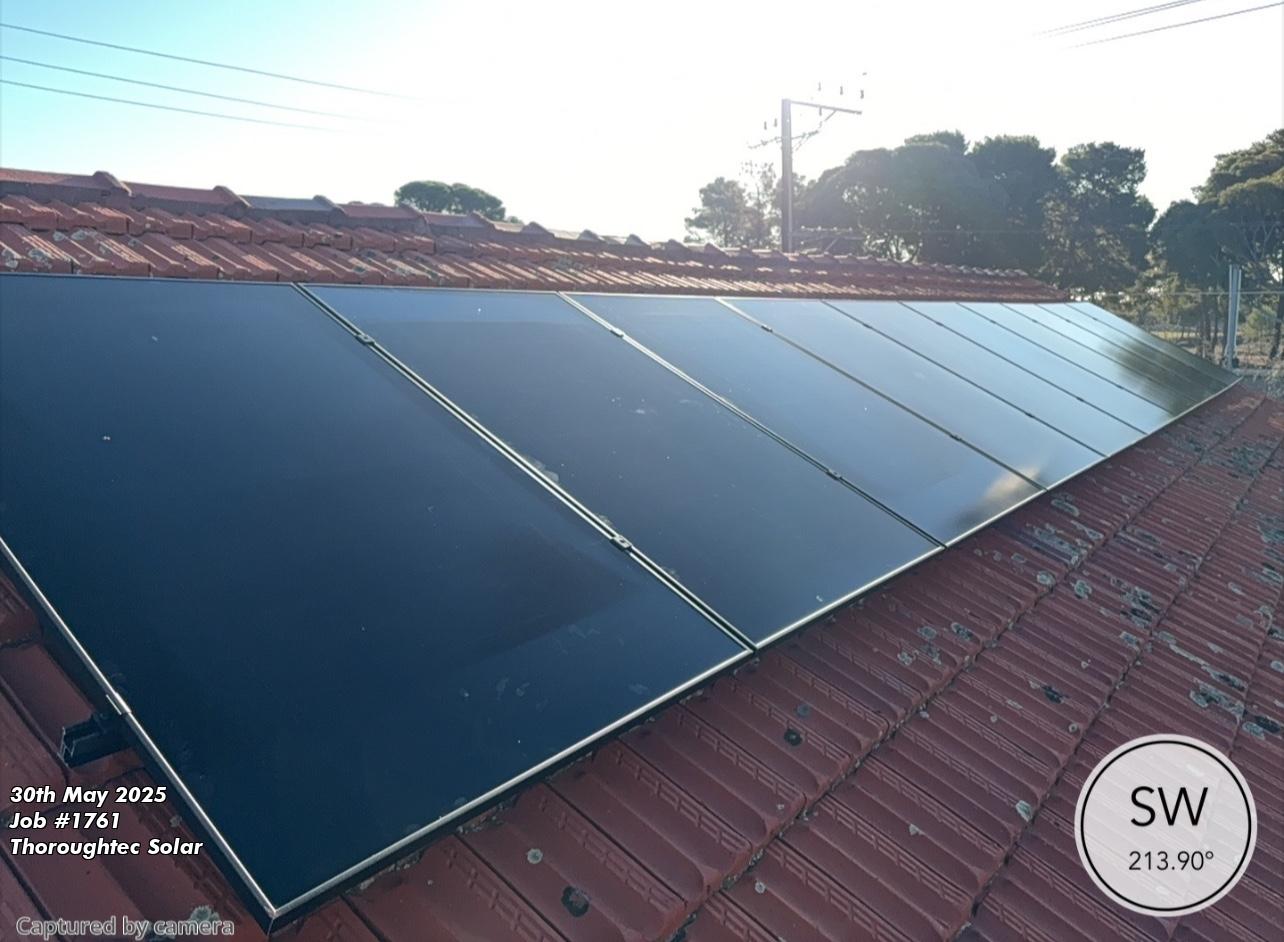
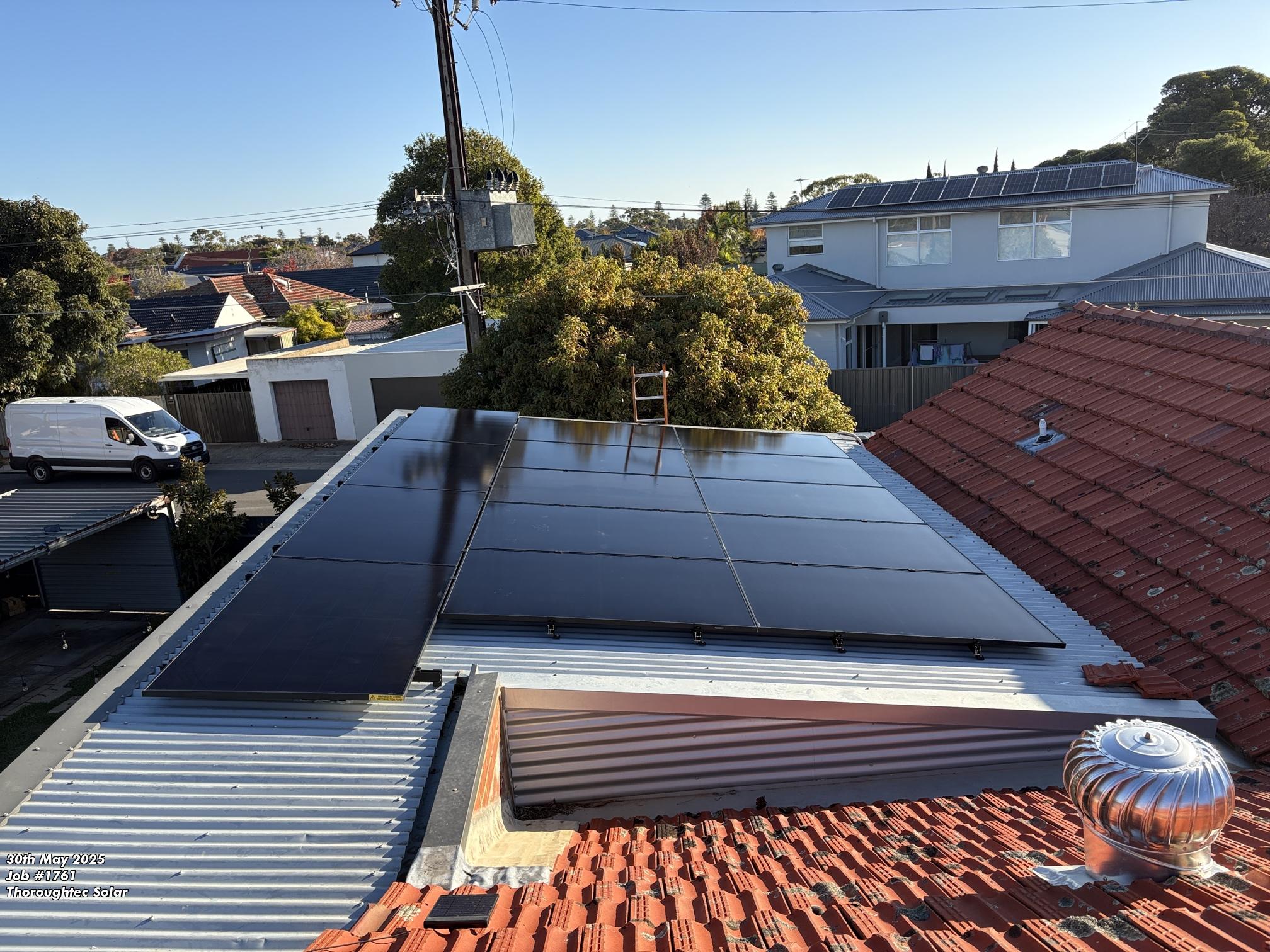


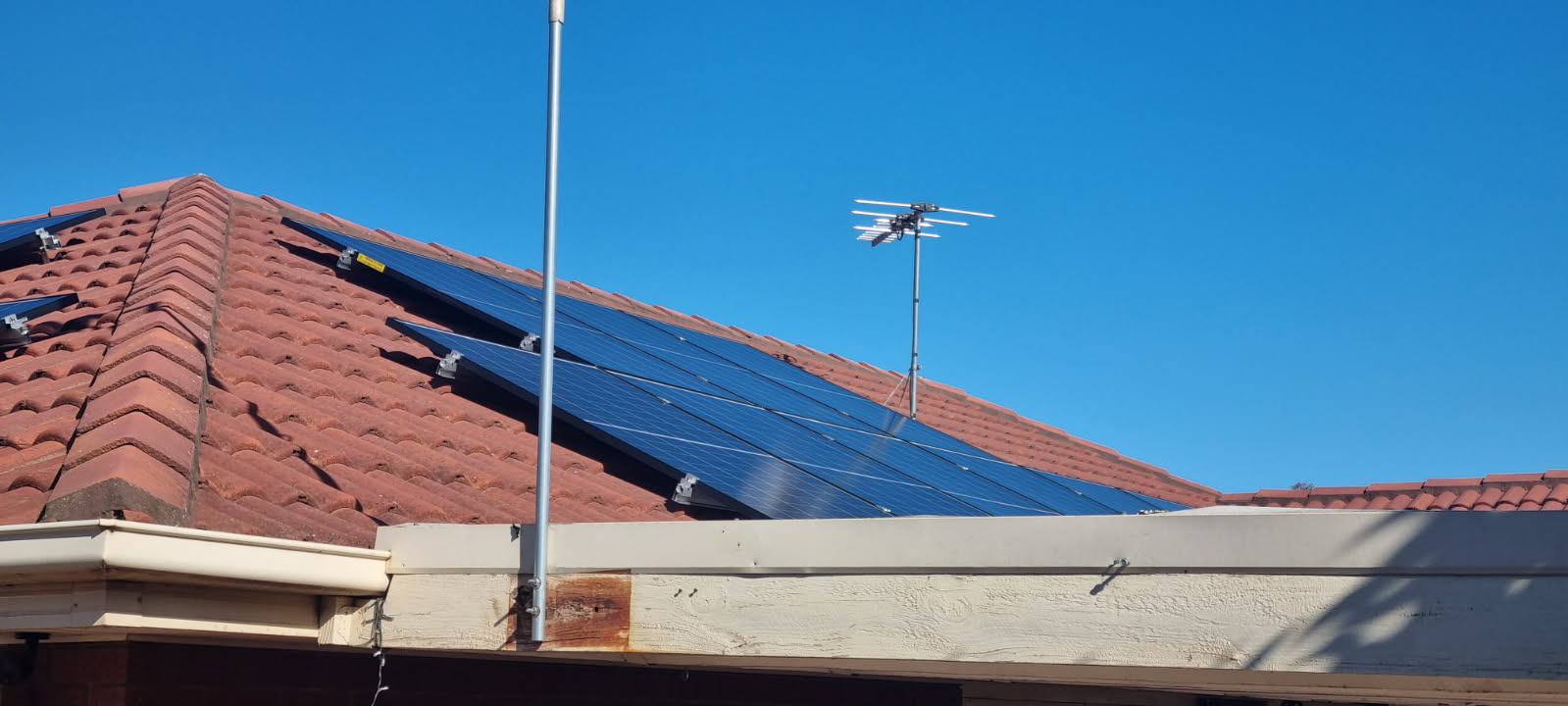


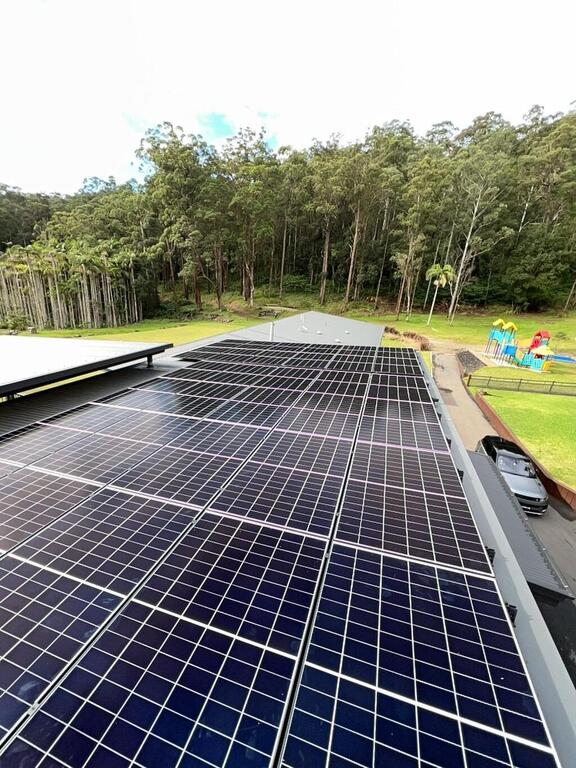
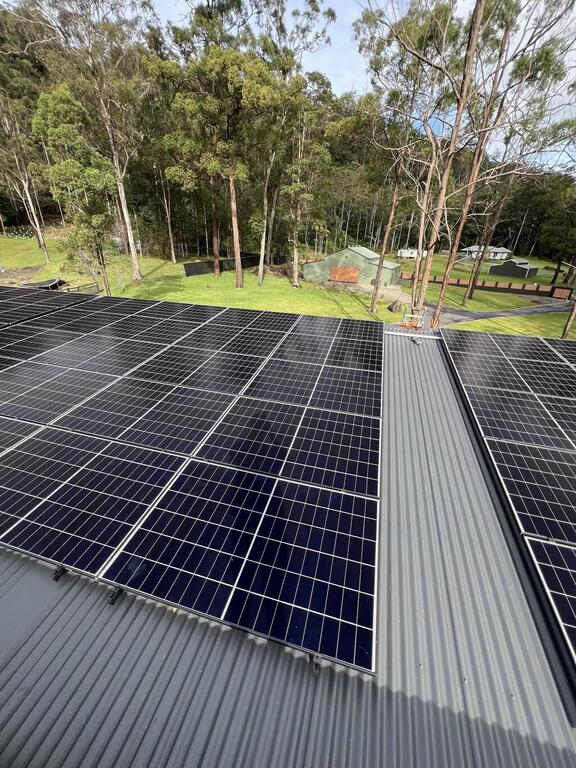
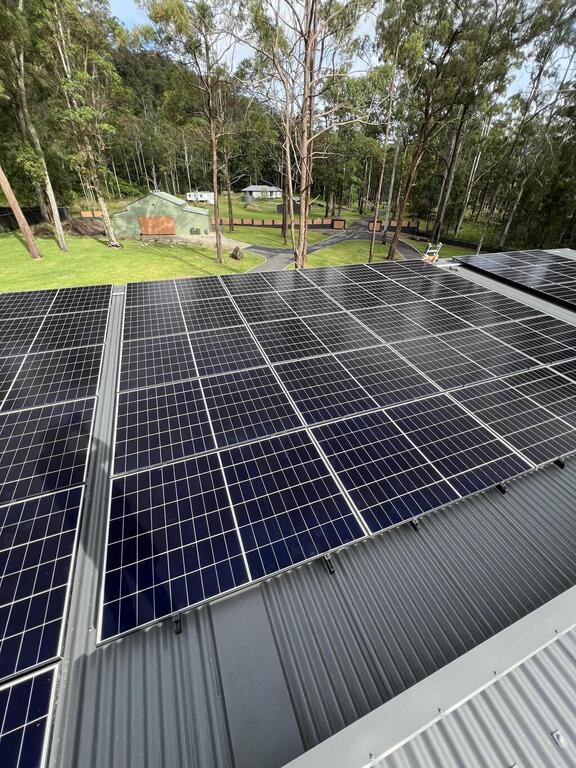
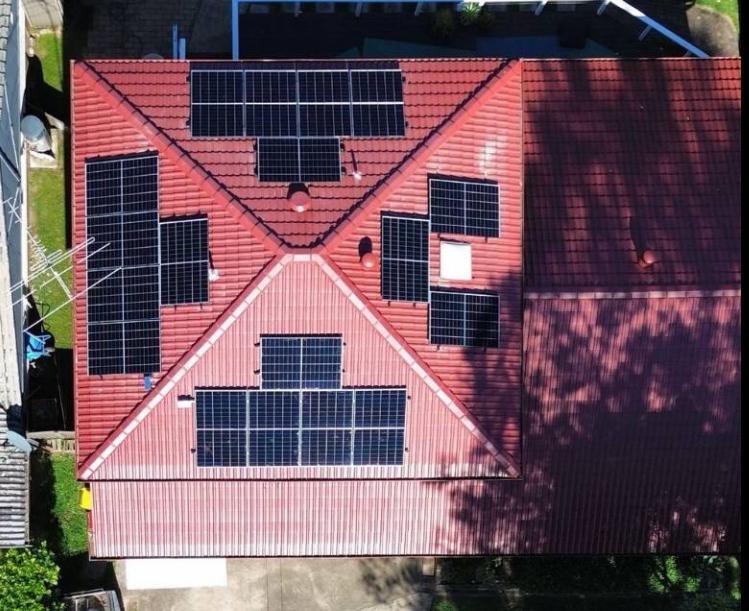
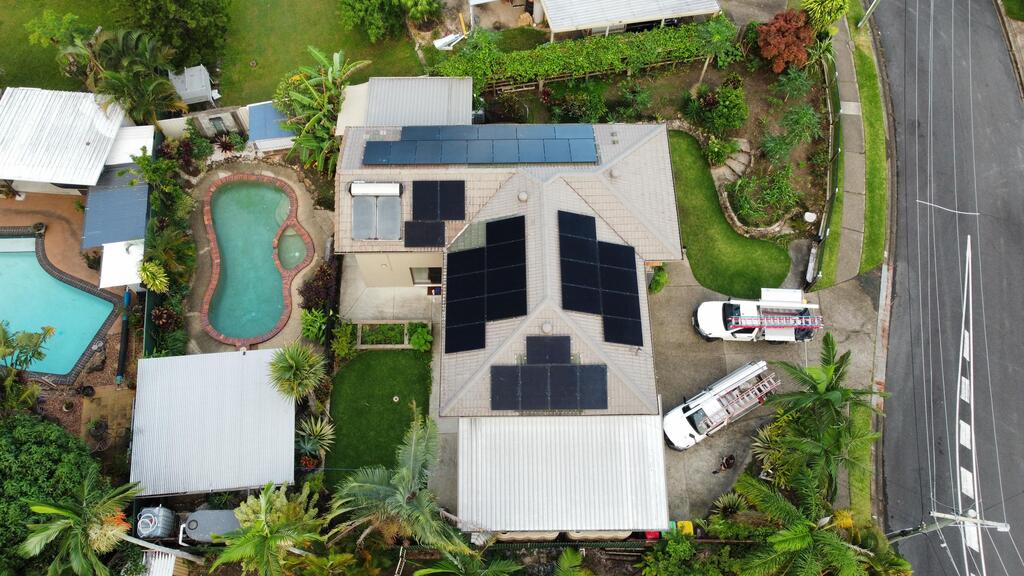
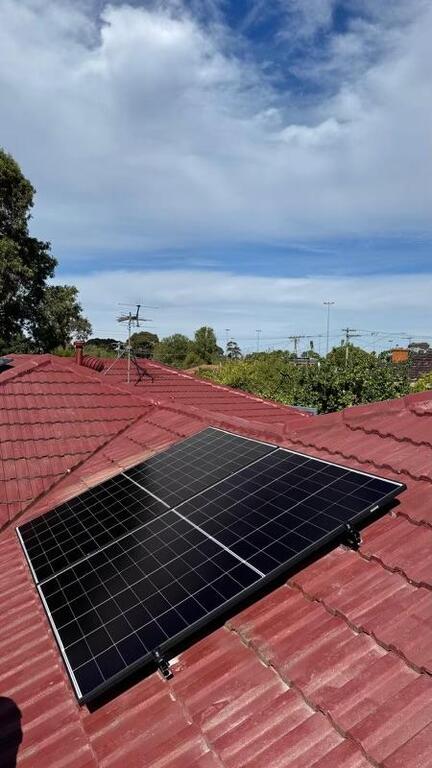
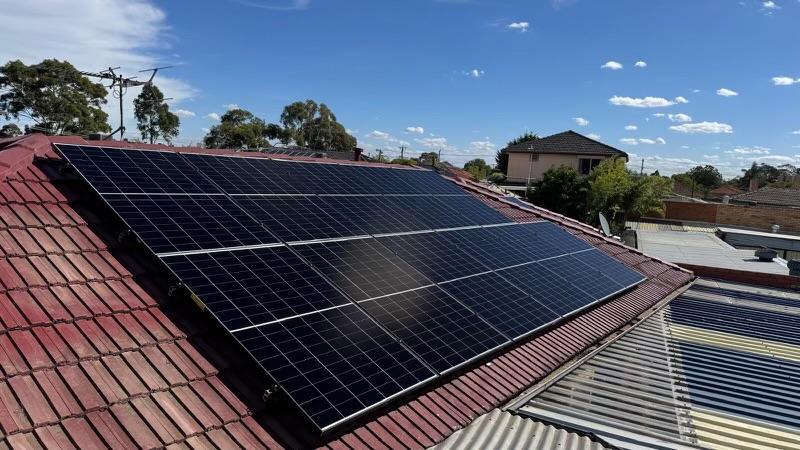
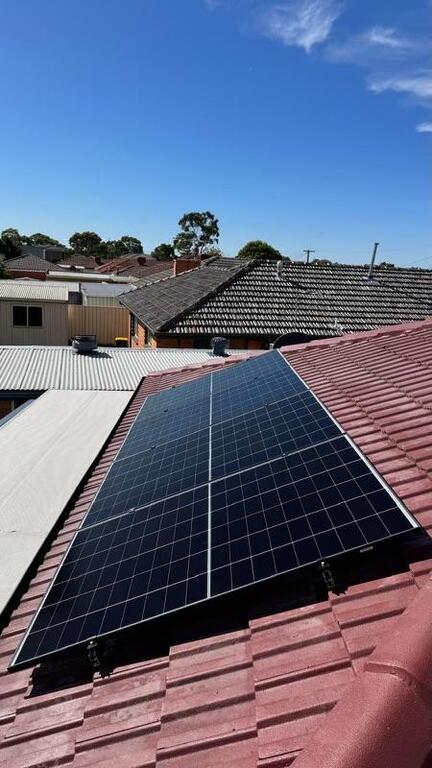
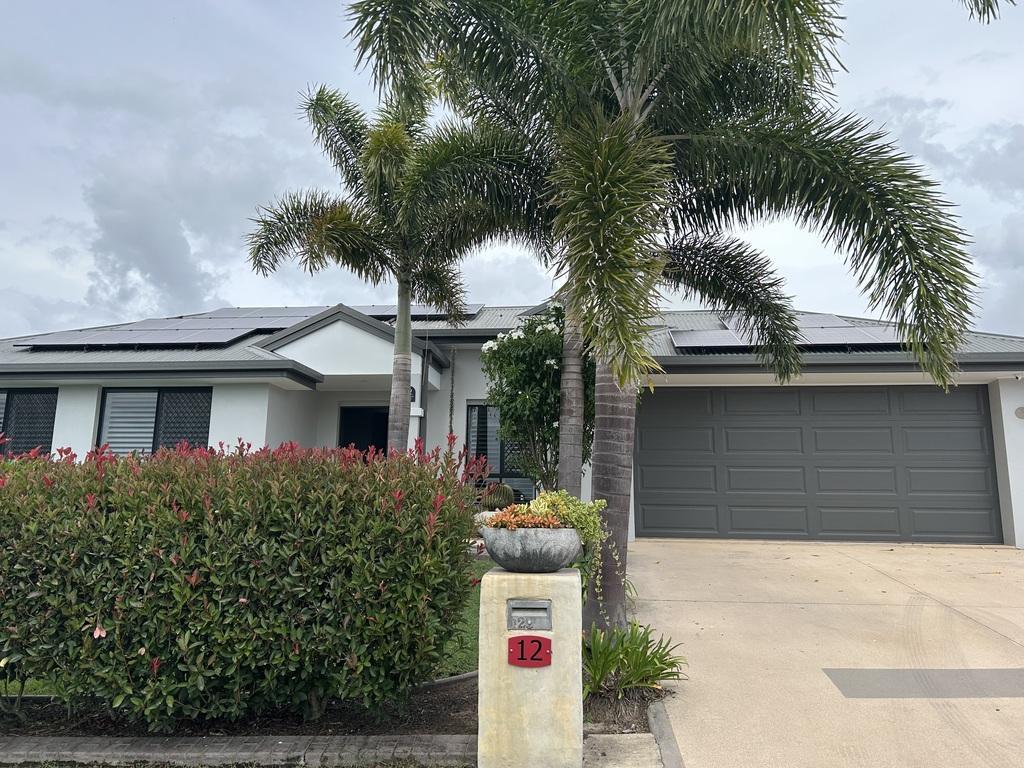
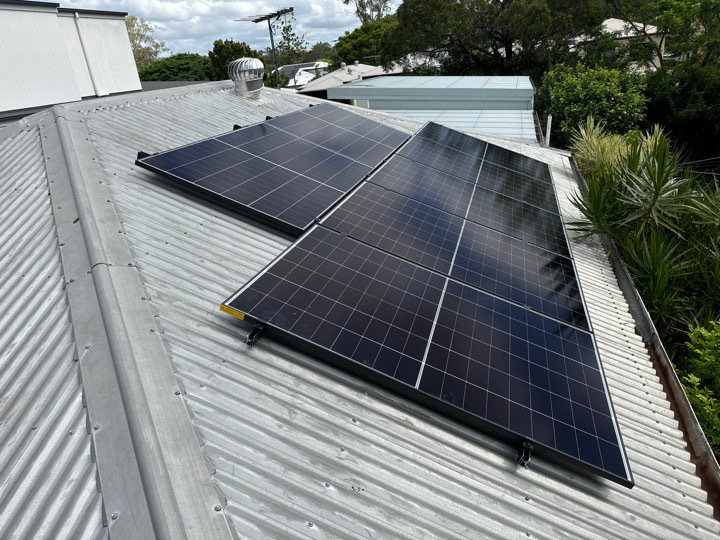
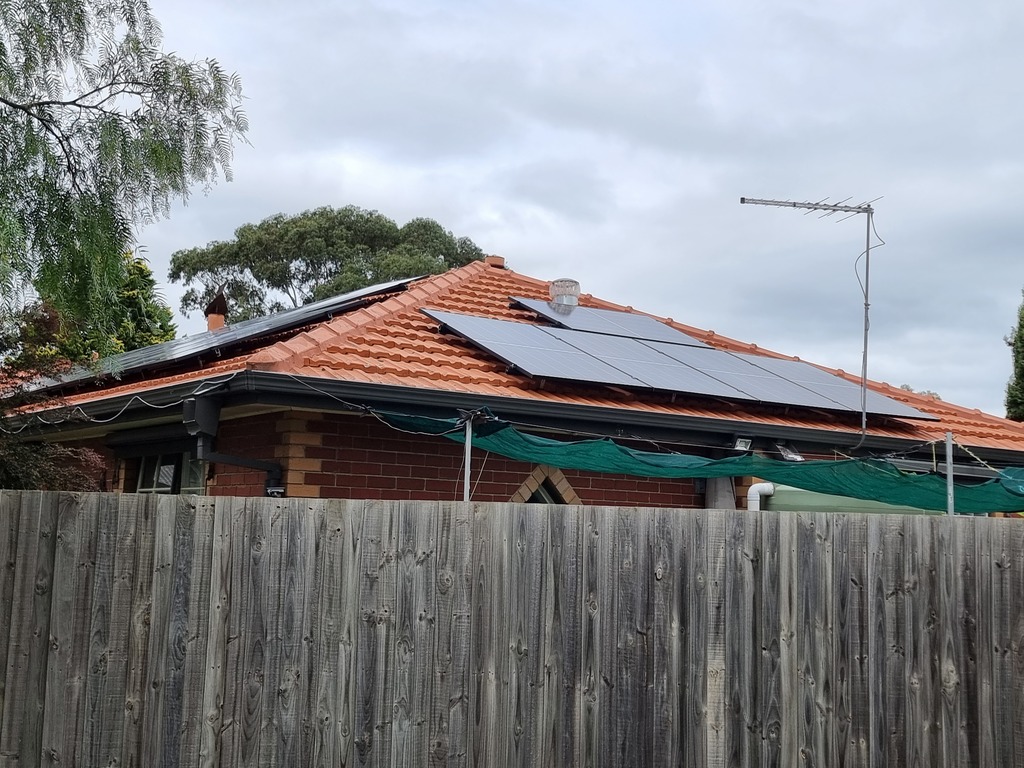
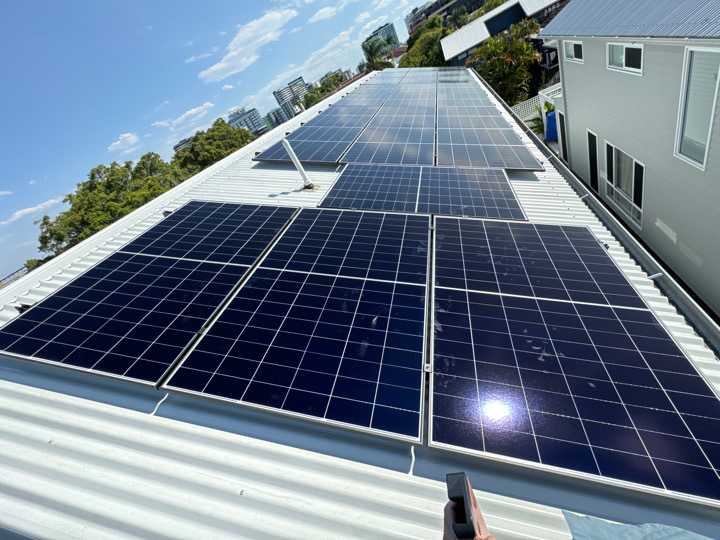
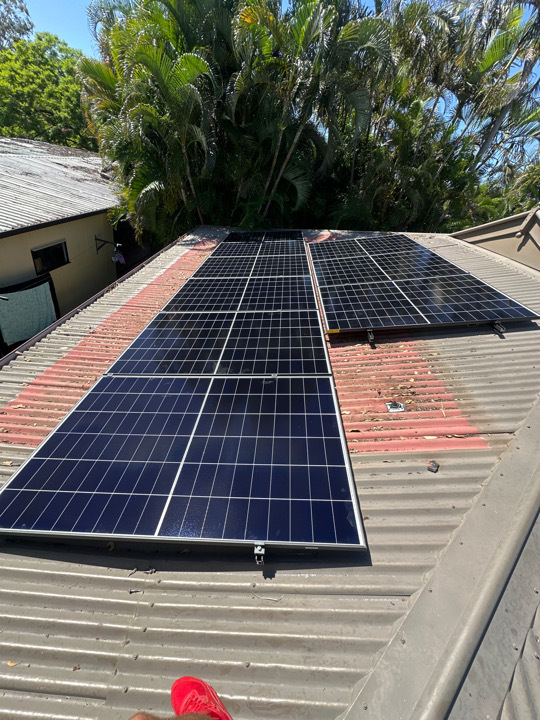
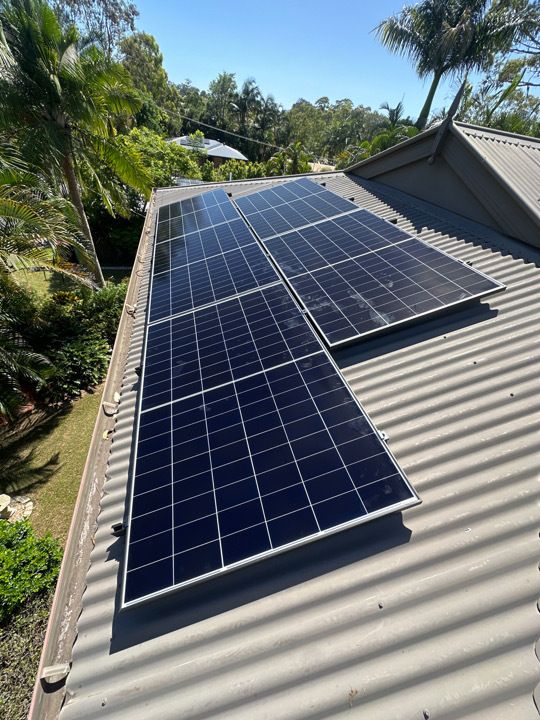
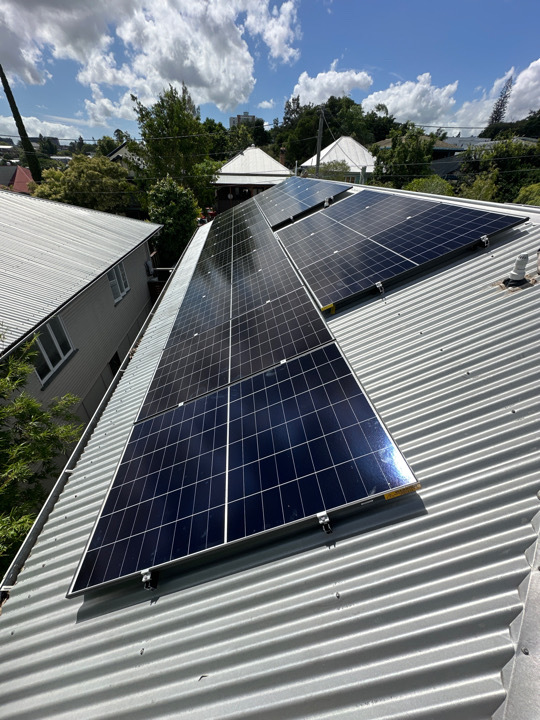
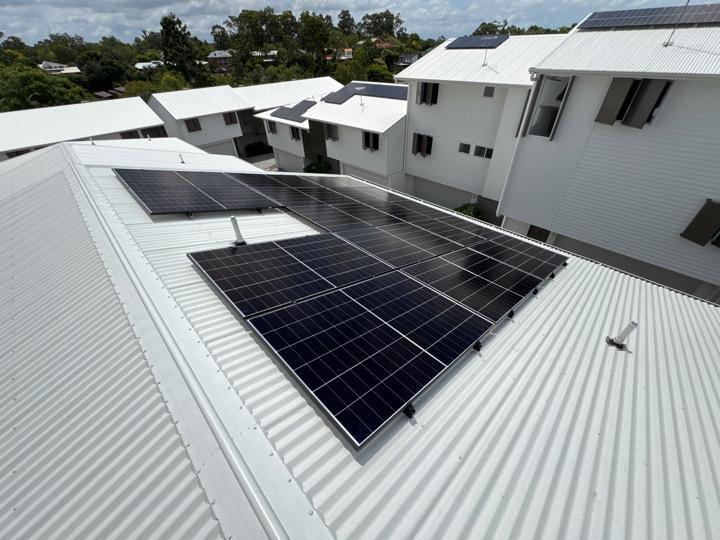
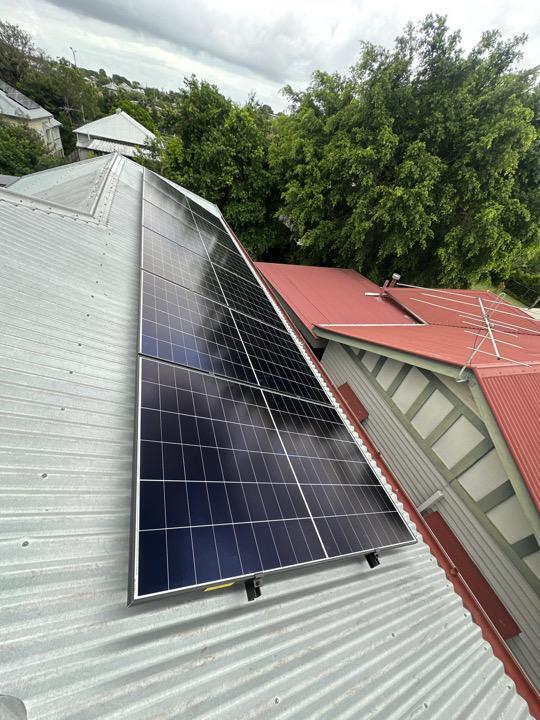
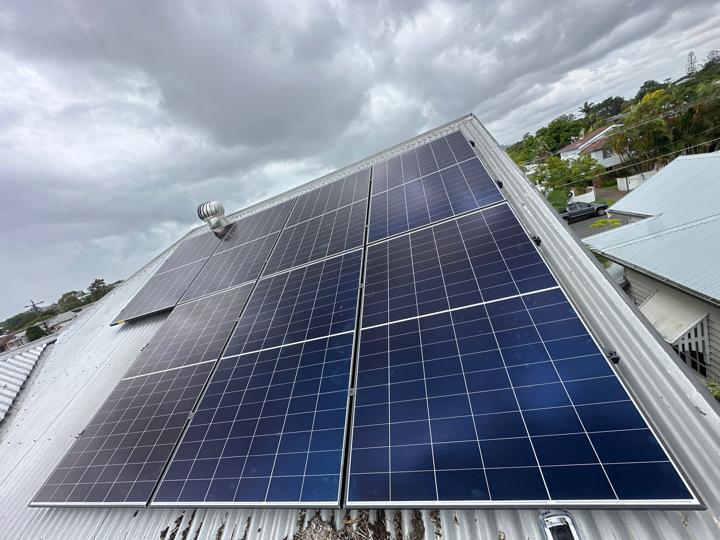
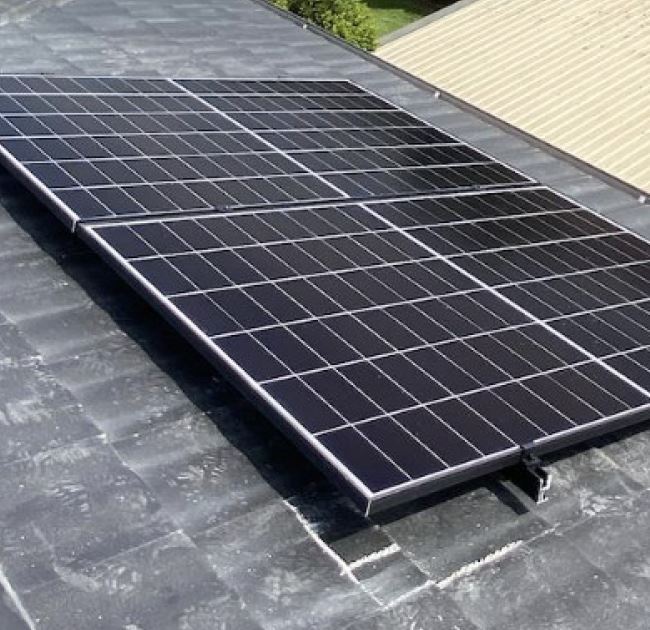
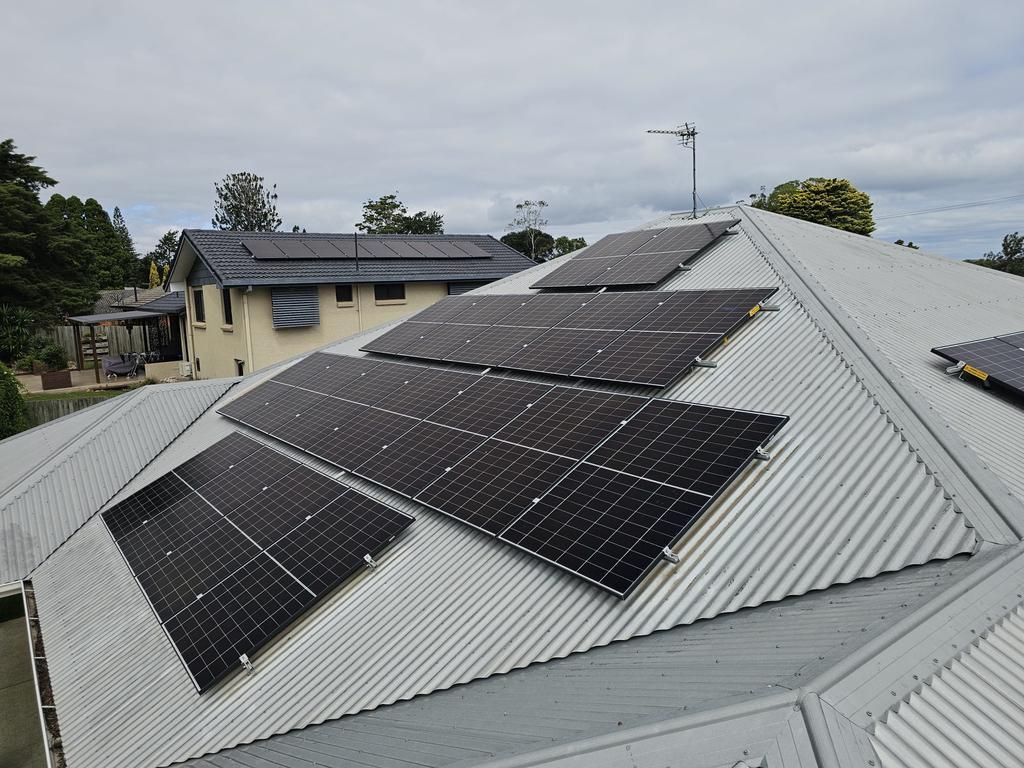
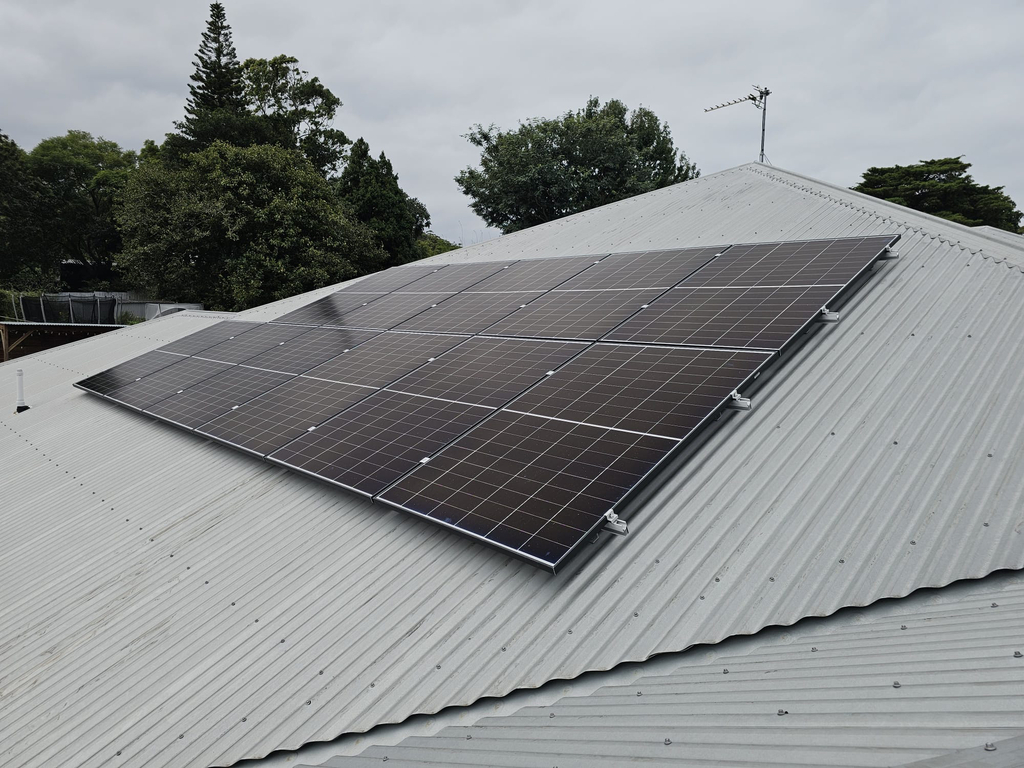
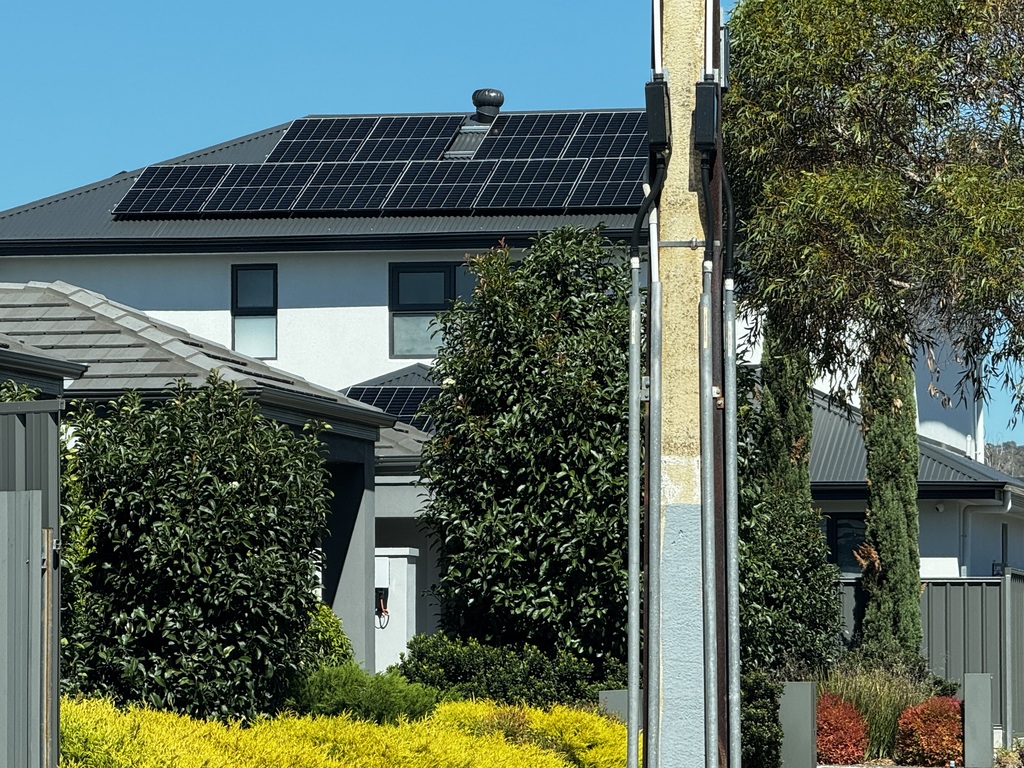
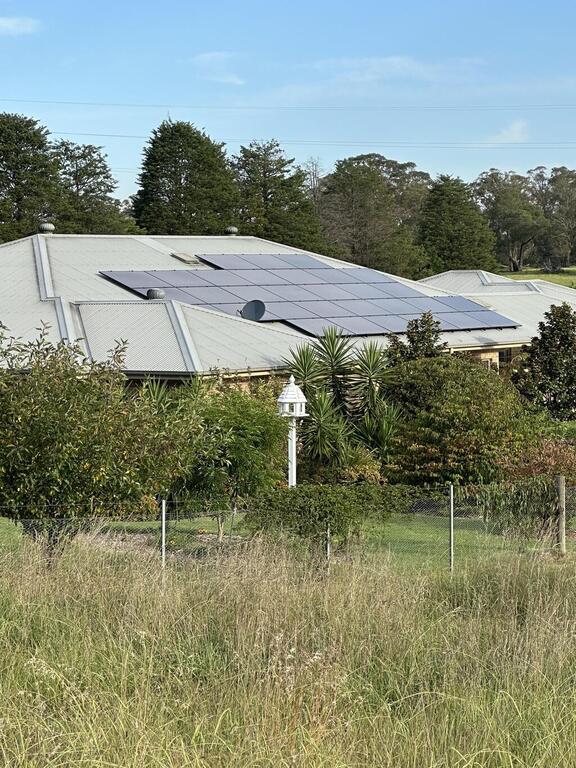
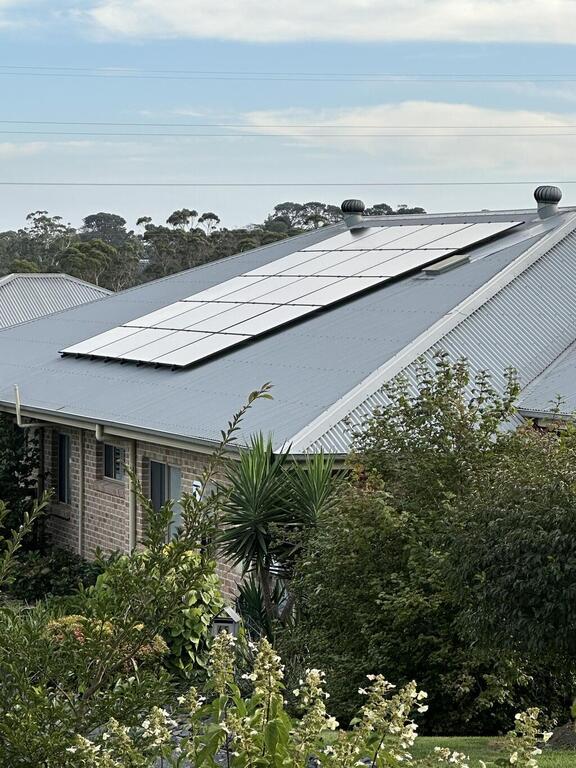
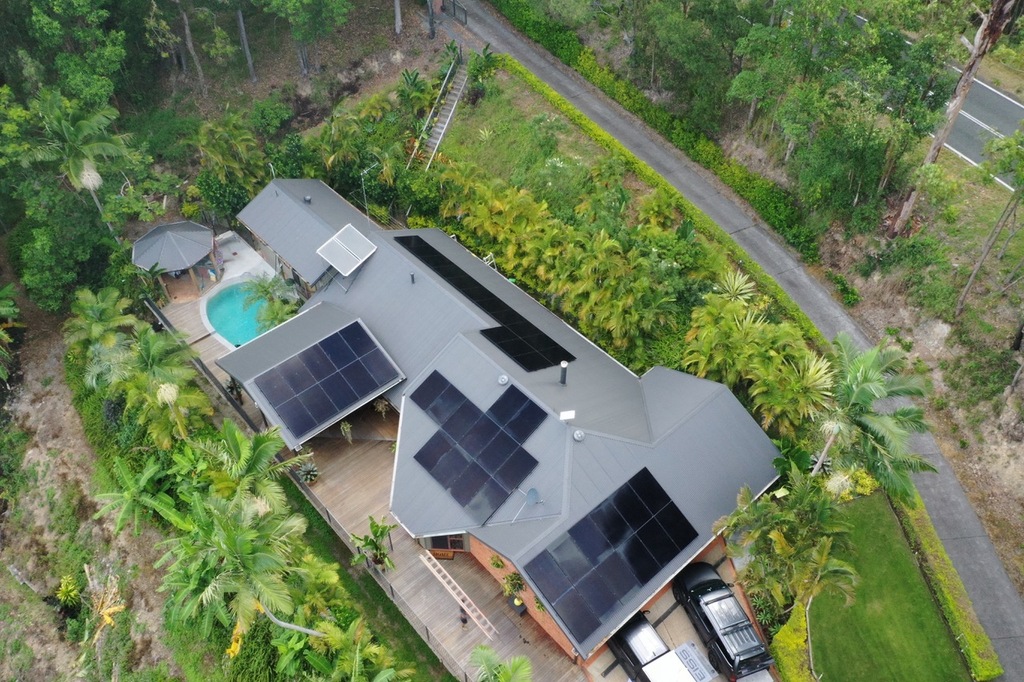
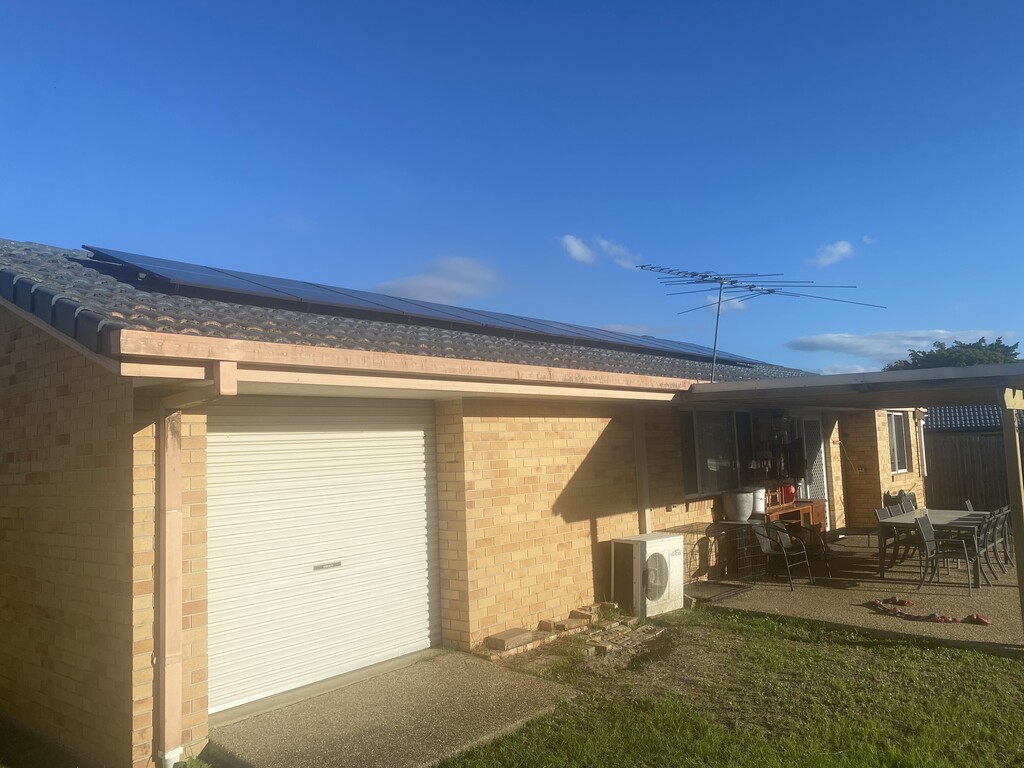
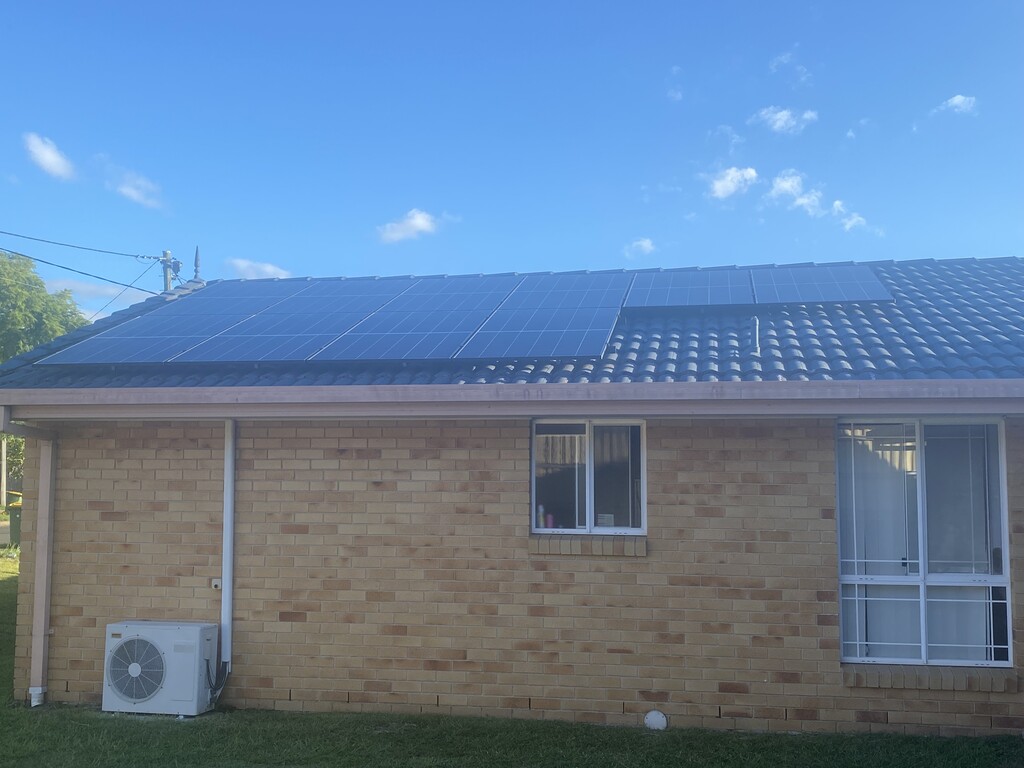
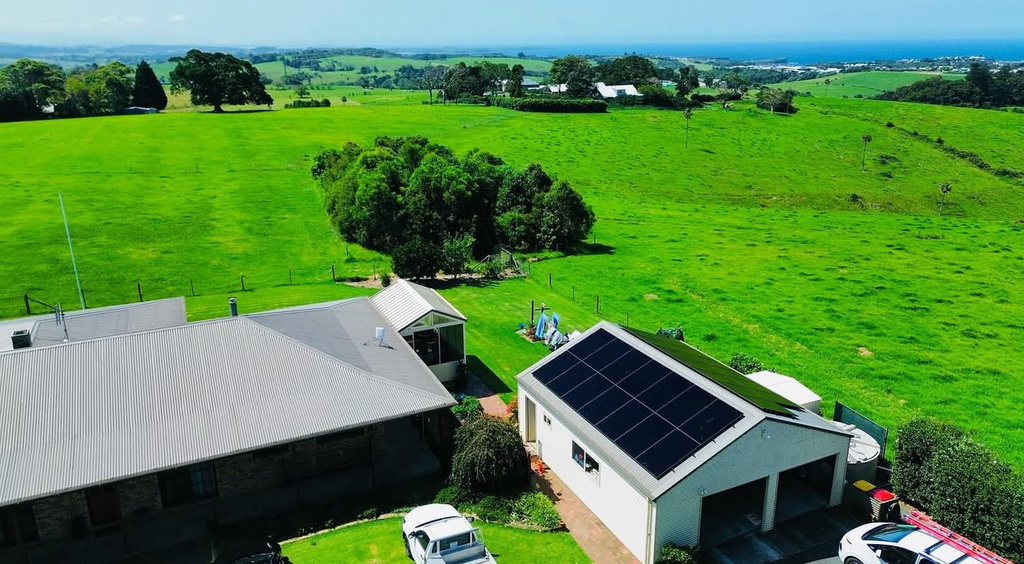
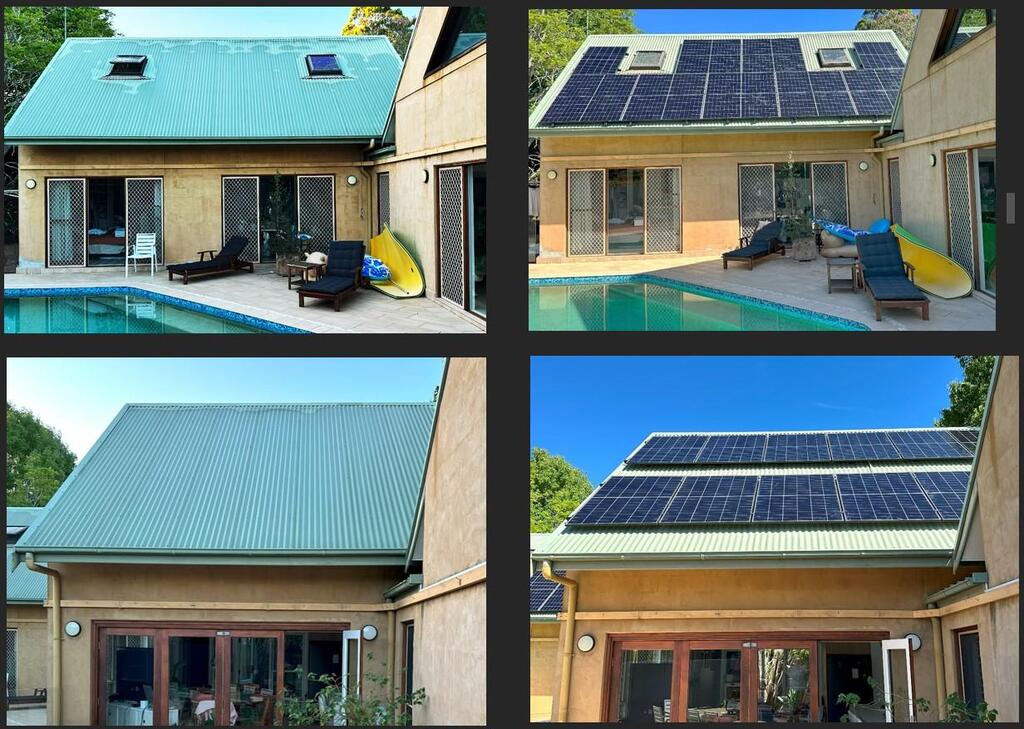
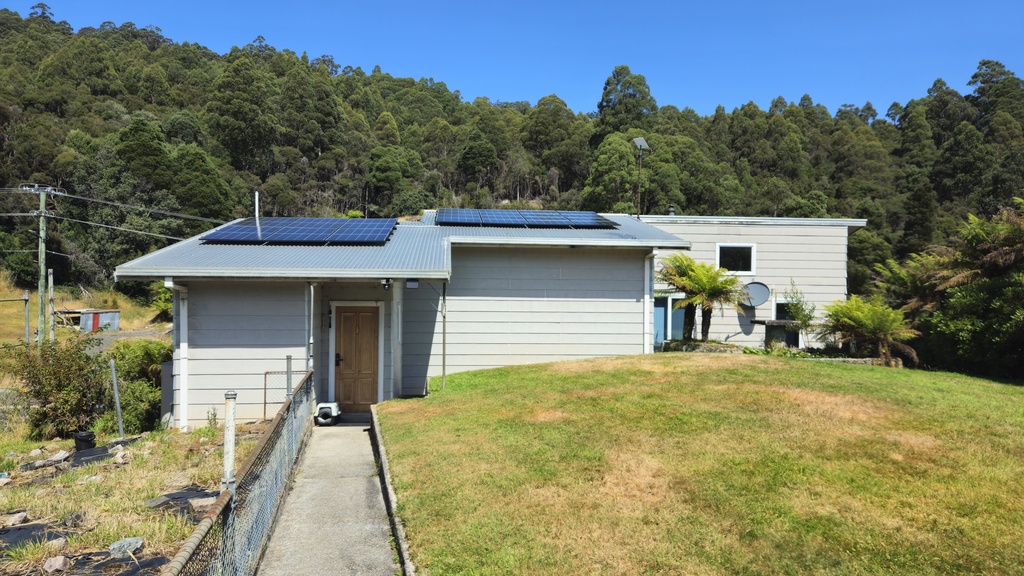
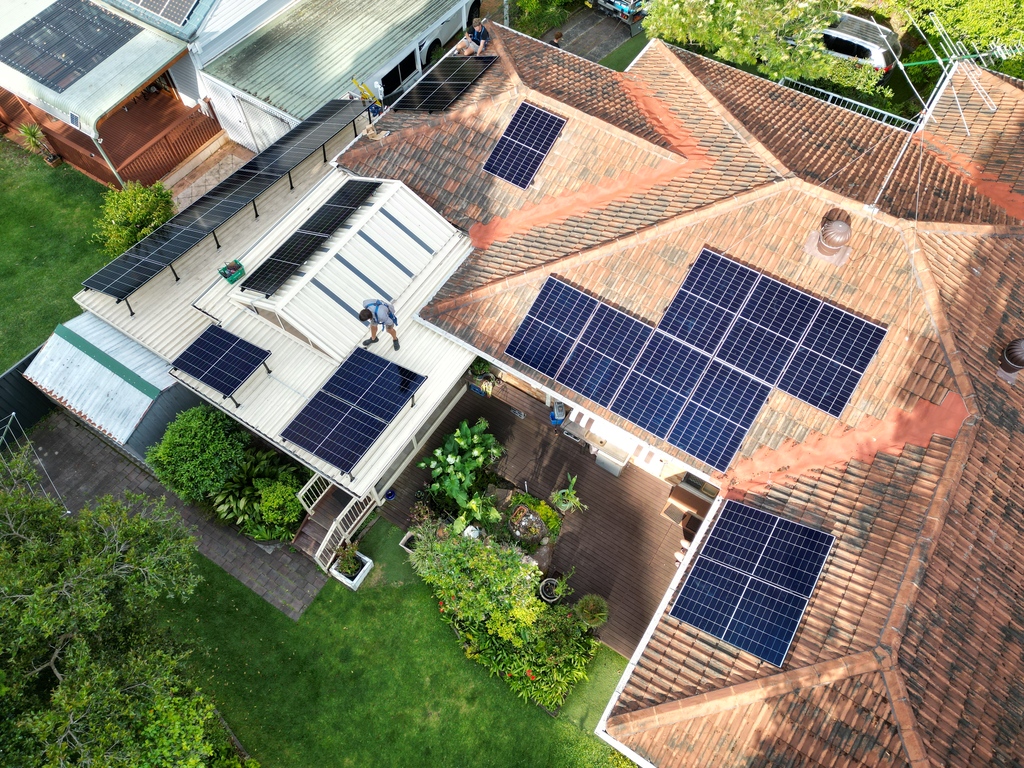
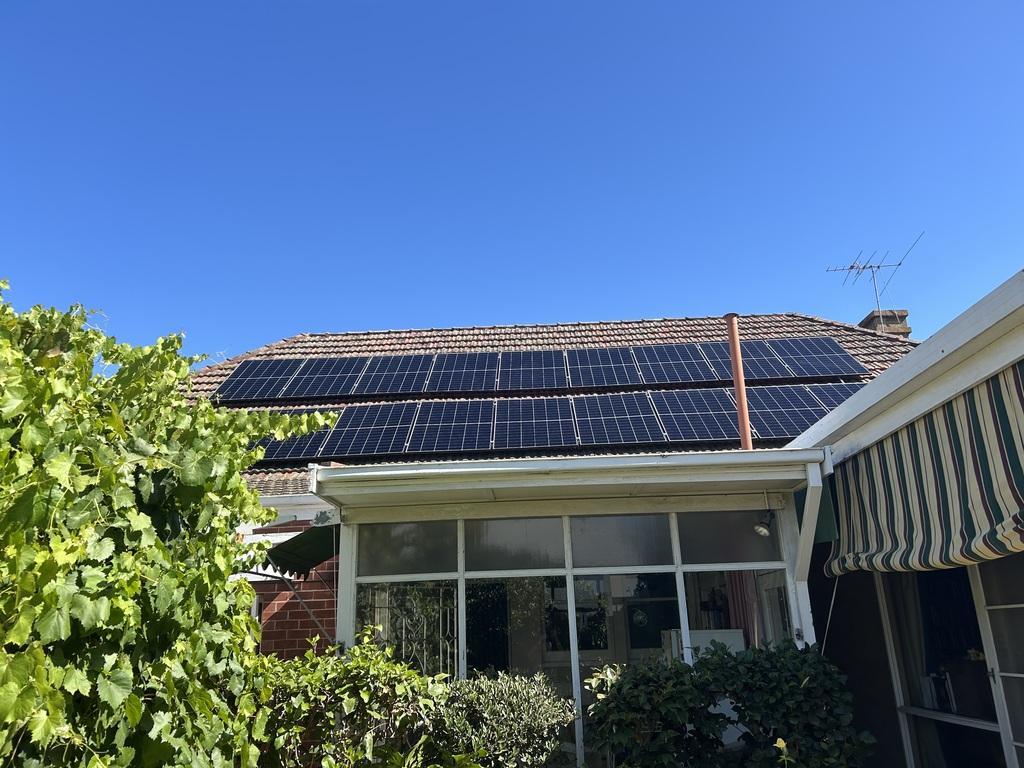
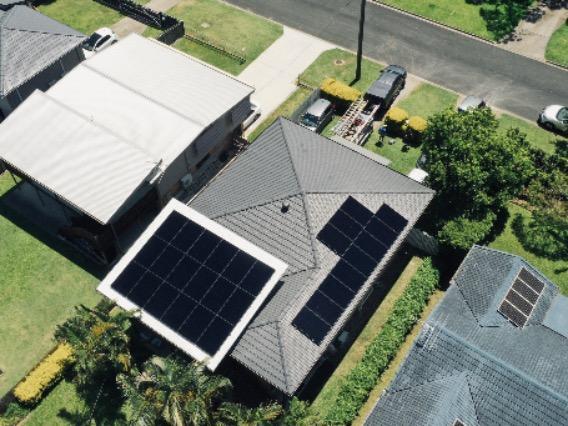
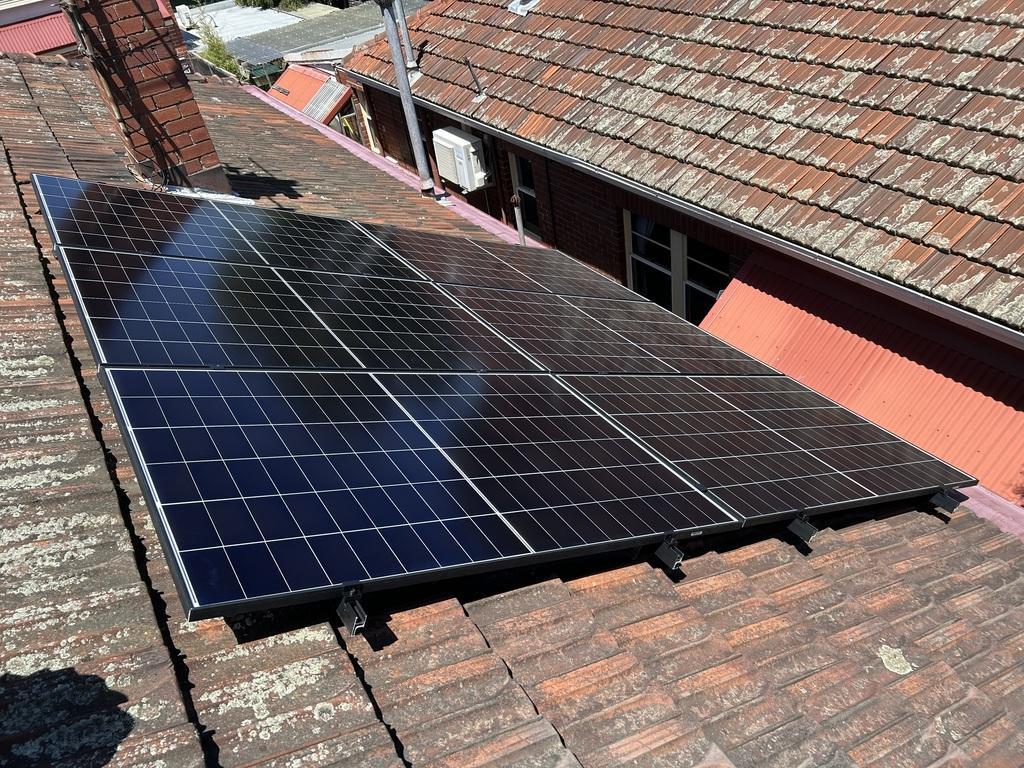
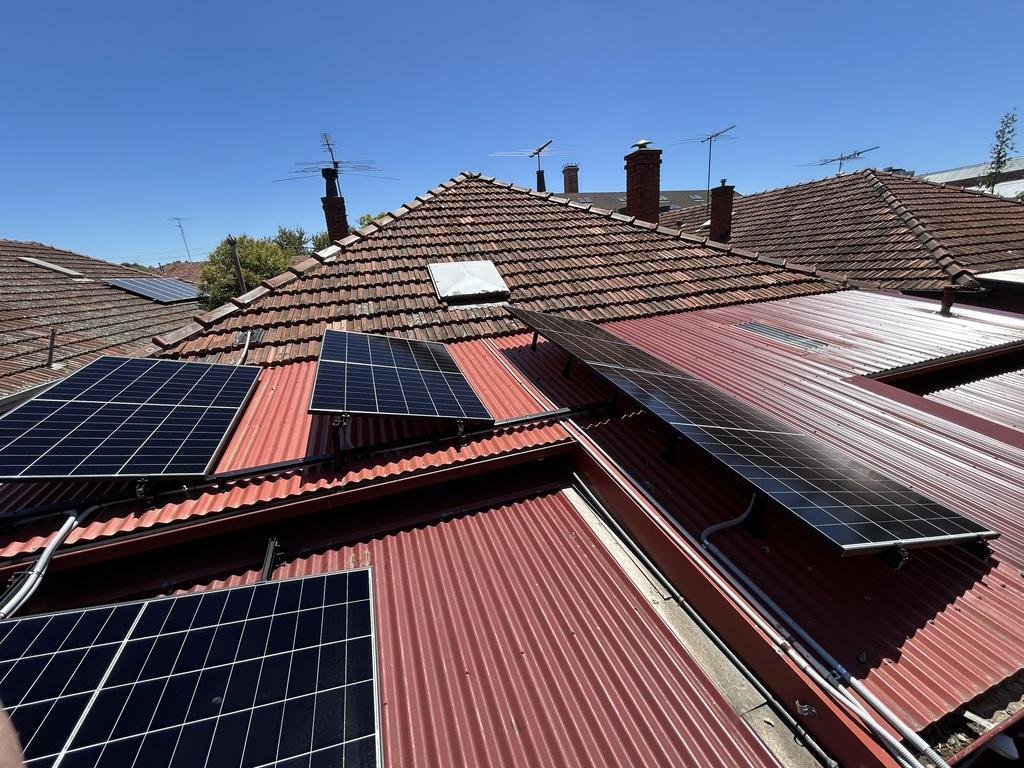
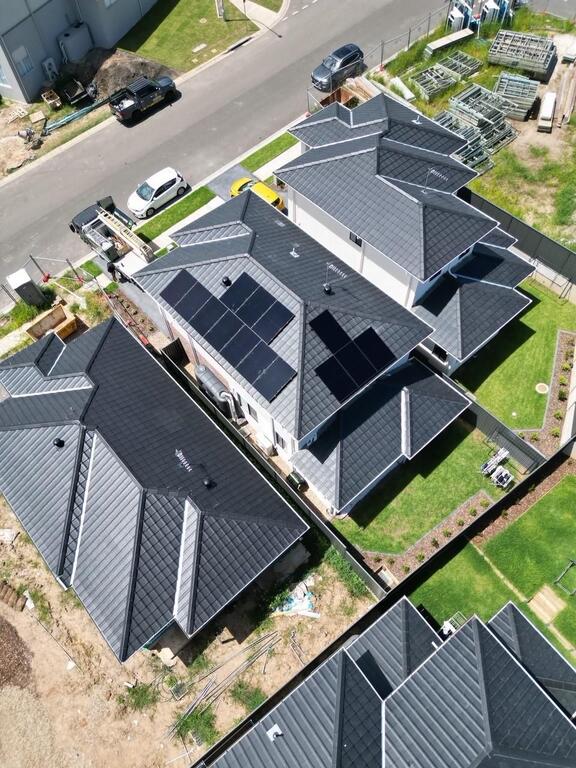
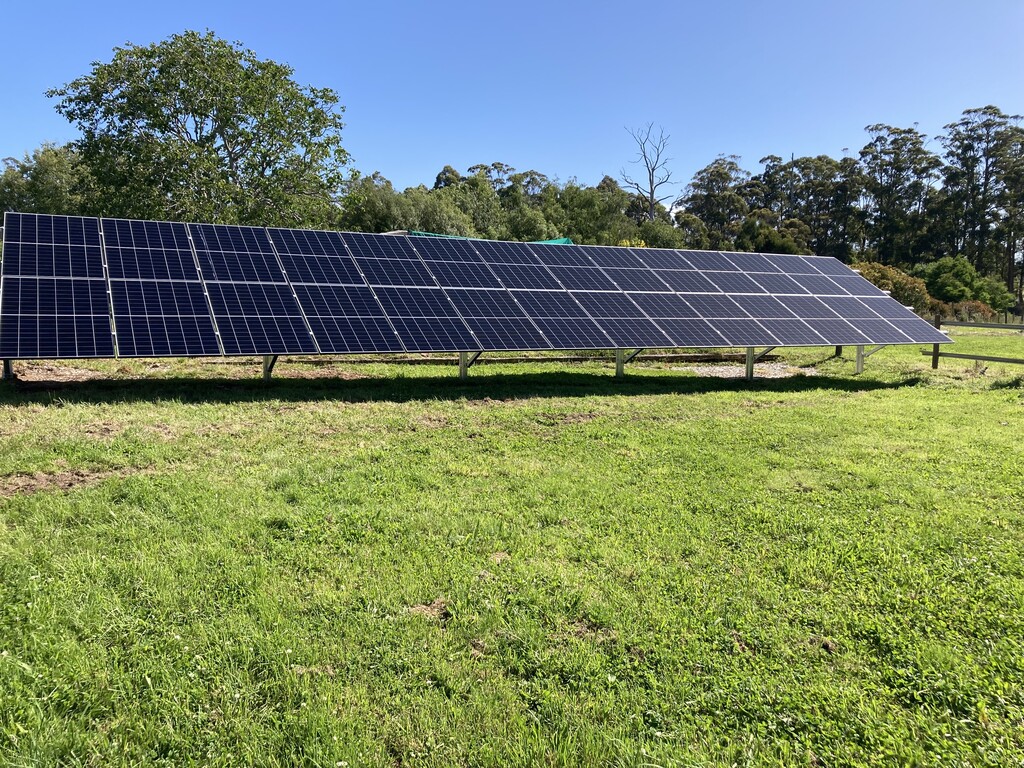
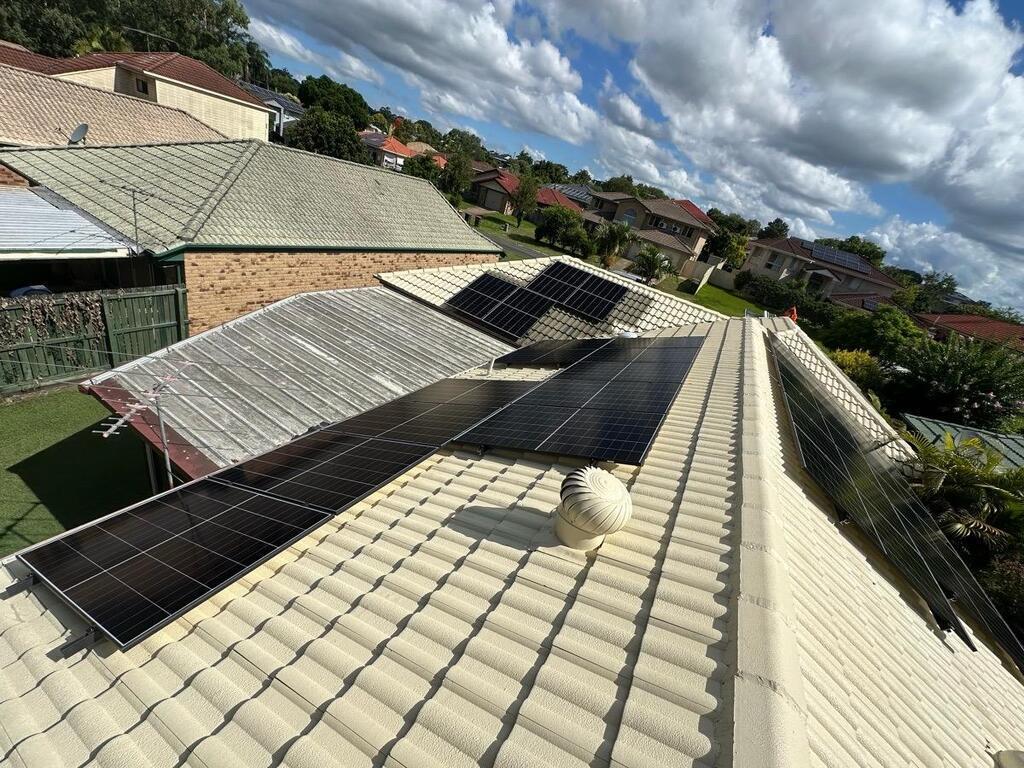
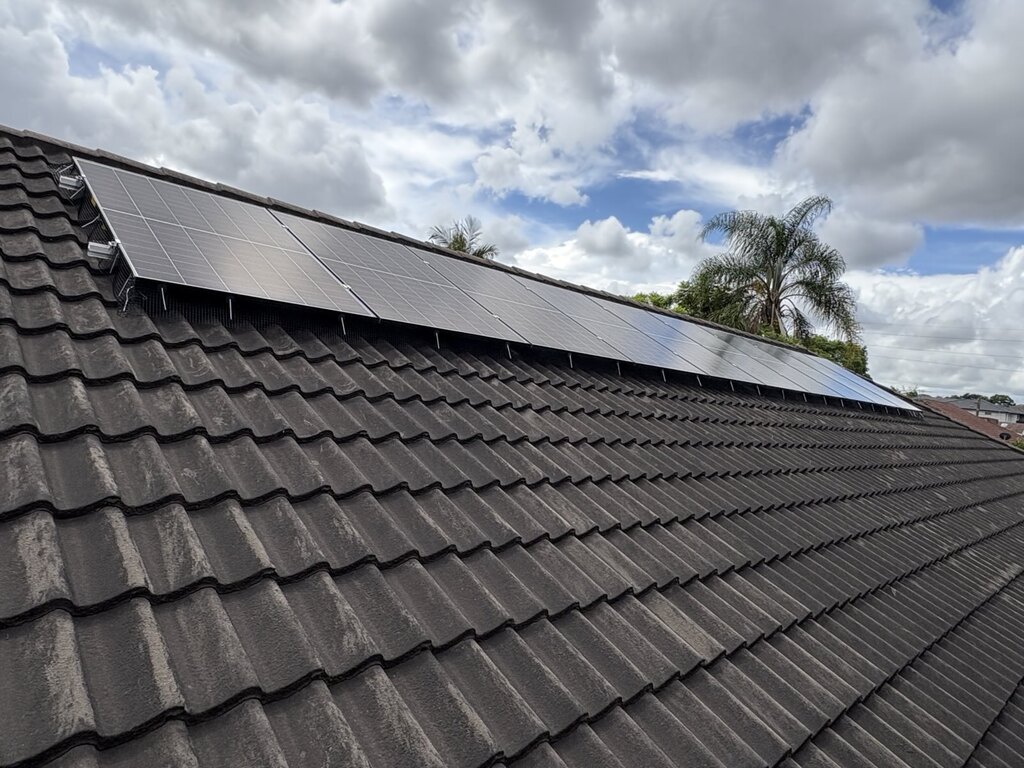
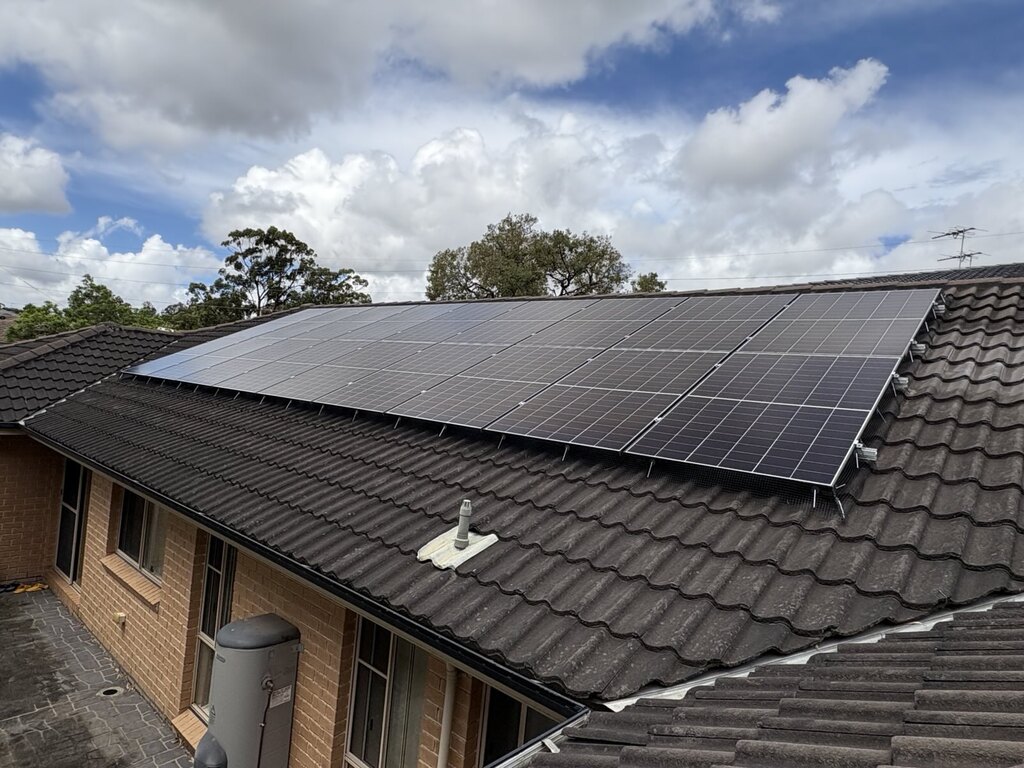
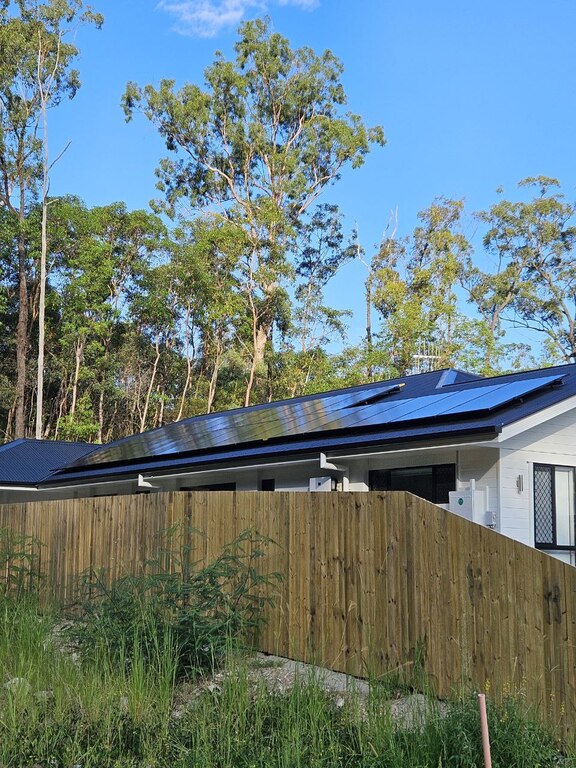
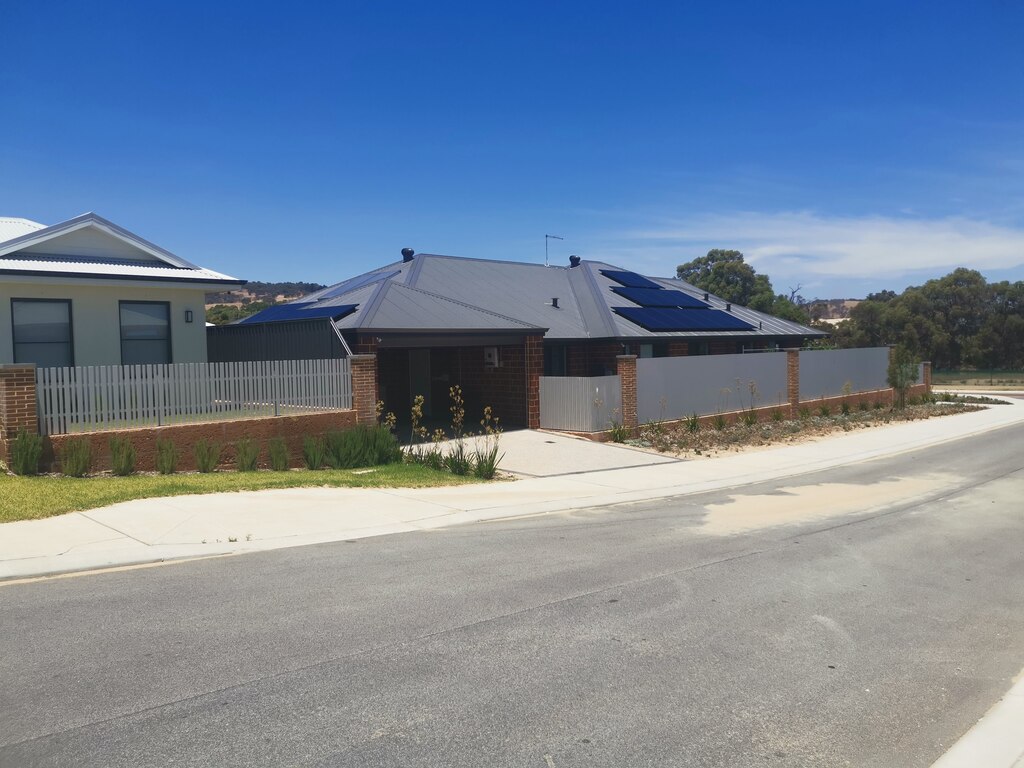
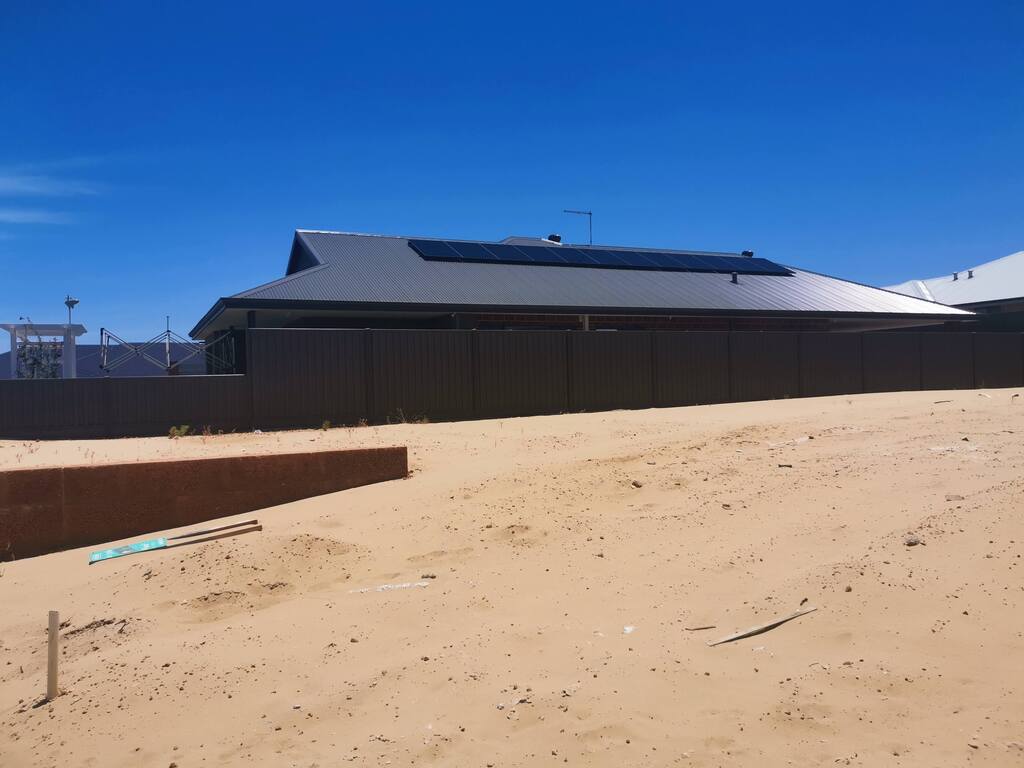
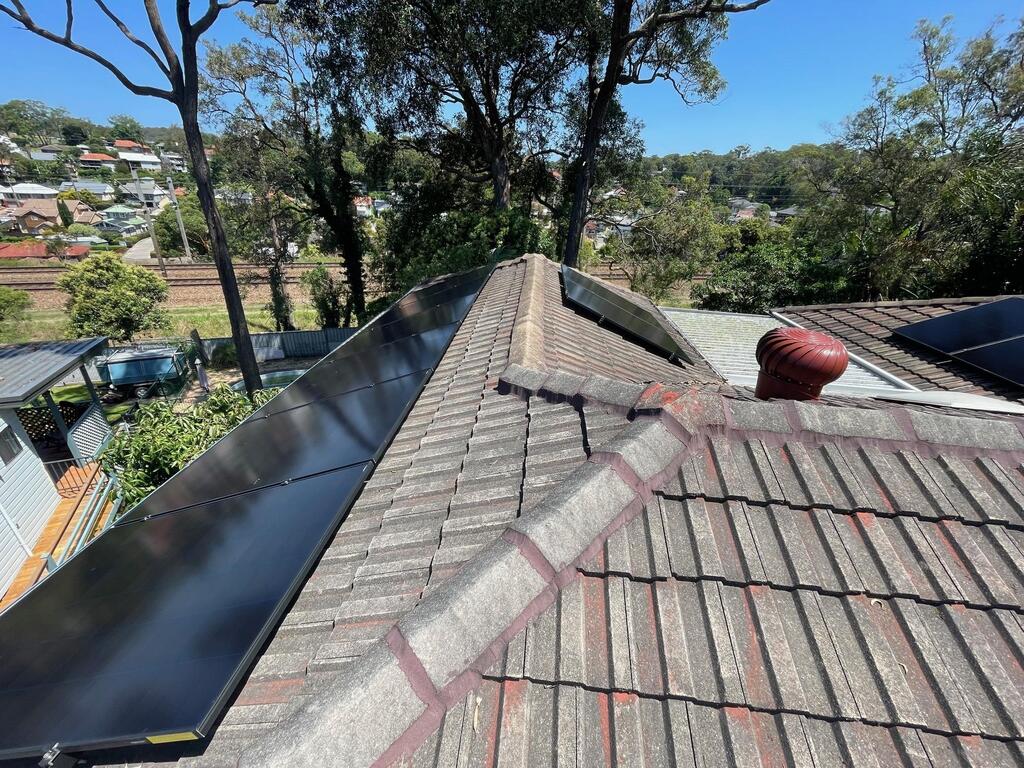
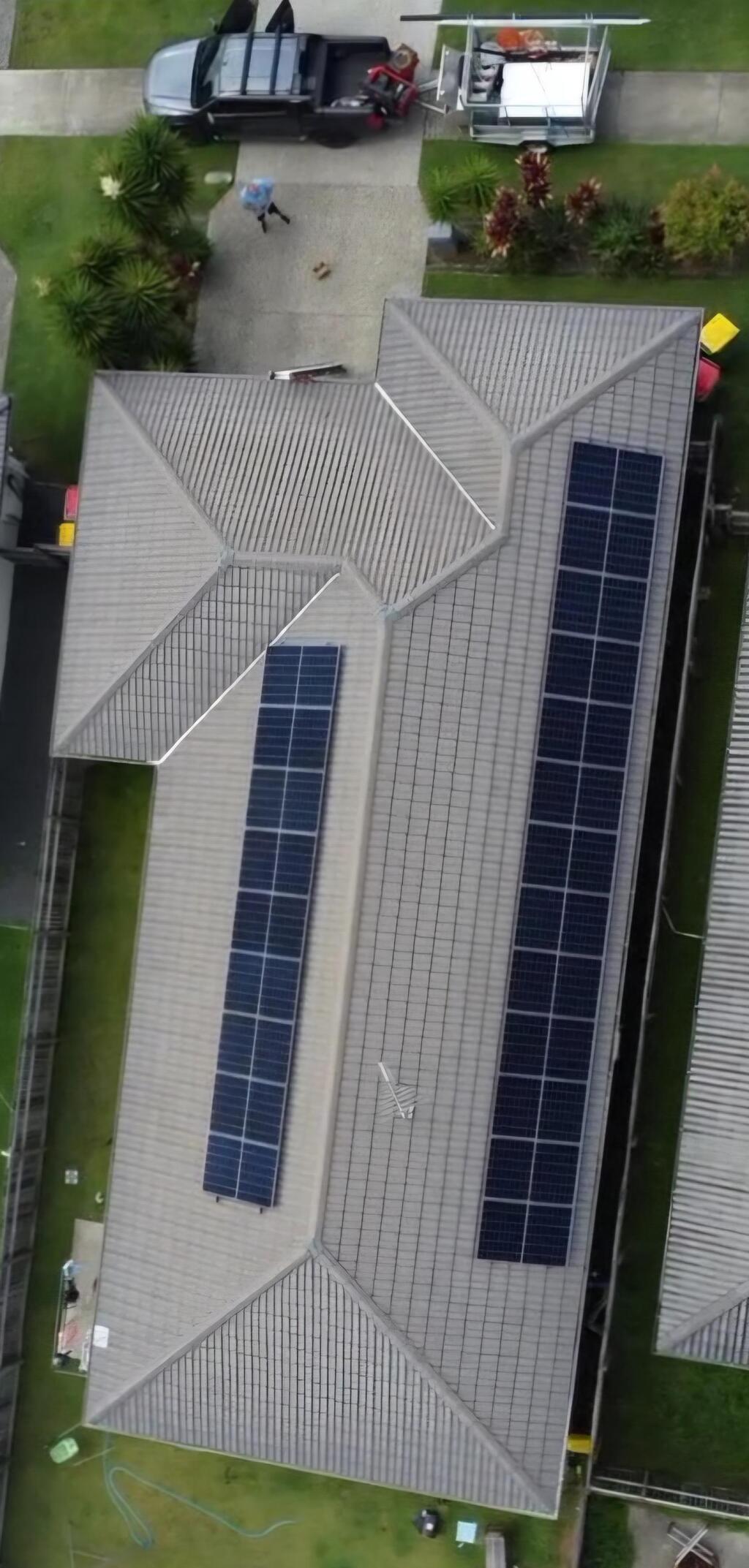
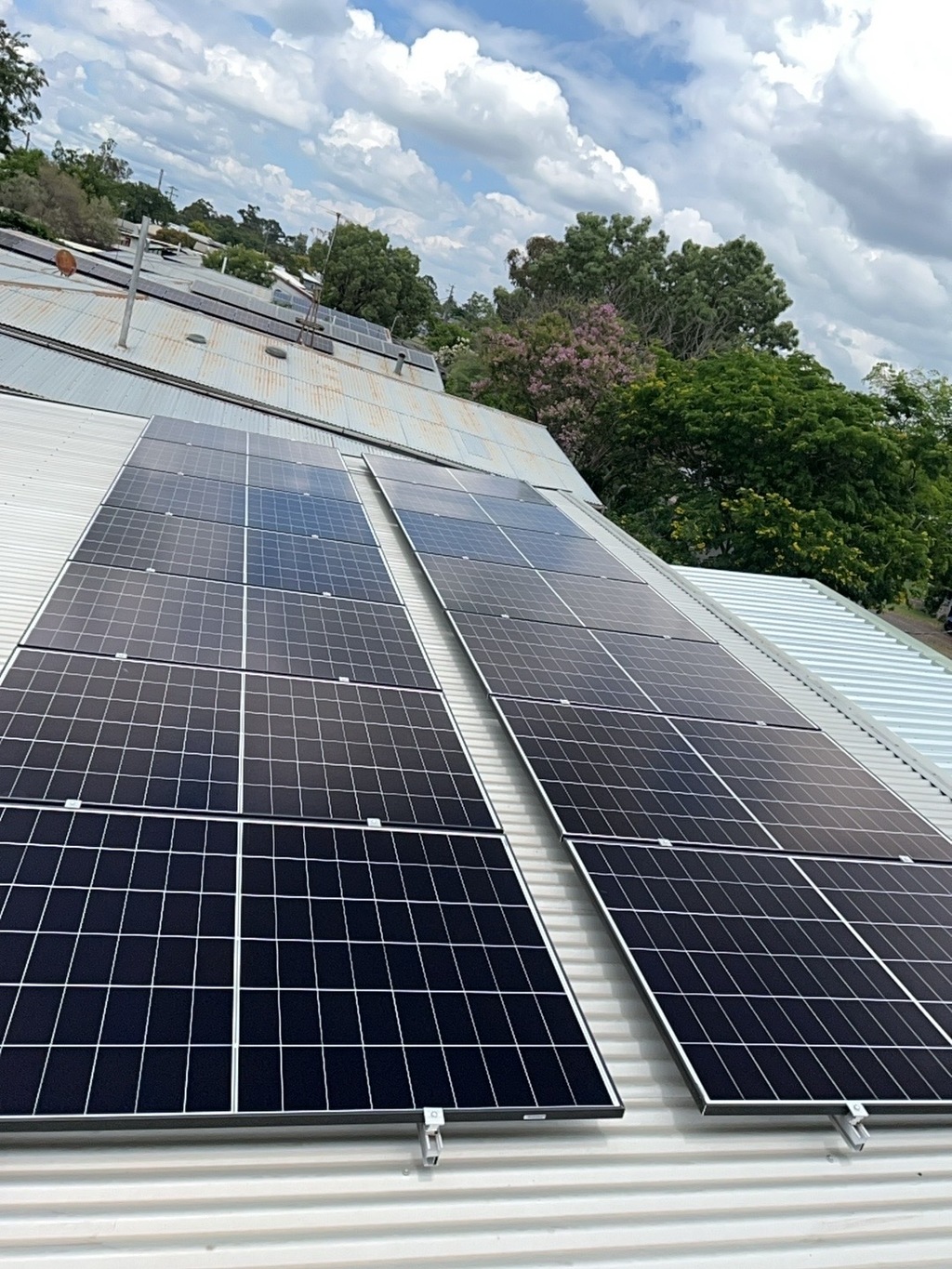
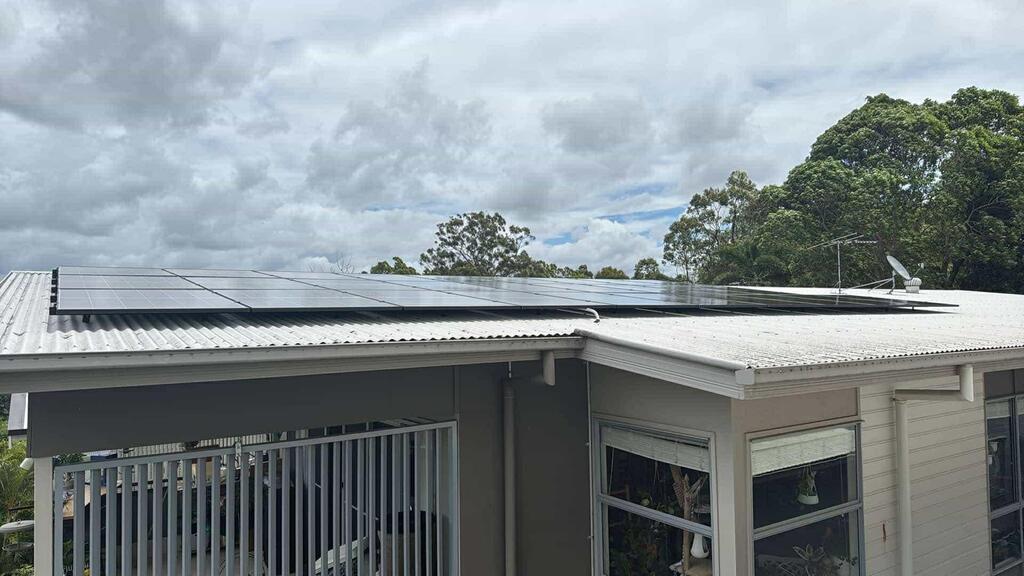
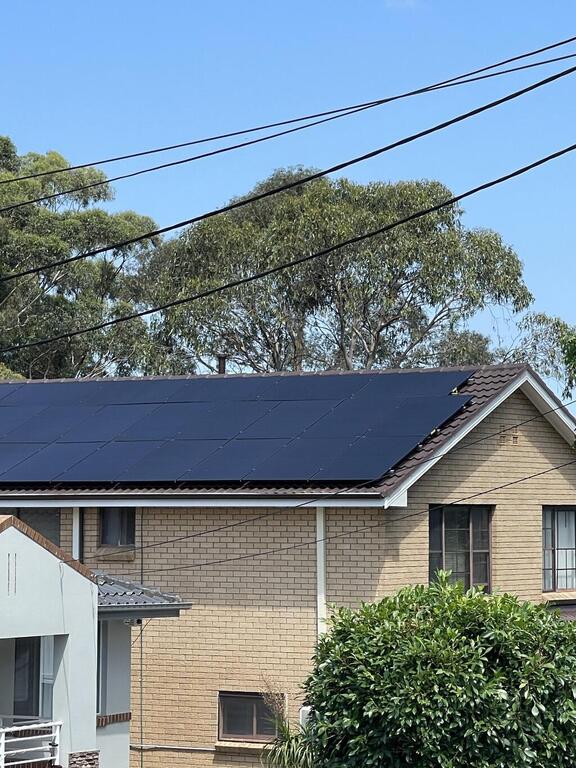
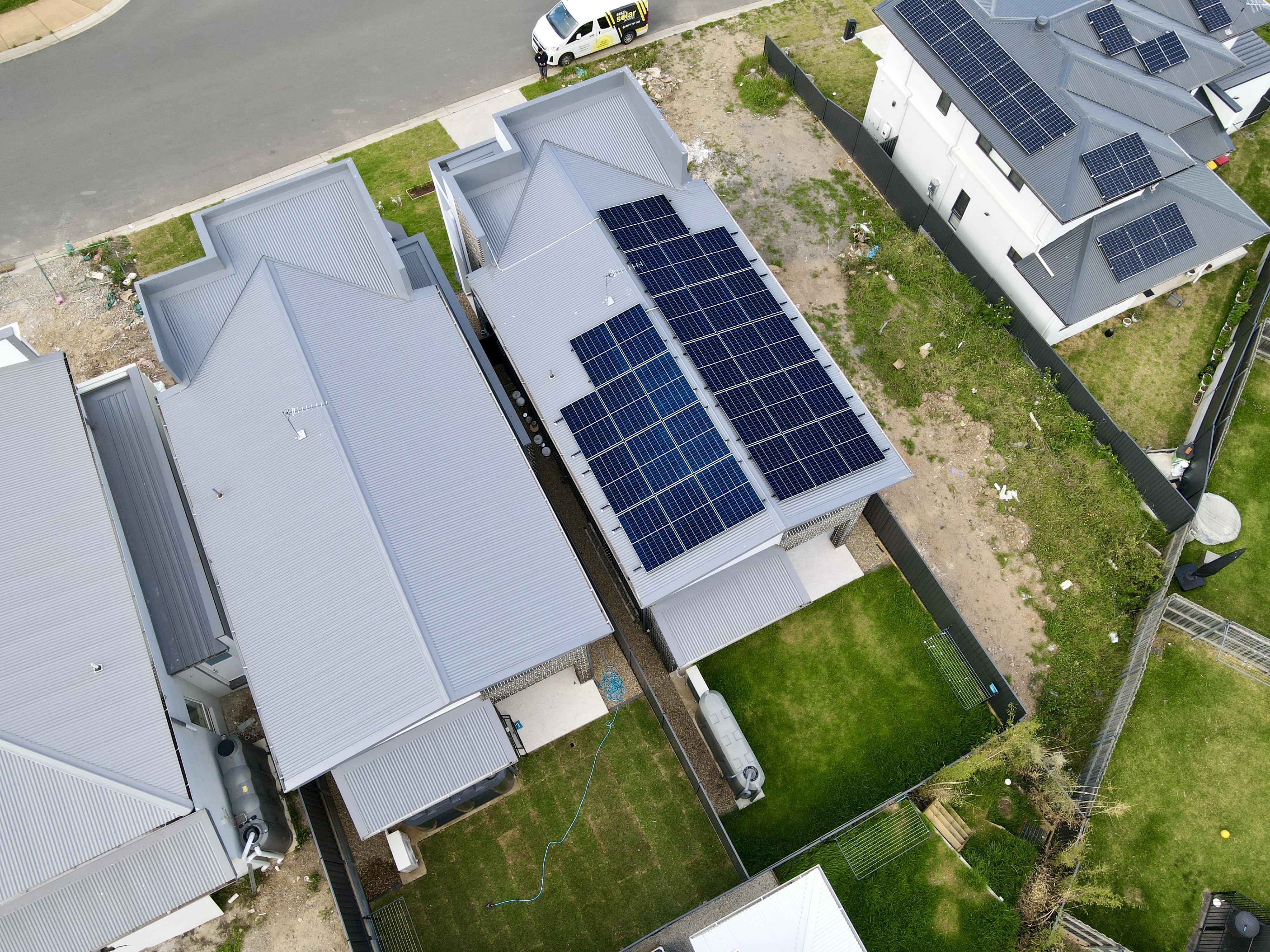
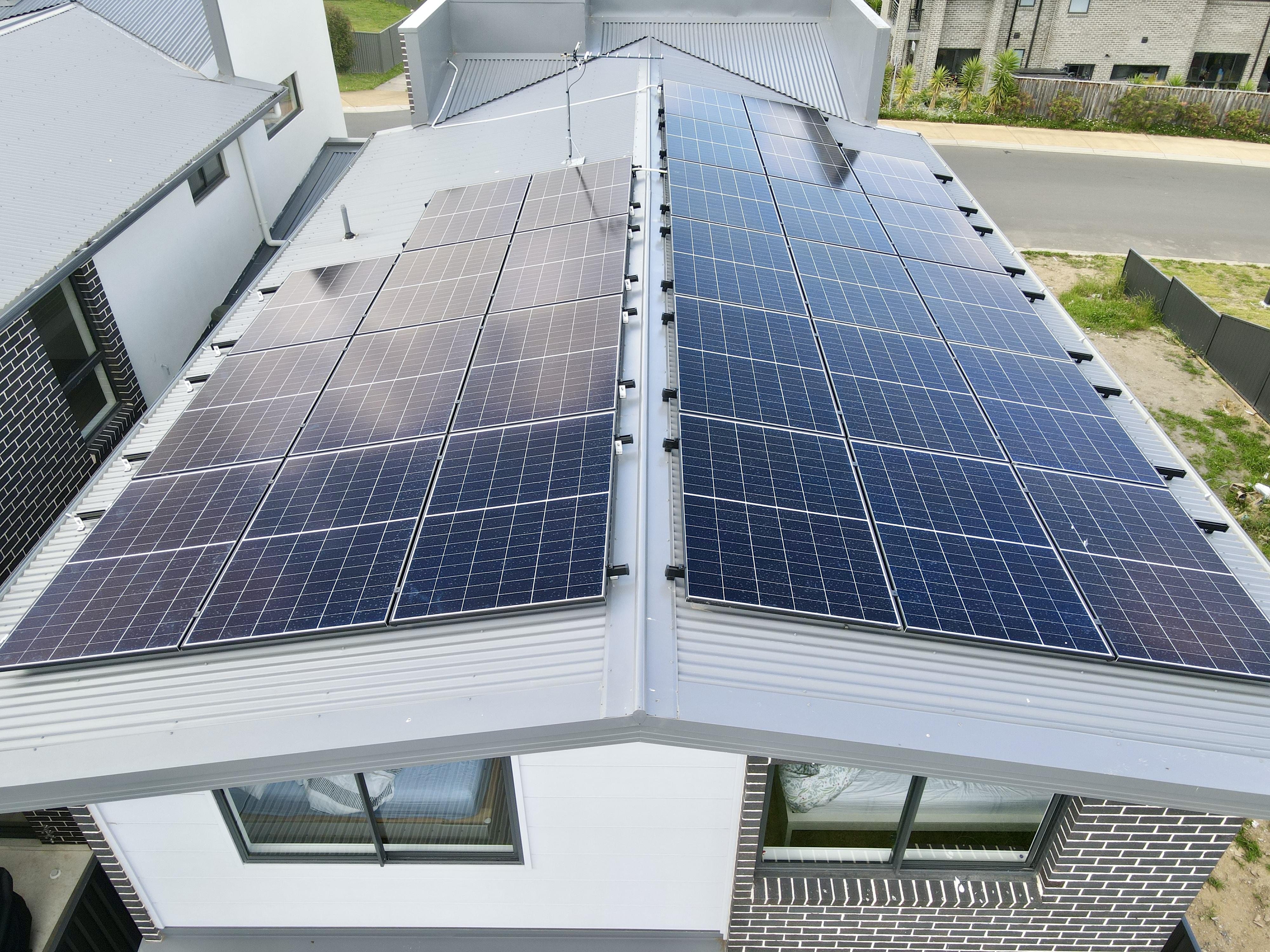
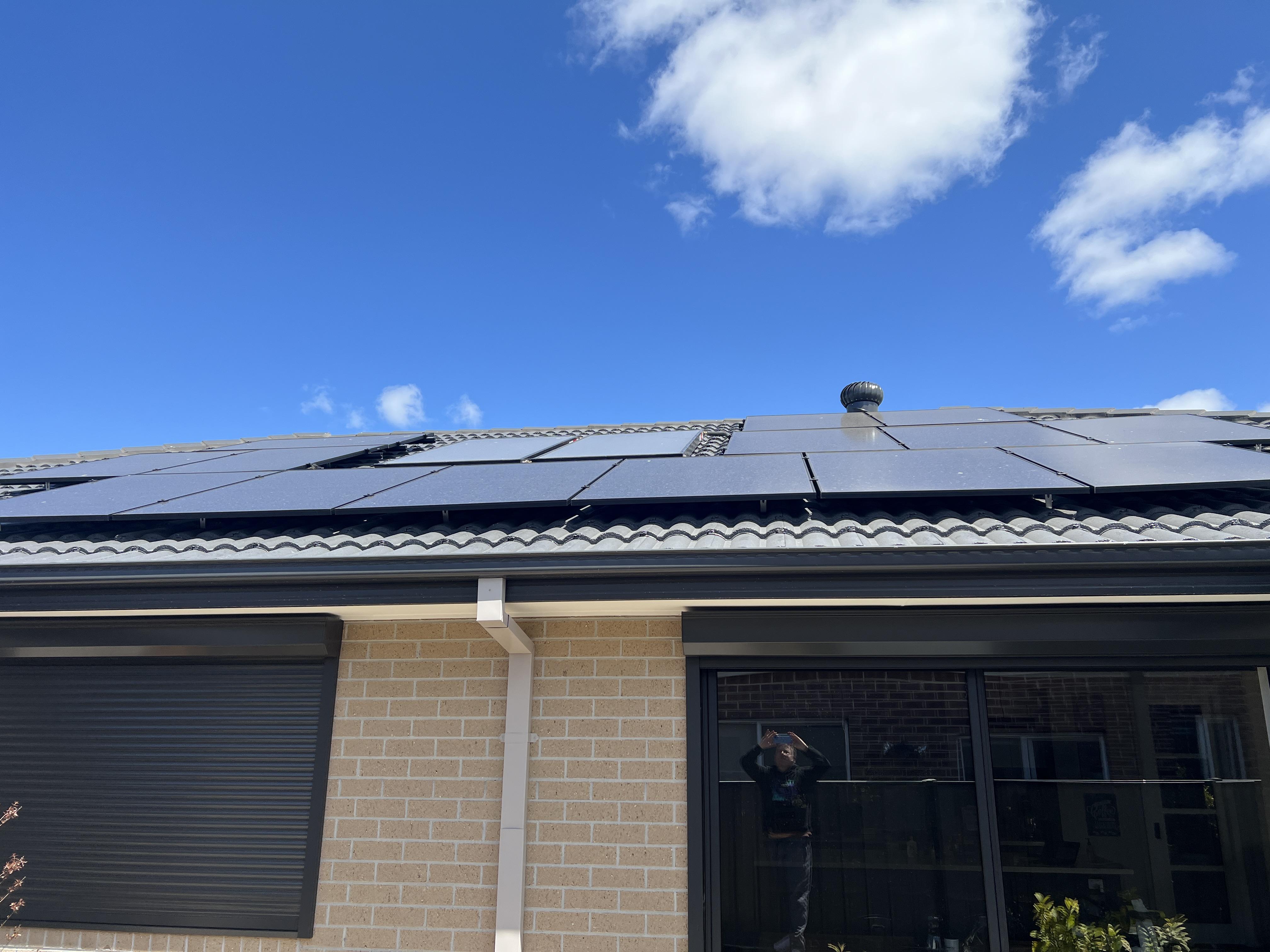
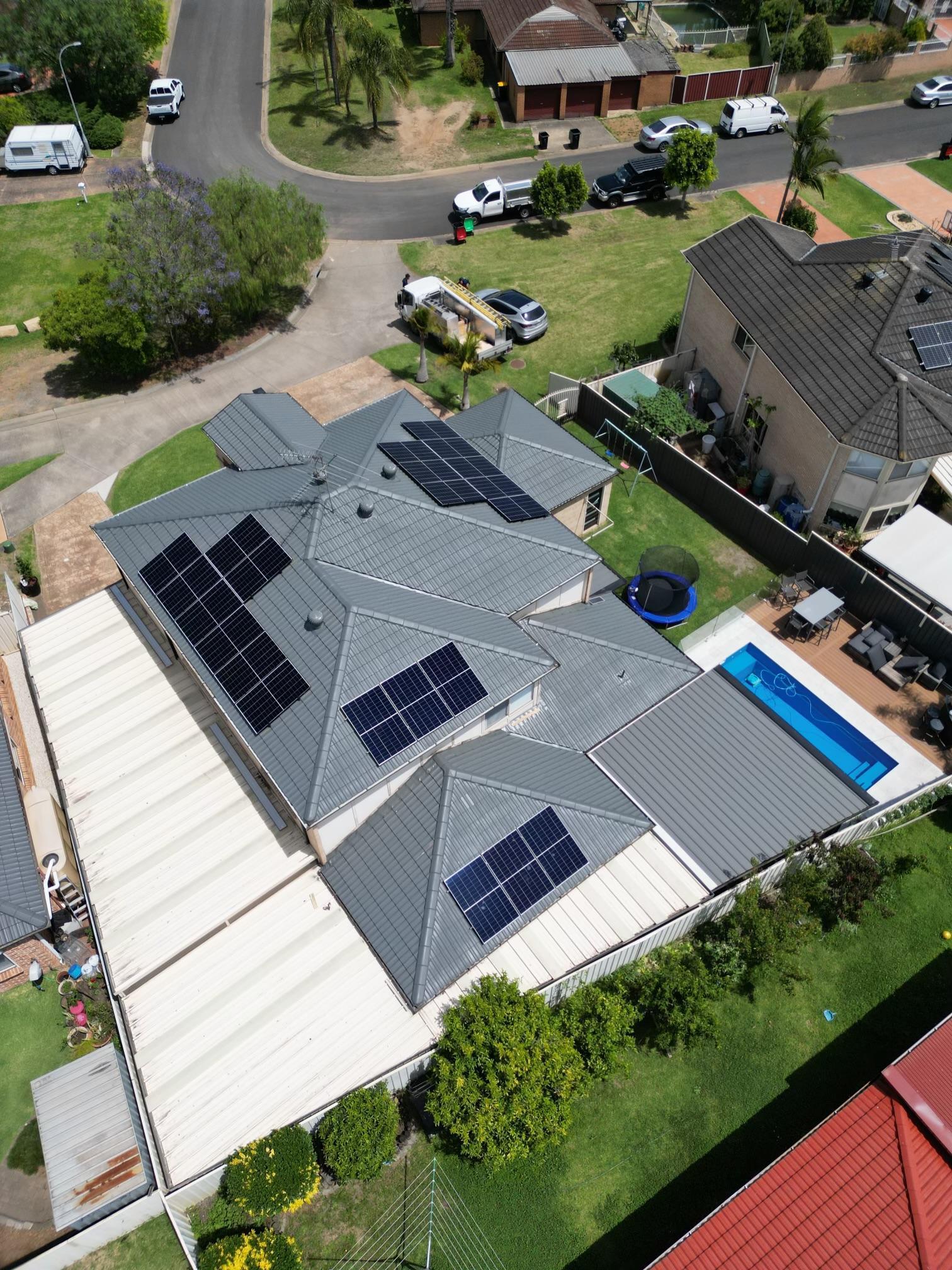
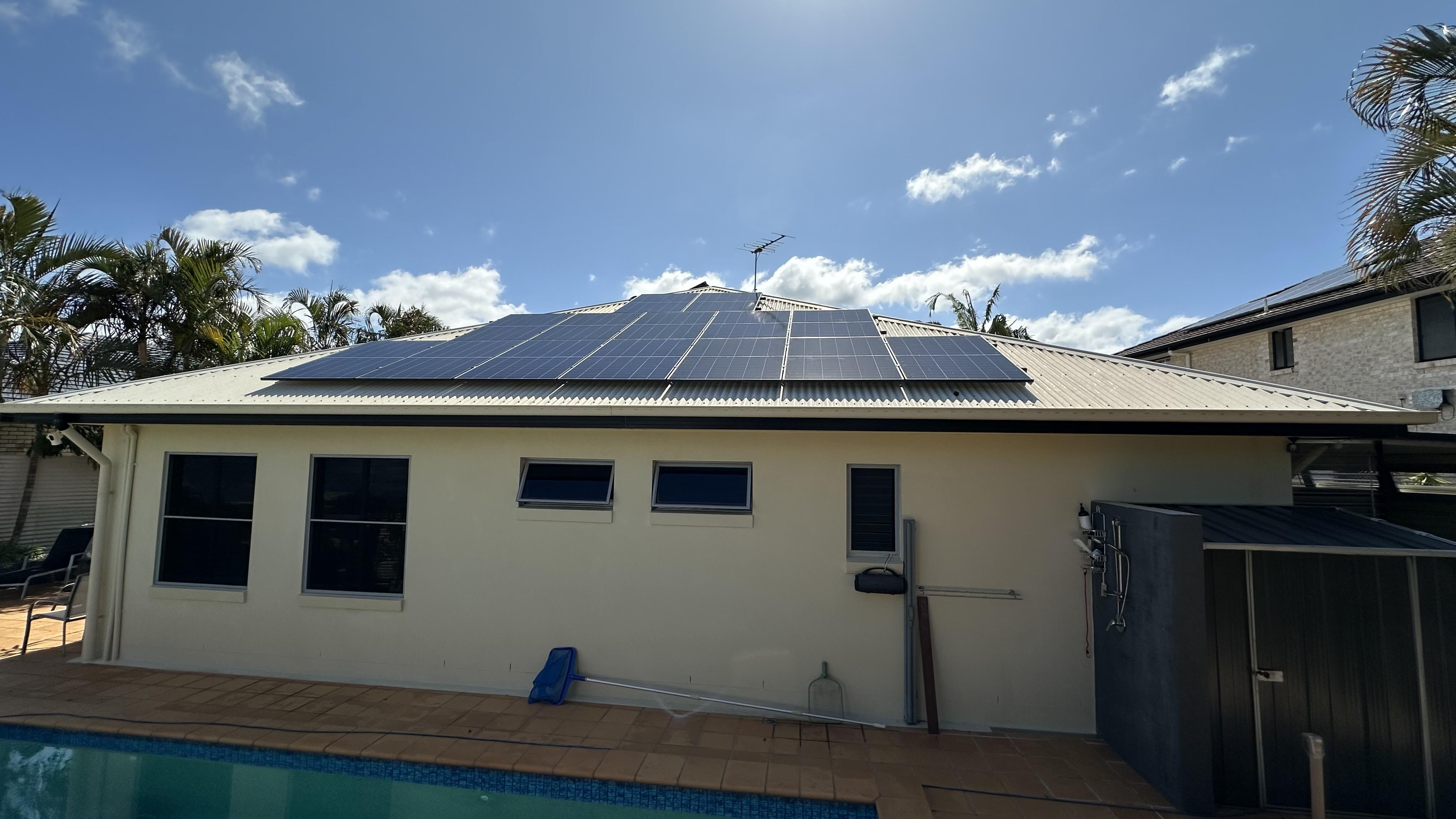
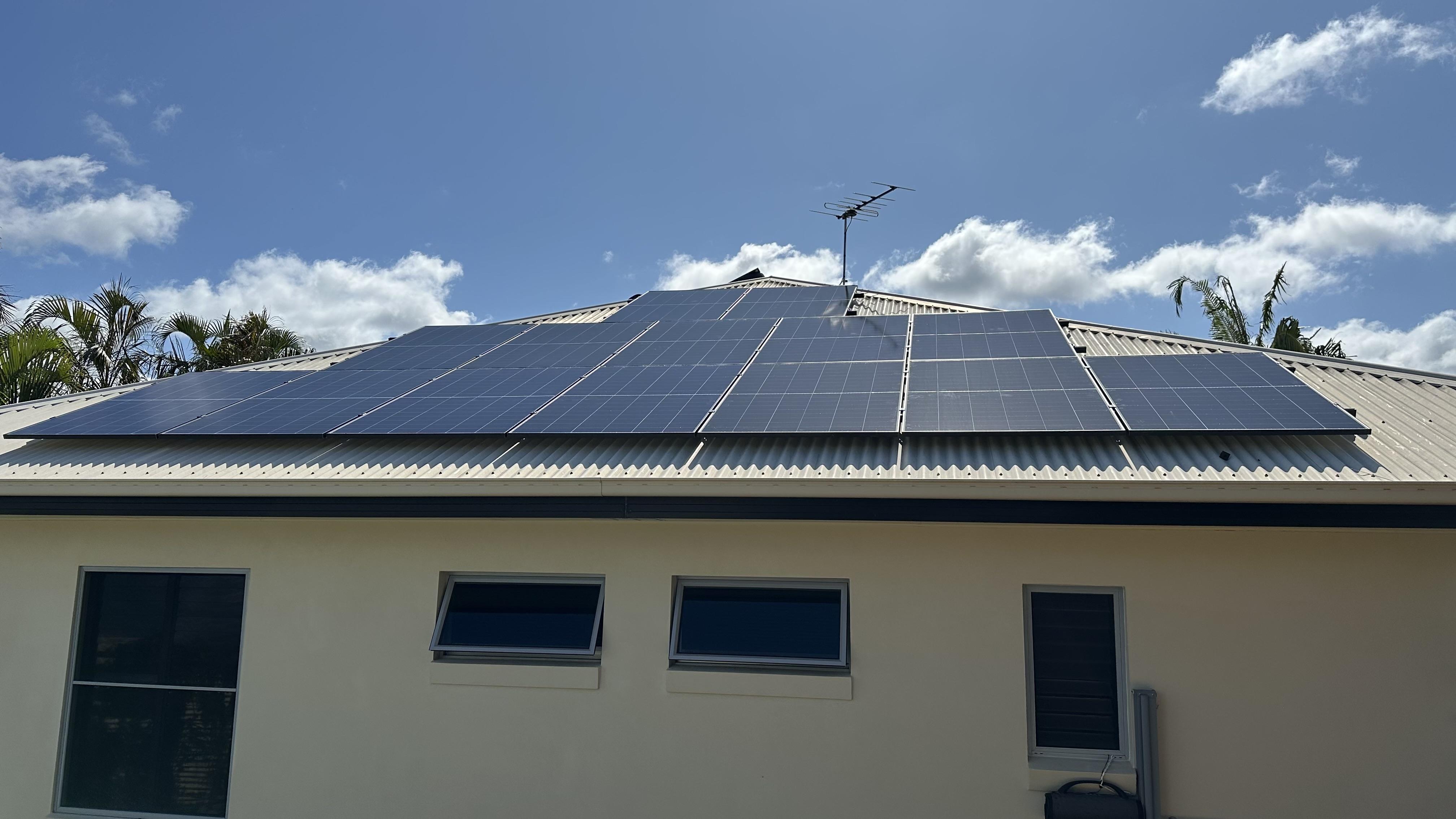
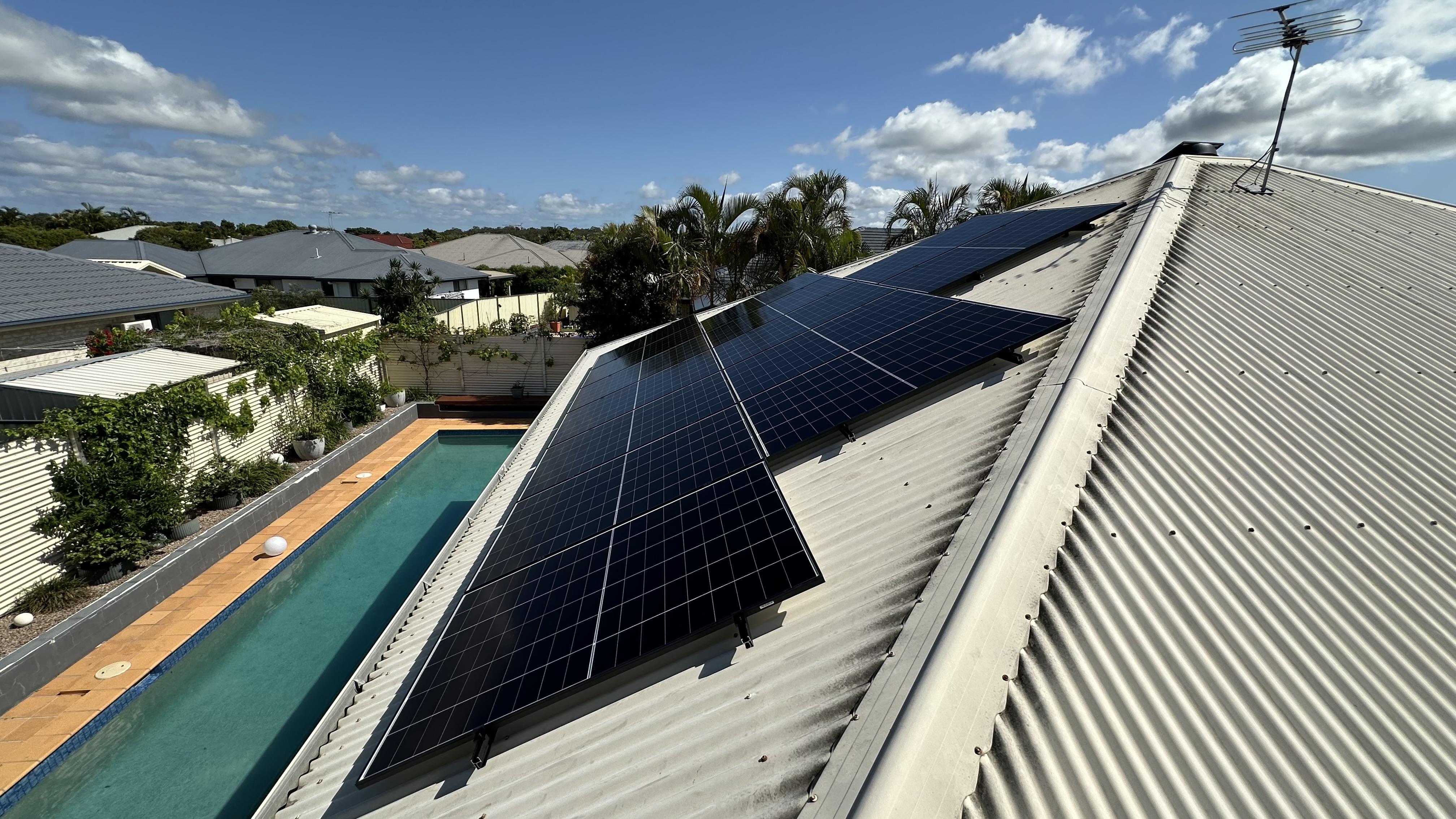
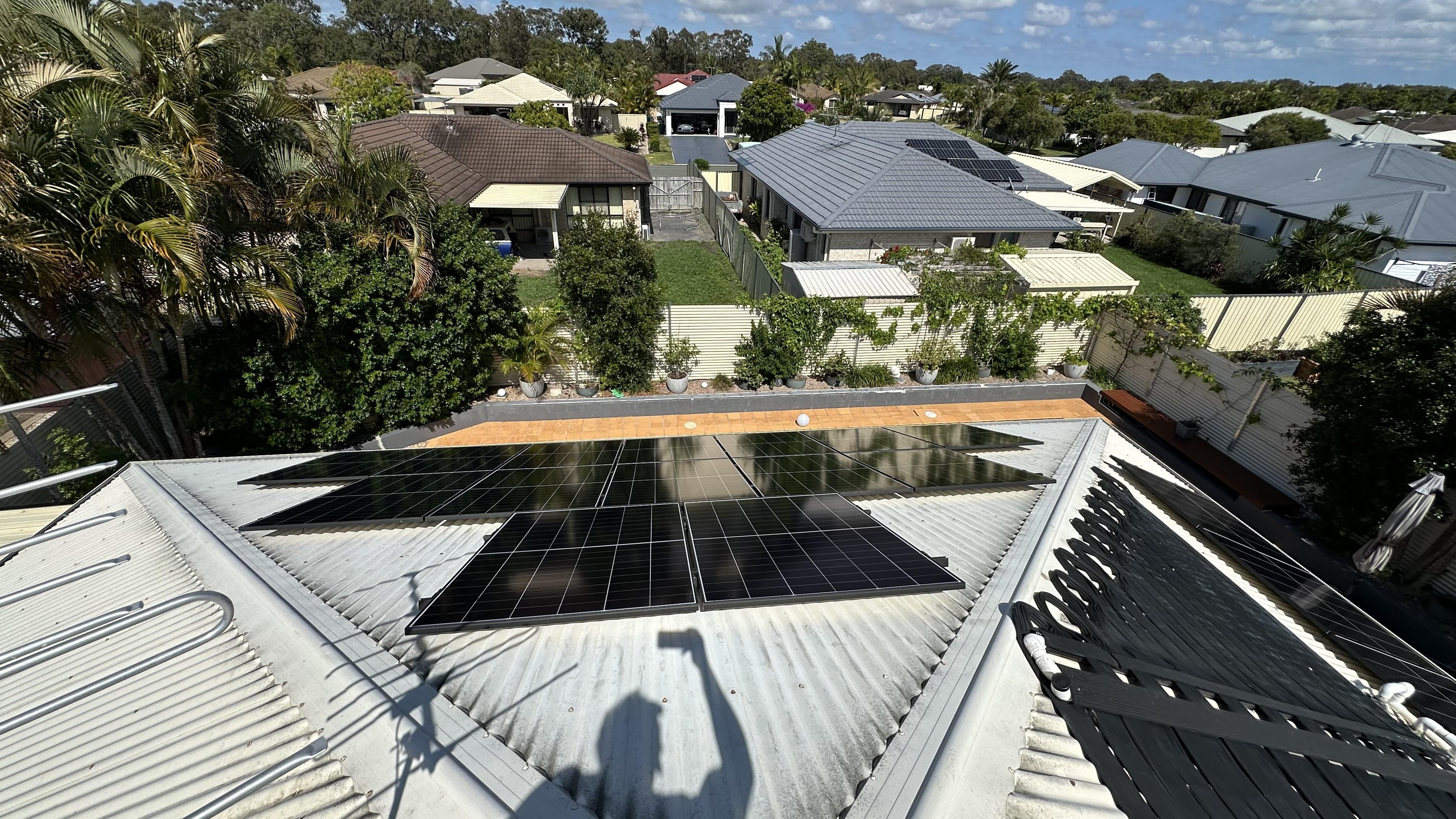
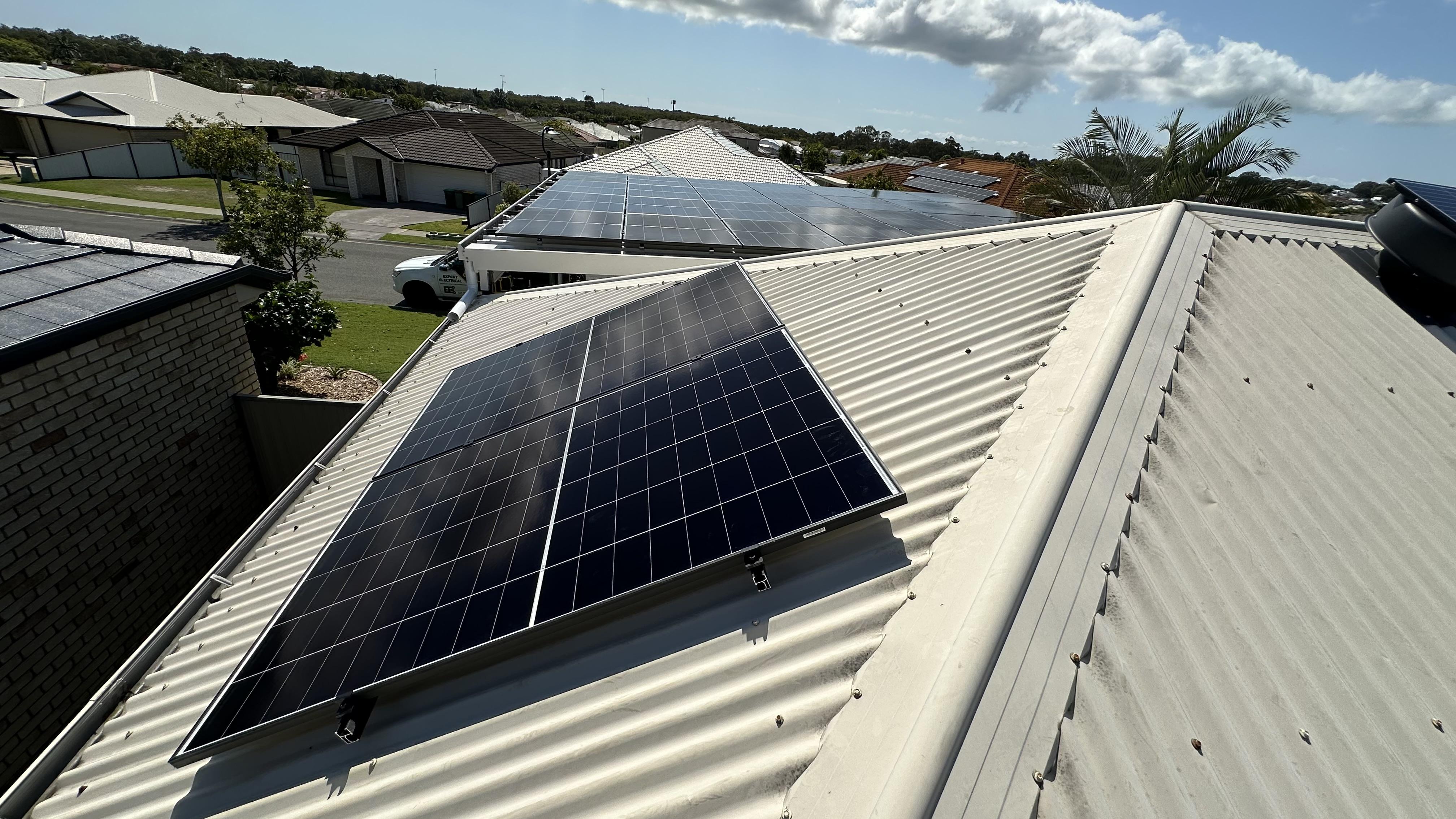
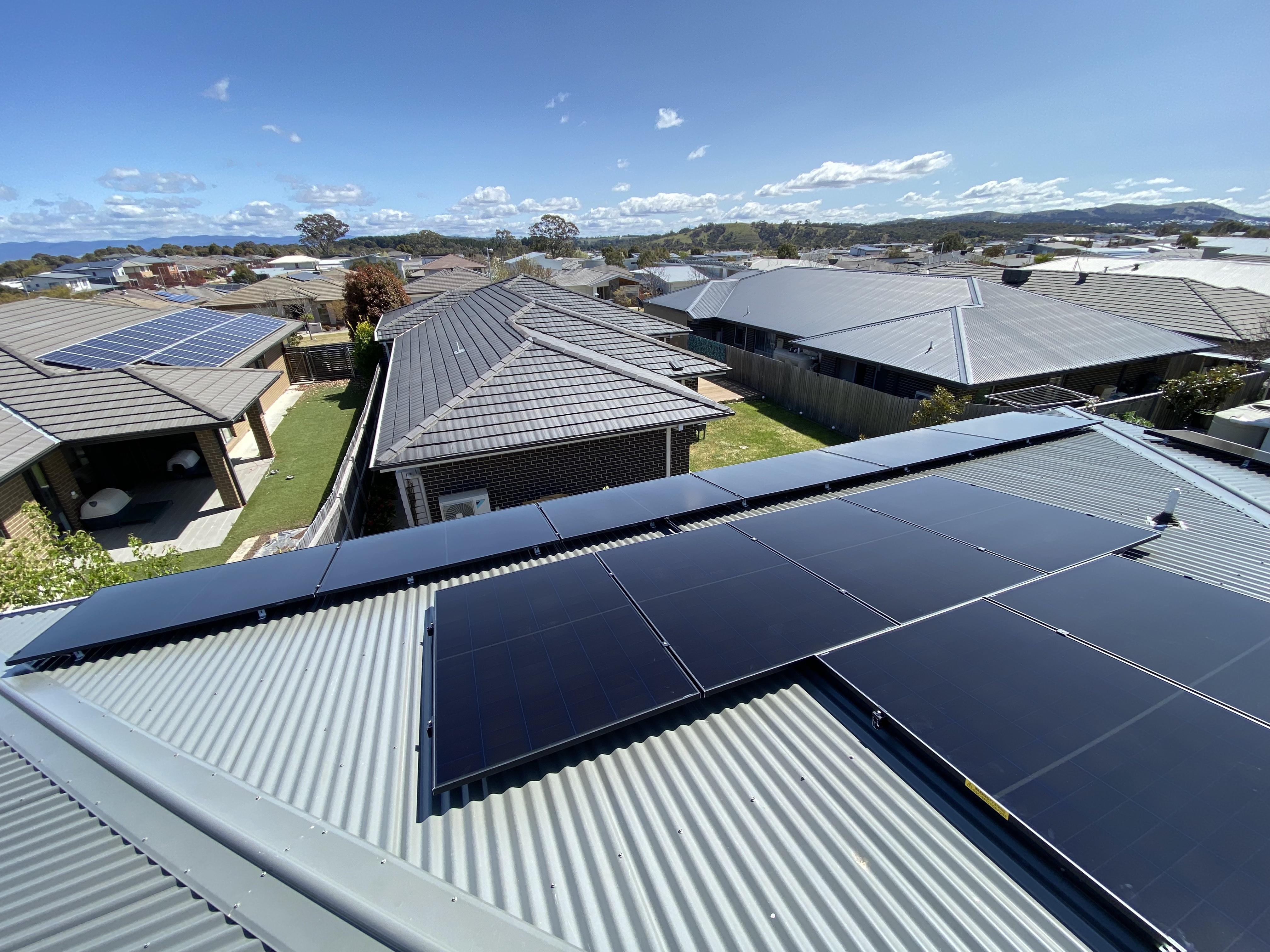
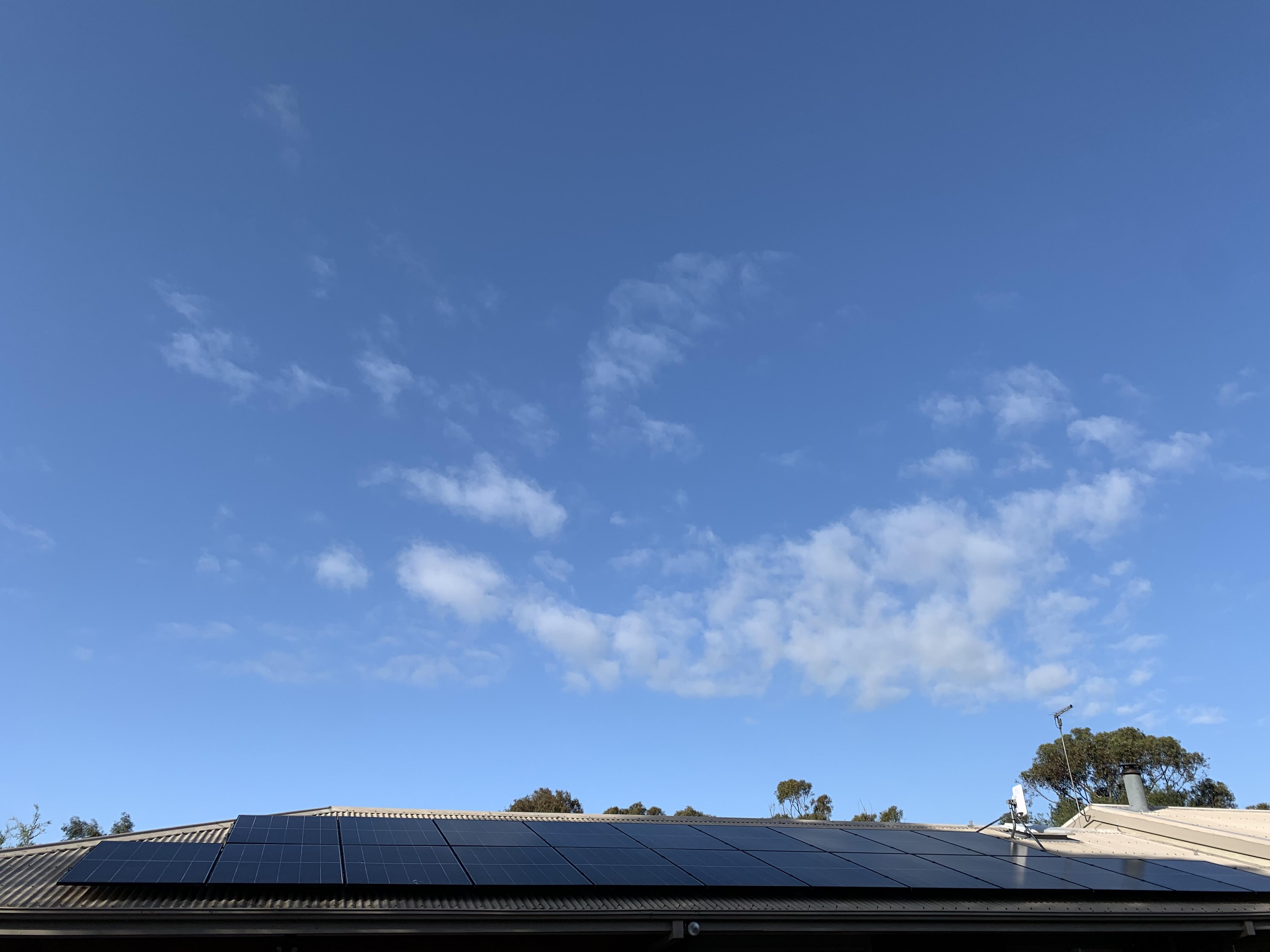
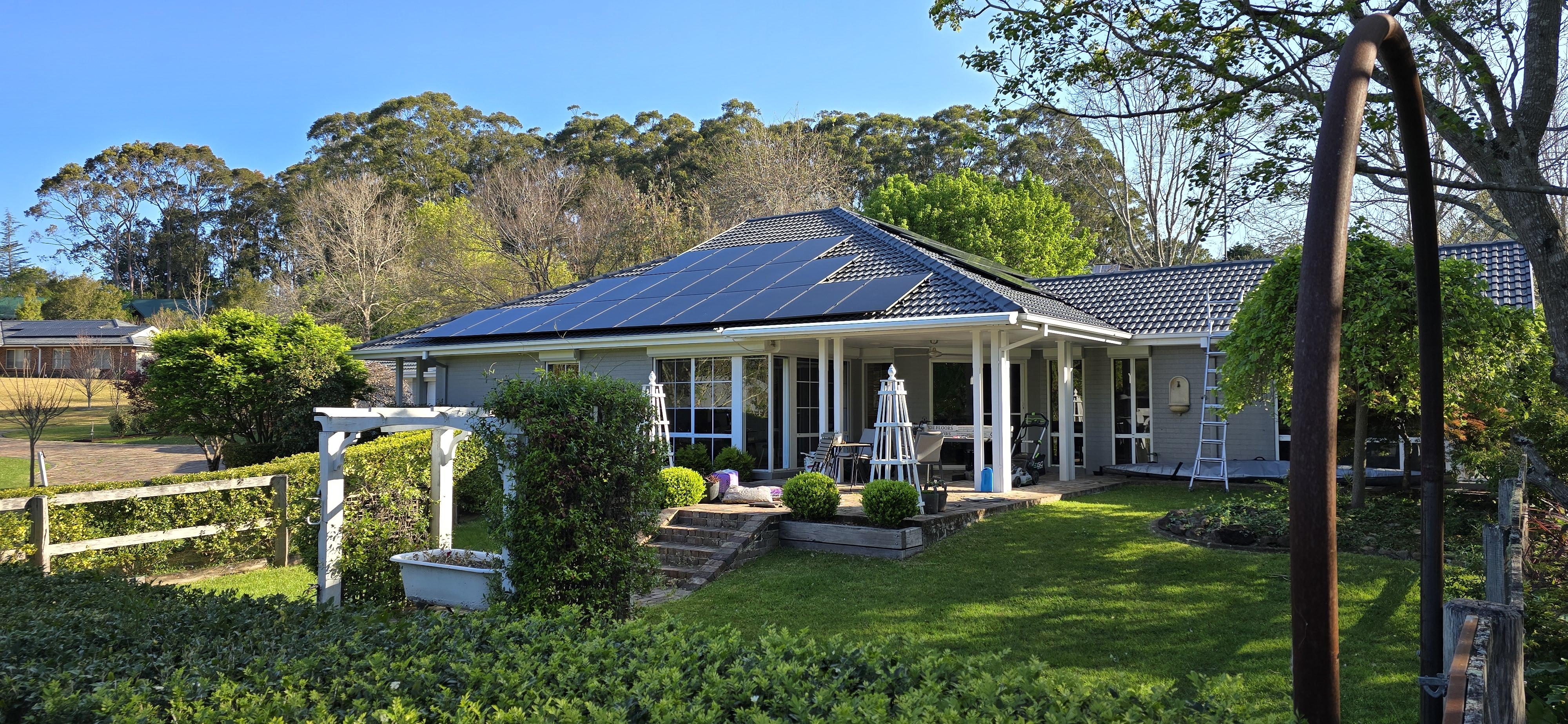
Aiko Solar has 4 solar panels in our database
Filter by:
Aiko Solar Reviews (282)
Show Most Relevant reviews from All time
- 5 star 269
- 4 star 13
- 3 star 0
- 2 star 0
- 1 star 0
View Timeline
22 September 2026
Inverter Brand

System Size
10kW
Installed By

17 September 2026
But only installed the panels a week ago. So may be "too early to really tell".
Inverter Brand

System Cost
$15,000 to $20,000
System Size
10kW
Installed By

18 August 2026
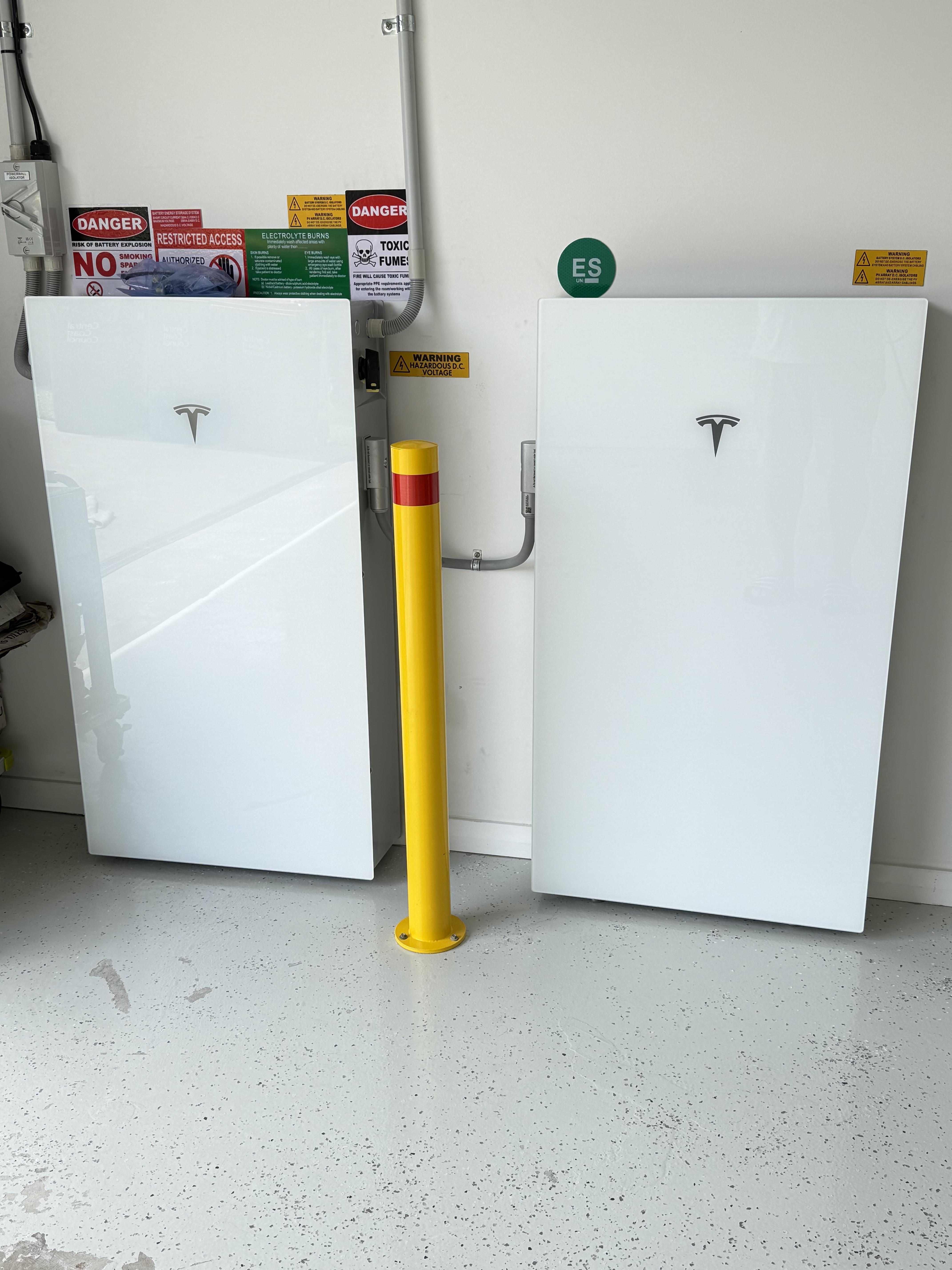
500W AIKO Solar Neostar 3P54 panels, more than enough to charge the battery and run the house load. Only had one very dark day send us onto the grid for a few hours, costing a few dollars, as expected.
Inverter Brand

System Cost
More than $20,000
System Size
13kW
Installed By
27 April 2026
Inverter Brand

System Size
20kW
Installed By

13 September 2026
Inverter Brand
System Cost
$15,000 to $20,000
System Size
10kW
Installed By
08 September 2026
Inverter Brand
System Size
10kW
Installed By

01 September 2026
Too early to assess reliability.
Inverter Brand
System Cost
More than $20,000
System Size
13kW
Installed By
.png)
31 July 2026
Inverter Brand
System Size
13kW
Installed By

16 June 2026
Inverter Brand
System Size
13kW
Installed By

13 June 2026
Inverter Brand
System Size
6.6kW
Installed By

30 May 2026
Inverter Brand
System Cost
$12,500 to $15,000
System Size
6.6kW
Installed By
03 May 2026
Inverter Brand
System Size
15kW
Installed By
13 April 2026
Inverter Brand
System Cost
$12,500 to $15,000
System Size
7kW
Installed By

27 March 2026
Inverter Brand
System Cost
More than $20,000
System Size
15kW
Installed By
25 March 2026
Inverter Brand
System Cost
$4,000 to $6,000
System Size
6.6kW
Installed By
21 September 2026
Inverter Brand
System Size
6.6kW
Installed By
21 September 2026
Inverter Brand
System Cost
$15,000 to $20,000
System Size
15kW
Installed By

20 September 2026
Inverter Brand
System Cost
More than $20,000
System Size
13kW
Installed By

20 September 2026
Inverter Brand
System Cost
More than $20,000
System Size
15kW
Installed By
19 September 2026
Inverter Brand
System Size
3kW
Installed By

18 September 2026
Inverter Brand
System Cost
$15,000 to $20,000
System Size
13kW
Installed By

17 September 2026
Inverter Brand
System Size
15kW
Installed By
17 September 2026
Inverter Brand
System Size
10kW
Installed By
17 September 2026
Inverter Brand
System Size
13kW
Installed By
17 September 2026
Inverter Brand
System Size
I only installed a battery, EV charger or Hot Water Heat Pump
Installed By
16 September 2026
Inverter Brand
System Size
10kW
Installed By

16 September 2026
Inverter Brand
System Cost
$15,000 to $20,000
System Size
10kW
Installed By

15 September 2026
Inverter Brand
System Size
9kW
Installed By

15 September 2026
Inverter Brand
System Cost
$6,000 to $8,000
System Size
6.6kW
Installed By

15 September 2026
Inverter Brand
System Cost
$12,500 to $15,000
System Size
10kW
Installed By
15 September 2026
Inverter Brand
System Cost
$10,000 to $12,500
System Size
9kW
Installed By
14 September 2026
Inverter Brand
System Cost
More than $20,000
System Size
15kW
Installed By

14 September 2026
Inverter Brand
System Size
7kW
Installed By
14 September 2026
Inverter Brand
System Cost
More than $20,000
System Size
20kW
Installed By
14 September 2026
Inverter Brand
System Cost
$12,500 to $15,000
System Size
9kW
Installed By
14 September 2026
Inverter Brand
System Cost
More than $20,000
System Size
more than 30kW
Installed By
13 September 2026
Inverter Brand
System Cost
$15,000 to $20,000
System Size
10kW
Installed By
13 September 2026
Inverter Brand
System Cost
$15,000 to $20,000
System Size
8kW
Installed By

12 September 2026
Inverter Brand
System Cost
More than $20,000
System Size
13kW
Installed By
12 September 2026
Inverter Brand
System Cost
More than $20,000
System Size
13kW
Installed By

11 September 2026
System Size
10kW
Installed By
11 September 2026
Inverter Brand
System Cost
$15,000 to $20,000
System Size
9kW
Installed By
10 September 2026
Inverter Brand

System Size
15kW
Installed By
09 September 2026
Inverter Brand
System Cost
$15,000 to $20,000
System Size
13kW
Installed By
09 September 2026
Inverter Brand
System Size
20kW
Installed By
09 September 2026
Inverter Brand
System Cost
$15,000 to $20,000
System Size
13kW
Installed By
08 September 2026
Inverter Brand
System Size
13kW
Installed By

08 September 2026
Inverter Brand
System Size
8kW
Installed By
07 September 2026
Inverter Brand
System Cost
$15,000 to $20,000
System Size
13kW
Installed By

06 September 2026
Inverter Brand
System Cost
More than $20,000
System Size
15kW
Installed By
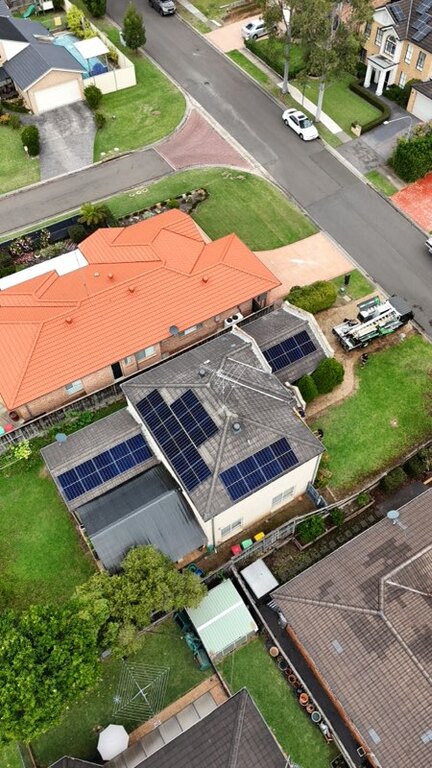
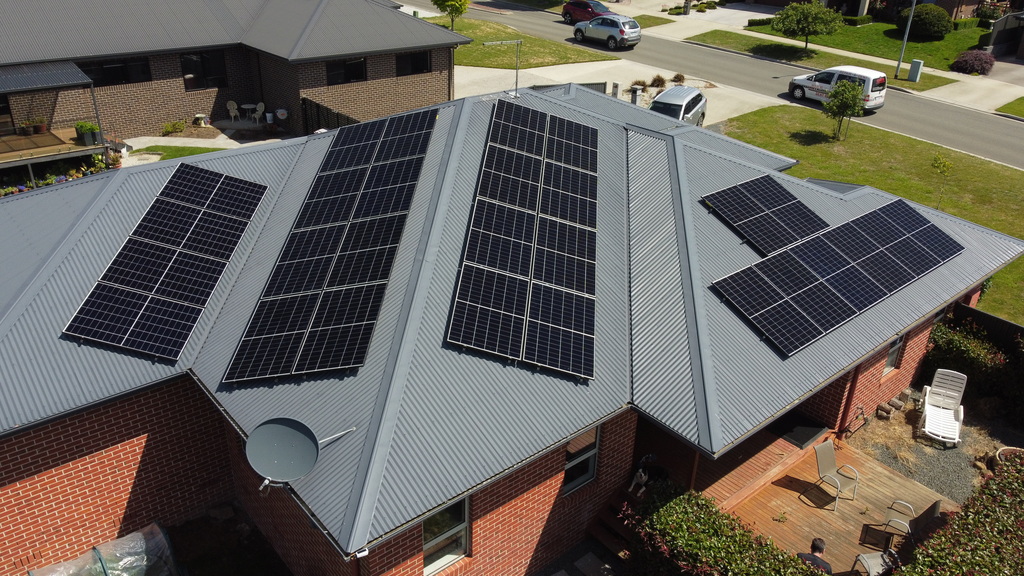
Due to the house design, we had to install on all four roof directions, and luckily the GoodWe inverter had four MPPT connections for North, East, South and West